Trekking in the Nepal Himalayas - The Ultimate Guide to Adventure, Culture, and Breathtaking Landscapes
The Nepal Himalayas have captivated travelers, adventurers, and mountaineers for decades. Home to eight of the world's fourteen highest peaks, including the legendary Mount Everest, Nepal is widely recognized as the ultimate destination for trekking enthusiasts. Every year, thousands of visitors arrive from around the globe to experience spectacular mountain scenery, vibrant local cultures, and unforgettable trails.
Whether you are planning your first Himalayan adventure or returning to explore another region, trekking in the Nepal Himalayas offers experiences unlike anywhere else on Earth. From peaceful rhododendron forests and cascading waterfalls to towering glaciers and snow-covered mountain passes, every journey reveals a new perspective of Nepal's remarkable natural beauty.
This comprehensive guide covers everything you need to know before embarking on your Himalayan trekking adventure, including the best trekking regions, ideal seasons, permits, costs, packing essentials, and safety tips.
Trekking in Nepal is one of the best ways to experience the country’s stunning natural beauty and rich cultural diversity. Home to eight of the world’s fourteen highest peaks, including the tallest mountain on Earth, Nepal offers an unmatched landscape of towering mountains, deep valleys, and ancient trails. Whether you're a seasoned mountaineer or an enthusiastic hiker, Nepal’s breathtaking terrain will leave you in awe.
Why Trekking in the Nepal Himalayas Is So Special
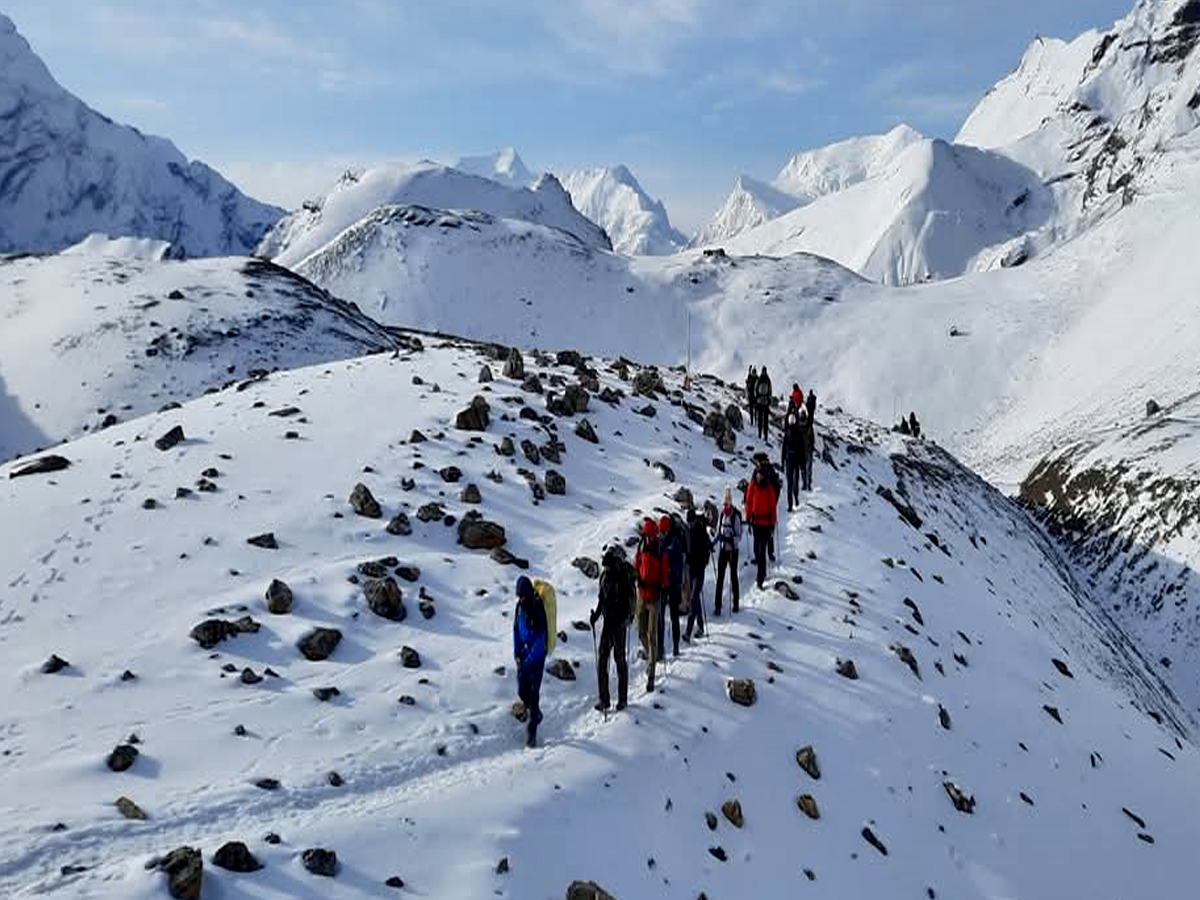
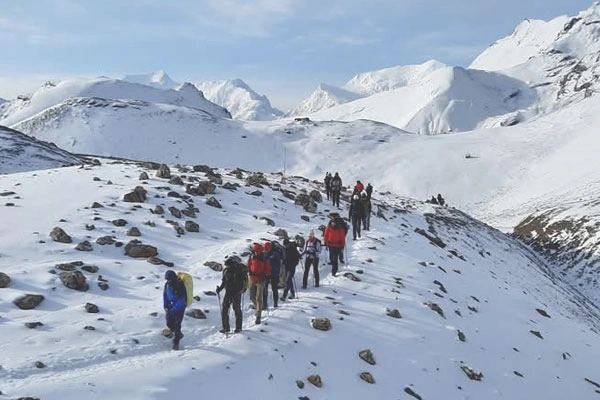
Trekking in the Nepal Himalayas with Nepal Spirit Adventure: "The picture was taken from the Annapurna Circuit trail, Thorung La Pass at 5,416 m"
Few destinations combine dramatic landscapes, cultural richness, and adventure as perfectly as Nepal. The country's diverse geography ranges from subtropical forests below 500 meters to the highest mountain on Earth at 8,848.86 meters.
Unlike many mountain destinations, trekking in Nepal is about much more than reaching a viewpoint. Every trail passes through centuries-old villages where local communities continue traditions shaped by Buddhism, Hinduism, and mountain life. Trekkers enjoy warm hospitality in family-run teahouses while experiencing authentic Himalayan culture.
Highlights include:
- Spectacular Himalayan panoramas
- Traditional Sherpa, Gurung, Tamang, Rai, and Thakali villages
- Ancient monasteries and Buddhist stupas
- Rich wildlife and national parks
- Well-established trekking infrastructure
- Routes suitable for beginners and experienced trekkers
Explore Nepal’s Unique Geography
Nestled between China and India, Nepal has retained its mystique and charm, continuously captivating travelers from all over the world. Trekking here allows you to walk alongside glaciers, rivers, lakes, and waterfalls; pass through alpine meadows, remote villages, and terraced fields; visit ancient temples and monasteries; and cross high mountain passes—all with panoramic views of the majestic Himalayas.
The Best Trekking Trails in the Nepal Himalayas
Nepal offers a wide variety of trekking trails, from well-known classics to remote, less-traveled routes. The most popular trekking regions include:
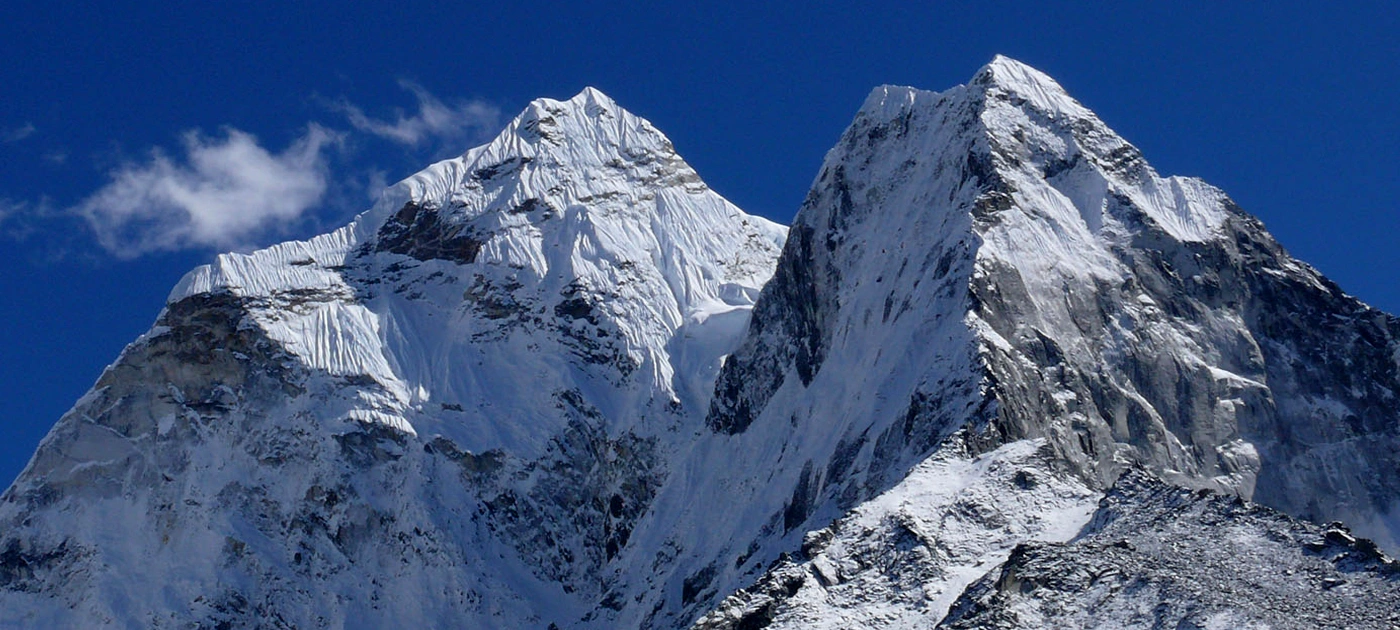
The Everest region is Nepal's most famous trekking destination. It offers breathtaking views of Mount Everest alongside iconic Himalayan peaks such as Lhotse, Nuptse, Ama Dablam, and Thamserku.
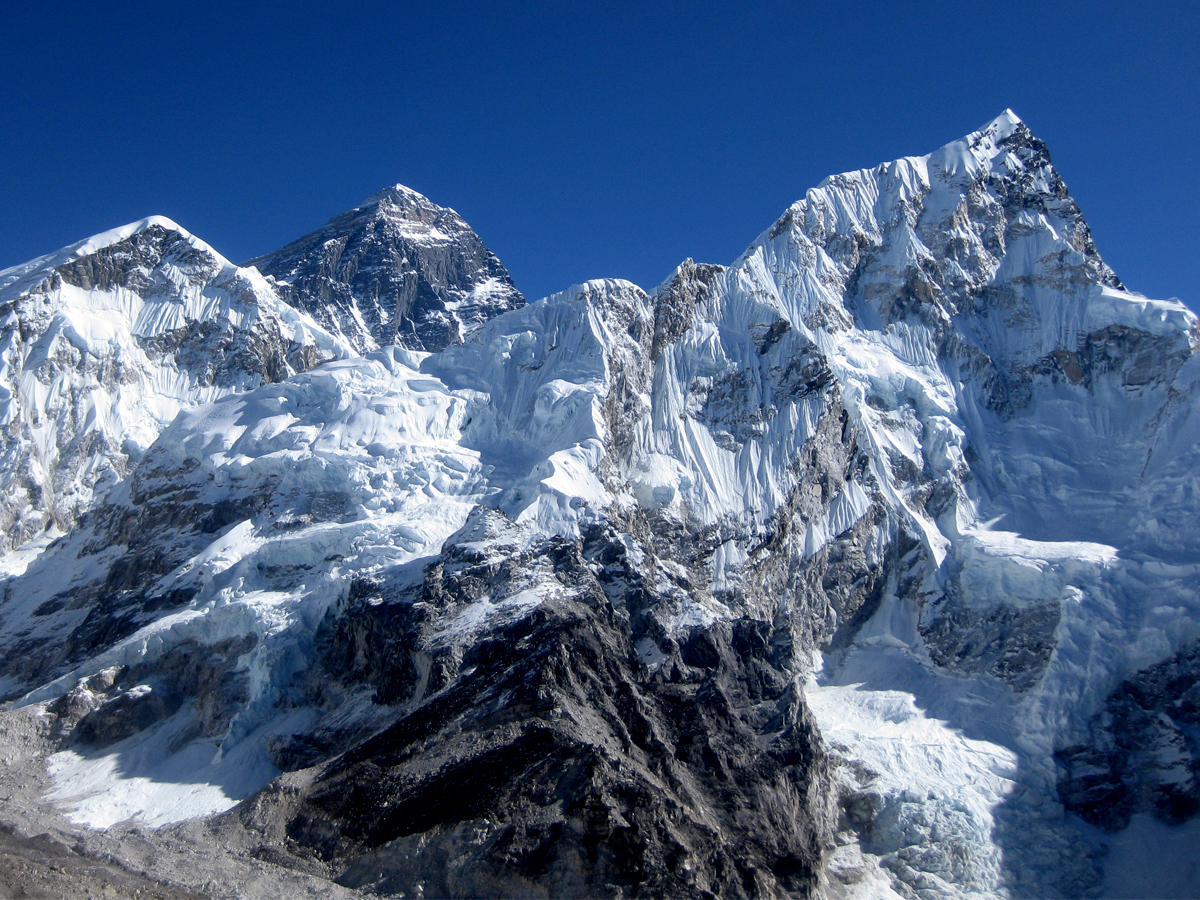
The World's Popular Trek Route: Everest Base Camp in the Everest Trekking Region, Nepal Himalayas!
Travelers and Trekkers can make this trek in the Nepal Himalaya in the Everest region from 1 week to 21 days, or even more, depending on which trip itinerary they are looking forward to doing. This depends on your travel holiday to Nepal, and also allows you to assess your physical fitness, which you have and require for a high-altitude walking experience for the high pass trek, such as the Everest 3 high passes trail, Kalapatthar (black stone climb) for a spectacular view, and a visit to Everest base camp at 5364 meters.
The 14-day Everest Base Camp Trek is being normalized, and any kind of fitness level can apply for this adventure in the Nepal Himalaya as a trek. For more detailed information, you can visit a world-famous trek in the Everest region of Nepal. You'll get enough travel plans.
In the Everest Himalayas, Popular Treks Include:
- Everest Base Camp Trek
- Gokyo Lakes Trek
- Everest Base Camp trek with Cho La Pass
- Gokyo Lake Renjo La Pass trek
- Three Passes Trek
- Everest View Trek
- For Adventurous Trekkers: Everest Base Camp Trek with Island Peak Climbing
- EBC trek with Lobuche Peak Climbing
Highlights:
- Sherpa culture
- Tengboche Monastery
- Namche Bazaar
- Khumbu Glacier
- Sagarmatha National Park
Difficulty: Moderate to Challenging
Trip Duration: 10–20 days
The Annapurna region is known for its extraordinary diversity. Within a single trek, hikers experience rice terraces, pine forests, alpine meadows, deserts, and high mountain passes.
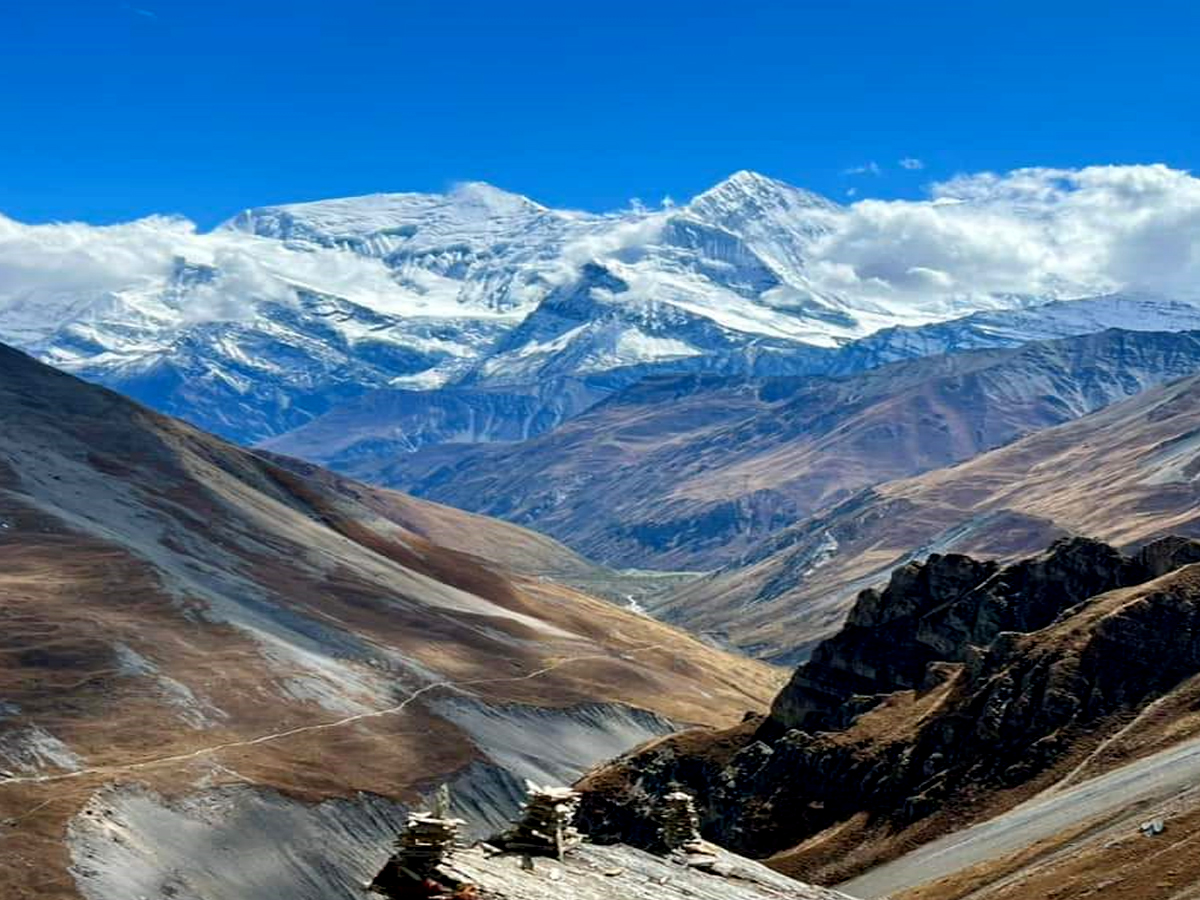
The World Popular High Pass trek Circuit Annapurna Region Trekking in Nepal
Difficulty: Easy to Challenging
Duration: 4–20 days
Popular routes include:
1. Annapurna Base Camp Trek
2. Annapurna Circuit Trek
3. Ghorepani Poon Hill Trek
4. Mardi Himal Trek
5. Khopra Ridge Trek
6. Upper Mustang trek
Highlights:
- Annapurna Massif
- Machhapuchhre (Fishtail)
- Thorong La Pass
- Natural hot springs
- Traditional Gurung villages
3. Langtang Region Trek
Often overlooked, Langtang offers spectacular scenery with fewer crowds. Located north of Kathmandu, this region combines mountain landscapes with Tamang culture.
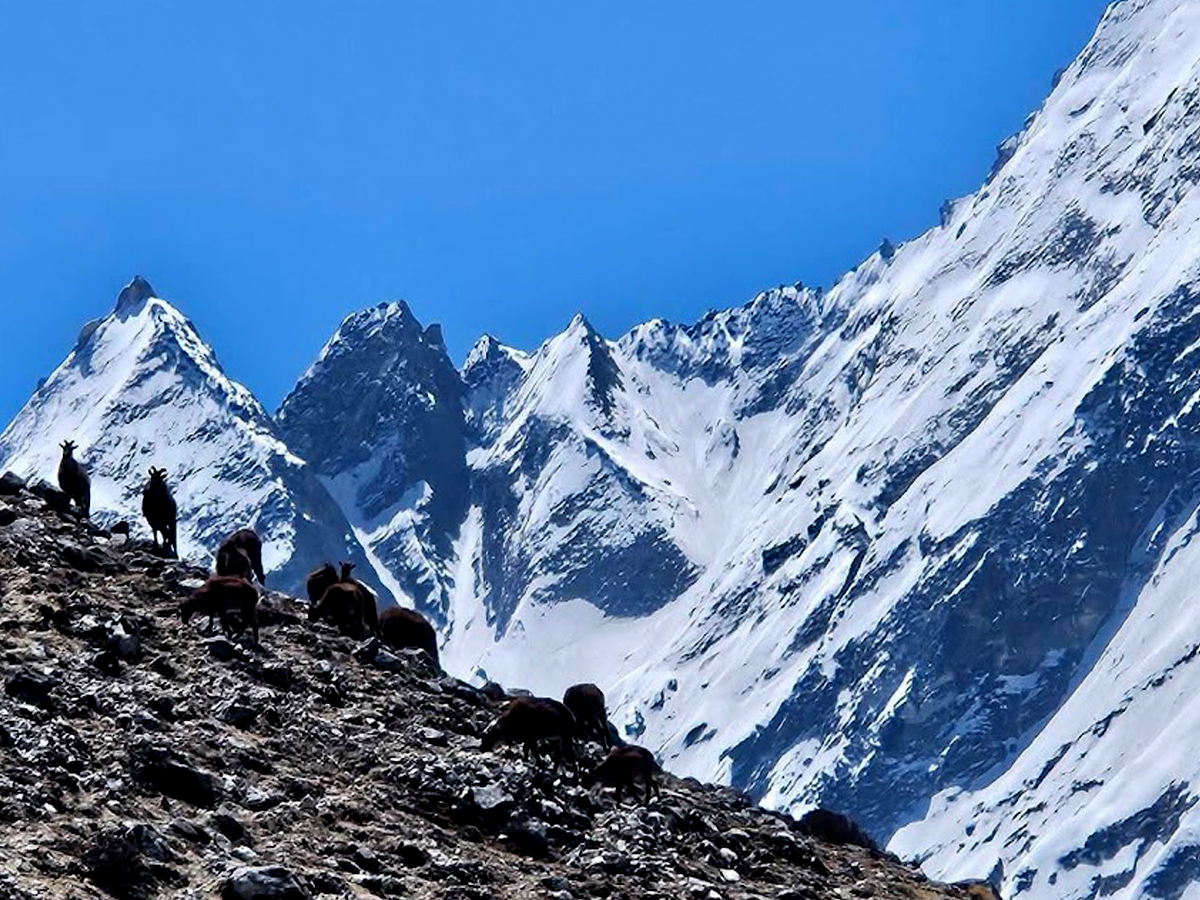
Popular treks include:
1. Langtang Valley Trek
2. Gosaikunda Lake Trek
3. Helambu Trek
Highlights:
- Langtang National Park
- Sacred alpine lakes
- Yak pastures
- Snow-covered peaks
- Buddhist monasteries
Difficulty: Moderate
Duration: 7–12 days
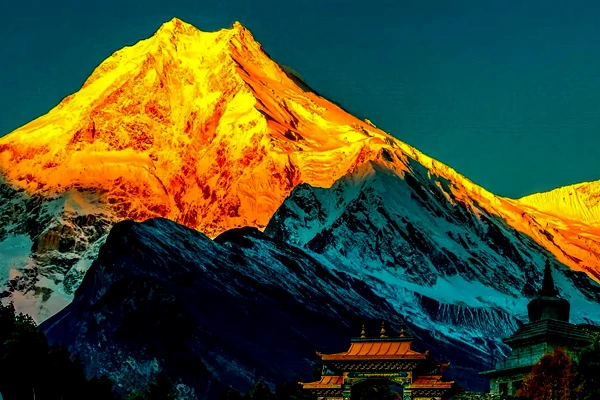
The Manaslu Circuit Trek is one of Nepal's finest remote adventures. It circles Mount Manaslu, the world's eighth-highest mountain, through pristine valleys and traditional Tibetan-influenced villages.
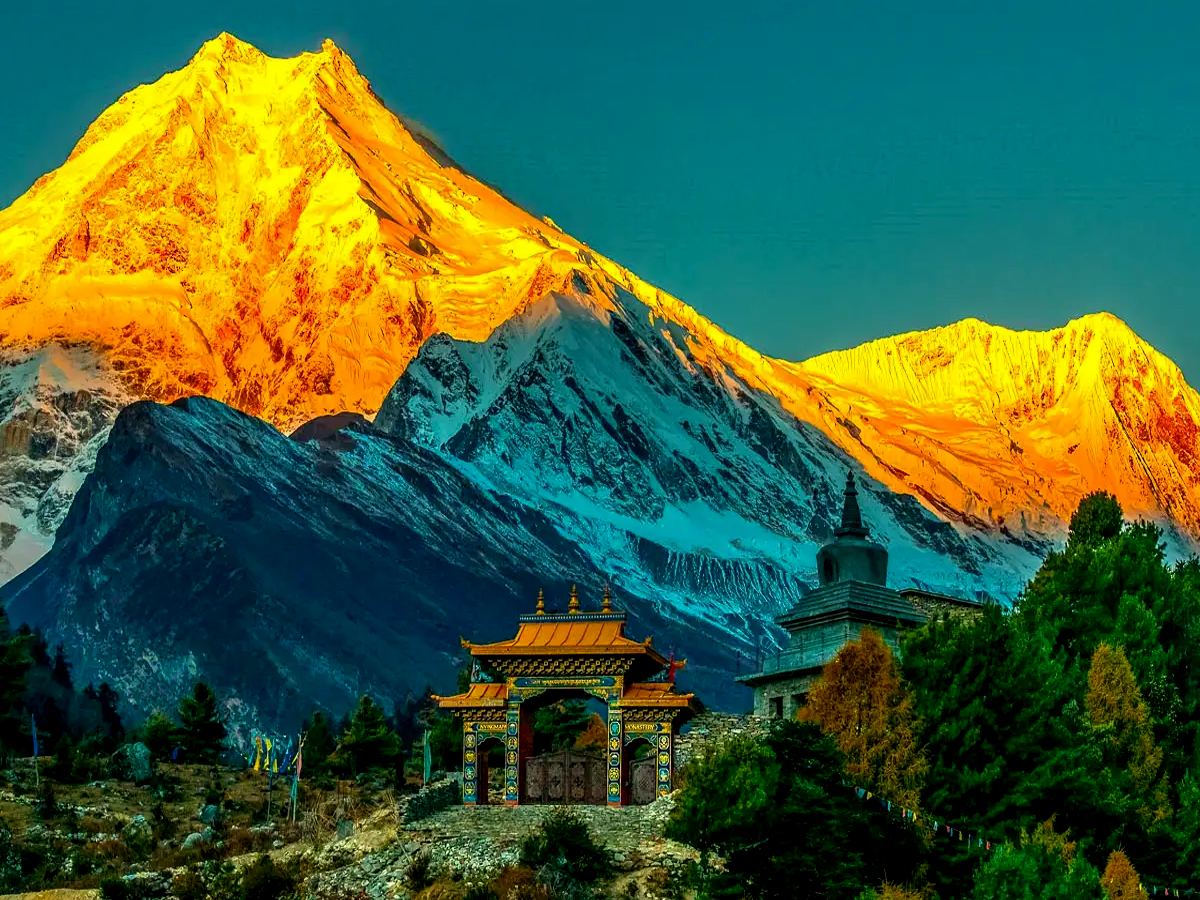
Difficulty: Challenging
Duration: 14–18 days
Popular Routes:
- Manaslu Circuit Trek
- Manaslu Base Camp
- Tsum Valley Hike
- Tsum Valley Latrke La Pass
Highlights:
- Larkya La Pass
- Remote mountain villages
- Stunning glaciers
- Less crowded trails
- Authentic cultural experiences
Difficulty: Challenging
Duration: 14–18 days
Eastern Nepal offers one of the country's least-visited trekking experiences. The Kanchenjunga region rewards adventurous trekkers with pristine wilderness and exceptional biodiversity.
Highlights:
- Remote Himalayan landscapes
- Kanchenjunga Base Camp
- Rare wildlife
- Traditional Rai and Limbu villages
Difficulty: Challenging
Duration: 18–25 days
Best Time for Trekking in the Nepal Himalayas
Choosing the right season significantly enhances your trekking experience.
Spring (March–May)
Spring is one of Nepal's most popular trekking seasons.
Advantages:
- Pleasant temperatures
- Blooming rhododendron forests
- Clear mountain views
- Stable weather
Best Trek for:
1. Everest Base Camp
2. Annapurna Base Camp
3. Langtang Valley
4. Manaslu Circuit
5. Annapurna Circuit trek
Autumn (September–November)
Autumn is considered the best trekking season.
Advantages:
- Crystal-clear mountain views
- Dry trails
- Comfortable temperatures
- Excellent photography conditions
- Ideal for all trekking regions.
Winter (December–February)
Lower-elevation treks remain enjoyable during winter.
Pros:
- Fewer crowds
- Beautiful snow-covered landscapes
- Clear skies
Cons:
- Cold temperatures
- Some high passes may close
Monsoon (June–August)
Heavy rainfall affects many trails.
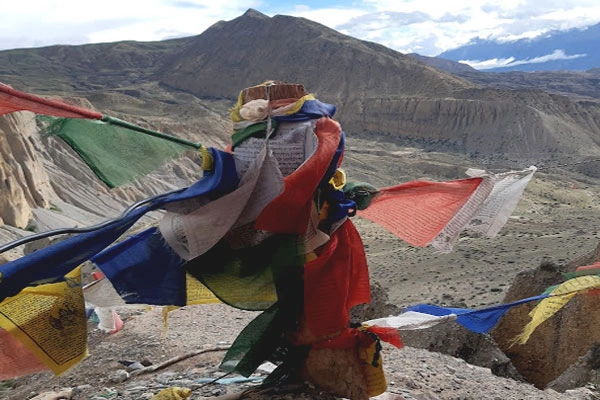
However, rain-shadow regions like Upper Mustang and Dolpo remain excellent choices during summer.
Trekking Permits Required
Depending on your chosen route, you may need one or more permits.
Common permits include:
- TIMS (Trekkers' Information Management System)
- National Park Entry Permit
- Conservation Area Permit
- Restricted Area Permit (for selected regions)
Always verify the latest permit requirements before traveling, as regulations may change.
Accommodation During Your Trek
Most popular trekking routes feature comfortable teahouses operated by local families.
Typical facilities include:
- Private or shared rooms
- Dining halls with heating
- Local and international meals
- Charging facilities
- Wi-Fi (available in many villages for an additional fee)
- Hot showers (usually available for an extra charge)
Remote trekking regions may require camping or more basic accommodations.
Food on the Trail
Teahouses offer surprisingly varied menus.
Popular meals include:
- Dal Bhat (rice, lentils, vegetables, and curry)
- Fried rice
- Noodles
- Pasta
- Soups
- Pancakes
- Tibetan bread
- Momos
- Eggs
- Tea and coffee
Dal Bhat remains the preferred meal among experienced trekkers because it is nutritious, filling, and often comes with free refills.
Essential Packing List
Packing wisely ensures comfort and safety.
Must-have items include:
- Waterproof trekking boots
- Warm down jacket
- Waterproof shell jacket
- Thermal base layers
- Trekking pants
- Gloves and hat
- Sleeping bag
- Trekking poles
- Sunglasses
- Sunscreen
- Headlamp
- Reusable water bottle
- Water purification tablets
- Personal first-aid kit
- Power bank
Avoid overpacking, as carrying unnecessary weight becomes increasingly difficult at higher altitudes.
Altitude Sickness and Safety
Altitude sickness is one of the most important considerations during Himalayan trekking.
Common symptoms include:
Travel insurance covering high-altitude trekking and emergency helicopter evacuation is highly recommended.
Trek Independently or Hire a Guide?
Many trekking routes now require licensed guides or are strongly recommended to be undertaken with one.
Benefits of hiring a guide include:
- Enhanced safety
- Local knowledge
- Cultural insights
- Easier logistics
- Support during emergencies
Hiring local guides and porters also contributes directly to Nepal's mountain communities.
Estimated Trekking Costs
Your total budget depends on the route, duration, and travel style.
Typical expenses include:
- Trekking permits
- Guide and porter fees
- Domestic transportation or flights
- Accommodation
- Meals
- Travel insurance
- Equipment rental
- Personal expenses
Budget trekkers can often spend less by choosing shorter routes, while guided expeditions and remote-region treks typically cost more due to logistics and permit requirements.
Responsible Trekking in the Himalayas
Protecting Nepal's fragile mountain environment is every trekker's responsibility.
Follow these principles:
- Carry reusable water bottles.
- Minimize plastic waste.
- Stay on designated trails.
- Respect local customs and traditions.
- Dress modestly in villages and religious sites.
- Avoid disturbing wildlife.
- Support locally owned businesses whenever possible.
Responsible tourism helps preserve Nepal's natural beauty and cultural heritage for future generations.
Frequently Asked Questions
1. Is Nepal safe for trekking?
Yes. Nepal is considered one of the world's safest trekking destinations when proper preparation, acclimatization, and weather awareness are observed.
2. Do beginners need previous trekking experience?
No. Many routes, including Ghorepani Poon Hill, Mardi Himal, and Langtang Valley, are suitable for beginners with reasonable fitness.
3. How fit should I be?
Most treks require moderate physical fitness. Preparing with regular walking, hiking, and cardiovascular exercise before your trip will make the experience more enjoyable.
4. Can I trek without a guide?
Some routes allow independent trekking, while others require licensed guides under current regulations. Always check the latest rules for your chosen destination before planning your trip.
5. What is the best trek in Nepal?
There is no single "best" trek. Everest Base Camp is iconic, Annapurna Circuit offers unmatched diversity, Langtang Valley provides accessibility and tranquility, and Manaslu is ideal for those seeking a more remote adventure.
Cultural Encounters and Festivals
Trekking in Nepal is not only a journey through landscapes but also through living traditions. As you walk through villages and interact with locals, you'll get a firsthand look at Nepal’s traditional way of life. With its rich cultural heritage, Nepal hosts vibrant festivals throughout the year. There's a good chance your trek will coincide with a celebration, offering you the opportunity to participate in authentic cultural activities—making your trek even more unforgettable.
Why Choose Nepal for Trekking?
Nepal is a Himalayan paradise for trekking, climbing, and adventure. Whether you’re looking for a relaxed hike or an exhilarating challenge, Nepal Spirit Adventure offers a wide range of packages tailored to all fitness levels and experience. From cultural tours to high-altitude expeditions, we are here to help make your travel dreams a reality.
Let us guide you through the sacred land of the Himalayas—home of Mount Everest and the birthplace of Buddha. Discover the beauty, spirituality, and adventure that only Nepal can offer.
Final Thoughts
Trekking in the Nepal Himalayas is more than an outdoor adventure—it's an immersive journey through some of the planet's most extraordinary landscapes and cultures. Whether you dream of standing beneath Mount Everest, exploring the diverse trails of the Annapurna region, or discovering the quieter valleys of Langtang and Manaslu, Nepal offers an unforgettable experience for every kind of trekker.
With thoughtful preparation, respect for local traditions, and a spirit of adventure, your Himalayan trek can become one of the most rewarding journeys of your lifetime. From sunrise over snow-capped peaks to evenings spent in welcoming mountain teahouses, every step through Nepal's Himalayas creates memories that last forever. By sharing your information with us, Nepal Spirit Adventure, we always offer personalized service and reasonable prices to ensure a memorable experience during your trekking in the Nepal Himalayas.