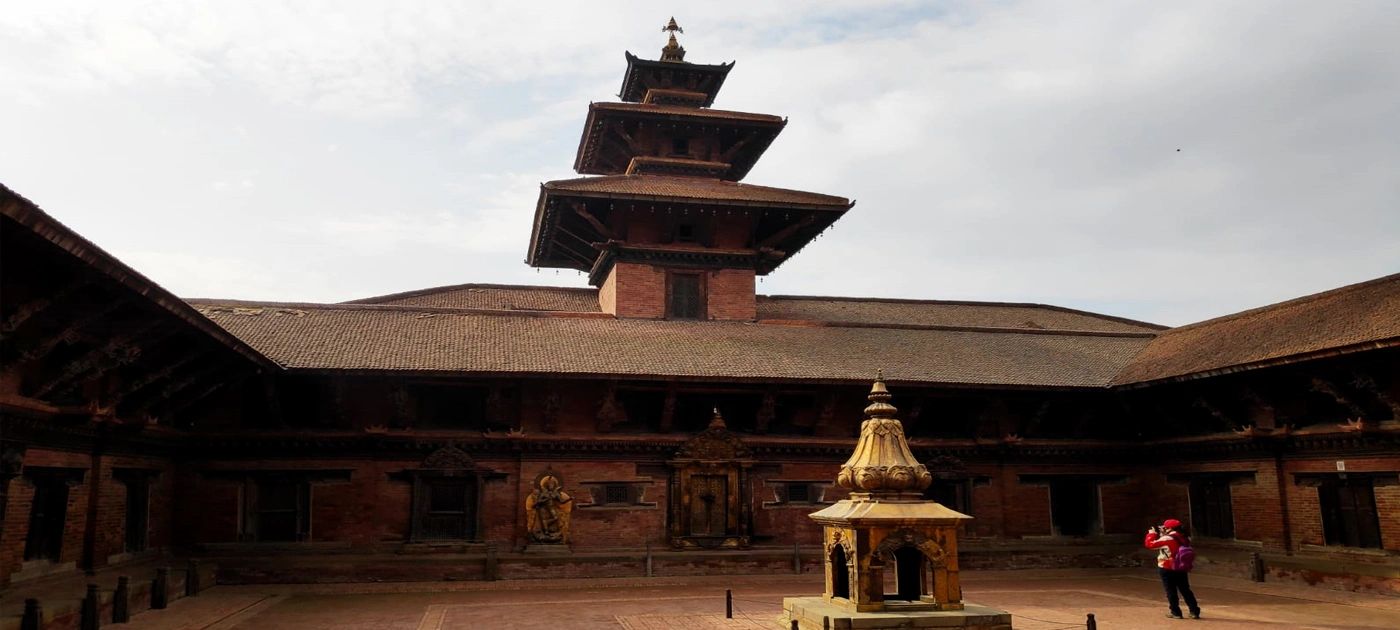
Kathmandu has been a popular tourist destination since the 1960s and 1970s, when it became an important stop on the famous Hippie Trail. Over the decades, the city has evolved into a vibrant cultural and tourism hub, attracting a wide range of visitors, from backpackers and adventure travelers to luxury tourists and expatriates. Its ancient temples, historic monuments, vibrant markets, and rich cultural heritage continue to fascinate visitors from around the world.
Legends of the Kathmandu Valley
The origin of the Kathmandu Valley is associated with fascinating legends from both Buddhist and Hindu traditions.
According to Buddhist tradition, the valley was once a large lake. The Buddhist sage Manjushri is believed to have traveled from China to worship at Swayambhunath. Seeing that the valley could become a suitable place for human settlement, he used his divine sword to cut a gorge through the southern hills, allowing the water to drain away. This legend is reflected in the logo of Kathmandu Metropolitan City, which features the divine sword of Sage Manjushri.
Hindu mythology offers a different account of the valley's creation. According to legend, Lord Krishna, a central figure in the Mahabharata, came to the region when the Kathmandu Valley was still a vast lake. He used his divine discus, known as the Sudarshan Chakra, to cut through the southern hills and create an opening through which the water could flow. After the lake was drained, the valley became suitable for human settlement. The cowherds, known as Gopals, who accompanied Krishna are traditionally regarded as among the earliest inhabitants of the valley.
Three Historic Cities of the Kathmandu Valley
Today, the Kathmandu Valley is home to three historic cities of exceptional cultural and architectural importance: Kathmandu, Lalitpur (Patan), and Bhaktapur (Bhadgaon). Together, these cities showcase Nepal's rich history, traditional Newari architecture, religious heritage, ancient temples, courtyards, and artistic traditions.
Situated at an elevation of approximately 1,324 meters above sea level, the Kathmandu Valley covers an area of about 218 square miles (565 square kilometers). The valley is one of Nepal's most important cultural and tourist destinations, offering visitors a remarkable combination of ancient heritage and modern urban life. Major tourist attractions in Kathmandu include.