The Annapurna Region Trek is located in the central Himalayas of Nepal and is one of the world's most popular trekking destinations. Renowned for its diverse landscapes, rich cultural heritage, and breathtaking mountain scenery, the region offers a wide variety of trekking routes suitable for beginners, experienced hikers, and everyone in between.
The Annapurna Region Trekking Highlights
Spectacular Mountain Views:
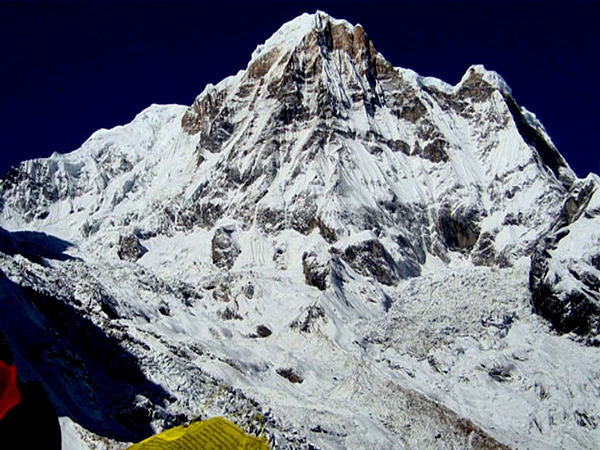
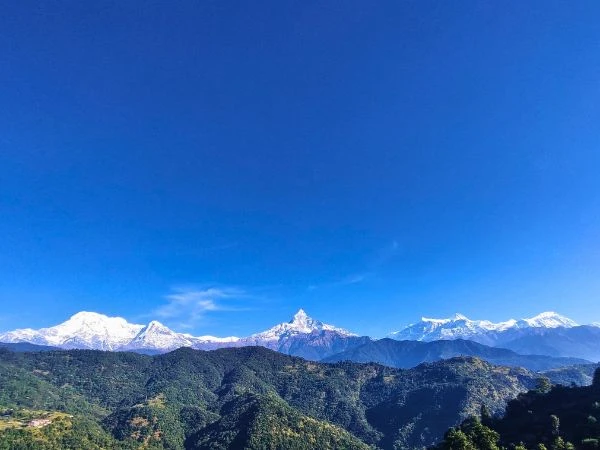
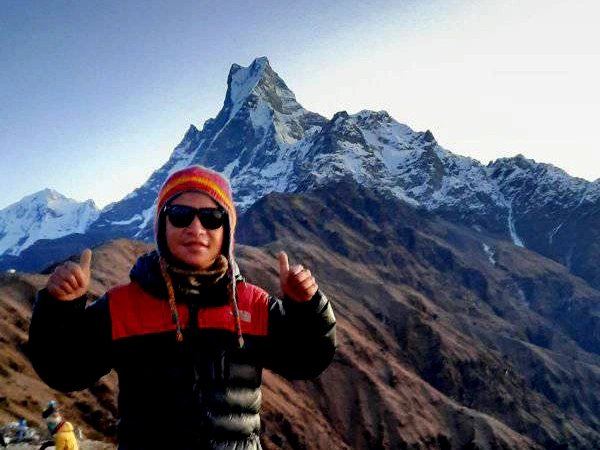
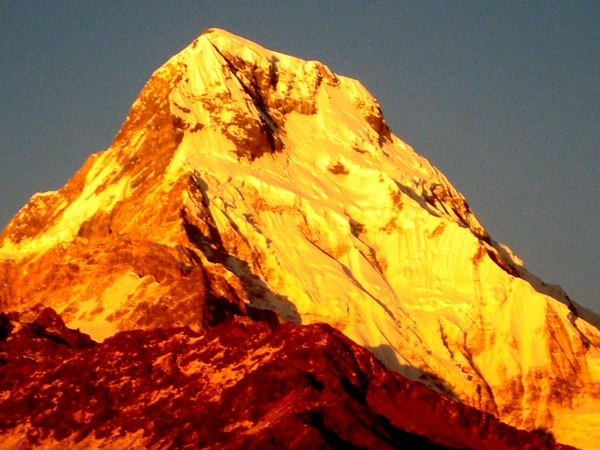
The Annapurna Region Trek offers breathtaking panoramas of some of Nepal's most iconic Himalayan peaks. Trekkers can enjoy stunning views of Annapurna I (8,091 m), Dhaulagiri (8,167 m), Annapurna II (7,937 m), Annapurna III (7,555 m), Annapurna South (7,219 m), Machhapuchhre (6,993 m), Lamjung Himal (6,983 m), Nilgiri (7,061 m), and Hiunchuli (6,441 m). These snow-capped mountains create some of the most unforgettable scenery in the Nepal Himalayas, making the Annapurna region a dream destination for trekkers and photographers alike.
Rich Cultural Experience:
The Annapurna Region Trek offers a unique opportunity to experience the rich cultural heritage of Nepal. Along the trekking trails, you'll meet the welcoming Gurung, Magar, and Thakali communities, renowned for their warm hospitality and traditional way of life. Staying in local teahouses, sharing authentic Nepali meals, and learning about their customs, festivals, and daily life add a meaningful cultural dimension to your Himalayan adventure.
Diverse Landscapes:
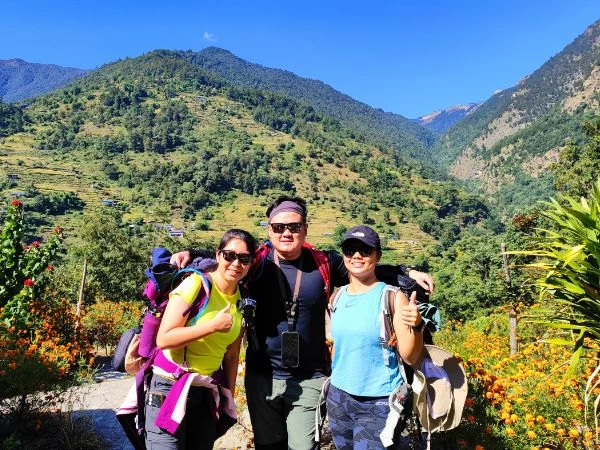
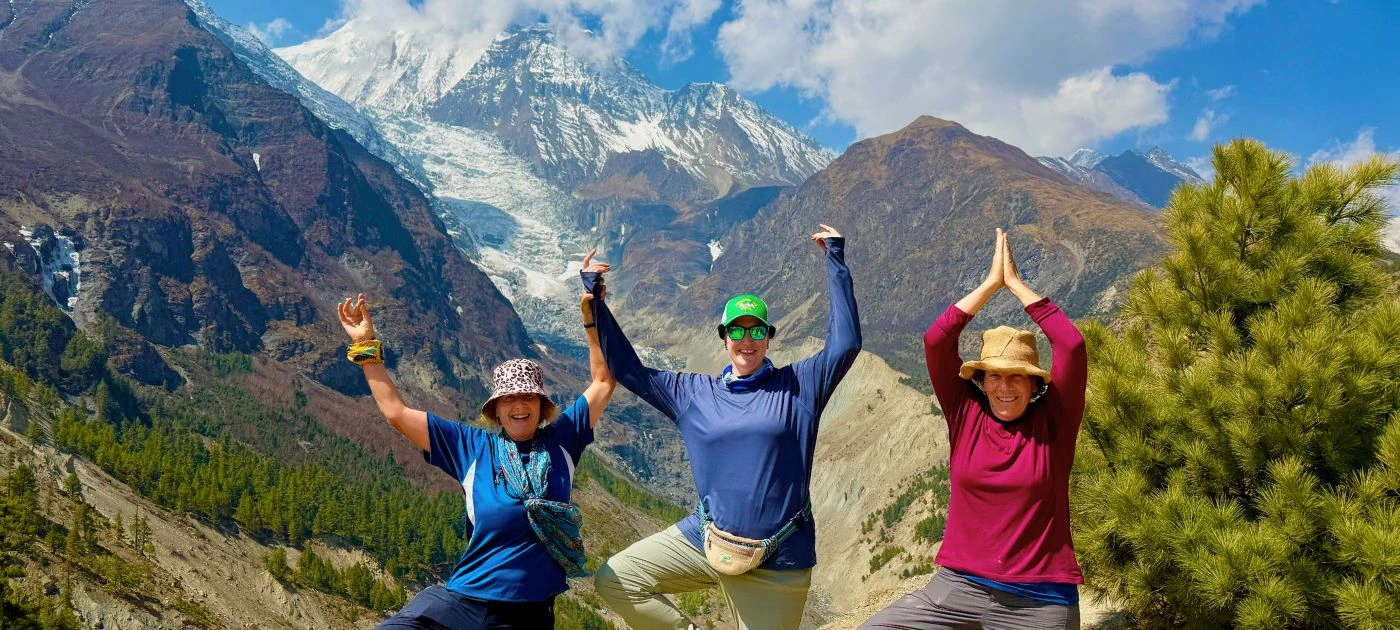
The Annapurna Region Trek showcases Nepal's incredible natural diversity, taking you through lush subtropical forests, terraced farmland, rhododendron woodlands, cascading waterfalls, alpine meadows, and rugged high-altitude landscapes. As you gain elevation, the scenery transforms dramatically into barren mountain terrain and glacial valleys, offering a constantly changing and unforgettable trekking experience in the Himalayas.
Well-Developed Trekking Infrastructure:
The Annapurna Region Trek is renowned for its excellent trekking infrastructure, making it one of the most accessible and comfortable trekking destinations in Nepal. Well-marked trails, cozy teahouses, comfortable lodges, reliable accommodation options, and convenient transportation to and from the trailheads ensure a safe and enjoyable experience for trekkers of all experience levels.
Popular Treks in the Annapurna Region:
We are providing information on some of the major trekking routes in the Annapurna Region, based on our experience.
Annapurna Circuit Trek
The trek duration: 10-20 days
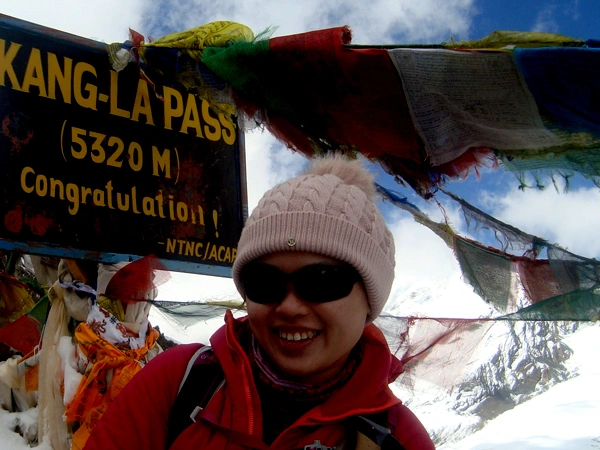
Maximum Altitude: 5,416 m (Thorong La Pass)
Trip Highlights: Crossing the world’s highest pass, Thorong La, diverse ecosystems, cultures, and the Kaligandaki Gorge.
Best Time: Spring (Mid-February to May), and Autumn (September to October/December mid)
Accommodation: Guesthouse and Teahouses
Food: Nepalese, Chinese, Indian, and Continental
Annapurna Base Camp (ABC) Trek
Trip duration: 7-12 days
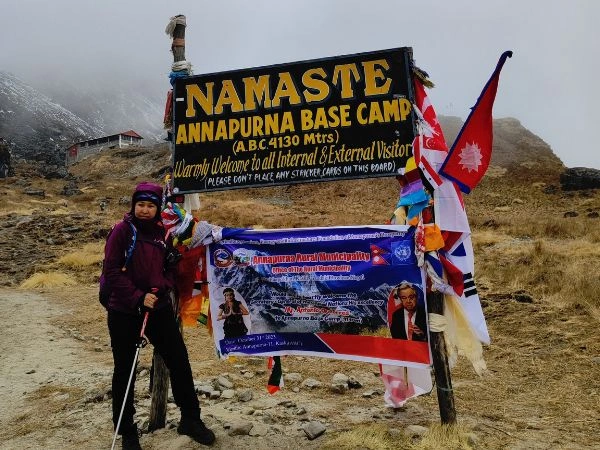
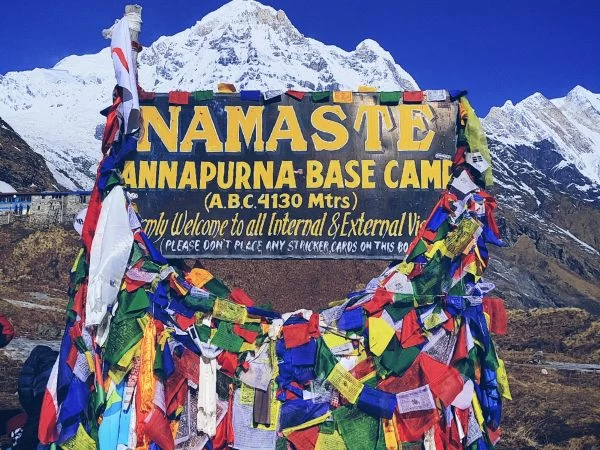
Max Altitude: 4,130 m (Annapurna Base Camp)
Highlights: Gurung and Magar culture, Spectacular mountain views, Machhapuchhare Base Camp, Annapurna Sanctuary, natural hot springs at Jhinu Danda, and the best view from Poon Hill if you’re using the Ghorepani trails.
Best Season: Spring and Autumn
Difficulties: Moderate
Place to Stay: Guesthouse/Teahouses
Ghorepani Poon Hill Trek
Trip duration: 4-6 days
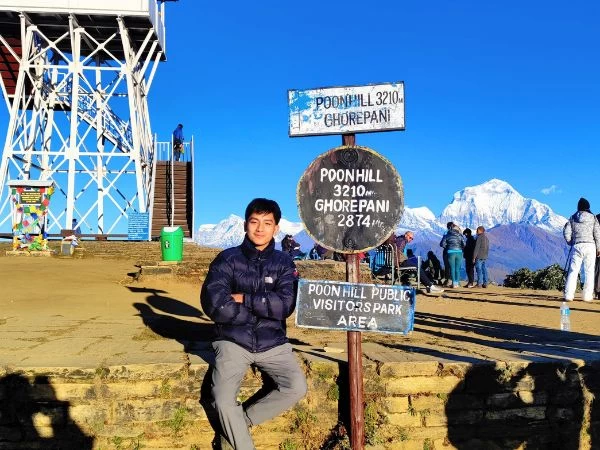
Maximum High Altitude: 3,210 m (Poon Hill)
Major trek Highlights: The trek is ideal for beginners. The remarkable Annapurna Himalaya ranges with the best sunrise views over the Annapurna and Dhaulagiri arrays.
Accommodation: Teahouses/Guesthouses
Best Time: February - May & September to December
Food: Available Nepalese, Chinese, Indian, and Continental
Mardi Himal Trek in Nepal
Trip duration: 5-7 days
Maximum Altitude: 4,500 m
Beautiful Highlights: Test of the trek to off-the-beaten-path, Magar-Gurung community mix culture, and stunning views of Annapurna and Machhapuchhare
Accommodation: Teahouses/Mountain Lodge
Trip Grade: Moderate
Khopra Danda Trek
Trip duration: 6-10 days
Maximum High-altitude: 3,660 m
Trek Highlights: The trek through parts of the homestay, with a mix of cultural heritage, offers amazing close-up mountain views (Himalayas) and a visit to the popular religious Khayer Lake.
Accommodation: Homestay | Teahouses
Trip Difficulties: Moderate
Best Time to Trek in the Annapurna Region
The Annapurna Region Trek can be enjoyed year-round, as each of Nepal's four seasons offers a unique trekking experience. From colorful spring blooms to crystal-clear autumn skies and peaceful winter trails, every season showcases the beauty of the Nepal Himalayas differently.
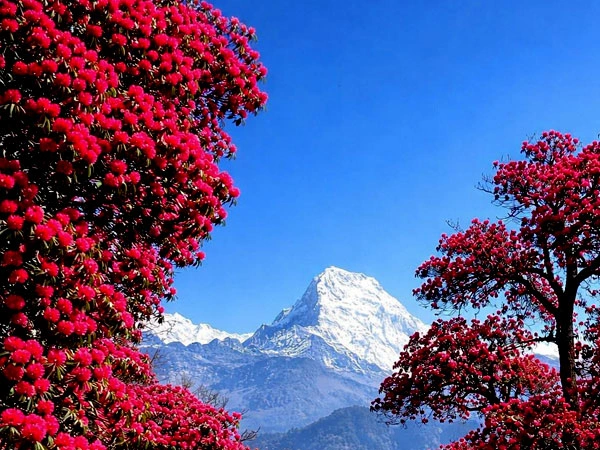
1. Spring (March to May): Spring is one of the best times to trek in the Annapurna region. The weather is mild, rhododendron forests are in full bloom, and the mountain views are exceptionally clear. This season is ideal for popular routes such as the Annapurna Base Camp Trek and Annapurna Circuit Trek.
2. Summer/Monsoon (June to August): The monsoon season brings lush green landscapes, cascading waterfalls, and fewer trekkers. While rain is common, rain-shadow areas such as Upper Mustang and Nar Phu Valley remain excellent trekking destinations during this period.
3. Autumn (September to November): Autumn is the peak trekking season in the Annapurna region. Stable weather, comfortable temperatures, excellent visibility, and spectacular Himalayan views make it the most popular time for trekking in Nepal.
4. Winter (December to February): Winter offers peaceful trails, crisp mountain air, and snow-covered landscapes. Although higher passes may receive heavy snowfall, lower-elevation treks such as Ghorepani Poon Hill and Mardi Himal remain excellent options for winter adventures.
No matter when you visit, the Annapurna Region Trek promises unforgettable mountain scenery, rich cultural encounters, and one of the finest trekking experiences in the Nepal Himalayas.
Additional Information About the Annapurna Region Trek
Before embarking on the Annapurna Region Trek, it is important to prepare for a safe and enjoyable journey. Here are a few essential details to help you plan your adventure:
1. Trekking Permit: All trekkers must obtain an Annapurna Conservation Area Permit (ACAP) before entering the Annapurna Conservation Area. Depending on your trekking route and nationality, additional permits may also be required for restricted areas.
2. Getting There: Most Annapurna Region Treks begin from Pokhara, the gateway to the Annapurna Himalayas. Pokhara is easily accessible from Kathmandu by a scenic tourist bus, private vehicle, or a short domestic flight. Some trekking routes also start directly from Kathmandu or nearby trailheads connected by road.
3. Fitness Level: The required fitness level depends on the trekking route you choose. Shorter treks, such as Ghorepani Poon Hill or Mardi Himal, are suitable for trekkers with a basic level of fitness. More demanding adventures, including the Annapurna Circuit Trek and Annapurna Base Camp Trek, require good physical endurance, regular walking practice, and proper acclimatization to higher altitudes.
With proper planning, the right permits, and a suitable level of fitness, the Annapurna Region Trek offers an unforgettable journey through spectacular Himalayan landscapes, diverse cultures, and some of Nepal's most iconic mountain scenery.