7
Days

Annapurna Base Camp Trek from Pokhara

151 Reviews in TripAdvisor
38 Reviews in Google Reviews

7-day Annapurna Base Camp Trek from Pokhara offers an unforgettable journey through the heart of the Annapurna Conservation Area. From traditional Gurung villages and rhododendron forests to the spectacular Annapurna Sanctuary and the iconic Annapurna Base Camp, this trek combines breathtaking Himalayan scenery, rich local culture, comfortable teahouse accommodation, and a rewarding adventure suitable for trekkers with a moderate level of fitness. It remains one of the most popular trekking experiences in Nepal for those seeking close-up mountain views without technical climbing.

Duration
7 Days
Trip Grade
Moderate
Country
Nepal
Maximum Altitude
4130 m | 13, 549ft
Group Size
Minimum 2 - 10 people
Starts
Pokhara
Ends
Pokhara
Activities
Trekking
Best Time
Feb - May | Sept - December

Trek Highlights

  • Trek through the spectacular Annapurna Conservation Area.
  • Experience authentic Gurung and Magar mountain culture.
  • Explore picturesque villages such as Ghandruk and Chhomrong.
  • Walk beneath towering peaks and glaciers.
  • Witness unforgettable sunrise and sunset views over the Annapurna range.
  • Visit Machhapuchhre Base Camp (3,700 m).
  • Relax in the natural hot springs at Jhinu Danda (optional).
  • Stay in traditional Himalayan teahouses.
  • Enjoy diverse landscapes ranging from subtropical forests to alpine wilderness.
  • Reach Annapurna Base Camp at 4,130 meters.

Trek Overviews

The Annapurna Base Camp (ABC) trek is another of Nepal’s most iconic trekking adventure in the Annapurna region, which takes hikers into the heart of the Annapurna Sanctuary. This trek itinerary is best for a short trek in Nepal and for those who want to book their own hotel in Kathmandu and Pokhara. Our experienced trek guide and trek porter will help you reach the 4,130-meter-high Annapurna Base Camp. From there, we can see the best mountain views, wonderful sunrise, and sunset.

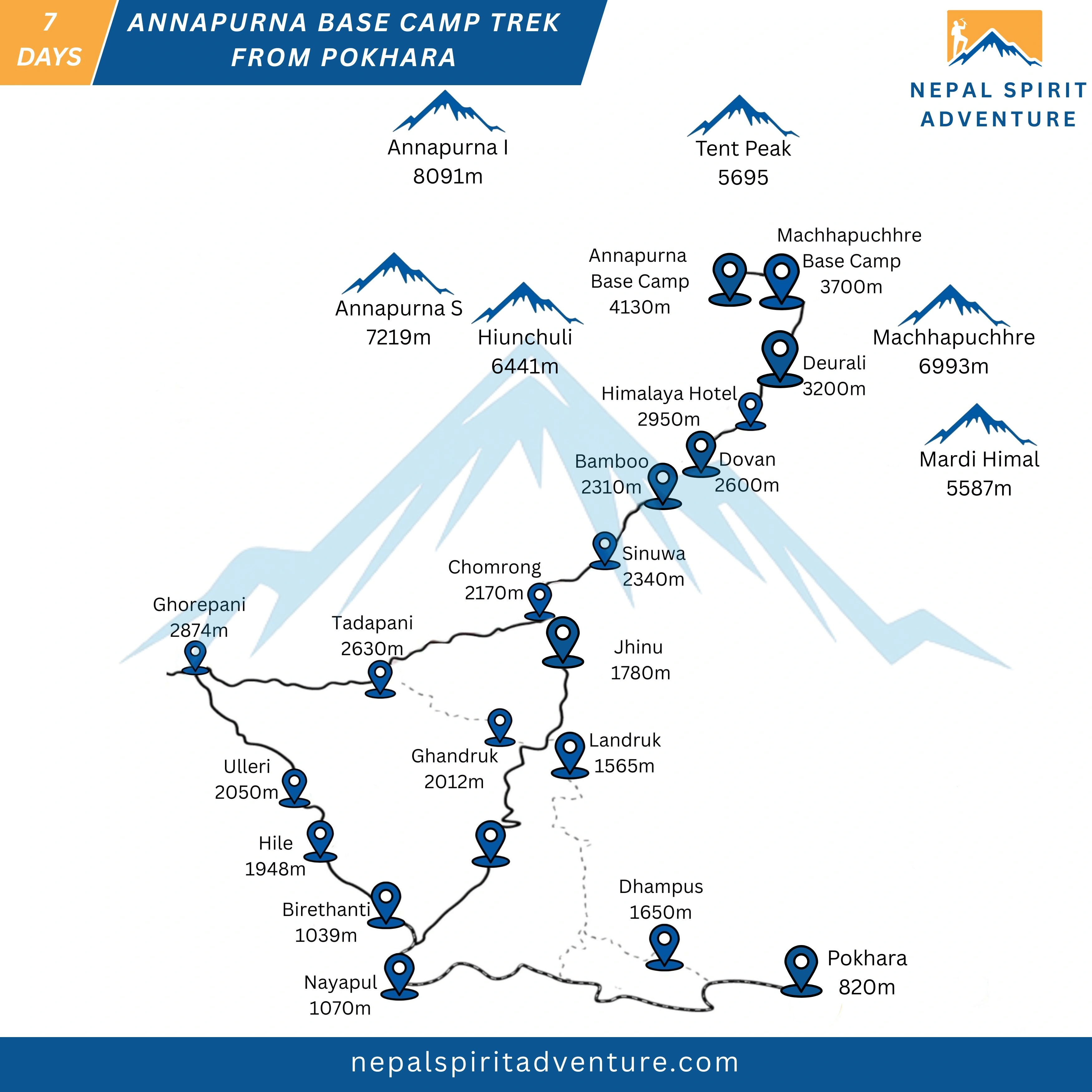
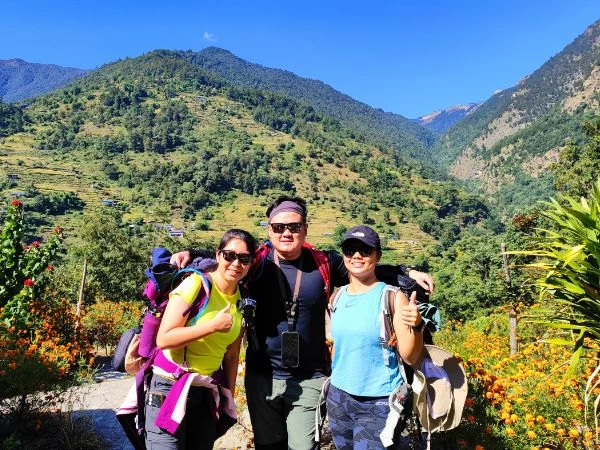
Annapurna Base Camp Trekking itinerary starts and ends in Pokhara; the trek passes through charming Magar and Gurung villages, terraced farmlands, lush rhododendron forests, and alpine landscapes before reaching Annapurna Base Camp.

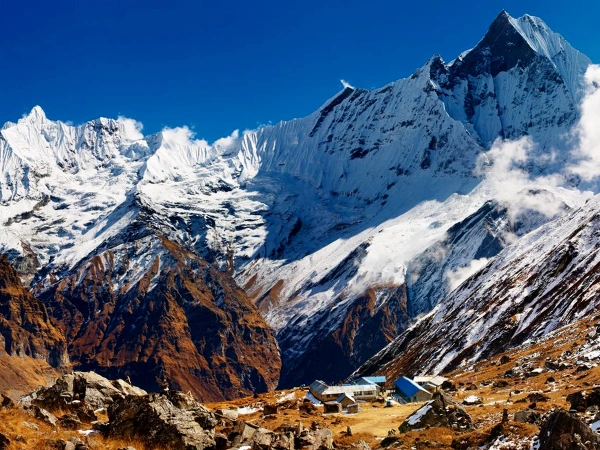
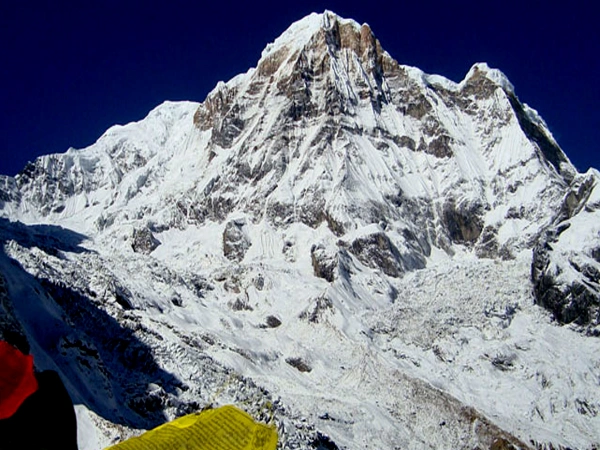
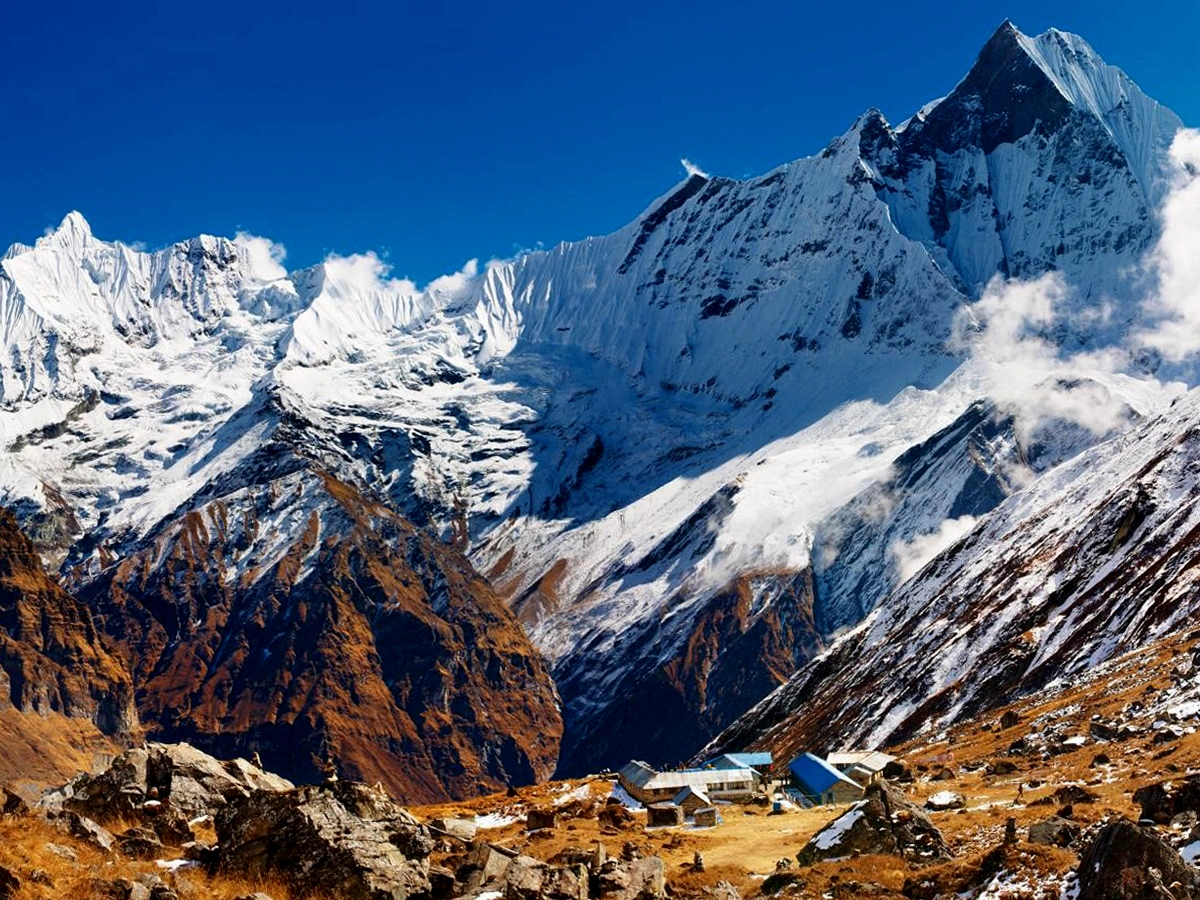
Unlike many Himalayan treks, ABC offers the rare opportunity to stand inside a natural amphitheater surrounded by some of the world’s mountains, including Annapurna I (8,091 m), Annapurna South, Hiunchuli, and Machhapuchhre (Fishtail-holy mountain). The trek is best for nature lovers, first-time Himalayan trekkers, photographers, those exploring local culture, and adventure enthusiasts.

Annapurna Base Camp Trekking Difficulty

The Annapurna Base Camp (ABC) trek is considered a moderately difficult trekking adventure, making it suitable for hikers with a reasonable level of fitness and some prior trekking experience. The overall difficulty depends largely on the itinerary you choose.

Trekkers who opt for a shorter itinerary from Pokhara should be prepared for longer days on the trail. To complete the trek within a limited timeframe, it is often necessary to walk 7–8 hours or more each day, which can be physically demanding, especially during long ascents and descents.

In addition to the daily hiking distances, the trek reaches an altitude of 4,130 meters (13,550 feet) at Annapurna Base Camp, where the thinner air can make walking more challenging. While the altitude is lower than in many Himalayan expeditions, proper acclimatization, a steady pace, and good physical preparation are still important.

Although some trekkers have varying opinions about the quality of services and hospitality along different routes, the Annapurna Base Camp Trek offers a well-established network of teahouses that provide comfortable accommodation and meals throughout the journey.

Overall, the Annapurna Base Camp Trek is best described as moderately difficult. With good fitness, adequate preparation, and a well-planned itinerary, most trekkers can complete the journey safely while enjoying one of Nepal's most spectacular mountain landscapes.

Short Itinerary

Annapurna Base Camp Trek from Pokhara Itinerary

Start Point:Pokhara
End Point:Pokhara
Day01

Drive from Pokhara to Jhinu Danda and Trek to Chhomrong (2,170 m)

Your Annapurna Base Camp Trek from Pokhara begins with a scenic morning drive from Pokhara to Jhinu Danda (1,780 m), passing through picturesque villages, terraced rice fields, and winding mountain roads. The drive takes approximately 2.5–3 hours, offering beautiful views of the Annapurna foothills and the Modi Khola Valley.

Upon reaching Jhinu Danda, the trekking adventure starts with a gradual ascent through lush forests, traditional Gurung settlements, and stone staircases leading to Chhomrong (2,170 m). Chhomrong is the largest village on the Annapurna Base Camp route and serves as the gateway to the Annapurna Sanctuary.

Along the trail, you'll enjoy spectacular views of Machhapuchhre (Fishtail Mountain), Annapurna South, and Hiunchuli, while experiencing the warm hospitality of the local Gurung community. Chhomrong offers comfortable teahouses, delicious local meals, and unforgettable sunset views over the Himalayas, making it the perfect place to spend your first night on the trek.

Today's Highlights:

  • Scenic drive from Pokhara to Jhinu Danda
  • Trek through traditional Gurung villages
  • Panoramic views of Machhapuchhre, Annapurna South, and Hiunchuli
  • Experience authentic Himalayan teahouse hospitality
  • Overnight stay in Chhomrong (2,170 m)

Driving Distance: Approximately 65 km (2.5–3 hours)
Trekking Duration: 3–4 hours
Walking Distance: Approximately 5 km
Maximum Elevation: 2,170 m (Chhomrong)
Accommodation: Local teahouse/lodge
Meals: Lunch and dinner included

Day02

Trek from Chhomrong to Dovan (2,600 m)

After an early breakfast in Chhomrong (2,170 m), today's journey continues deeper into the Annapurna Sanctuary, following one of the most scenic sections of the Annapurna Base Camp Trek from Pokhara. The trail begins with a descent along a long stone staircase to Chhomrong Khola, where you cross a suspension bridge before climbing steadily to Sinuwa (2,340 m).

From Sinuwa, the trail enters dense forests of bamboo, oak, and rhododendron, creating a peaceful atmosphere with opportunities to spot Himalayan birds and other wildlife. The route passes through Bamboo (2,310 m) before continuing gradually uphill to Dovan (2,600 m). As you gain elevation, the landscape becomes cooler and more alpine, with towering cliffs and cascading waterfalls surrounding the trail.

Dovan is a small mountain settlement nestled in the forest, offering cozy teahouses where trekkers can relax and prepare for the higher elevations ahead. The tranquil surroundings and fresh mountain air make it an ideal overnight stop before continuing toward Machhapuchhre Base Camp.

Today's Highlights

  • Descend to Chhomrong Khola and cross a scenic suspension bridge.
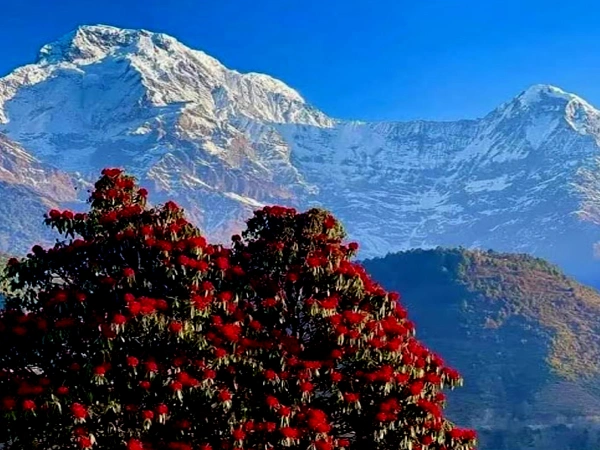
  • Trek through lush bamboo and rhododendron forests.
  • Pass traditional teahouses at Sinuwa and Bamboo.
  • Enjoy peaceful Himalayan landscapes and waterfalls.
  • Overnight stay at Dovan (2,600 m).

Trekking Duration: 6–7 hours
Walking Distance: Approximately 11 km
Maximum Elevation: 2,600 m (Dovan)
Difficulty: Moderate to Challenging
Accommodation: Teahouse/Lodge
Meals: Breakfast, Lunch, and Dinner

Day03

Trek from Dovan to Machhapuchhre Base Camp (MBC) (3,700 m)

After breakfast in Dovan, the trek continues higher into the heart of the Annapurna Sanctuary, where the scenery becomes increasingly dramatic. The trail follows the Modi Khola through dense bamboo and rhododendron forests before gradually emerging above the tree line into an alpine landscape.

Along the way, you'll pass the small settlements of Himalaya (2,920 m) and Deurali (3,230 m), both popular rest stops for trekkers. Beyond Deurali, the valley narrows as you walk beneath towering cliffs, glacial streams, and avalanche-prone slopes, offering spectacular views of the surrounding Himalayan peaks. As the altitude increases, the vegetation becomes sparse, replaced by rugged mountain terrain and breathtaking glacier-carved landscapes.

A steady climb brings you to Machhapuchhre Base Camp (MBC) at 3,700 meters, one of the most scenic viewpoints on the entire trek. Although climbing Mount Machhapuchhre (Fishtail) is prohibited because of its sacred status, MBC offers incredible panoramic views of Machhapuchhre (6,993 m),Annapurna South (7219 m), Hiunchuli (6,441 m), Gangapurna (7,454 m), and the surrounding snow-covered peaks.

Spend the evening enjoying the peaceful atmosphere and watching the changing colors of the mountains as the sun sets. Resting at MBC also helps your body acclimatize before the final ascent to Annapurna Base Camp the following day.

Today's Highlights

  • Trek through the beautiful Annapurna Sanctuary.
  • Pass Himalaya and Deurali villages.
  • Experience dramatic alpine scenery and glacial valleys.
  • Enjoy panoramic views of Machhapuchhre, Annapurna South, Hiunchuli, and Gangapurna.
  • Overnight stay at Machhapuchhre Base Camp (3,700 m).

Trekking Duration: 5–6 hours
Walking Distance: Approximately 10 km
Maximum Elevation: 3,700 m (Machhapuchhre Base Camp)
Difficulty: Moderate to Challenging
Accommodation: Teahouse/Lodge
Meals: Breakfast, Lunch, and Dinner

Day04

Trek from Machhapuchhre Base Camp (MBC) to Annapurna Base Camp (ABC) (4,130 m)

Today is the most anticipated day of the Annapurna Base Camp Trek from Pokhara as you make the final ascent to Annapurna Base Camp (4,130 m). After an early breakfast at Machhapuchhre Base Camp (3,700 m), the trail gradually climbs through the spectacular Annapurna Sanctuary, surrounded by towering snow-capped peaks and glacial moraines.

The trek from MBC to ABC is relatively short but incredibly rewarding. As you gain altitude, the landscape opens into a magnificent natural amphitheater with uninterrupted views of some of the highest mountains in the world. Along the route, you'll be treated to breathtaking panoramas of Annapurna I (8,091 m), Annapurna South, Machhapuchhre (Fishtail), Hiunchuli, Gangapurna, Tent Peak (Tharpu Chuli), and several other Himalayan giants.

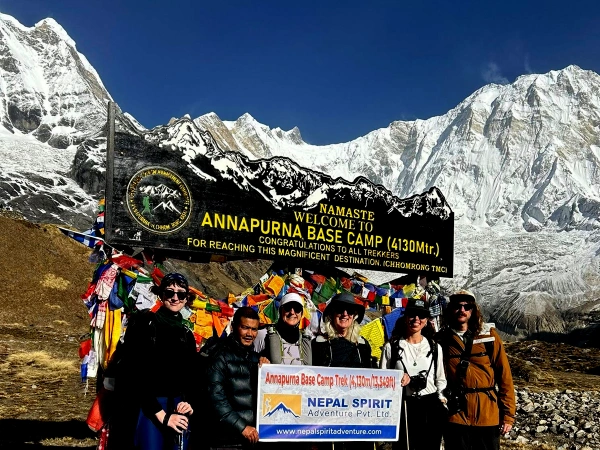
Upon reaching Annapurna Base Camp, you'll stand at the foot of the world's tenth-highest mountain, surrounded by glaciers, icefalls, and towering Himalayan peaks in every direction. The peaceful atmosphere and awe-inspiring scenery make this one of Nepal's most unforgettable trekking destinations. Spend time exploring the base camp, taking photographs, and soaking in the incredible mountain views before enjoying a warm meal at the teahouse.

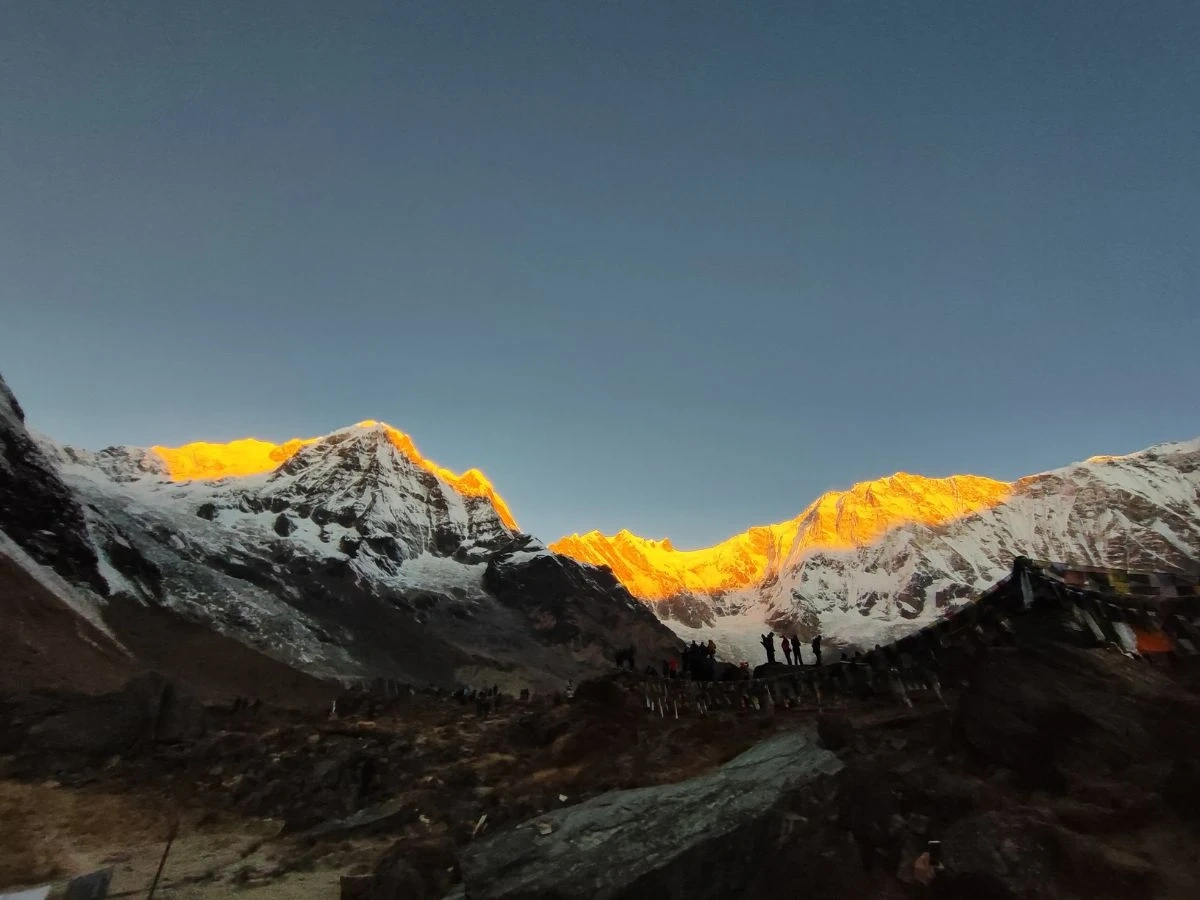
As evening approaches, witness a spectacular sunset over the Annapurna massif, where the snow-covered peaks glow in shades of gold and pink. An overnight stay at Annapurna Base Camp provides a truly memorable Himalayan experience beneath a sky filled with countless stars.

Today's Highlights

  • Trek through the breathtaking Annapurna Sanctuary.
  • Reach Annapurna Base Camp (4,130 m), the highest point of the trek.
  • Enjoy panoramic views of Annapurna I, Machhapuchhre, Annapurna South, Hiunchuli, Gangapurna, and Tent Peak.
  • Experience the unique glacier-filled landscape of the Annapurna Sanctuary.
  • Witness a stunning Himalayan sunset from Annapurna Base Camp.
  • Overnight stay at Annapurna Base Camp.

Trekking Duration: 2–3 hours
Walking Distance: Approximately 5 km
Maximum Elevation: 4,130 m (Annapurna Base Camp)
Difficulty: Moderate
Accommodation: Teahouse/Lodge
Meals: Breakfast, Lunch, and Dinner

Day05

Trek from Annapurna Base Camp (ABC) to Bamboo (2,310 m)

Wake up early to witness a breathtaking sunrise over Annapurna Base Camp (4,130 m), one of the most unforgettable moments of the Annapurna Base Camp Trek from Pokhara. As the first rays of sunlight illuminate Annapurna I (8,091 m), Machhapuchhre (Fishtail), Annapurna South, Hiunchuli, and Gangapurna, the snow-covered peaks glow in brilliant shades of gold and orange, creating an unforgettable Himalayan panorama.

After breakfast, begin your descent from Annapurna Base Camp, retracing the trail through Machhapuchhre Base Camp (3,700 m), Deurali (3,230 m), Himalaya (2,920 m), and Dovan (2,600 m) before reaching Bamboo (2,310 m). Descending to a lower elevation provides welcome relief from the thinner mountain air while offering a fresh perspective of the dramatic landscapes you passed on the ascent.

The trail winds through glacial valleys, cascading waterfalls, and lush bamboo and rhododendron forests, making today's trek both scenic and enjoyable. As you descend, you'll notice the return of dense vegetation and the soothing sounds of mountain streams flowing through the Annapurna Conservation Area.

Upon arrival in Bamboo, settle into a cozy teahouse and enjoy a well-earned rest surrounded by peaceful forests. The lower altitude and tranquil environment make Bamboo an ideal place to relax after reaching the trek's highest point.

Today's Highlights

  • Witness a spectacular sunrise at Annapurna Base Camp.
  • Descend through Machhapuchhre Base Camp, Deurali, Himalaya, and Dovan.
  • Enjoy stunning views of the Annapurna Sanctuary from a different perspective.
  • Trek through bamboo and rhododendron forests.
  • Overnight stay in the peaceful village of Bamboo (2,310 m).

Trekking Duration: 6–7 hours
Walking Distance: Approximately 14 km
Maximum Elevation: 4,130 m (Annapurna Base Camp)
Ending Elevation: 2,310 m (Bamboo)
Difficulty: Moderate (mostly downhill)
Accommodation: Teahouse/Lodge
Meals: Breakfast, Lunch, and Dinner

Day06

Trek from Bamboo to Jhinu Danda (1,780 m)

After breakfast in Bamboo (2,310 m), begin your descent through the lush forests of the Annapurna Conservation Area, enjoying the fresh mountain air and peaceful surroundings. Today's trek retraces the scenic trail through Sinuwa and Chhomrong, offering one last opportunity to admire the magnificent views of Annapurna South, Machhapuchhre (Fishtail), and Hiunchuli.

The route starts with a gradual climb to Sinuwa, followed by a descent along forested paths and stone staircases to Chhomrong Khola. After crossing the suspension bridge, you'll make a final uphill climb to Chhomrong, where many trekkers stop for lunch while taking in panoramic mountain views and the welcoming atmosphere of this traditional Gurung village.

From Chhomrong, the trail descends steeply to Jhinu Danda (1,780 m), a charming riverside village famous for its natural hot springs. If time permits, take a short walk (about 15–20 minutes downhill) to the Jhinu Hot Springs, where you can soak in the warm mineral-rich pools beside the Modi Khola River. Relaxing in the hot springs after several days of trekking is the perfect way to soothe tired muscles and celebrate the successful completion of your Himalayan adventure.

Spend the evening at a comfortable teahouse in Jhinu Danda, surrounded by beautiful forests and the peaceful sounds of the river.

Today's Highlights

  • Trek through bamboo, oak, and rhododendron forests.
  • Cross scenic suspension bridges over the Chhomrong Khola.
  • Enjoy panoramic views of Annapurna South, Machhapuchhre, and Hiunchuli.
  • Visit the famous Jhinu Hot Springs (optional).
  • Experience the warm hospitality of local teahouses in Jhinu Danda.
  • Overnight stay at Jhinu Danda (1,780 m).

Trekking Duration: 5–6 hours
Walking Distance: Approximately 10 km
Starting Elevation: 2,310 m (Bamboo)
Ending Elevation: 1,780 m (Jhinu Danda)
Difficulty: Moderate (mostly downhill with some uphill sections)
Accommodation: Teahouse/Lodge
Meals: Breakfast, Lunch, and Dinner

Day07

Drive from Jhinu Danda to Pokhara – End of the Annapurna Base Camp Trek

After enjoying breakfast at your teahouse in Jhinu Danda (1,780 m), it's time to bid farewell to the Himalayas. A short walk leads to the nearby roadhead, where you'll board a private vehicle or shared jeep for the scenic drive back to Pokhara, bringing your unforgettable Annapurna Base Camp Trek from Pokhara to a successful conclusion.

The drive follows the beautiful Modi Khola Valley, passing through traditional villages, terraced farmlands, and lush green hills before arriving in the lakeside city of Pokhara. Along the way, you'll have one last opportunity to admire the rural landscapes of the Annapurna region and reflect on the incredible journey through the Annapurna Sanctuary.

Upon arrival in Pokhara, check in to your hotel and enjoy a well-deserved rest. Spend the remainder of the day exploring the vibrant Lakeside area, relaxing by Phewa Lake, visiting local cafés and restaurants, or shopping for souvenirs. After several days in the mountains, Pokhara offers the perfect setting to celebrate the completion of one of Nepal's most rewarding trekking adventures.

With unforgettable memories of towering Himalayan peaks, welcoming mountain villages, lush forests, and the breathtaking Annapurna Base Camp (4,130 m), your trek comes to an end.

Highlights of The Day:

  • Final views of terraced hillsides and traditional Gurung villages.
  • Comfortable drive back through the Annapurna foothills.
  • Opportunity to enjoy Pokhara's lakeside restaurants, cafés, and accommodations after the trek.

Morning: Walk from Jhinu Danda to Siwai (or Nayapul, depending on road conditions and vehicle access).
Trek duration: Approximately 2–3 hours.
Drive to Pokhara: Around 2–3 hours by jeep or private vehicle.
Arrival in Pokhara: Afternoon, with time to relax, enjoy a hot shower, and celebrate the completion of the trek.
Meals: Breakfast and Lunch

Still Confuse?
No worries — we’re here to help. Whether you have questions or just need a bit more clarity, feel free to reach out. Our team is ready to guide you every step of the way.

Cost Details

Includes

Transportation

  • From Pokhara to Jhinu Danda (trek stats point) by private vehicle.
  • Jhinu Danda to Pokhara (trek end point) by private vehicle

Meals and Accommodation

  • Teahouse accommodation during the ABC trek.
  • Three meals per day during the trek (breakfast, lunch, dinner)
  • A cup of Tea or coffee is provided at breakfast time.
  • Seasonable fruit is provided for the trekking session.

Trek Staffs and Permit

  • Annapurna Base Camp trek route permit (ACAP).
  • Licensed English-speaking trekking guide.
  • Trek porter service (typically 1 porter for every 2 trekkers).
  • Staff daily wages: Food, accommodation, transportation, salary, and insurance.

Government Taxes and Company Service

  • Government taxes.
  • Company service charge.
  • Basic first-aid kit carried by the guide.

Excludes

  1. Travel insurance (including emergency evacuation).
  2. Personal trekking equipment
  3. All table drinks (soft drinks, alcohol, bottled water, and tea-coffee)
  4. Hot showers and Wi-Fi charges on the trail
  5. Battery charging fees
  6. Personal expenses
  7. Tips for guides and porters
Select Departure Dates
Jul 2026
Aug 2026
Sep 2026
Oct 2026
Nov 2026
Dec 2026
Jan 2027
Feb 2027
Mar 2027
Apr 2027
May 2027
Jun 2027
Jul 2027
Aug 2027
Sep 2027
Oct 2027
Nov 2027
Dec 2027
Departure Date
Starts: Jul 27, 2026Ends: Aug 02, 2026
Status
Available
Confirm
Price
US$490

Trek Departure Dates

Our published Annapurna Base Camp Trek from Pokhara departure dates are 100% guaranteed to operate once confirmed. You can book any of the scheduled departures listed on our website with confidence, whether you are traveling solo, with friends, or as part of a group.

If our scheduled departure dates do not match your travel plans in Nepal, don't worry. Simply contact us, and we will be happy to arrange a custom departure date that fits your itinerary.

For travelers seeking greater flexibility, we also offer private Annapurna Base Camp treks. Private departures can be organized on any date throughout the year, allowing you to choose your preferred travel schedule, pace, and group size. Whether you are a solo traveler, couple, family, or private group, we can tailor the trek to meet your needs.

Departure Options

  • Guaranteed Group Departures with fixed dates.
  • Private Trek Departures available every day of the year.
  • Flexible departures for solo travelers, couples, families, and groups.
  • Custom itineraries available to match your Nepal travel schedule.

Need a different departure date? Contact our team, and we'll create a personalized Annapurna Base Camp Trek from Pokhara itinerary that perfectly suits your preferred travel dates and trekking requirements.

Essential Information

Best Trekking Seasons

Spring (March–May):

  • Excellent
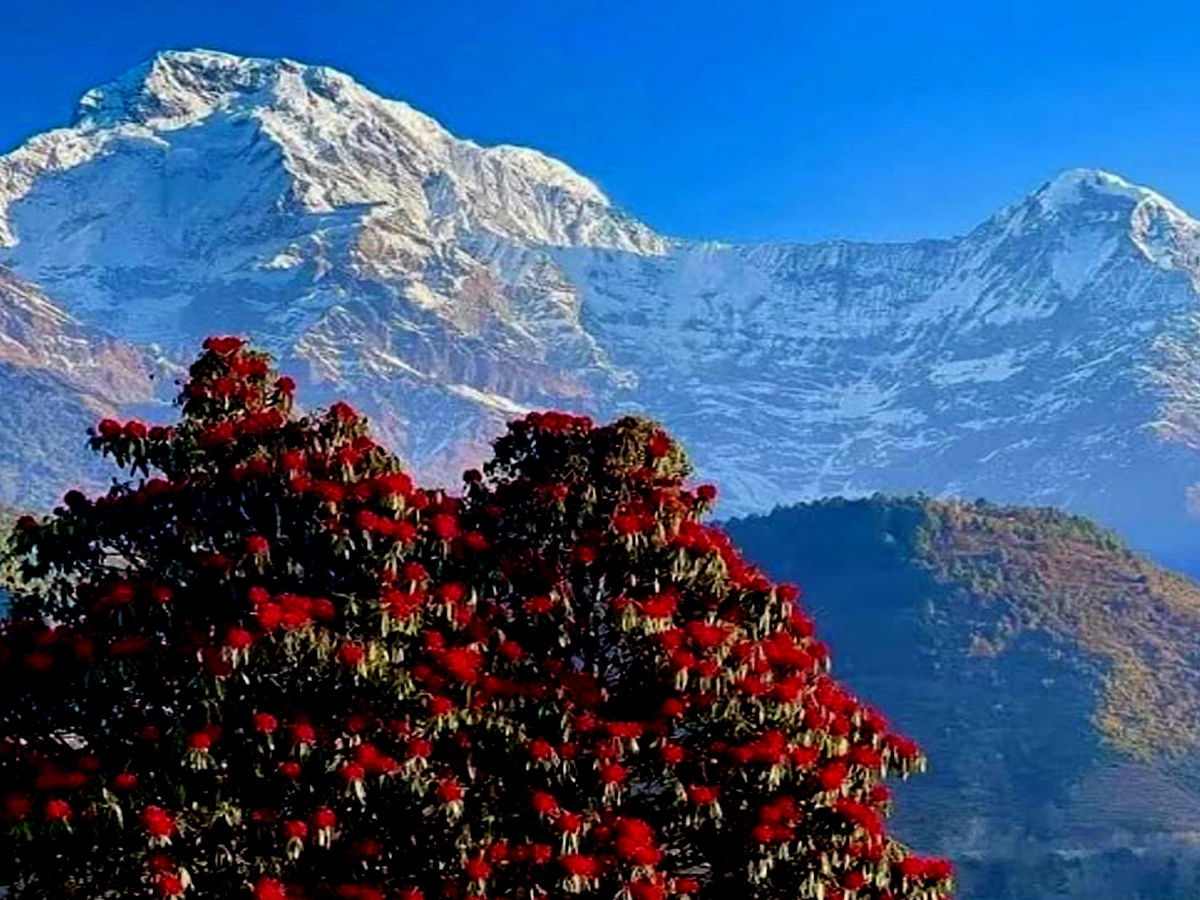
  • Rhododendron forests in bloom
  • Pleasant temperatures
  • Clear mountain views
  • Ideal for photography

Autumn (September–November)

Best Overall

  • Crystal-clear skies
  • Stable weather
  • Spectacular Himalayan panoramas
  • The most popular trekking season

Winter (December–February)

  • Good for experienced trekkers
  • Snow-covered landscapes
  • Fewer crowds
  • Colder temperatures

Monsoon (June–August)

  • Less Recommended
  • Frequent rain
  • Slippery trails
  • Leeches in the lower forests
  • Lush greenery and fewer trekkers

Why Is the Annapurna Base Camp Trek So Popular?

The ABC Trek consistently ranks among Nepal's most popular trekking routes because it combines dramatic Himalayan scenery with accessible trekking and rich cultural experiences.

Its popularity comes from several factors:

  • Close-up Himalayan views: Trekkers are surrounded by peaks exceeding 7,000–8,000 meters.
  • Accessible from Pokhara: The trailhead is only a few hours' drive from Nepal's adventure capital.
  • Moderate difficulty: It is achievable for many people with reasonable fitness, without requiring technical climbing.
  • Rich cultural encounters: The route passes through welcoming Gurung and Magar villages with traditional hospitality.
  • Varied landscapes: The scenery changes from rice terraces and subtropical forests to glaciers and alpine terrain.
  • Comfortable teahouse trekking: Lodges along the route provide meals and accommodation, reducing the need to carry camping gear.
  • Excellent value: Compared with many other high-altitude treks, ABC offers an outstanding balance of scenery, accessibility, and affordability.
  • Year-round appeal: While spring and autumn are the peak seasons, the trek can be enjoyed in multiple seasons with appropriate preparation.

Who Should Choose This Trek?

The Annapurna Base Camp Trek is ideal for:

  • First-time trekkers seeking a Himalayan adventure.
  • Couples, families with older children, and small groups.
  • Solo travelers joining guided groups.
  • Photographers and nature enthusiasts.
  • Experienced hikers looking for a rewarding trek without technical mountaineering.

Reaching Annapurna Base Camp places you in the center of the Annapurna Sanctuary, where towering snow-capped peaks form a spectacular natural amphitheater—making it one of Nepal's most memorable trekking experiences.

Equipments

Recommended Trekking Equipment for the Annapurna Base Camp Trek from Pokhara

Packing the right gear is essential for a safe and comfortable Annapurna Base Camp Trek from Pokhara. Since the trek reaches an altitude of 4,130 meters, temperatures can vary from warm and sunny during the day to below freezing at night. Dressing in layers and carrying lightweight, high-quality equipment will help you enjoy the trek in all weather conditions.

Clothing

Base Layers:

  1. Moisture-wicking thermal tops (2)
  2. Thermal leggings (1–2 pairs)
  3. Quick-dry T-shirts (2–3)

Insulating Layers:

  1. Fleece jacket or pullover
  2. Lightweight down or insulated jacket
  3. Warm sweater (optional)

Outer Layer:

  1. Waterproof and windproof jacket (Gore-Tex or similar)
  2. Waterproof trekking pants or rain pants

Trekking Pants

  1. Lightweight trekking pants (2 pairs)
  2. Comfortable shorts (optional for lower elevations)

Underwear

  1. Quick-dry underwear (4–5 pairs)
  2. Sports bra (if required)

Headwear

  1. Sun hat or cap
  2. Warm wool or fleece beanie
  3. Buff or neck gaiter

Gloves

  1. Lightweight trekking gloves
  2. Insulated waterproof gloves (spring, autumn, or winter)

Socks

  1. Trekking socks (4–5 pairs)
  2. Warm wool socks (2 pairs)

Footwear

  1. Waterproof trekking boots with good ankle support
  2. Lightweight camp shoes or sandals
  3. Gaiters (optional during snow or monsoon)

Backpack & Storage

  1. 30–40L daypack
  2. 50–70L duffel bag (if using a porter)
  3. Rain cover for backpack
  4. Dry bags or waterproof stuff sacks

Sleeping Gear

  1. Four-season sleeping bag (rated to -10°C to -15°C)
  2. Sleeping bag liner (optional)
  3. Lightweight travel pillow (optional)

Trekking Essentials

  1. Trekking poles (highly recommended)
  2. Reusable water bottles (2 liters total)
  3. Hydration bladder (optional)
  4. Water purification tablets or a portable filter
  5. Headlamp with spare batteries
  6. Sunglasses with UV protection
  7. Sunscreen (SPF 50+)
  8. Lip balm with SPF
  9. Pocket knife or multi-tool
  10. Lightweight towel

Personal Toiletries

  1. Toothbrush and toothpaste
  2. Soap or biodegradable body wash
  3. Shampoo (travel size)
  4. Wet wipes
  5. Hand sanitizer
  6. Toilet paper
  7. Moisturizer
  8. Nail clipper
  9. Comb or hairbrush
  10. Female hygiene products (if required)

Personal First Aid Kit

  1. Personal prescription medications
  2. Diamox (consult your doctor before use)
  3. Pain relievers
  4. Bandages and blister plasters
  5. Antiseptic cream
  6. Elastic bandage
  7. Anti-diarrheal medication
  8. Oral rehydration salts (ORS)
  9. Cold and flu medicine
  10. Insect repellent (especially in spring and monsoon)

Electronics

  1. Mobile phone
  2. Camera and spare batteries
  3. Power bank (10,000–20,000 mAh)
  4. Charging cables
  5. Universal travel adapter
  6. Extra memory card

Important Documents

  1. Passport (original)
  2. Nepal visa copy
  3. Travel insurance
  4. Trekking permits (ACAP and other required permits)
  5. Passport-size photos
  6. Emergency contact details
  7. Cash in Nepalese Rupees (ATMs are not available on the trekking trail)

Optional Items

  1. Binoculars
  2. Journal and pen
  3. Playing cards
  4. Energy bars or trail snacks
  5. Lightweight book or e-reader
  6. Small sewing kit

Equipment Available for Rent in Pokhara

If you don't want to carry bulky gear, you can easily rent many items in Pokhara, including:

  1. Sleeping bag
  2. Down jacket
  3. Trekking poles
  4. Duffel bag
  5. Gaiters
  6. Microspikes (winter season)

Packing Tips

  • Pack light and keep your total luggage under 10–12 kg if using a porter.
  • Wear moisture-wicking layers instead of heavy cotton clothing.
  • Keep important documents, valuables, and electronics in your daypack.
  • Carry enough cash for drinks, Wi-Fi, hot showers, charging, and personal expenses on the trail.
  • Protect electronics and clothing with waterproof bags during rain or snowfall.

With the right equipment, the Annapurna Base Camp Trek from Pokhara becomes safer, more comfortable, and more enjoyable, allowing you to fully experience the breathtaking scenery and unique culture of Nepal's Annapurna region.

Annapurna Base Camp Trek from Pokhara FAQs

The 7-day Annapurna Base Camp (ABC) Trek from Pokhara is generally rated as moderately difficult. It is suitable for anyone with a good level of physical fitness and the ability to walk 6–7 hours a day at a steady pace.

The trail consists of a mix of stone staircases, gradual ascents, and descents, with only a few steep uphill sections. The highest point of the trek is Annapurna Base Camp (4,130 meters / 13,550 feet), which is below 5,000 meters. Although the risk of altitude sickness is lower than on higher Himalayan treks, trekkers should still maintain a steady pace, stay well-hydrated, and follow proper acclimatization practices.

With adequate preparation and a well-planned itinerary, most first-time trekkers and experienced hikers can comfortably complete the 7-day ABC Trek.

Yes. Although the 7 Days Annapurna Base Camp Trek is suitable for most people with a reasonable level of fitness, preparing in advance will make your experience more enjoyable and comfortable.

It is recommended to begin cardiovascular training at least 2–4 weeks before the trek. Activities such as brisk walking, hiking, jogging, running, cycling, stair climbing, or light gym workouts can help improve your endurance and stamina.

In addition to regular exercise, maintain a balanced diet, stay well-hydrated, and get adequate rest before your trip. If possible, practice walking for several hours with a light backpack to simulate trekking conditions.

With proper preparation and a positive mindset, you'll be well-equipped to enjoy the Annapurna Base Camp Trek safely and comfortably.

Yes, you can trek to Annapurna Base Camp during the winter season (December to February). In fact, winter is an excellent time for those who prefer quieter trails, fewer trekkers, and breathtaking views of the snow-covered Himalayan peaks.

The weather is generally stable, with clear skies and excellent mountain visibility. However, temperatures can be very cold, especially at higher elevations and during the night, often dropping below freezing at Annapurna Base Camp. Therefore, it is essential to pack warm clothing, insulated layers, gloves, a winter hat, and a suitable sleeping bag.

If you are comfortable trekking in cold weather and are well-prepared with the right gear, the winter season offers a peaceful and rewarding Annapurna Base Camp trekking experience away from the crowds of spring and autumn.

Yes, the 7-Day Annapurna Base Camp Trek can be suitable for both children and senior trekkers, provided they are in good health, physically fit, and adequately prepared for several days of walking at higher elevations.

Our (Nepal Spirit Adventure) experienced trekking guides and porters provide support throughout the journey, monitor the group's pace, and assist in overcoming any challenges along the trail. We carefully plan the trek to ensure the safety and comfort of all participants.

We have successfully guided families with children as well as elderly trekkers to Annapurna Base Camp. However, we recommend consulting a doctor before the trek, especially for young children, senior citizens, or anyone with pre-existing medical conditions. Choosing the right itinerary and trekking at a comfortable pace are key to a safe and enjoyable experience.

The highest point of the Annapurna Base Camp Trek is 4,130 meters (13,550 feet). Since the risk of Acute Mountain Sickness (AMS) generally increases above 3,000 meters, there is a possibility of experiencing altitude-related symptoms during the trek.

To minimize this risk, we follow a carefully planned itinerary with a gradual ascent, encourage a steady walking pace, and ensure trekkers stay well-hydrated and properly acclimatized. Our experienced guides are trained to recognize the early signs of altitude sickness and will take appropriate action if any symptoms develop.

While most trekkers complete the Annapurna Base Camp Trek without serious altitude-related issues, it is essential to purchase comprehensive travel insurance before your trip. Your policy should include high-altitude trekking coverage (up to at least 4,500 meters), emergency helicopter evacuation, medical treatment, and accident coverage.

With proper preparation, responsible trekking practices, and experienced guides, the risk of altitude sickness can be significantly reduced, allowing you to enjoy a safe and memorable trekking experience.

Accommodation during the Annapurna Base Camp Trek is provided in comfortable teahouses and mountain lodges along the trekking route. These teahouses offer basic facilities, including clean rooms, beds, blankets, and shared or private bathrooms depending on availability.

During the peak trekking seasons, accommodation at Annapurna Base Camp can become limited due to the high number of visitors. In some cases, trekkers may need to spend the night in the dining hall if rooms are fully occupied. Nepal Spirit Adventure makesevery effort to arrange comfortable accommodation and ensure the best possible experience for our guests.

Meals during the trek are served from a menu that includes a variety of local Nepali and Western cuisine. Trekkers can enjoy nutritious dishes such as Dal Bhat, noodles, pasta, soups, momos, rice dishes, bread, eggs, and hot beverages, providing the energy needed for long trekking days.

Yes, internet and hot shower facilities are available at most teahouses along the Annapurna Base Camp Trek route. However, these services usually come with an additional charge, especially at higher elevations.

Up to Chhomrong Village, internet access is generally available at little or no extra cost in many teahouses. Beyond Chhomrong, Wi-Fi services may require a small fee, and the connection can become slower and less reliable as you gain altitude.

Hot showers are also available in most teahouses, but the availability and cost may vary depending on the location. At higher altitudes, trekkers may need to pay extra for hot water due to the difficulty of providing these facilities in remote mountain areas.

While modern facilities are limited compared to cities, you can still stay connected and enjoy basic comforts throughout the Annapurna Base Camp Trek.

The best time to do the Annapurna Base Camp Trek is during the spring (March to May) and autumn (September to November) seasons. These months offer the most favorable weather conditions, making the trek more comfortable and enjoyable.

During spring and autumn, the weather is generally stable, with clear blue skies, excellent mountain views, and pleasant temperatures. The trails are also in their best condition, allowing trekkers to enjoy breathtaking views of the Annapurna and Dhaulagiri mountain ranges.

Although the Annapurna Base Camp Trek can be completed throughout the year, winter and monsoon seasons present additional challenges. Winter (December to February) brings extremely cold temperatures and snowfall at higher elevations, while the monsoon season (June to August) brings heavy rainfall, slippery trails, and reduced mountain visibility.

For the best trekking experience with comfortable weather and spectacular Himalayan scenery, we highly recommend planning your Annapurna Base Camp Trek during the spring or autumn seasons.

Nepal Spirit Adventure offers the Annapurna Base Camp Trek starting from Pokhara. We have confirmed departure dates for this trip. Please review our schedule, and you can choose a departure that suits your preference. Our team is available in both Kathmandu and Pokhara to assist you.

If you're looking to explore the Pokhara area, we recommend doing the Annapurna Base Camp Trek from there. Booking the trek from Pokhara will be more cost-effective, and you can easily adjust the itinerary to match your preferences, desires, and the length of your holiday.

Yes, the required trekking permits for the Annapurna Base Camp Trek from Pokhara are included in our trip package. Our team will arrange all necessary permits before the trek, so you can enjoy a hassle-free trekking experience.

The Annapurna region requires trekkers to have the appropriate permits, and we take care of the documentation process to ensure everything is prepared before your journey begins.

We offer private vehicle service from Pokhara to Jhinu Danda before you begin your hike to Annapurna Base Camp. After completing the trek, shared local jeep transportation is available to take you back from Jhinu Danda to Pokhara.

Tipping is not mandatory, but it is a common and appreciated practice in Nepal's trekking industry. At the end of your Annapurna Base Camp Trek, your guides, porters, and trekking crew will appreciate a tip as a gesture of gratitude for their hard work and support throughout the journey.

There is no fixed amount for tipping, and it usually depends on the length of the trek, the level of service provided, and your overall satisfaction. As a general guideline, many trekkers choose to tip around 10–15% of the total trip cost, which can be shared among the trekking team.

A tip is a meaningful way to recognize the dedication of your trekking crew, who help make your Himalayan adventure safe, comfortable, and memorable.

That's a good question! You can easily rent a sleeping bag and down jacket for your EBC trek in Kathmandu or Pokhara at a reasonable cost, typically around $1 to $2 per item per day.

The road is generally safe, but some parts are narrow and rough. Actually, the condition depends on the season, especially during the monsoon.
Moreover, experienced mountain drivers make the journey safer. Haven Holidays Nepal works only with trained drivers who know the terrain well. Therefore, traveling with a trusted company is the safest option.

Handpicked for You

Annapurna Circuit Trek-15 Days
Duration: 15 Days
5.0(25 Reviews)
Price From
US$1370
Best Selling
Annapurna Panorama Trek
Duration: 8 Days
5.0(10 Reviews)
Price From
US$760
10 Day Annapurna Base Camp Trek
Duration: 10 Days
5.0(3 Reviews)
Price From
US$890
Need Help? Call Us+977 9851072590