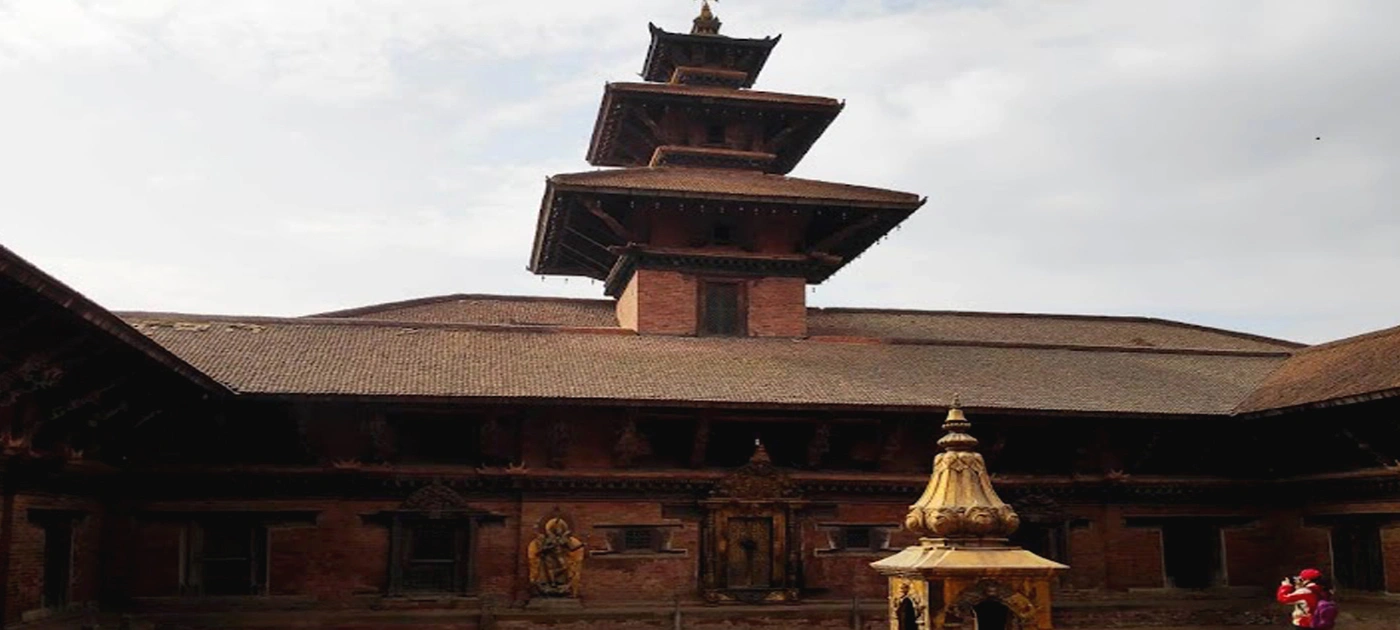
Kathmandu Durbar Square – Hanuman Dhoka
Kathmandu Durbar Square, also known as Hanuman Dhoka Durbar Square, is one of Nepal’s most iconic cultural and historical landmarks. Located within walking distance of Thamel, it is a must-visit destination for both domestic and international travelers. The square served as the royal palace of the Malla and Shah kings and remains a living testament to Nepal’s rich history, culture, and religious traditions.
This historic site was once the center of royal ceremonies, including the coronation of Nepalese kings. Visitors can explore numerous architectural and cultural treasures, including the Taleju Temple, built by King Mahendra Malla in 1549 AD, the temple of Kal Bhairav (the God of Destruction), Nautalle Durbar, Nasal Chowk (the Coronation Courtyard), Gaddi Baithak, the statue of King Pratap Malla, the Big Drum, and the beautifully carved Jagannath Temple.
Recognized for its outstanding cultural significance, Kathmandu Durbar Square was designated a UNESCO World Heritage Site in 1979. One of its unique attractions is the enormous gilded face of Sweta Bhairav, hidden behind a large wooden lattice screen that is unveiled only during the annual Indra Jatra festival.
Within the Hanuman Dhoka Palace complex, visitors can also explore the Numismatic Museum and the Tribhuvan Museum, which showcase Nepal’s royal history and currency collection. Please note that photography is prohibited inside the museums, and both museums remain closed on Sundays, Mondays, and government holidays.
What More Can We See in the Durbar Square Area?
Kumari Ghar (Temple of the Living Goddess)
Kumari Ghar, the residence of the Living Goddess Kumari, is one of the most fascinating attractions near Kathmandu Durbar Square. The Kumari is believed to be the earthly manifestation of Taleju, a revered Hindu goddess, although she is traditionally selected from the Buddhist Newar community. The beautifully crafted building features intricate wooden carvings, balconies, and lattice windows. Visitors may catch a glimpse of the Kumari as she occasionally appears on the balcony to acknowledge devotees and visitors. During the annual Indra Jatra festival, the Living Goddess plays a significant role in the celebrations.
Kasthamandap
Located near Kumari Ghar, Kasthamandap is a historic pavilion that is believed to have been built by King Laxmi Narsingha Malla in the early sixteenth century. According to legend, the structure was constructed from the timber of a single tree. The city of Kathmandu is said to have derived its name from this remarkable monument, making it one of the valley's most historically significant landmarks.
Ashok Vinayak Temple
Situated behind Kasthamandap, the Ashok Vinayak Temple is one of the most important Ganesh shrines in Kathmandu. Also known as Kathmandu Ganesh or Maru Ganesh, this sacred temple attracts devotees who come to seek blessings for success, prosperity, and the removal of obstacles.
Jaishi Dewal
Just a short walk from Kasthamandap lies Jaishi Dewal, a historic Shiva temple renowned for its intricate and artistic carvings. The temple remains an important religious site and continues to be part of major cultural celebrations, including the Indra Jatra chariot procession and other traditional festivals.
Tundikhel
Tundikhel is a vast open ground that borders the old city of Kathmandu. This historic public space has long served as a gathering place for cultural events, military parades, and public celebrations. Several notable landmarks surround the area, including the iconic Dharahara Tower (Bhimsen Stambha), originally built by Prime Minister Bhimsen Thapa in 1832 AD. At the base of the tower are the historic Sundhara fountains, famous for their beautifully crafted golden water spouts.
Martyrs' Memorial (Shahid Gate)
Located between Dharahara and the Bhadrakali Temple, Shahid Gate is a prominent memorial dedicated to Nepal's national martyrs. The monument features a statue of King Tribhuvan Bir Bikram Shah Dev along with the busts of four national martyrs who played vital roles in Nepal's struggle for democracy.
Bhadrakali Temple
At the eastern edge of Tundikhel stands the sacred Bhadrakali Temple, one of Kathmandu's most important Shakti shrines dedicated to Goddess Bhadrakali. Also known as Lumadi Temple, it is a revered pilgrimage site where devotees gather to offer prayers and seek blessings throughout the year.