16
Days

16 Day Everest Base Camp Trek

149 Reviews in TripAdvisor
37 Reviews in Google Reviews

The Everest Base Camp (EBC) trek is one of the most famous foot walking adventure in the Everest region. It is a remote and high-altitude hike, taking you deep into the Himalayas of Nepal with close-up views of Mount Everest (8,848 m). The EBC trek is moderate to challenging, due to altitude, not technical climbing.

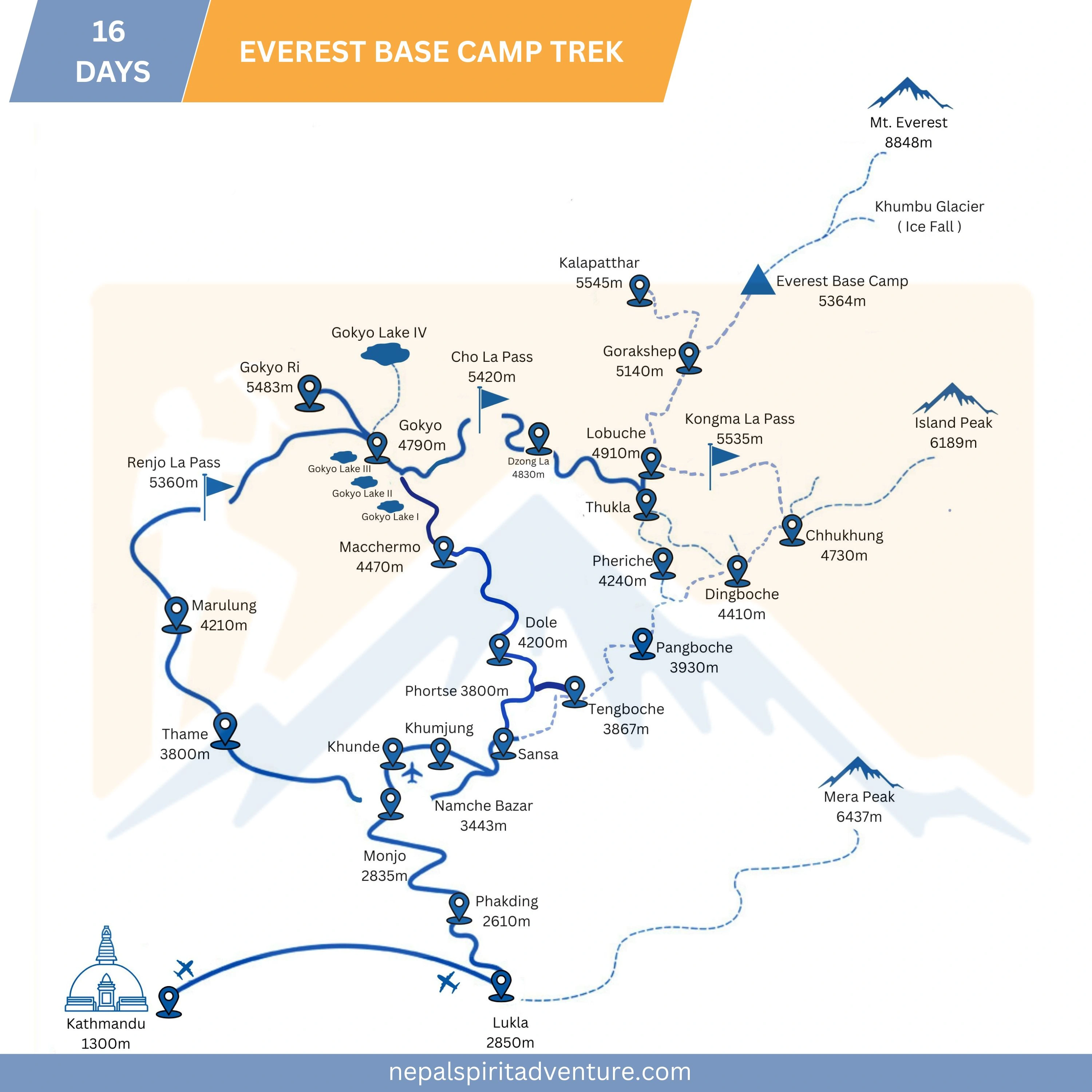
The Everest Base Camp Trek Route:

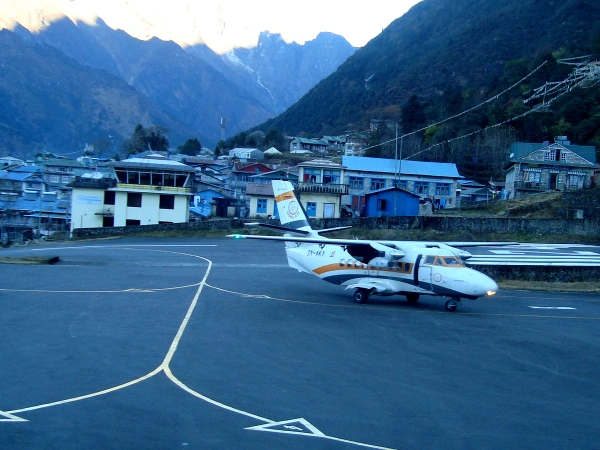
Lukla: The world's adventurous airport, gateway to Mount Everest Base Camp Trek
Namche Bazaar – Main acclimatization hub, lively mountain town
Syangboche –Offers spectacular Mt. Everest views and a 360-degree Himalayas vista
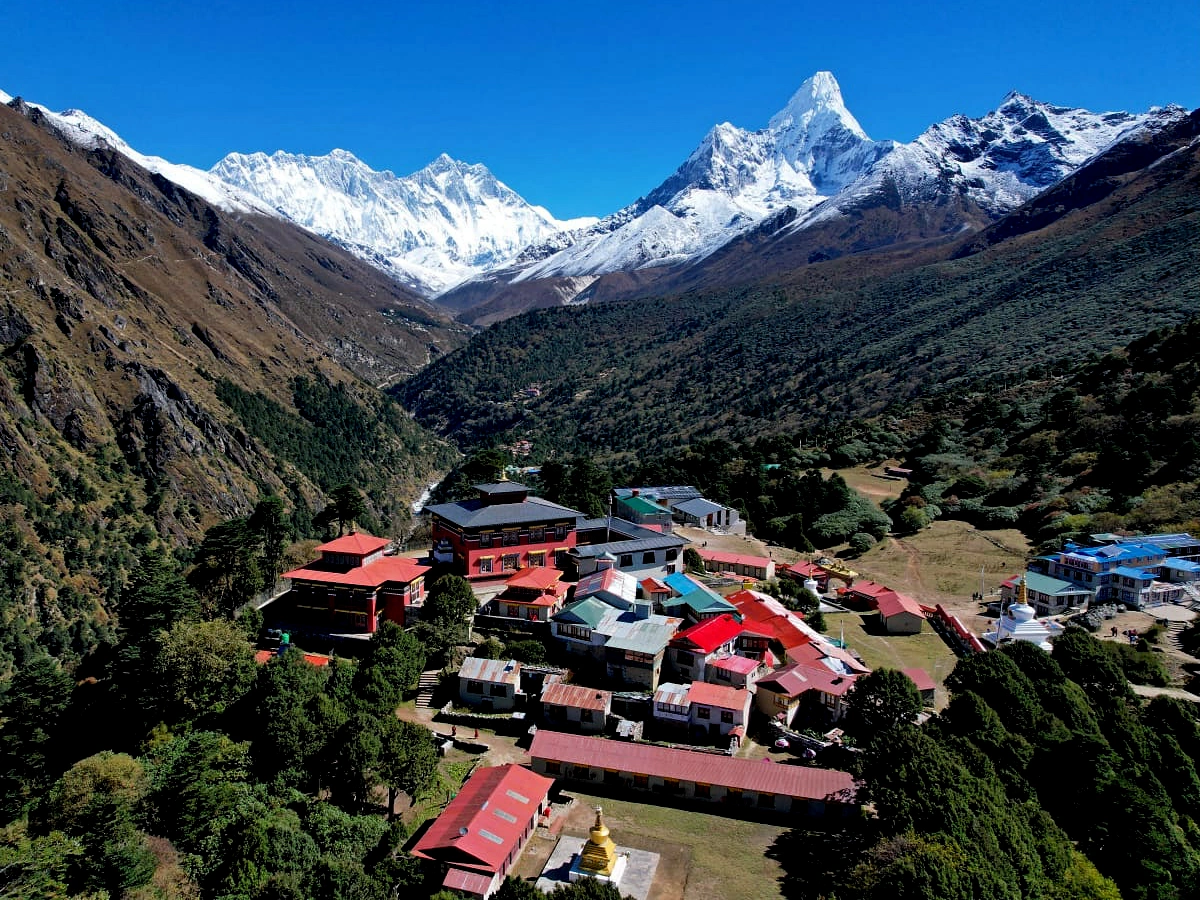
Tengboche Monastery – Spiritual center with Everest views
Dingboche – High altitude acclimatization stop
Gorak Shep – Final stop before camp 
Everest Base Camp – Glacier camp used by climbers (no summit view from here)
Kalapatthar – The best viewpoint to see Everest with neighbouring mountains, and sunrise

Duration
16 Days
Trip Grade
Moderate
Country
Nepal
Maximum Altitude
5,364m | 17,598ft)
Group Size
1 - 14 in Group
Starts
Kathmandu
Ends
Kathmandu
Activities
Trekking in Everest
Best Time
Feb-May | Sept-Dece

16 Day Everest Base Camp (EBC) Trek Highlights 

  • Experience the thrilling flight from Kathmandu to Lukla, one of the most scenic mountain flights in the Himalayas. 
  • Embark on a journey to the base of the majestic Mount Everest, reaching Everest Base Camp at an altitude of 5,364 meters. 
  • Trek through Sagarmatha National Park, a UNESCO World Heritage Site renowned for its rich Himalayan wildlife and stunning landscapes. 
  • Discover Namche Bazaar, the gateway to Everest Base Camp and the cultural heart of the region. 
  • Immerse yourself in the lively culture and traditions of the Sherpa community along the Everest trekking route. 
  • Take the opportunity to visit some of the oldest Buddhist monuments in the Everest region, including Tengboche Monastery and Pangboche.
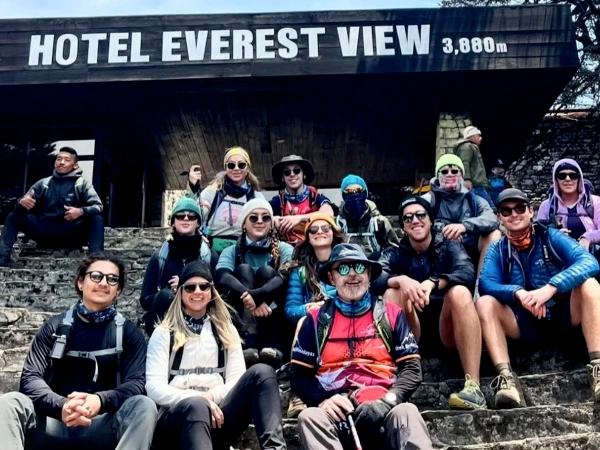
  •  Enjoy breathtaking views of the spectacular mountain range from the highest-located hotel, Hotel Everest View, during your first acclimatization day of the trek. 
  • Catch glimpses of the Khumbu Glacier and Khumbu Icefall along the trail to Everest Base Camp. 
  • Hike to Kala Patthar (5,545 meters) and Nangkar Tshang Peak (5,083 meters) for the best sunrise views of Mount Everest and neighboring peaks. 
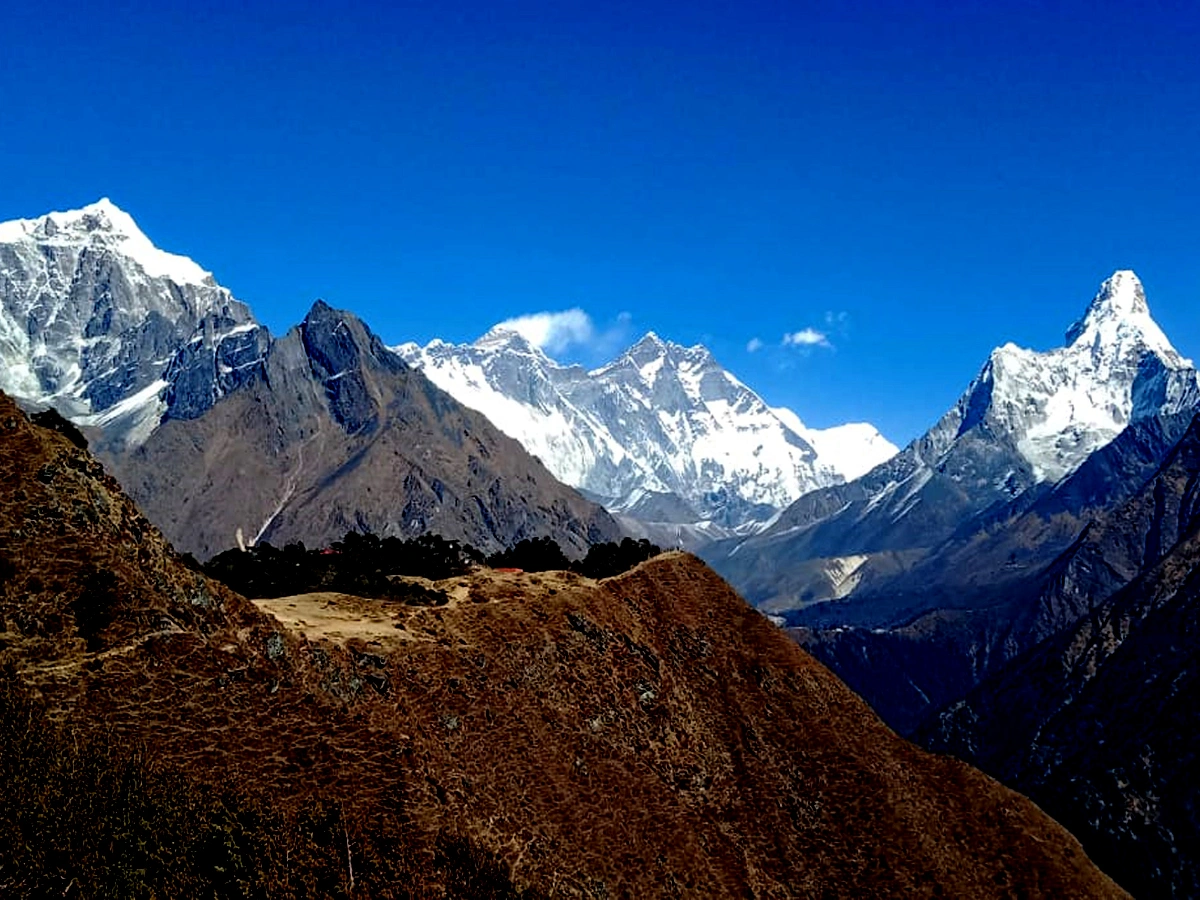
  • Witness stunning panoramas of Mount Everest, Lhotse, Nuptse, Cho Oyu, Thamserku, Ama Dablam, and many more stunning Himalayan vistas.

16 Day Everest Base Camp Trek Overviews 

The Comfort Everest Base Camp trek offers a unique combination of well-maintained paths and the stunning beauty of the Himalayas, with comfortable accommodations along your Everest Base Camp journey. Located in the heart of this magnificent mountain range, the Everest region is famous for its breathtaking scenery and the warm hospitality of the Sherpa people. This adventure not only takes you to the base of the world’s highest peak but also allows you to immerse yourself in the rich culture and traditions of Nepal.

The 16 Day Everest Base Camp Trek Itinerary is designed for comfortable EBC Trekkers. The trek starts from Kathmandu and ends in Kathmandu, including highly taking care of your arrival pickup from Kathmandu Tribhuwan Airport, and departure of your final day of the 16-day Everest Base Camp Trek through an experienced Nepal-based Everest Base Camp Trekking operator, Nepal Spirit Adventure, the team that has been organizing Nepal Trek and Tour for 25 years.

The Everest Base Camp trek itinerary takes you to an elevation of approximately 5,364 meters, the world's highest mountain peak base camp, named Mount Everest-Sagarmatha. This journey offers breathtaking panoramic views of several peaks that soar above 8,000 meters. You will have the opportunity to see stunning views of Pumori, Lhotse, Nuptse, Lobuche, and many other mountains, including the iconic Mt. Everest itself.

The Everest Base Camp (EBC) trek is a classic adventure in Nepal's Khumbu region, typically lasting 12 to 16 days. It reaches a maximum altitude of 5,545 meters at Kala Patthar. The journey usually begins with a flight to Lukla and includes accommodations in mountain tea houses. Each day, trekkers walk for about 5 to 6 hours through Sagarmatha National Park, enjoying breathtaking views of Mount Everest, which stands at 8,848 meters, along with many other snow-capped peaks in the area.

How We Can Start and conclude this Adventure of the EBC trek?

The Everest Base Camp (EBC) trek begins with a breathtaking 35-minute flight from Kathmandu to Lukla during January, February, June, July, August, and December, or a 20-minute flight from Manthali/Ramechhap to Lukla, which includes a 5 to 6-hour drive from Kathmandu to Manthali in March, April, May, October, and November. The trek starts and ends in Lukla.

The journey follows the bank of the Dudh Koshi River, passing through the Sagarmatha National Park on the way to Namche Bazaar. Namche is the main trading hub in the Everest region and is well-known as a key acclimatization stop for trekkers. Although the walk can be challenging, the stunning scenery of lush forests, farmland, hills, and mountains will motivate you to keep going. After a day of acclimatization in Namche Bazaar, we will depart and continue our trek to Tengboche.

Upon our arrival, we will visit the renowned Tengboche Monastery. From there, we will continue our hike to Dingboche and eventually reach Lobuche. Along the way, you will have the opportunity to see impressive peaks such as Lhotse, Nuptse, Makalu, Cho Oyu, and Ama Dablam. 

Continuing our journey, we will hike to Gorak Shep and walk alongside the Khumbu Glacier until we arrive at Mount Everest Base Camp. The Khumbu Glacier, known as the world’s deepest glacier, is also visible from the base camp. After our visit, we will return to Gorak Shep to spend the night.

The following day, we will hike up Kala Patthar, where we can witness the sunrise over Mt. Everest and other surrounding peaks. After taking in the breathtaking view for a while, we will return to Gorak Shep and then descend to Pheriche Village. 

We will retrace our steps back to Tengboche, passing through lush forests of rhododendron and juniper, and continue to Namche. Finally, upon reaching Lukla, we will take a flight back to Kathmandu, concluding our EBC trek in Nepal.

Nepal Spirit Adventure: Trek Ready Himalayas - An Australian Perspective

The trek to Everest Base Camp is one of the world’s most iconic journeys. If you love trekking and seek a challenge that inspires, this adventure should be at the top of your bucket list! Our teahouse-based trek closely follows in the footsteps of Sir Edmund Hillary and Tenzing Norgay, allowing ample time to acclimatize and fully appreciate the stunning Himalayan scenery.

The journey begins with a scenic flight to Lukla, after which we’ll navigate the breathtaking Khumbu Valley to reach Everest Base Camp. A short yet steep climb to the summit of Kala Pattar offers magnificent views of the highest mountain on Earth, before we retrace our steps back to Lukla. 

With decades of Himalayan experience, our veteran guides ensure not only an industry-leading safety record but also provide an enriching trekking experience. By choosing to trek with us, you support the Trek Ready Himalayas Foundation, which funds initiatives for Parkinson's Disease research in Australia and provides education and assistance to those in need in Nepal, the home of many of our team members. Join us and choose a responsible operator where your adventure creates a lasting, positive impact.

What Makes It Special

Beautiful Himalayan landscapes featuring Everest, Lhotse, and Ama Dablam. Experience the Sherpa culture and visit local villages. Trek through Sagarmatha National Park. Explore suspension bridges, glaciers, and breathtaking high-altitude scenery, and as long as possible, stay at comfortable guest houses/ lodges during your Everest Base Camp Trek with Nepal Spirit Adventure.

Short Itinerary

16 Day Everest Base Camp Trek

16 Day Everest Base Camp Trek Itinerary

Start Point:Kathmandu
End Point:Kathmandu
Day01

Arrive in Kathmandu (1,315m) Airport Pickup, Transfer to the Hotel

Upon your arrival at Tribhuvan International Airport in Kathmandu, you will be greeted by one of our representatives holding a Nepal Spirit Adventure placard. We will then take you away from the airport's hustle and bustle to your comfortable hotel, conveniently located in Thamel. Tonight, take the time to rest well in Kathmandu as you prepare yourself for the extraordinary journey ahead on the Everest Base Camp trek.

Day02

Free Day in Kathmandu –Trek Preparation and Trip Briefing

Today is a free day in Kathmandu, designated as an acclimatization day. Most international flights arrive in Kathmandu during the evening or late at night. Taking advantage of this free day can ensure that your Everest Base Camp Trek concludes on a positive note. This day will be dedicated to your Everest Base Camp Trek briefing and final preparations in Kathmandu.

Breakfast is included in the trek package and is usually served from 7 AM to 10 AM, depending on the hotel. After breakfast, you will meet your Everest Base Camp Trek Guide and our office team at the hotel. Together, we will review the complete Everest Base Camp trekking route, daily walking plan, altitude schedule, lodge arrangements, and essential safety points before the journey commences.

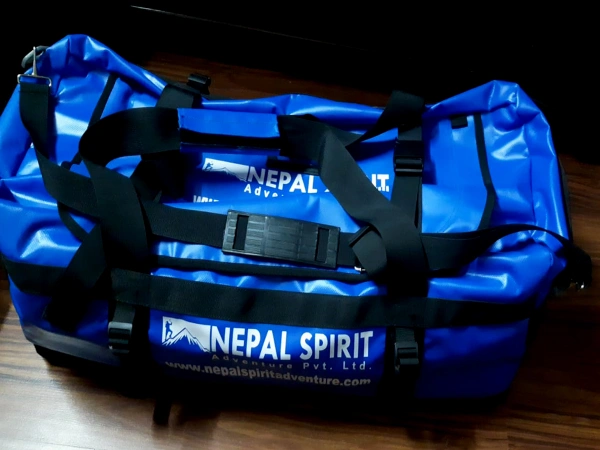
During the briefing, your guide will also check your trekking equipment and suggest any last-minute items you may need. Nepal Spirit Adventure will provide you with a 75L duffel bag, a warm down jacket rated to -15°C, and a sleeping bag rated to -20°C for use during the trek. Additionally, you will receive a complimentary Nepal Spirit Adventure t-shirt, a warm hat, and an Everest Base Camp Trek map.

Our official team will collect any remaining documents, including your travel insurance details and passport photo, if you have not already submitted them. The remaining balance for the trip will also be settled during the tour briefing. Please note that credit card payments incur a 3.5% processing fee.

Lastly, we will update you on the latest Lukla flight schedule, departure timing, baggage preparation, and hotel check-out plan.

You will stay overnight at Hotel Jampa or a similar standard hotel in Kathmandu, subject to availability.

Day03

Fly to Lukla, Trek to Phakding (2,610m) 4 Hours | Approx. 8 km

You will begin your journey with an early transfer from your hotel to the airport. Your trek starts with a morning flight to Lukla, which is situated at an elevation of 2,860 meters (9,383 feet). Flights to Lukla typically operate between 6:00 AM and 11:00 AM, depending on weather conditions and airport traffic.

During peak trekking seasons, flights might depart from Ramechhap Airport instead of Kathmandu. If this is the case, we will leave Kathmandu around 1:00 AM for a 5-hour drive to Manthali Airport. This transfer is included in the 16-day Everest Base Camp Trek package, so there is no additional charge for the Ramechhap arrangement.

Helicopter Flight to Lukla (Optional)

You can also opt for an additional helicopter flight from Kathmandu to Lukla to avoid the long drive. The expected extra cost is approximately USD 450-500 per person (sharing a 5-seat helicopter), which will be adjusted against the cost of the regular Lukla flight, depending on the season and availability.

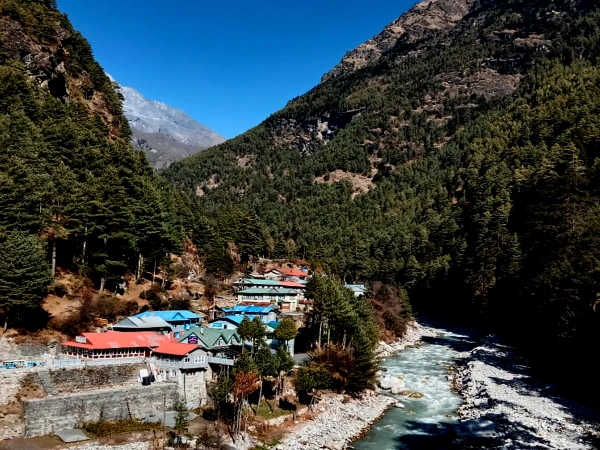
After landing in Lukla, you will meet the porter team and begin your trek to Phakding. The trail follows the Dudh Koshi River through Sherpa settlements, with views of prayer flags, pine forests, and suspension bridges. On a clear day, you may also see  Mount Kusum Kanguru in the distance.

Upon reaching Phakding, you can relax at the guesthouse or take an optional short walk to Rimishung Monastery, which is about 30 minutes from the village. You will spend the night at Hotel Pine Forest or a similar standard guesthouse in Phakding, depending on availability.

Day04

Approx. 7hrs Trek to Namche Bazaar (3,440m) 10-11 km

Today's walk follows the Dudh Koshi River along forested trails and through Sherpa villages such as Toktok, Benkar, and Monjo. As we trek, you’ll be treated to clear views of KusumKanguru and Thamserku. The trail gradually becomes more challenging as we venture deeper into the Khumbu Valley.

Upon reaching Monjo, we will enter Sagarmatha National Park and complete the necessary permit checks before continuing to Jorsale for lunch. Jorsale is the last settlement before Namche, so it's important to carry enough water before tackling the long uphill section.

Today's route includes several suspension bridges, including the notable Hillary Suspension Bridge, which is situated high above the river just before the ascent to Namche. This section may be busy with fellow trekkers, yaks, and mules, so your guide will ensure a safe crossing.

After crossing the final bridge, we will face the main challenge: a steady 800-meter climb to Namche Bazaar. Although the ascent is long, it is manageable with a slow pace and short breaks. By late afternoon, we will arrive at Namche Bazaar, a vibrant Sherpa town and the main gateway to Everest.

We will have an overnight stay at Hotel Cam De Base or a guesthouse of similar standard in Namche, depending on availability.

Day05

Acclimatization Day, Hike to Everest View Hotel (3,780m) 4hrs 4 km

Today marks your first acclimatization day in Namche Bazaar. It begins with a late breakfast, followed by a gradual walk above the town toward the Sagarmatha National Park Museum. The route first climbs through a forested path before reaching a ridge where a bronze statue of Tenzing Norgay Sherpa stands with his ice axe, facing the mountain skyline. On clear mornings, this viewpoint offers stunning views of  Mount Everest, Lhotse,Ama Dablam, Thamserku, and the surrounding Khumbu peaks.

The museum provides valuable insight into Sherpa history, early Everest expeditions, traditional tools, local culture, and vintage climbing gear.

Next, a gentle 35-minute climb takes you to Sagarmatha, a conservation center that transforms collected mountain waste into artwork and recycled products. Trekkers can watch a short documentary and experience a virtual reality presentation that explains the center’s environmental mission.

The ridge then leads to the Sherpa Panorama Hotel, a peaceful place to rest with expansive views of the Himalayas before the final stretch to the Hotel Everest View. This Japanese-built lodge is known as one of the highest luxury hotels in the world and offers breathtaking views of Everest, Lhotse,Ama Dablam,Kangtega, and Thamserku. Trekkers often stop here for tea or coffee on the terrace while enjoying the mountain scenery.

If time, weather, and energy permit, you may continue to Khumjung Village, which features the Hillary School and Khumjung Monastery.

After the hike, we will return to Namche Bazaar via the same route. Lunch and dinner will be served in Namche.

Day06

Trek to Tengboche (3,867m) Approx. 6hrs 9-10 km

After breakfast in Namche, we will leave Namche Bazaar, and the trail will soon open up to stunning views of Everest,Nuptse, Lhotse, and Ama Dablam. About 30 minutes into our trek, we will pass Kyangjuma and continue along a picturesque hillside trail before descending through a rhododendron forest towards Phunki Tenga, a popular lunch stop next to the Dudh Koshi River.

Following lunch, we will cross the bridge and begin the main ascent towards Tengboche. This uphill section takes approximately two hours and is the most challenging part of the day. As we climb, the forest begins to thin out, revealing wider and more dramatic views of Ama Dablam,Thamserku,Kangtega, and the Khumbu Valley.

We aim to reach Tengboche Monastery, also known as Dawa Choling Gompa, by around 3:00 PM, allowing you to attend the evening prayer ceremony. The monastery also offers an early morning chanting session, and your guide will confirm the exact timings upon arrival.

If you're trekking in late October or early November, you may also have the chance to witness Mani Rimdu, Tengboche’s most significant Buddhist festival, during which monks perform sacred masked dances and rituals inside the monastery.

We will stay overnight at Tengboche Guest House or a similar standard guesthouse in Tengboche, depending on availability.

Day07

Trek to Dingboche (4,410m) 6hrs 10-11 km

After breakfast in Tengboche, the trail descends through a peaceful rhododendron forest toward Debuche. This first section is gentle and shaded, providing a calm start to the day before the route begins to gain altitude again.

After passing Debuche, we cross a suspension bridge over the Imja Khola and start a steady climb toward Pangboche. As we ascend, the trail opens up to wider valley views, with Ama Dablam prominently rising above us.

The Pangboche Monastery is located about 20 minutes off the main trail and is worth visiting if you have the time and energy. It is considered the oldest monastery in the Khumbu region and adds significant cultural value to this part of the Everest Base Camp route.

We stop for lunch at Somare, a small settlement situated beneath Ama Dablam, which serves as a practical resting point before the trail gets steeper. After Somare, the path becomes rockier as the trees diminish, the air grows thinner, and the landscape transitions into open alpine terrain.

By the time we reach Dingboche, the valley opens up into a wide, sunny settlement surrounded by stone-walled fields and high Himalayan scenery. This is an important overnight stop before the next acclimatization day.

During the mid-monsoon period, typically from late July to early August, some local families temporarily move from Dingboche to Pheriche due to a traditional belief regarding fire usage and seasonal protection of their homes, fields, and livestock. During this short period, the Nepal Spirit Adventure may adjust the route to pass through Pheriche out of respect for local customs.

Day08

Acclimatization Day, Hike to Nangkartshang Hill (5,083m) 5-6 km, 4-5hrs walk

Today marks an important day and the second acclimatization day in Dingboche, featuring a hike toward Nangkartshang Hill. The aim is to climb to a higher altitude during the day to help your body adjust to the thinner air, and then return to Dingboche to sleep at a safer elevation before continuing onward to Everest Base Camp.

The trail begins near a small stupa situated above the village and steadily climbs along a steep ridge. The walk is challenging due to the altitude, dusty ground, loose soil, and cold wind, so we maintain a slow and steady pace with regular breaks.

On clear days, the ridge offers spectacular views of the Imja Valley, Mt. Makalu,Cholatse,Island Peak, and the surrounding alpine landscape. You can catch a glimpse of Cho Oyu during the early part of the climb.

Reaching the summit is not mandatory. Gaining an elevation of around 300 to 670 meters is usually sufficient for acclimatization. Your guide will determine how far to continue based on the weather, trail conditions, and the group's overall well-being.

The descent can be slippery due to loose dirt and rocky sections. Trekking poles are helpful, and simple crampons may be necessary in colder months if the upper peak trail is icy. During the mid-monsoon period, if the route is adjusted through Pheriche, the same Nangkartshang ridge can be reached with an additional 15 to 20 minutes of hiking.

You will spend the night at Hotel Good Luck or a similar standard guesthouse in Dingboche, depending on availability.

Day09

Trek to Lobuche (4,910m) 6hrs, approx. 11-12 km

Breakfast at Dingboche, the trail transitions into open high-altitude terrain, offering wide views, dry ground, loose rocks, and sparse vegetation. The walk begins gradually as we follow the valley toward Thukla.

Along the way, you will pass small stone shelters that yak herders use during their seasonal movements across the high pastures. We stop for lunch at Thukla before starting the climb toward Thukla Pass, also known as Memorial Hill. This section is steep and slow, with thinning air and cold winds.

At the top of the pass, memorials honor climbers and Sherpa mountaineers who lost their lives in the Everest region. The atmosphere here is quiet and reflective, providing a meaningful pause before we continue toward Lobuche.

After the memorial area, the trail becomes gentler and follows the glacial valley toward Lobuche. By late afternoon, we reach this small high-altitude settlement, where it’s important to rest and hydrate before the long day ahead at Everest Base Camp.

Day10

Trek to Everest Base Camp (5,364m) O/N Gorakshep 7hrs 13-14 km

Today marks one of the most significant days of the Everest Base Camp Trek. We start early from Lobuche, usually after breakfast around 5:30 am, and begin our walk toward Gorak Shep, which sits at an altitude of 5,164 meters (16,942 feet). This is the last settlement before reaching Everest Base Camp.

The trail starts gently but soon becomes rougher as we navigate through rocky, high-altitude terrain. After about 20 minutes, you'll pass the sign for the Pyramid Research Centre, an Italian scientific research station located at 4,980 meters. The distance from Lobuche to Gorak Shep is approximately 5 kilometers and typically takes around 3 hours to complete, depending on your pace and the trail conditions.

Once we arrive in Gorak Shep, we will take a short break for lunch or tea before continuing our journey to Everest Base Camp. The path to Base Camp traverses rocky moraine and glacial terrain alongside the Khumbu Glacier, so it’s important to watch your footing. In winter or snowy conditions, simple crampons may be necessary for the icy sections.

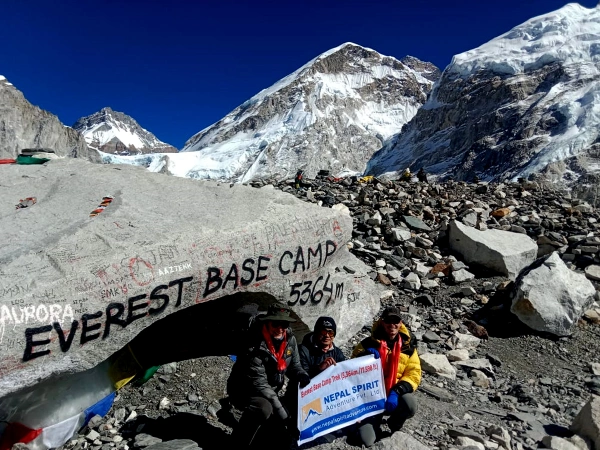
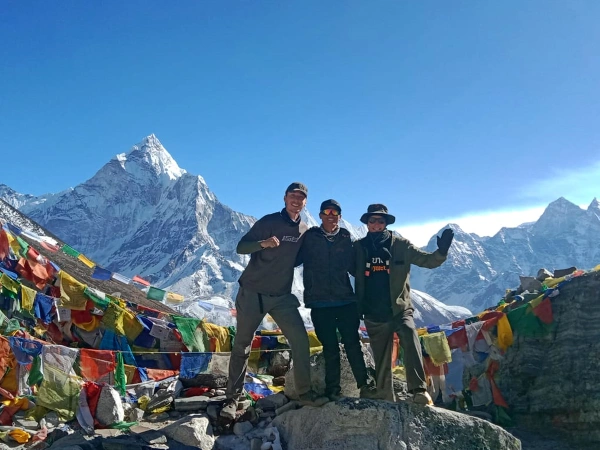
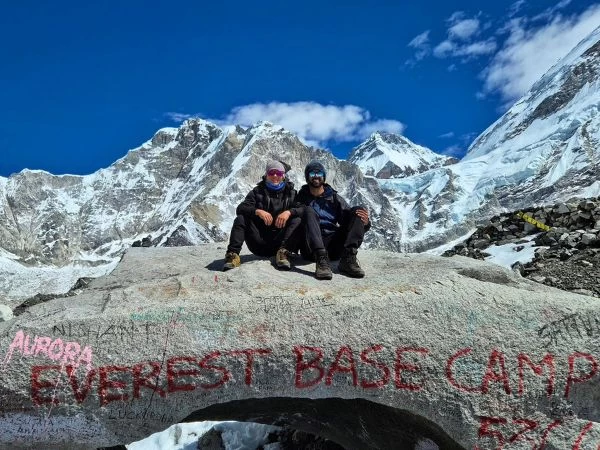
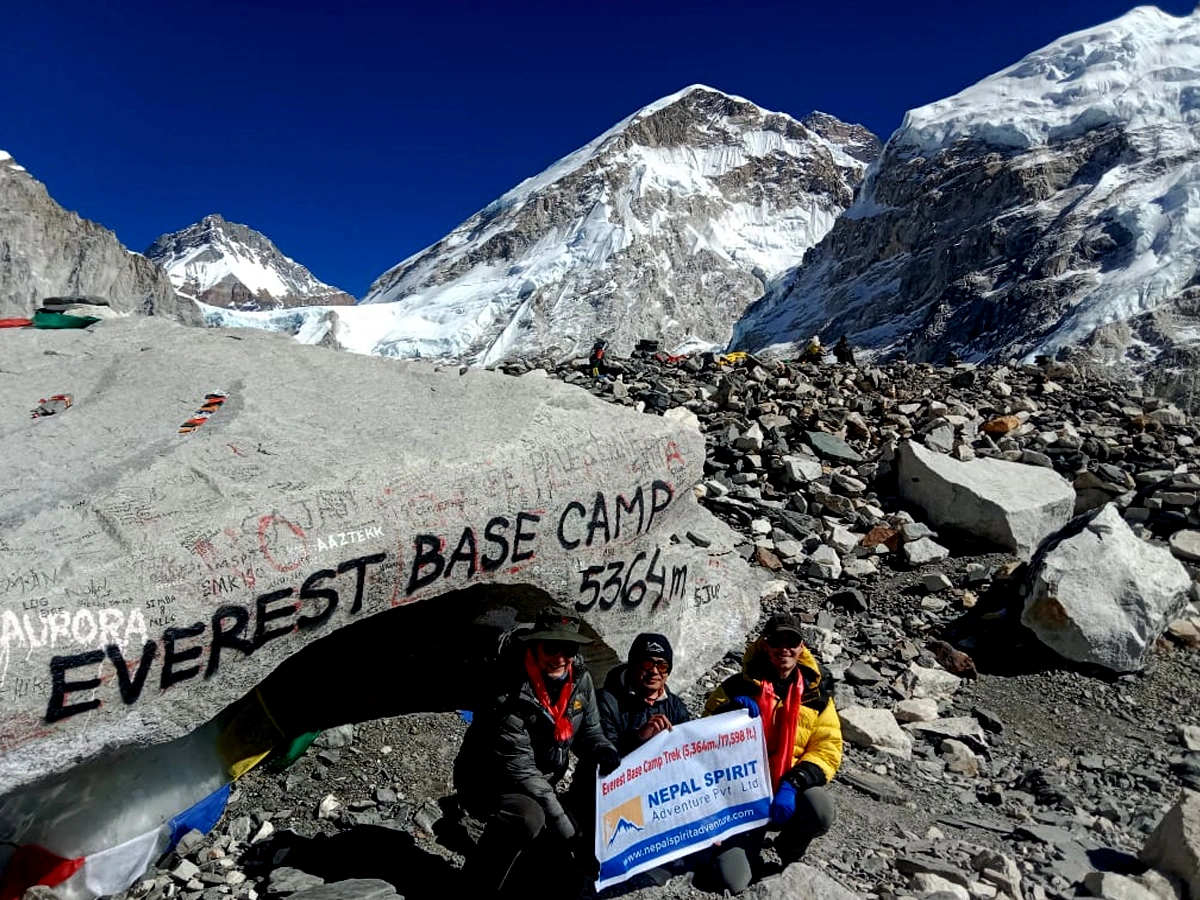
Most trekkers reach Everest Base Camp around midday. The area is marked by prayer flags and the famous Everest Base Camp Rock, offering close views of the Khumbu Icefall. Although Everest is partially obscured by Nuptse and the Lho La, standing at the base of the world’s highest mountain is a significant milestone in this journey.

Please note that the temporary welcome board installed at Everest Base Camp in March 2024 was removed on May 28, 2024, so the Everest Base Camp Rock remains the primary landmark for photos and recognition of your arrival.

After spending some time at Base Camp for photos and reflection, we will return to Gorak Shep for the night. This is the highest sleeping point of the trek, so it is especially important to prioritize rest, hydration, and warm clothing.

We will spend the night at Hotel Snow Land or a similar standard guesthouse in Gorak Shep, depending on availability.

Day11

Hike to Kala Patthar (5,545m) Trek back to Pheriche (4,240m) 7hrs, 13-14 km

A night in Gorak Shep is rarely comfortable, as the altitude affects sleep for many trekkers. Even experienced hikers often struggle to rest at 5,164 meters (16,942 feet). Your trek guide will monitor how you are feeling before the early morning climb.

We begin the hike to Kala Patthar well before sunrise, typically around 4:00 AM, to capture the best close-up views of Everest. While the hill appears gentle from Gorak Shep, the climb becomes steeper after the first ridge, and the thin air makes the ascent demanding.

The Kala Patthar/Black Stone, standing at 5,545 meters (18,192 feet), offers a classic Everest panorama, showcasing views of Everest,Lhotse,Nuptse, Pumori, and the surrounding peaks. You don’t need to reach the true summit to enjoy outstanding views. After about 40 minutes to an hour of climbing, the panorama opens up clearly, and the view remains quite similar at higher elevations. Your guide will help you decide how far to continue based on your energy, the weather, and trail conditions.

The air is extremely cold before sunrise, so wearing warm layers is essential. Trekking poles and crampons can also be helpful on frosty or icy sections. After enjoying the morning view, we returned to Gorak Shep for breakfast.

From Gorak Shep, we descend toward Pheriche, passing Lobuche and the memorials at Thukla Pass. Pheriche is home to a hospital operated by the Himalayan Rescue Association (HRA), supported by international volunteer doctors.

Some trekkers prefer a sunset hike to Kala Patthar, as Everest and the nearby peaks are beautifully illuminated in golden-red hues during the evening. At sunrise, the sun rises behind the Everest range, casting shadows on parts of the mountain.

We will spend the night at Everest Trekkers or a similar standard guesthouse in Pheriche, subject to availability.

Day12

Trek back to Namche Bazaar (3,440m) 7hr 13-14 km

After breakfast, we leave Pheriche and descend toward Pangboche, where the valley feels warmer and more settled compared to the high, exposed terrain above. From Pangboche, the trail continues to Tengboche, passing familiar villages, forested areas, and offering returning views of the Khumbu landscape.

After Tengboche, we follow the main trail back to Namche Bazaar. By the afternoon, we reach Namche Bazaar, and the comfort of this larger mountain town feels especially welcome after several nights at higher altitudes. If your visit falls on a Friday or Saturday, you may also experience the Namche Haat Bazaar, the local market where traders sell handmade crafts, clothing, trekking gear, and daily necessities.

Day13

Trek back to Lukla (2,840m) 7hrs, 17-18 km

Today marks the final day of trekking along the 16-day Everest Base Camp route. We will leave Namche Bazaar and follow the familiar trail down the Khumbu Valley, passing through Monjo, Phakding, beautiful pine forests, suspension bridges, and Sherpa villages.

The descent is long but steady, and the lower altitude makes walking feel easier. As we retrace our path toward Lukla, many familiar sights will evoke different feelings after our experiences at Everest Base Camp and Kala Patthar.

Upon arriving in Lukla, you can relax at the guesthouse and enjoy a quiet evening with your guide and porter team. This is also an ideal time to express your gratitude to the crew who supported you throughout the trek.

You will spend the night at Hotel Ganesh Himal or a guesthouse of similar standards in Lukla, depending on availability.

Day14

Fly to Kathmandu (1,315m) OR via Ramechhap

After breakfast in Lukla, we will take the morning flight back to Kathmandu or, during busy trekking seasons, to Ramechhap. If the flight lands in Ramechhap, our team will arrange transportation to Kathmandu.

This flight offers one last breathtaking aerial view of the mountains before we return to the city. On clear days, the best mountain views are typically seen from the right side when flying back to Kathmandu, and from the left side when flying to Lukla.

Upon arrival in Kathmandu, we will transfer you to your hotel. You can take some time to rest, shower, and settle back into the city after spending several days in the mountains.

Additionally, you will receive your official Everest Base Camp Trek Certificate of Completion today. Your guide will inform you of the exact time for the brief certificate presentation at the hotel. You will have an overnight stay at Hotel Jampa or a similar standard hotel in Kathmandu, depending on availability.

Day15

Buffer Day in Kathmandu

We schedule a buffer day in Kathmandu to safeguard your international flight in case weather delays your Lukla flight. Mountain weather can change rapidly, and this extra day provides a safer buffer at the end of your trek.

If everything goes smoothly and you return to Kathmandu on time, the day can be a relaxing break after your time in the mountains. You can rest at the hotel, explore nearby streets, shop for small gifts, or visit cultural sites you may have missed earlier.

Optional activities, such as a guided city tour or a Chitwan Jungle Safari, and a mountain flight can also be arranged for an additional cost.

Day16

Departure (End of EBC Trek)

After breakfast, your Everest Base Camp Trek concludes in Kathmandu. Our team will arrange for your transfer to Tribhuvan International Airport based on your international flight schedule.

We ensure that you arrive at the airport at least three hours before your departure, providing ample time for check-in, security, and any final travel formalities.

As you leave Nepal, you will take home the memorable experience of reaching 16 Days Everest Base Camp, standing beneath the world’s highest mountain, and completing one of the great trekking routes in the Himalayas.

Still Confuse?
No worries — we’re here to help. Whether you have questions or just need a bit more clarity, feel free to reach out. Our team is ready to guide you every step of the way.

Cost Details

Includes

Accommodation in Kathmandu and the EBC Trek route

  • Twin-sharing/double accommodation in a 3-star hotel for 4 nights in Kathmandu, including breakfast (Private room accommodation can be organized at an extra cost).
  • 2 nights before the Everest Base Camp trek and 2-nights after the EBC trek.
  • Twin-sharing guesthouse/mountain tea houses accommodation during the trek for 11 nights in the Everest Region with attached bathrooms in Lukla, Phakding & Namche.

Transportation & Domestic Flight

  • All (international and domestic) airport transfers on a tourist vehicle.
  • Round-trip airfare between Kathmandu/Manthali and Lukla.
  • Kathmandu – Manthali – Kathmandu transportation by shared tourist vehicle.

Meals

  • All your standard meals during the trek (11 Breakfasts, 11 Lunches, and 11 Dinners).
  • Fresh seasonal fruits each day after dinner during the trek.
  • A farewell dinner on the last night in Nepal.

Excludes

  1. Nepal Entry Visa: You can easily obtain a visa upon your arrival at the airport in Kathmandu. The fees are as follows: USD 30 for a 15-day visa, USD 50 for a 30-day visa, and USD 125 for a 90-day visa.
  2. Meals: Lunch and dinner are not included in Kathmandu.
  3. Extra Night Accommodation: Trekkers are responsible for paying for any extra nights in their hotel in Kathmandu due to early or late departures and early returns from the Everest Base Camp (EBC) trek, regardless of the reason.
  4. Excess Baggage Charge: If your luggage exceeds 15 kg, there will be an additional charge of approximately $1 to $2 per kg.
  5. Beverages: All kinds of beverages, including both alcoholic and non-alcoholic drinks, as well as hot drinks (tea/coffee) and cold drinks, are not included.
  6. Personal Expenses: Personal expenses such as shopping, hot and cold drinks, hot showers, alcoholic beverages, snacks, hot and cold water, Wi-Fi, battery recharge fees, and tips for helpers are also not included.
  7. Travel Insurance: Your travel insurance must cover emergency rescue evacuation from high altitudes up to 6000 meters.
  8. Personal Hiking/Trekking Gear: You are responsible for your own hiking and trekking gear and equipment.
  9. Tipping: Tips for trekking staff and drivers are not included and should be provided at your discretion.
  10. Upgrade the accommodation along the trek.
Select Departure Dates
Jun 2026
Jul 2026
Aug 2026
Sep 2026
Oct 2026
Nov 2026
Dec 2026
Jan 2027
Feb 2027
Mar 2027
Apr 2027
May 2027
Jun 2027
Jul 2027
Aug 2027
Sep 2027
Oct 2027
Nov 2027
Dec 2027
Departure Date
Starts: Jun 02, 2026Ends: Jun 17, 2026
Status
Available
Confirm
Price
US$1599
Departure Date
Starts: Jun 10, 2026Ends: Jun 25, 2026
Status
Available
Confirm
Price
US$1599
Departure Date
Starts: Jun 17, 2026Ends: Jul 02, 2026
Status
Available
Confirm
Price
US$1599

The published trek departure date is guaranteed to run the EBC Trek from Kathmandu. If this date does not align with your holiday schedule, please feel free to email or message us to arrange an alternative trek departure date for your EBC travel retreat. We can organize private EBC treks at any time of the year.

Essential Information

Additional Information for the Everest Base Camp Trek

Alternative Route Options for the 16-Day Everest Base Camp Tour: There are various ways to reach Everest Base Camp depending on your preferences. In addition to flying to Lukla, you can explore alternative transportation methods such as traveling by foot, jeep, or helicopter. Consider these options for your trekking experience to Everest Base Camp:

Drive from Kathmandu to Salleri (Via Local Bus), then from Salleri to Tham Dada (via four-wheeler jeep)

To travel from Kathmandu to Salleri without flying to Lukla, you will need to allocate extra days. Start your journey by boarding a local bus to Salleri (Phaplu), which takes approximately 9-10 hours. Plan to stay overnight in Salleri.

The following day, take a four-wheel-drive jeep for an off-road ride to Tham Dada, which will take around 6-7 hours. Once you reach Tham Dada, you can begin your trek to Paiya, which will take about 4-5 hours. After arriving in Paiya, you can check into a tea house for the night. 

The next day, you will continue your trek from Paiya to Phakding, which takes approximately 6-7 hours.

Helicopter Flight to Lukla

You have several options for helicopter rides to and from Lukla. A shared ride from Kathmandu to Lukla (or vice versa) can accommodate five people and costs between $500 and $700. Alternatively, you can opt for a direct flight from Base Camp or Gorak Shep to Kathmandu, which is priced at $1,600 on a shared basis, and $5,500 for a private helicopter ride.

NOTE: Please note that the flight and helicopter ride are greatly dependent on the weather conditions in Kathmandu and Lukla. As a result, you may experience delays of a few hours, and there is a possibility of cancellation if the weather does not improve. We appreciate your understanding and patience if this situation arises.

How Difficult is the Everest Base Camp Trek?

The difficulty of the Everest Base Camp Trek primarily depends on your trekking experience. If you have prior experience with high-altitude trekking, you may find it to be a moderate challenge. However, if this is your first trekking experience, you might find it quite difficult. Therefore, proper preparation before embarking on the trek is crucial.

Both physical stamina and mental strength are important factors to consider. At Alpine Ramble, we prioritize your safety and well-being. Our trekking package includes adequate acclimatization days to help you adjust, ensuring that you have the best possible experience during your trek.

What level of training and Preparation required for the Everest Base Camp Trek?

The Everest Base Camp Trek is generally considered a moderate trek, but the level of difficulty can vary based on individual physical fitness and mental resilience. For experienced high-altitude trekkers, this trek may seem relatively easy. However, for those who are new to trekking or have only completed one previous trek, it can be quite challenging.

To prepare effectively, it is highly recommended to undergo training for at least 4 to 5 weeks before embarking on your trek. Building physical stamina is essential, as you will be hiking several hundred meters each day while carrying a load on your back. Focus on cardiovascular exercises to help prepare your body for the demands of the trek.

Is there an airport arrival and departure service for the EBC Trek in Kathmandu?

Our company representative will be at the airport to pick you up upon your arrival. They will hold a sign with your name on it, making it easy for you to find them. A private car will be ready to assist you with your luggage and transport you to your hotel swiftly.

For your departure, our staff will also be available at the airport to help you according to your flight schedule, ensuring that you arrive on time.

Equipments

Everest Base Camp (EBC) Trek Equipment Packing List

The Everest Base Camp (EBC) trek Equipment is very important. If you do not have good equipment, you will be unable to reach the world’s highest peak base camp at Mount Everest (8848 m). We’re providing helpful tips for the packing list of the Everest Base Camp Trek for Australian nationals.

EBC Trek Main Trekking Gear

Duffel Bag (70 – 80L): During the Everest Base Camp trek, a local Sherpa porter will carry your duffel bag. Nepal Spirit Adventure provides this bag for you to pack all your trekking equipment, which the porter will transport from Lukla to Gorakshep and back. The duffel bag is designed to accommodate all your non-daytime gear and is built to withstand rain, snow, and the crossing of suspension bridges.

Sleeping Bag (20°C): This is an essential item provided by Nepal Spirit Adventure. It is required for staying in unheated tea houses above Dingboche, where nighttime temperatures often drop below freezing.

Down Jacket (–15°C): A down jacket is mandatory for the mornings and evenings above 4,000 meters, as well as for trips to Everest Base Camp and the ascent to Kala Patthar (5,545 meters). This jacket is supplied by Nepal Spirit Adventure, but if you prefer, you can bring your own from home.

Daypack (25–30L) with Rain Cover: This is essential for daily trekking between villages such as Namche, Dingboche, and Lobuche. It should be able to carry water, extra layers of clothing, snacks, documents, and personal items.

Water Bottles or Hydration Reservoir: Water bottles are more reliable above Lobuche, as hydration hoses can frequently freeze during the colder seasons.

Headlamp + Spare Batteries: A headlamp is necessary for early starts to Kala Patthar, during power outages at lodges, and for nighttime navigation in Gorakshep and Lobuche.

Universal Travel Adapter (Type C / D / M): Charging options are limited and often rely on solar power above Namche. Using a multi-USB adapter can save time and reduce costs.

Dry Bags / Ziplocks: These are critical for protecting electronics, clothing, and documents from snow, dust, and sudden weather changes in the Khumbu region.

EBC Trek Clothing- Layering System

Trekking Shirts (3–4): Choose lightweight, quick-drying base layers for daily trekking from Lukla to Namche and beyond. It's best to mix short- and long-sleeve options, and avoid cotton materials.

Thermal Tops (2) + Thermal Bottoms (1): These are essential for temperatures above 3,800m, particularly during cold mornings in Dingboche, Lobuche, and Gorakshep.

Underwear (4–5 pairs): Opt for moisture-wicking fabrics to reduce chafing in the lower body on humid days. These materials remain comfortable even when washing options are limited.

Sports Bras (2–3) (Women): Look for supportive, quick-drying styles that are ideal for steep ascents and long trekking days.

Fleece Jacket (1): This will serve as your most-used mid-layer for evenings at the lodge, early morning starts, and variable daytime temperatures.

Insulated Vest (1): An insulated vest provides core warmth during acclimatization hikes and rest stops, without causing overheating.

Waterproof Shell Jacket (1): Provides wind and rain protection for varying weather between Tengboche, Thukla Pass, and Lobuche.

Rain Pants (1): Lightweight protection during showers, particularly between Namche and Tengboche.

Windproof Jacket (1): Essential for exposed ridges and glacier valleys where strong winds are common.

Fleece or Thermal Pants (1): Ideal for cold lodge nights and early morning departures above Dingboche.

Trekking Pants (2 pairs): One lighter pair for lower elevations and one warmer pair for colder segments near Gorakshep.

Trekking Shorts (1 pair): Practical for warmer weather, mainly between Lukla and Namche.

Quick-Dry Towel (1): Dries quickly in cold, damp lodges where items seldom dry overnight.

Small Quick-Dry Cloth (Optional): Useful for managing dust, sweat, and sun exposure in lower, drier areas.

Headwear & Handwear

Sun Hat or Cap (1): Essential from Lukla onward due to intense UV exposure on open trails and in valley sections.

Fleece Hat / Beanie (1): Necessary after Namche, especially in Dingboche, Lobuche, and Gorakshep, where mornings can be freezing.

Buff / Neck Gaiter (1-2): Protects against dust below Namche, cold winds above Pheriche, and thin air during the Kala Patthar climb.

Face Mask / Dust Mask (Optional): Helpful on dry, dusty trails and in cold, dry tea houses.

Sunglasses with UV Protection (1): Important for high-altitude glacier glare, which becomes intense after Tengboche and near Everest Base Camp.

Liner Gloves (1 pair): Suitable for cool mornings and can serve as a base layer under insulated gloves.

Warm Gloves or Mittens (1 pair): Waterproof, insulated gloves are essential above Lobuche and during pre-dawn starts.

Footwear for Trek EBC

Trekking Boots (1 pair): It is essential to have waterproof, well-broken-in boots with ankle support for navigating the stone steps to Namche, uneven trails above Dingboche, and the moraine sections near Lobuche.

Camp Shoes / Sandals or Sneakers (1 pair): Comfortable lodge footwear is ideal for the evenings spent in Namche, Dingboche, and higher altitudes, where insulated slip-ons can help keep your feet warm on cold floors.

Lightweight Gaiters (1 pair): Gaiters are useful for keeping out dust, mud, and light snow on exposed sections around Dingboche, Thukla Pass, and Lobuche.

Ice Cleats / Microspikes (1 pair): These are essential during winter (December to March) and can be valuable at other times for navigating icy mornings near Gorak Shep and Everest Base Camp.

Toiletries and Hygiene Essentials

Toothbrush and Toothpaste: Compact essentials for your hygiene needs.

Biodegradable Soap: Suitable for limited washing in Namche and Dingboche.

Biodegradable Wet Wipes (1–2 packs): Your primary cleaning option above Dingboche, where hot showers are rare or unavailable.

Toilet Paper (1 roll to start): Not reliably provided in tea houses, and prices tend to increase with altitude.

Hand Sanitizer: Crucial for maintaining hygiene when water taps are frozen or crowded, especially above Tengboche.

Sunscreen (SPF 50+): Protection against high-altitude UV exposure intensifies after Namche, even on cloudy days.

Lip Balm with SPF (50+): Prevents cracking from cold winds and dry air, especially above Pheriche.

Moisturizer (thick cream): Protects your skin from extreme dryness in cold, unheated lodges.

Blister Plasters / Foot Tape: Essential for treating hotspots early on steep stone trails and long moraine sections.

Nail Clipper, Needle & Thread, and Small Mirror: Useful for foot care, minor repairs, and basic personal grooming.

Feminine Hygiene Products: Bring enough supplies from Kathmandu or Namche, as availability is limited at higher elevations.

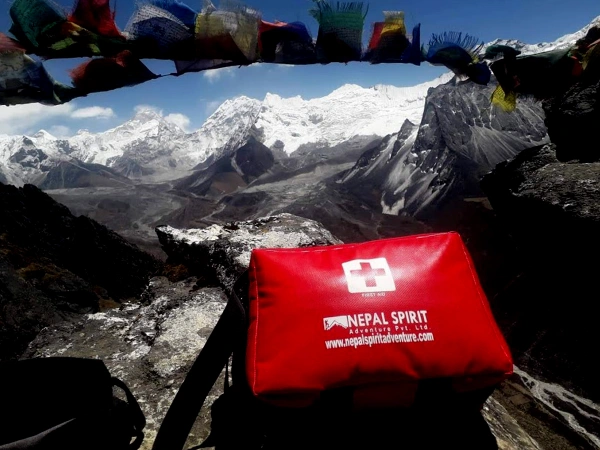
Personal Medications: Carry these in your daypack. While guides carry first-aid kits, they do not carry personal prescriptions.

Electrolyte Tablets / ORS (5–6 packs): Help support hydration and energy on long, dry trekking days at altitude.

Wool Trekking Socks (4–5 pairs): Provide cushioning for long days, regulate temperature, and keep you warm during cold starts above Dingboche.

Liner Socks (2 pairs): Reduce friction during long ascents and help manage moisture in the warmer lower sections.

Recommended but Optional Items for Everest Trekking

Trekking Poles: Help reduce knee strain during steep ascents to Namche and on long descents from Tengboche and Thukla Pass.

Water Purification Tablets (Backup): While the Nepal Spirit Adventure provides purification, having a backup is wise when refilling in Dingboche or Lobuche.

Filter Bottle or Steri PEN: Useful for long stretches, like the walk from Pheriche to Lobuche, where water access is limited.

Energy Bars / Trail Snacks (5–6): Great for slow, high-altitude days between Lobuche and Gorakshep.

Notebook and Pen: Helpful for taking notes about altitude, route details, and personal reflections.

Camera or Smartphone + Extra Memory: Cold weather near Gorakshep drains batteries quickly, so backups are essential.

Power Bank (20,000 m or higher): Charging facilities above Namche are limited; solar chargers may not work well, and paid options are available.

Earplugs: Enhance sleep in thin-walled tea houses where early departures are common.

Passport and Travel Insurance (Digital + Copies): Required at checkpoints, such as Lukla and Monjo, and needed for emergencies.

Local Cash (Approximately NPR 3,0000): Recommended for expenses like Wi-Fi, hot showers, battery charging, snacks, tea, coffee, and minor emergencies. Costs may vary depending on location and season.

Poncho (Monsoon Season Only): Useful during the monsoon months (June to September) but unnecessary in the dry season.

Hand and Foot Warmers: Valuable during winter and on sub-zero mornings above Lobuche.
16 Day Everest Base Camp Trek FAQs

The ideal time for a 16-day trek to Everest Base Camp is during the spring (March to May) and autumn (mid-September to November). These seasons provide clear skies, stable weather, and stunning mountain views, making for the safest and most enjoyable trekking experience.

Yes, the Everest Base Camp trek can be suitable for beginners with the right preparation. While it is a challenging trek, individuals with good fitness levels and a few months of training can complete it. The 16-day EBC trek is designed to be comfortable for novice trekkers.

You can expect to hike for 5 to 7 hours each day, covering 10 to 15 kilometers, depending on elevation and acclimatization. A typical daily schedule includes breakfast, 2 to 3 hours of trekking, a lunch break, and a few more hours of walking to reach the next teahouse.

Yes, it is highly recommended to book the 16-day Everest Base Camp trek in advance, especially during peak seasons, which are spring and autumn. Making a reservation in advance ensures guaranteed flights to Lukla, availability of accommodations, and sufficient time to arrange permits, guides, and other necessary logistics.

The Everest Base Camp (16-day EBC) trek is moderately difficult. It involves long walking hours, steep ascents and descents, and high altitudes that exceed 5,000 meters. Due to these conditions, careful acclimatization is essential to prevent altitude sickness. While the terrain is not technically challenging, the trek requires good physical fitness, mental endurance, and the ability to adapt to basic mountain conditions.

The highest altitude reached during the Everest Base Camp trek is 5,545 meters (18,192 feet) at Kala Patthar, where you can enjoy the best panoramic views of Mount Everest. The Everest Base Camp itself is located at an altitude of 5,364 meters (17,598 feet).

If flights to Lukla are delayed or canceled due to bad weather, which is common, you may need to wait in Kathmandu or Lukla for 1 to 2 days until conditions improve. In some cases, you might have the option of taking a helicopter flight (at an additional cost) if available. Booking with Nepal Spirit Adventure ensures that you receive assistance with rebooking, alternative travel options, and logistical support to minimize any disruption to your trek.

For the Everest Base Camp trek, you will need two permits: the Khumbu Pasang Lhamu Rural Municipality Permit and the Sagarmatha National Park Entry Permit. Both permits are included in your package and will be arranged for you.

The porter weight limit is 20 kg (44 lbs) per trekker. You can carry a daypack with essential gear and personal items such as water, snacks, a jacket, and valuables for easy access during the trek.

According to current regulations, solo trekking to Everest Base Camp without a licensed guide is not permitted. You are required to trek with a licensed guide for safety and compliance. While hiring a porter is optional, it is highly recommended if you want to lighten your load and conserve energy. Joining a guided group with Nepal Spirit ensures that your permits, logistics, safety, and accommodations are well-managed, making the experience smoother and more enjoyable.

Yes, you can purchase Ncell and NTC SIM cards in Kathmandu. These SIM cards generally work up to Namche Bazaar, Tengboche, Dingboche, Pheruche, and sometimes beyond.

Drone use is restricted in Sagarmatha National Park and typically requires a permit from the Civil Aviation Authority of Nepal (CAAN) and the park authorities.

During the 16-day Everest Base Camp trek, you will stay in teahouses that offer twin rooms, shared bathrooms, and heated dining halls. It is recommended to carry your own sleeping bag for added warmth and hygiene.

If you are trekking with Nepal Spirit Adventure, you do not need to pre-book teahouses, as all accommodations are included and arranged in advance. However, during peak seasons, teahouses can fill up quickly. Booking through Nepal Spirit ensures you have a comfortable place to stay each night along the trail.

Single rooms are available in some teahouses, especially at lower elevations such as Lukla,Phakding, and Namche Bazaar. As you ascend higher, availability decreases, and teahouses often prioritize accommodating more trekkers during busy seasons. If available, single rooms can typically be arranged for an additional cost. However, in high-altitude villages, you may still be required to share a room due to space constraints, regardless of your preference.

On the Everest trek, teahouses/lodges offer a variety of local and Western meals, including Dal Bhat (lentils and rice), noodles, pasta,porridge, and pancakes. Hot drinks such as tea, coffee, and lemon ginger honey are also widely available to keep you warm and hydrated.

Yes, vegetarian food is widely available on the Everest Base Camp trek, including dishes like dal bhat,vegetable fried rice,noodles,soups, and momos. Vegan options are also possible, but it’s best to inform your guide in advance since some items may contain ghee, butter, or dairy. Substitutions can often be arranged accordingly.

Yes, drinking water is available at teahouses along the Everest Base Camp trek, but it is typically boiled for a small fee. Bottled water is sold as well, but it can be expensive and environmentally unfriendly, especially at higher altitudes. It’s advisable to carry a reusable bottle along with water purification tablets or a filter for safe and sustainable hydration.

Yes, hot showers are available at most teahouses along the Everest Base Camp trek for an extra fee, usually ranging from $3 to $6, depending on the location and altitude. However, availability may be limited at higher elevations.

Yes, you can charge your phone or camera at most teahouses along the trek for an additional fee, typically around $2 to $5 per device. Charging options may be limited at higher altitudes, so it's a good idea to bring a power bank or solar charger as a backup.

Toilets on the Everest Base Camp trek are generally basic. Most teahouses offer squat toilets or simple Western-style toilets, often with shared facilities. It’s advisable to bring your own toilet paper and hand sanitizer.

Yes, travel insurance is essential for the Everest Base Camp trek. Ensure that your policy covers high-altitude trekking, helicopter evacuation, and trip cancellation for a safe and worry-free experience.

Common signs of altitude sickness include headache,nausea,dizziness,fatigue,loss of appetite, and difficulty sleeping. If symptoms worsen to include vomiting, severe breathlessness, confusion, or swelling, seek immediate medical assistance.

For the Everest Base Camp trek, pack a warm sleeping bag,thermal layers,waterproof and insulated clothing,trekking boots, trekking poles, a hat, gloves,sunglasses, a headlamp, a reusable water bottle, personal toiletries, a first-aid kit, snacks, and a power bank. Layering and quality gear are essential for your comfort and safety. For your information, visit the Everest Base Camp trek Packing list checker.

Tap and stream water along the trek is not safe to drink untreated. Use purification tablets, a filtered water bottle, or purchase boiled water from teahouses to stay safe and hydrated. Avoid drinking untreated water directly from taps or rivers.

In the event of an emergency on the Everest trek, inform your guide immediately. They are trained to handle emergencies and can arrange for medical assistance or helicopter evacuation if necessary. Always carry travel insurance that covers high-altitude trekking and emergency evacuation.

Acetazolamide (Diamox) is the most commonly used medication to prevent and alleviate symptoms of altitude sickness. It helps your body acclimatize faster by improving breathing at high altitudes.

If you sustain an injury during the trek, inform your guide immediately. Nepal Spirit Adventure will coordinate the emergency response, which may include medical assistance or helicopter evacuation if necessary.

The 16-day Everest Base Camp Trek package with Nepal Spirit Adventure costs USD 1,599 per person. This price includes permits,accommodation,meals (three per day), domestic flights, and Sherpa local trek guide and porter services.

You should carry Nepali Rupees (NPR), approximately Rs. 30,000, for the 16-day Everest Base Camp trek. It is advisable to exchange or withdraw enough cash in Kathmandu, as exchange rates in the mountains are generally unfavorable and ATMs are unreliable.

A common guideline for tipping on the Everest Base Camp (16-day EBC) trek is to tip around 10–15% of your total trip cost. This amount should be divided between your guide and porter.

To support local communities responsibly during the Everest Base Camp trek, consider hiring local Sherpa guides and porters, staying in locally owned teahouses, purchasing handmade goods, and respecting cultural traditions. Additionally, minimize your environmental impact by avoiding single-use plastics and using reusable bottles and eco-friendly products.

Please note that the 20% deposit is non-refundable if you cancel your 16-day Everest Base Camp trek for any reason, including injury, illness, or unforeseen circumstances. However, we highly value our customers and offer a full credit, valid for a lifetime, that can be applied towards any future trips with us.

What Our Guests Say?

Everest Base Camp Trek 2026

Everest Base Camp Trek with Nepal Spirit Adventure 2026

Nepal Spirit Adventure went above and beyond during my experience; they organized absolutely everything for me, from airport pickup to drop-off and everything in between. They were flexible in accommodating my...

read more +
Giovanna
Giovanna -Brazil
May 16, 2026
Everest base camp trek, Jan 2026

Brilliant, thanks to Ram and the Nepal Spirit Adventure team!

My Son and I walked the EBC together with our guide, Tony, and porter, Nabin. They were the best. Compared to others we saw on the trail, they were on...

read more +
David
David -Australia
February 02, 2026
Everest base camp trek with Nepal Spirit Adventure

Everest base camp trekking with Nepal spirit adventure!!

Jan 2026:

I had an incredible experience trekking to Everest Base Camp with Nepal Spirit, and I couldn’t have asked for a better team to support us along the way. From start...

read more +
George Hill
George Hill -Australia
February 01, 2026

Handpicked for You

Best Seller
Everest Base Camp Trek
Duration: 14 Days
5.0(138 Reviews)
Price From
US$1390
EBC Trek Helicopter Return
Duration: 10 Days
5.0(6 Reviews)
Price From
US$2599
Everest Three High Passes Trek - 21 Days
Duration: 21 Days
5.0(12 Reviews)
Price From
US$1799
Need Help? Call Us+977 9851072590