15-Day Annapurna Circuit Trek Package Information: Accommodation, lodge, food, transportation, equipment packing list, permit, map, trip departure date, and more details.
Arrival and Departure Transportation
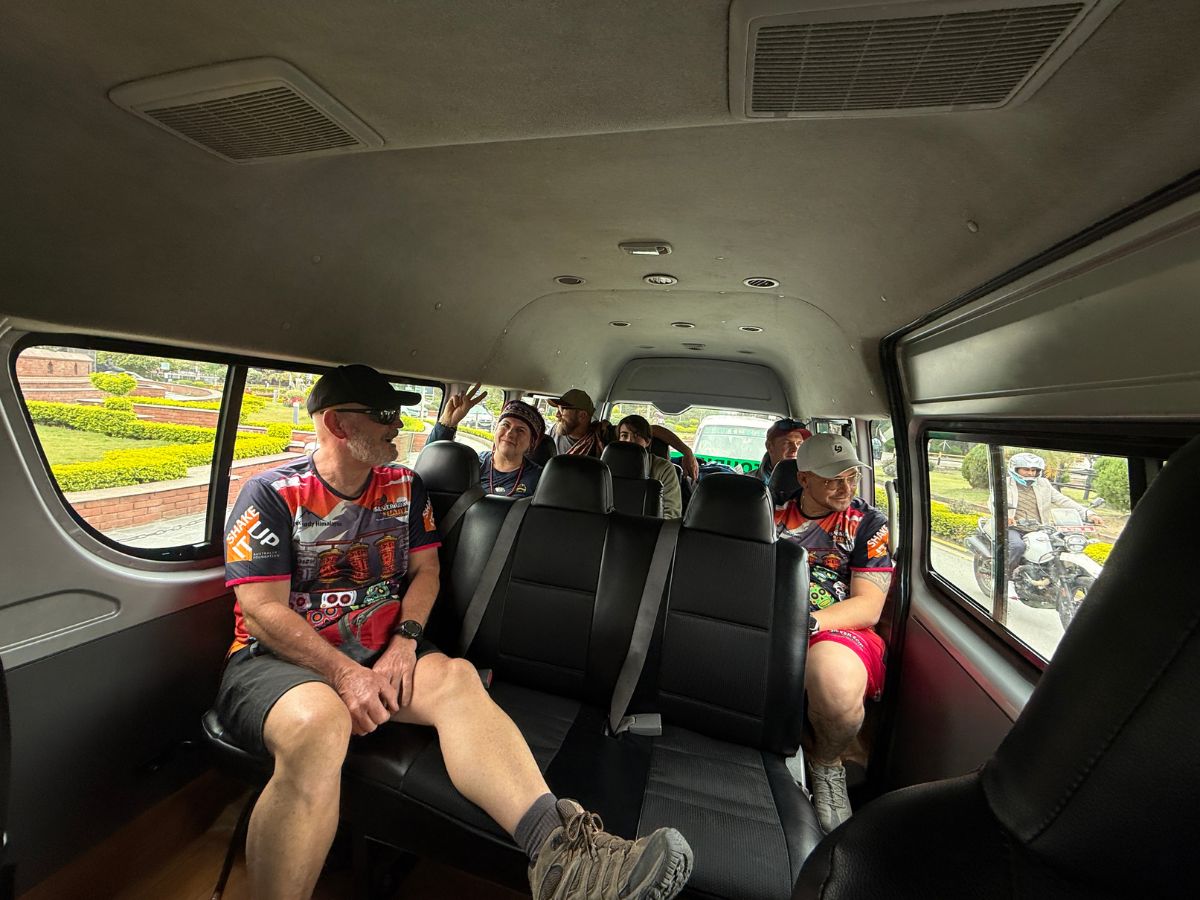
Your Annapurna Circuit Trek package includes convenient and comfortable private transportation for all scheduled airport transfers. Upon your arrival at Tribhuvan International Airport in Kathmandu, our representative will warmly welcome you and transfer you to your hotel by private vehicle. At the end of your journey, we will also provide a private transfer from your hotel to the airport for your international departure.
The package also includes private vehicle transfers for all domestic flight arrivals and departures in Kathmandu and Pokhara, ensuring a smooth and hassle-free travel experience throughout your trek. All transportation is arranged according to the Annapurna Circuit Trek itinerary, allowing you to focus on enjoying your Himalayan adventure.
Accommodation in Kathmandu and Pokhara
During the 15-day Annapurna Circuit Trek, we provide comfortable accommodation in 3-star tourist-standard hotels in both Kathmandu and Pokhara. Your stay includes three nights in Kathmandu and one night in Pokhara, with daily breakfast included.
Accommodation is provided on a twin-sharing basis, with guests sharing a room with another traveler of the same gender whenever possible. If you prefer the privacy of a single room throughout the trip, this can be arranged for an additional single supplement. Please contact Nepal Spirit Adventure or your travel consultant in advance to arrange and confirm the additional cost.
Accommodation During the Annapurna Circuit Trek
Throughout the Annapurna Circuit Trek, accommodation is provided in comfortable teahouses (mountain lodges) on a twin-sharing basis. These locally operated lodges offer a warm and welcoming atmosphere, allowing you to experience authentic Himalayan hospitality while trekking through the Annapurna region.
After each day of 5–7 hours of trekking, our experienced trekking crew will arrange clean and comfortable rooms where you can rest and recharge for the next day's adventure. While facilities become more basic at higher elevations, all selected teahouses provide a safe and comfortable place to sleep, with shared dining areas where trekkers can relax, enjoy freshly prepared meals, and connect with fellow travelers.
What Meals Are Included in the 15-Day Annapurna Circuit Trek?
Your 15-day Annapurna Circuit Trek package includes carefully planned meals to keep you energized throughout your journey.
During your stay in Kathmandu and Pokhara, daily breakfast is included at your hotel. While trekking, full-board meals are provided, including breakfast, lunch, and dinner each day.
The teahouses along the Annapurna Circuit offer a wide variety of freshly prepared meals. You can enjoy traditional Nepalese cuisine, including the popular Dal Bhat, as well as a selection of Tibetan, Continental, Italian, and Indian dishes. Breakfast and dinner are served at the teahouse or lodge where you stay overnight, while lunch is enjoyed at a teahouse along the trail during the day's trek.
Our goal is to provide nutritious, hygienic, and satisfying meals throughout the trek, helping you maintain your energy and enjoy a comfortable trekking experience in the Himalayas.
Safe Drinking Water
Staying well hydrated is essential during the Annapurna Circuit Trek, especially at higher altitudes. We recommend drinking 3–4 liters of water per day to help prevent dehydration and reduce the risk of Acute Mountain Sickness (AMS).
Safe drinking water is readily available throughout the trek. You can purchase sealed bottled mineral water or boiled drinking water at most teahouses and local shops along the route. Boiled water is a more environmentally friendly option and is widely used by trekkers.
Although water from rivers, springs, and taps may appear clean, we do not recommend drinking it untreated. If you choose to use these water sources, always purify the water with water purification tablets, a portable water filter, or a UV purifier before drinking.
The cost of bottled or boiled drinking water generally ranges from USD 1–2 per liter, with prices increasing at higher elevations due to transportation costs. Since beverages and drinking water are not included in the trekking package, we recommend budgeting for these additional daily expenses.
Experience and Fitness Requirements
The Classic Annapurna Circuit Trek is considered a moderate to challenging adventure, making it ideal for enthusiastic trekkers with a good level of physical fitness. During the trek, you should be prepared to walk 5–7 hours per day while carrying a light daypack.
Although the trails are generally non-technical, trekking at high altitude is significantly more demanding than hiking at lower elevations. A positive attitude, strong determination, and adequate physical preparation are key to enjoying a safe and rewarding experience. No previous mountaineering or technical climbing skills are required, but prior hiking or trekking experience is an advantage.
To prepare for the trek, we recommend engaging in regular exercise—such as hiking, jogging, cycling, or stair climbing—for several weeks before your departure. Improving your endurance and cardiovascular fitness will help you adapt more comfortably to the demands of the trek.
If you have any pre-existing medical conditions, particularly those related to the heart, lungs, blood pressure, or respiratory system, you should consult your doctor before booking the trek. We also encourage you to inform Nepal Spirit Adventure of any medical conditions or special requirements in advance so that we can provide appropriate support and help minimize the risks associated with high-altitude trekking, including Acute Mountain Sickness (AMS).
Nepal Spirit Adventure's Experienced Trekking Crew for the Annapurna Circuit
At Nepal Spirit Adventure, we believe that a knowledgeable and experienced trekking team is the key to a safe, enjoyable, and memorable Himalayan adventure. Since the Annapurna Circuit Trek passes through remote mountain regions and reaches high altitudes, every trip is led by skilled professionals who prioritize your safety, comfort, and overall experience.
Our trekking guides are government-licensed, highly experienced, and have extensive knowledge of the Annapurna region, local culture, mountain trails, and altitude safety. Many of our guides have over a decade of trekking experience, allowing them to confidently manage every aspect of your journey while sharing fascinating insights into the history, traditions, and daily life of the Himalayan communities you visit.
All of our guides are trained in first aid, high-altitude safety, and emergency response, and regularly participate in refresher training to maintain the highest professional standards. They are committed to providing outstanding service, ensuring that every trek is well organized, informative, and enjoyable for travelers from around the world.
We also follow responsible trekking practices by employing experienced local porters and ensuring they receive fair wages, proper equipment, reasonable load limits, meals, accommodation, and insurance. Typically, one porter carries the luggage of two trekkers, allowing you to enjoy the trek with only a light daypack.
For larger groups, we assign both a lead guide and an assistant guide to ensure smooth coordination and additional support throughout the journey. This team-based approach enhances safety, provides personalized assistance, and ensures the trek continues seamlessly, even in unexpected situations.
Throughout your adventure, our crew will be there to help with logistics, answer your questions, introduce you to Nepalese culture and traditions, and teach you a few local phrases along the way. With Nepal Spirit Adventure, you can trek with confidence, knowing you're supported by a dedicated local team committed to making your Annapurna Circuit experience safe, authentic, and unforgettable.
Is an Acclimatization Day Required for the Annapurna Circuit Trek?
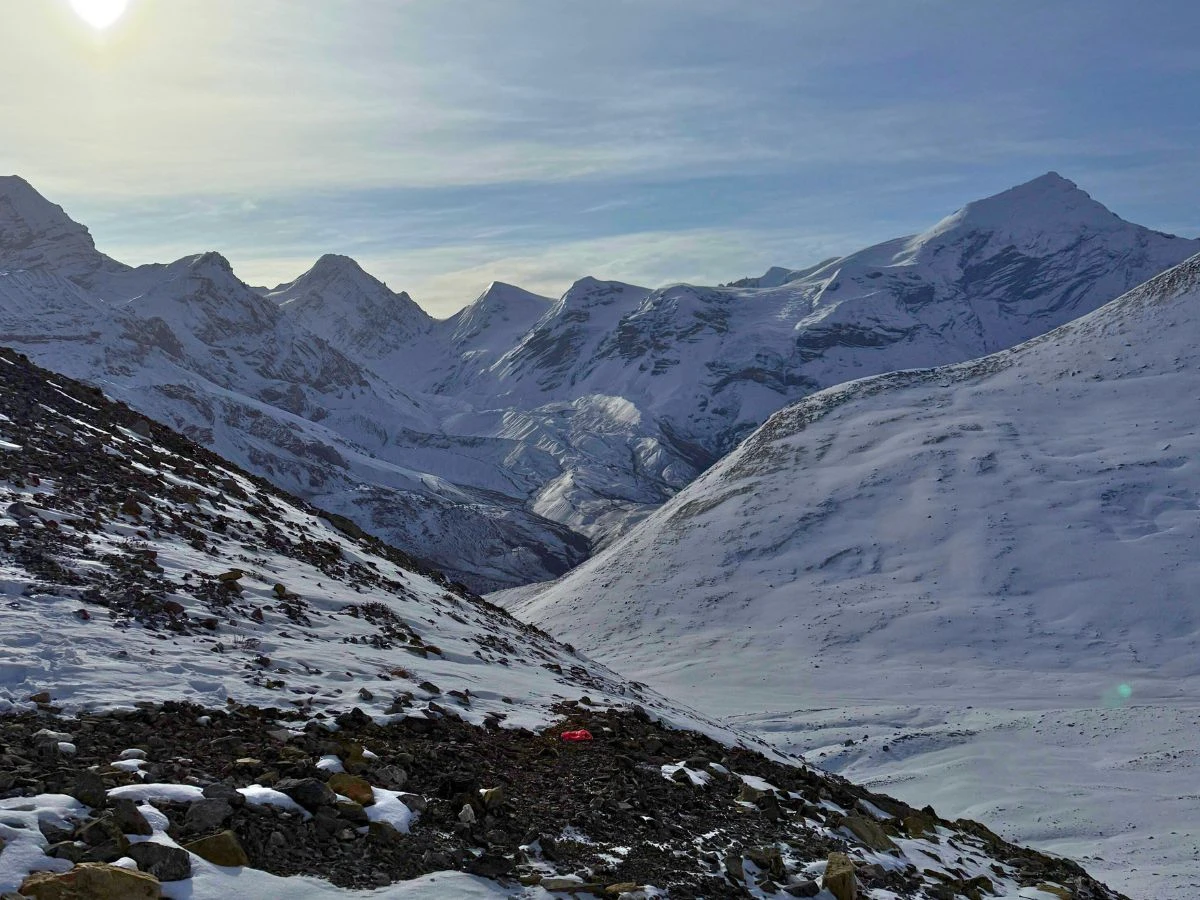
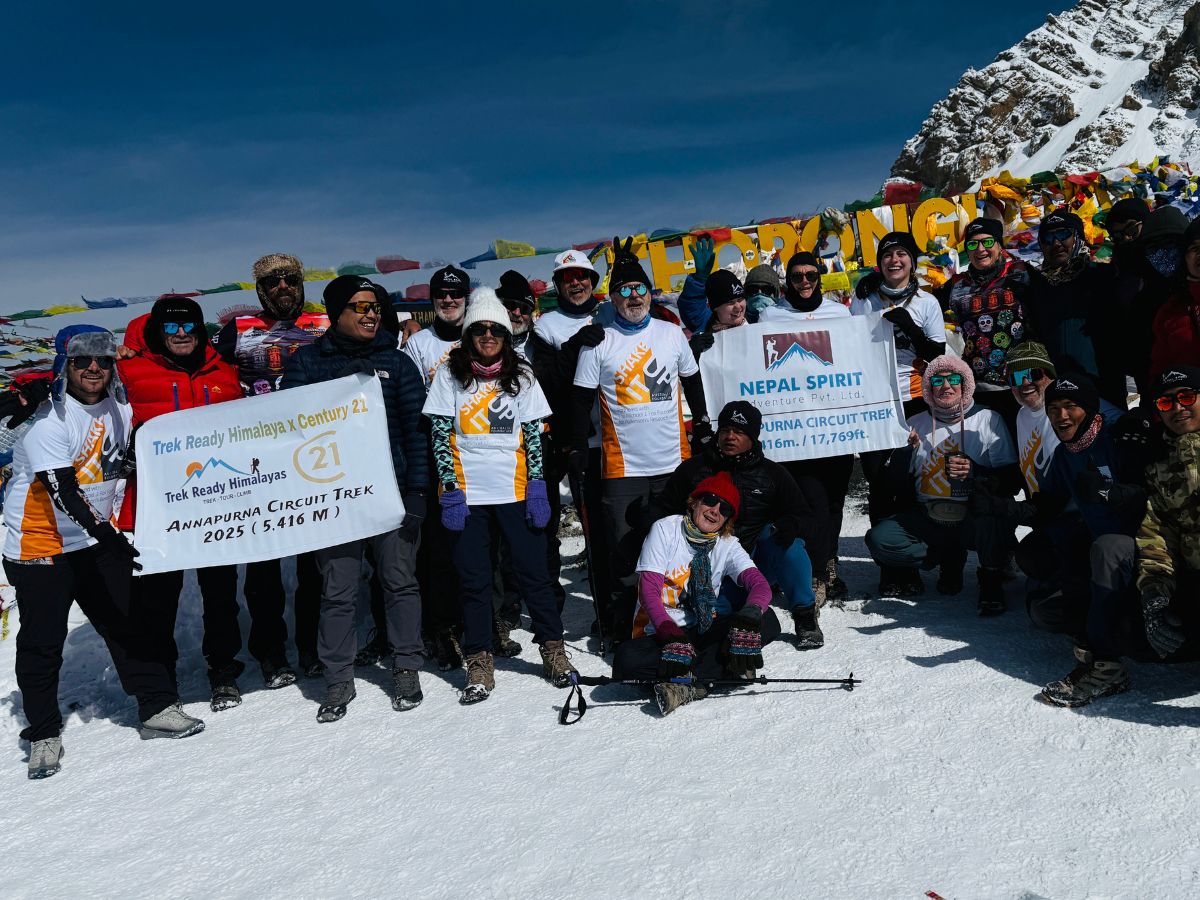
Yes. Acclimatization is an essential part of the Annapurna Circuit Trek. As the trail reaches an elevation of 5,416 meters (17,769 ft) at Thorong La Pass, allowing your body enough time to adjust to the increasing altitude is crucial for a safe and enjoyable trekking experience.
At Nepal Spirit Adventure, all of our trekking itineraries are carefully designed with a strong focus on preventing Acute Mountain Sickness (AMS). Our schedule includes gradual altitude gain and dedicated acclimatization time to help your body adapt naturally before ascending to higher elevations.
Although proper acclimatization significantly reduces the risk of altitude sickness, it cannot eliminate it completely. Every trekker responds differently to high altitude, regardless of age, fitness level, or previous trekking experience. For this reason, our experienced guides closely monitor your health throughout the trek, provide advice on hydration and pacing, and are fully prepared to respond if any altitude-related symptoms occur.
To further reduce the risk of AMS, we recommend:
- Walking at a steady, comfortable pace.
- Drinking 3–4 liters of water each day.
- Avoiding alcohol and smoking at higher elevations.
- Eating nutritious meals and getting adequate rest.
- Informing your guide immediately if you experience symptoms such as headache, nausea, dizziness, fatigue, or shortness of breath.
Your safety is our highest priority. With a well-planned itinerary, experienced guides, and careful attention to acclimatization, Nepal Spirit Adventure ensures you have the best possible chance of successfully crossing Thorong La Pass and enjoying an unforgettable Annapurna Circuit Trek.
Charging Electronic Devices
Most teahouses along the Annapurna Circuit Trek offer charging facilities for electronic devices such as mobile phones, cameras, power banks, and smartwatches. Charging is typically available through electricity or solar power, depending on the location and altitude.
Nepal uses a 220–240V electricity supply at 50Hz, so we recommend bringing a universal travel adapter if your device uses a different plug type. Adapters and other travel accessories can be purchased in Kathmandu before your trek.
Please note that charging facilities at higher elevations are limited and usually require a small additional fee per device or per charging session. As electricity becomes scarcer in remote mountain villages, the cost generally increases with altitude. We also recommend carrying a fully charged power bank to ensure your devices remain powered throughout the trek.
Group Size and Departure Dates
Nepal Spirit Adventure offers both fixed departure group treks and private Annapurna Circuit Trek packages to suit your travel preferences.
Our standard group size ranges from 2 to 10 trekkers, although larger groups can be arranged upon request. If you are traveling alone, we are happy to organize a private solo trek with a single supplement or help you join one of our scheduled group departures.
If our published departure dates do not match your travel plans, simply let us know your preferred dates. We can arrange a custom private departure or open a new group departure based on availability, giving you the flexibility to trek when it suits you best.
Trekking Equipment Packing List
The trek to the Annapurna Circuit is at a high altitude above 5,416 m. At Thorong La Pass, you need to prepare well with trekking equipment before leaving Kathmandu. We recommend the following trekking equipment: cross-check this list when you are packing. If you do not have them with you from your place, remember that you can hire or buy them at a very reasonable price in Kathmandu after you arrive in Nepal.
Head:
- Sun hat or scarf, or neck gaiter
- Light balaclava or warm fleece hat
- Sunglasses with UV protection
Upper Body:
- T-shirts
- Light and expedition-weight thermal tops
- Fleece jacket or pullover
- Fleece Wind-Stopper jacket (optional)
- Waterproof (preferably breathable fabric) shell jacket
- Down vest or jacket
Lower Body:
- Undergarments
- Hiking shorts
- Lightweight cotton long pants
- Light and expedition-weight thermal bottoms
- Fleece or wool pants (seasonal)
- Waterproof (preferably breathable fabric) shell pants
Feet:
- Thin, lightweight inner socks
- Thick, warm wool hiking socks
- Hiking boots with spare laces
- Camp shoes (sneakers and/or sandals), Gaiters for hiking in winter to the base camp
Hands:
- Lightweight gloves
- Heavyweight gloves or mittens with a waterproof shell outer (seasonal)
Accessories:
- Sleeping bag rated to zero DC * Supplied
- Headlamp (e.g., Petzl Zoom) with spare bulbs and batteries
- Trekking Bags/Duffel bag *
- Basic First Aid Kit
- Large plastic bags - for keeping items dry inside the trek bag
- Daypack (approximately 2500 to 3000 cubic inches)
- Trekking Poles
- Water bottle (2) or camel bag
- Toiletries (Small wash towel, Toilet paper in a plastic bag, etc.)
- Ear Plugs (who knows, some people in the group are snoring)
- Personal First Aid Kit
- Lip Guard
- Passport copies
- Flashlight
Toiletries:
- 1 medium-sized quick-drying towel
- Toothbrush/paste (preferably biodegradable)
- Multipurpose soap (preferably biodegradable)
- Aquatabs
- Deodorants
- Nail clippers
- Face and body moisturizer
- Feminine hygiene products
- Small mirror
- Suncream or Zinc Sun protection
Personal Hygiene:
- Wet wipes (baby wipes)
- Tissue /toilet roll
- Bacterial hand wash
Extras Luxuries:
Camera, spare batteries, and or Binoculars
- Reading a book
- Trail Map/Guidebook
- Journal & Pen
What do you carry for the trek?
Please, bring the equipment listed above and pack your gear for the trek into a duffel bag or rucksacks, and a small day bag for you. The larger bag with your kit will be carried by the porter to meet you each evening. You should bring a day pack to carry by yourself for water, a rain jacket, a hat, gloves, a camera, money, etc. The weather in the mountains is changeable, so you will need some warm clothes with you in your day pack.
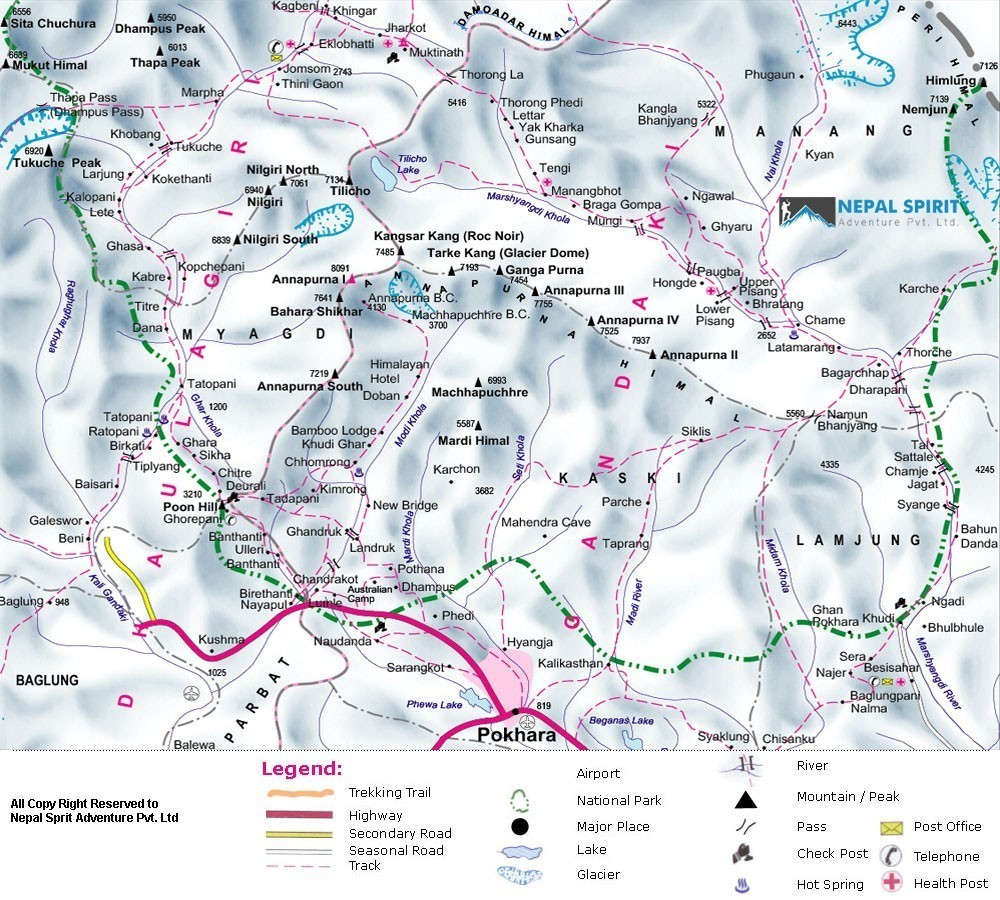
Annapurna Circuit Trek Map
Our expert team has designed simple but vast details of the Annapurna Round Trekking Trail starting at Beshisahar- crossing Thorong La Pass (top) 5,416m, which is the highest point of the trek, and will end at the low height point Pokhara at 8,20m after clearing the flight from Jomsom. The trek route was very popular and the longest trek in Nepal. Now we can finish this Himalayan walk within 15 days, which also includes your Nepal arrival day and departure from Kathmandu (capital city), Nepal.
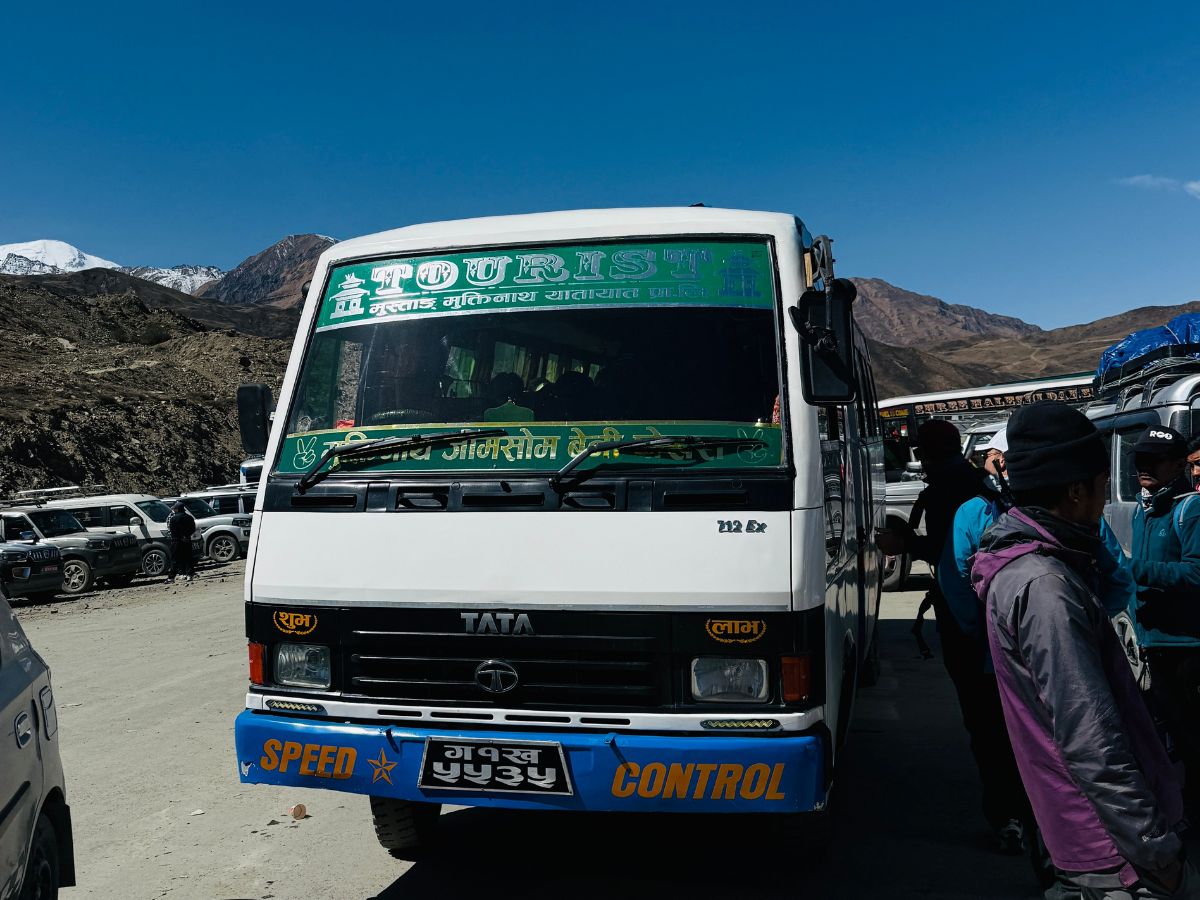
Because of a remote area of the Annapurna circuit, many villages are linked by roadways; the actual trip days are 11 days after an overland drive from Kathmandu to Syange, then walking to Thorong La 5,416m through Pisang and beautiful Manang villages. After a huge snow passes the trail of Thorong top, then descending to the Hindu Holy temple (Muktinath), a hike or bus ride to Jomsom, both options are available due to the roadway link from Pokhara, Beni, Jomsom, and Muktinath.
Our old Trek Map provides you with clear information; we call this your second guide for this venture. Enjoy reading the Annapurna Circuit Trek Map below.
Internet Communication
The route of the Annapurna Circuit isn’t like 16 years ago; a lot has happened and changed there. The rural villages are connected by internet communication and roadways, and the internet is available at teahouses, lodges/hotels. You can use Wi-Fi for an additional cost. Once we reach the high altitudes, we’ll use phones for communication. The Nepal Spirit Adventure office will remain in contact with all its trek groups at least once a day through the team guide to ensure that the trek is progressing as expected.
During the trekking period above the high-altitude villages, the telephone network will be working; you can buy a local SIM CARD in Kathmandu for communication. However, depending on the kind of network you use, you might get the signals, but they may not be strong enough at high altitudes. NTC and NCELL both SIMs are working along the trek.
Tipping
Tipping is a valued tradition in Nepal's trekking industry and is a meaningful way to show appreciation for the hard work and dedication of your trekking crew. While tipping is entirely voluntary, it is always welcomed as a gesture of gratitude for excellent service.
The amount you choose to tip is entirely at your discretion and may depend on factors such as the quality of service, the length of your trek, and your overall experience. As a general guideline, many trekkers choose to contribute approximately 10–15% of the total trek cost, but there is no fixed requirement or obligation.
We recommend presenting tips at the end of the trek, preferably as a group, so they can be shared fairly among the guides, porters, and support staff. Your generosity is greatly appreciated and helps recognize the commitment and professionalism of the team that supports your Himalayan adventure.
A Memorable End to Your Annapurna Circuit Trek
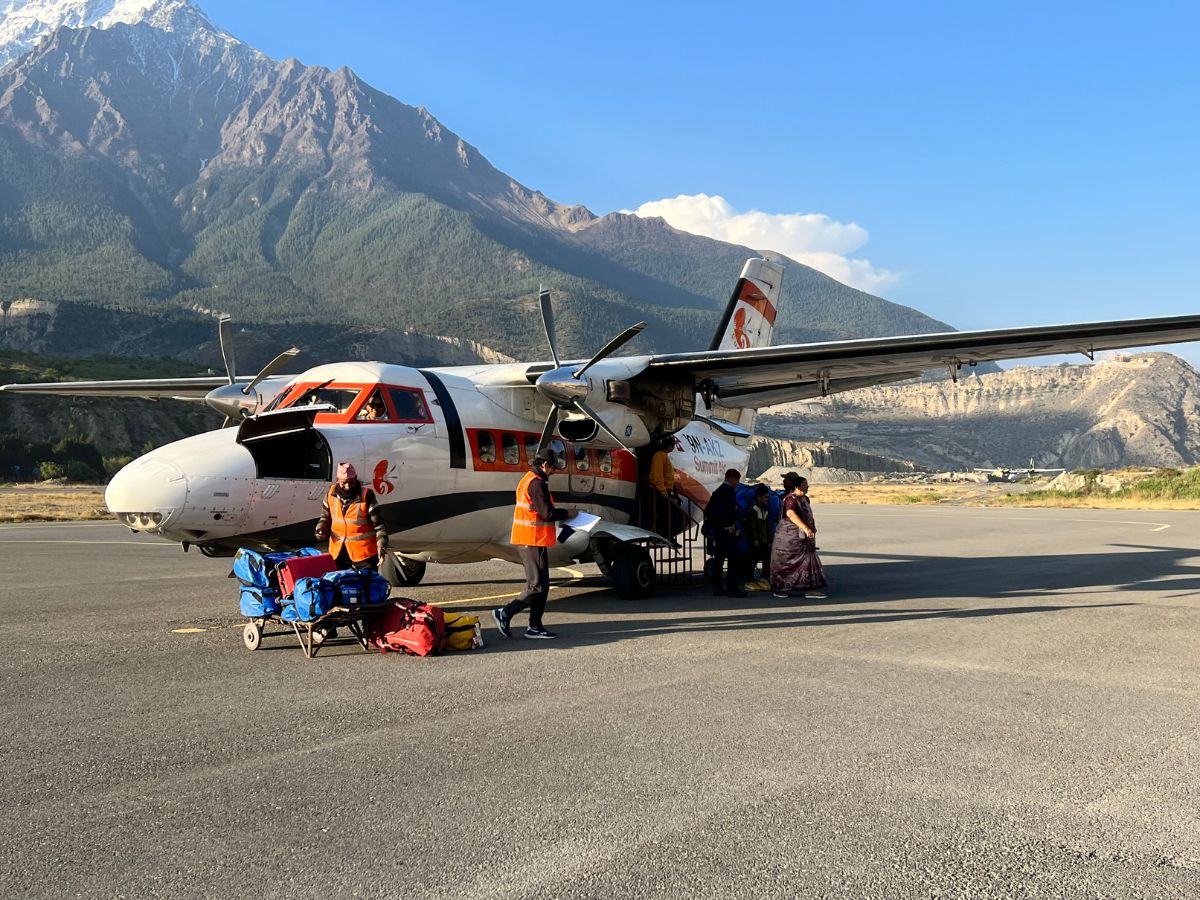
Your Annapurna Circuit Trek concludes in Jomsom, where you will board a scenic domestic flight to Pokhara, enjoying spectacular aerial views of the Himalayas and the Kali Gandaki Valley.
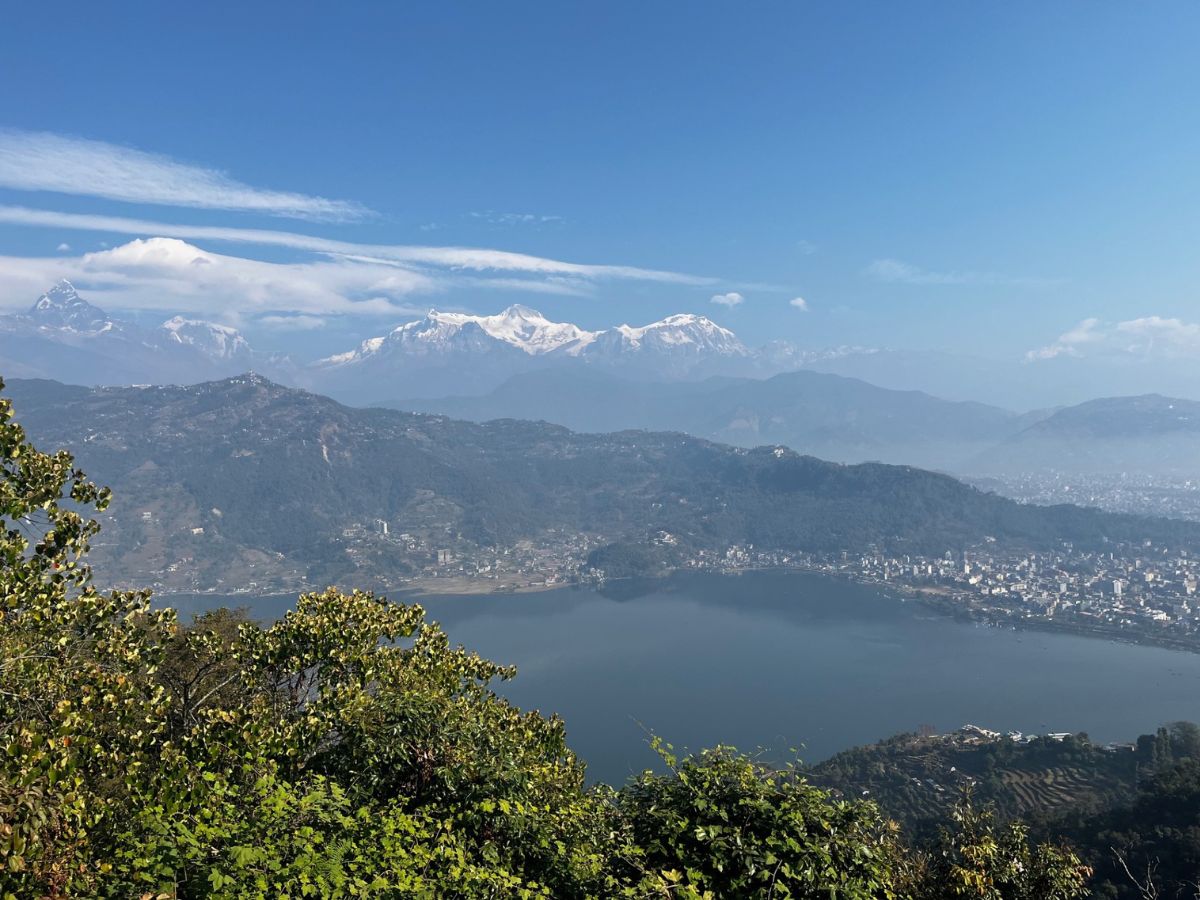
Upon arrival at Pokhara Domestic Airport, a representative from Nepal Spirit Adventure will welcome you and transfer you to your hotel by private vehicle. The remainder of the day is yours to relax and explore this beautiful lakeside city. Take a leisurely stroll along Phewa Lake, unwind at one of the many cafés, or simply enjoy the peaceful atmosphere. If you wish, you can also join an optional Pokhara sightseeing tour for an additional cost.
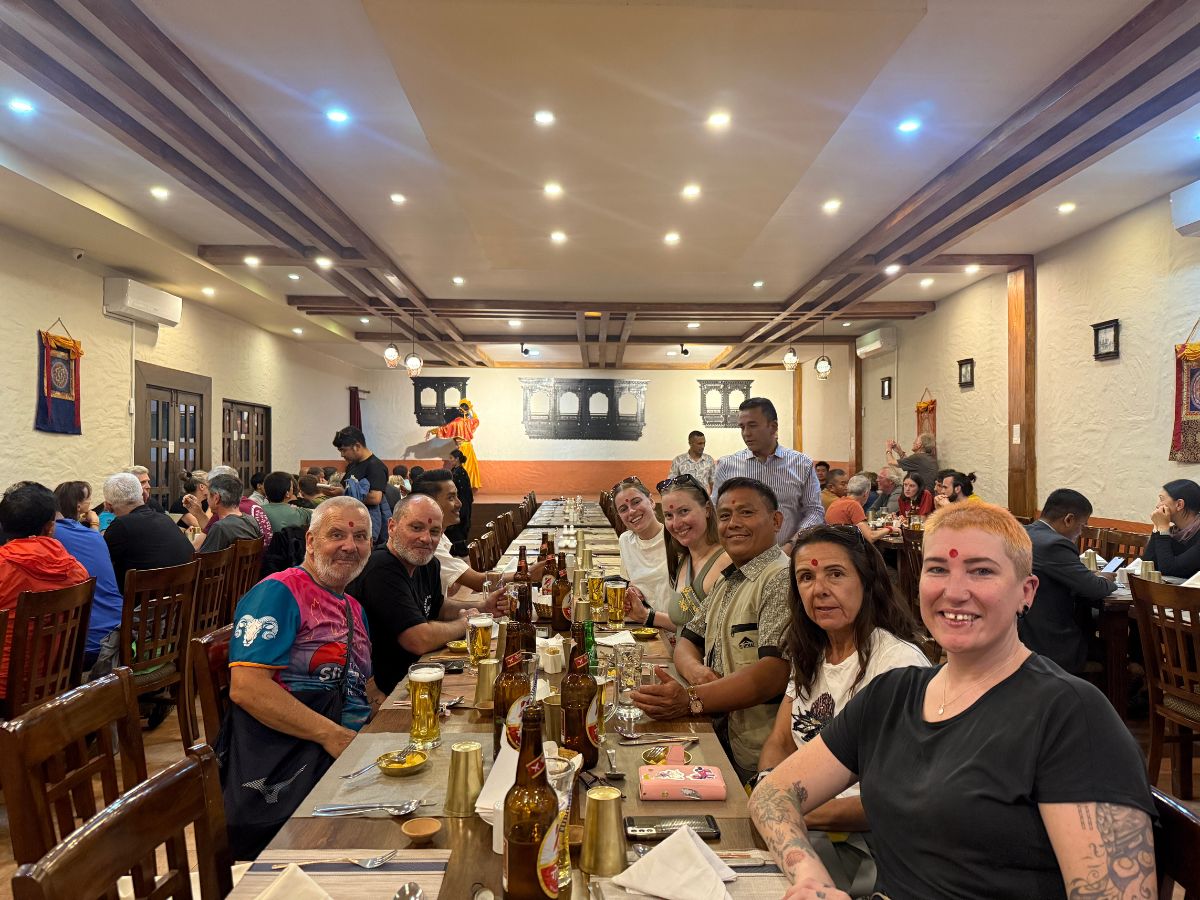
The following day, you will fly back to Kathmandu, where our team will meet you at the domestic airport and transfer you to your hotel. In the evening, we invite you to join our complimentary farewell dinner, a wonderful opportunity to celebrate the successful completion of your trek, share stories with your fellow trekkers, and enjoy authentic Nepalese hospitality.
We look forward to celebrating your Himalayan adventure with you and hope to welcome you back to Nepal for another unforgettable journey with Nepal Spirit Adventure.