Arrival in Kathmandu (Nepal) Free Airport Pickup Service
Upon your arrival at Tribhuvan International Airport in Kathmandu, our airport representative will warmly welcome you and transfer you to your hotel. In the afternoon or evening, we will go over the trek itinerary in detail, discuss what is included and excluded in the services, and introduce you to your trekking guide, who will help you with your final trek preparations. We are pleased to offer complimentary airport pickup service from Kathmandu (Tribhuvan) International Airport. Please remember to send us your flight arrival details, including the name of the airline and arrival time.
Hotels in Kathmandu & Pokhara
In Kathmandu and Pokhara, you will find a variety of hotel options across different categories. We are delighted to provide you with ample choices for exploring and reserving your accommodation independently.
If you decide to proceed with the Annapurna Sanctuary trek, your booking includes hotel accommodations in both Kathmandu and Pokhara. We are happy to assist you with arranging hotels in these cities. The cost for a double bedroom in a three-star hotel is approximately $45 to $50 per night, which includes a delicious breakfast in addition to the Annapurna Sanctuary (ABC) trek package. If you prefer a more budget-friendly option, tourist-standard budget hotels are also available.
Accommodation During the Trek
During the Annapurna Sanctuary Trek, accommodations are provided in tea houses, which are simple mountain lodges. These tea houses function as guest houses and typically feature a dining hall and a communal area.
Rooms usually contain twin beds along with basic furniture. While blankets are provided, we strongly recommend bringing your own sleeping bag for added comfort.
Most lodges have shared bathrooms equipped with either squat toilets or Western-style toilets. Running water is commonly available, and hot showers can usually be accessed for a small additional charge.
Food During the Annapurna Sanctuary Trek
You will enjoy full-board meals, including breakfast, lunch, and dinner throughout the trek.
Meals are served in tea houses, with breakfast and dinner at your overnight lodge and lunch en route. Popular dishes include:
- Traditional Nepali Dal Bhat (rice, lentils, vegetables)
- Noodles, soups, potatoes, rice, and seasonal vegetables
- Western-style meals such as pasta, pizza, and French fries (available in some lodges)
Tea houses also serve snacks, soft drinks, and sometimes alcoholic beverages. Breakfast options often include cereals, bread, and a variety of egg dishes.
Safe Drinking Water on the Trek
Staying hydrated is essential, especially at higher altitudes. We recommend drinking 3–4 liters of water daily to prevent dehydration and altitude sickness.
We provide filtered and purified drinking water during the trek.
If you prefer bottled mineral water or boiled water, it is available at tea houses for an additional cost.
Health & Fitness Requirements
Good physical health and fitness are important for a successful trek. Even if you have no prior trekking experience, you can prepare by walking, hiking, or cycling for several weeks before your trip.
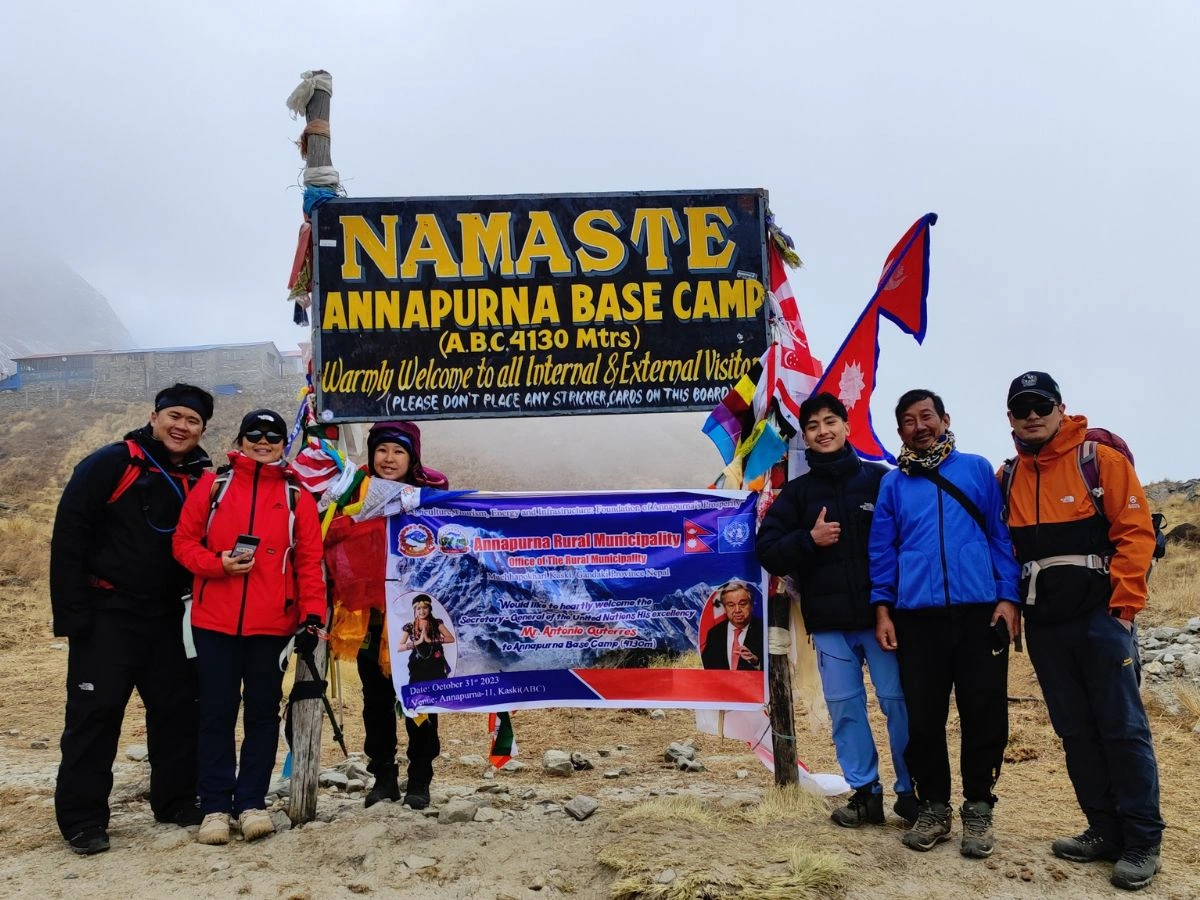
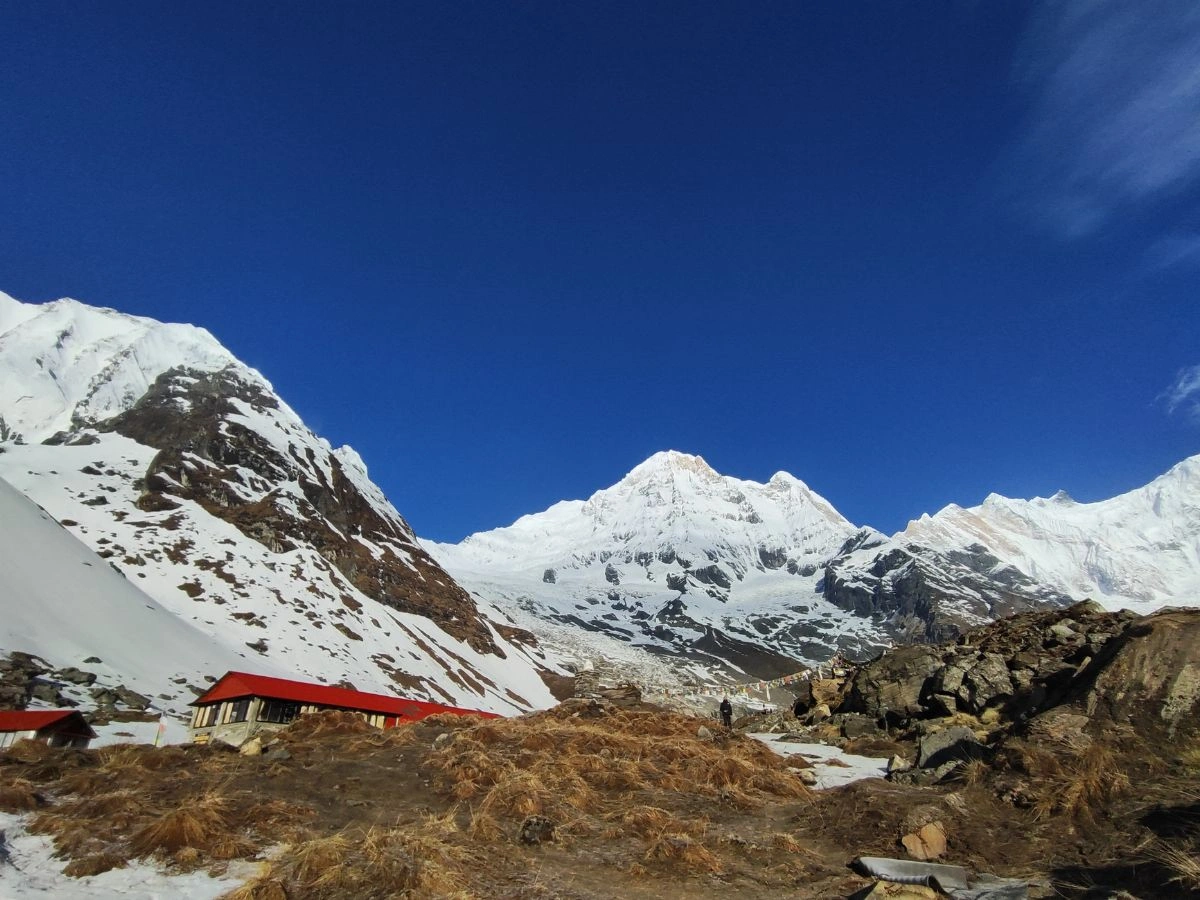
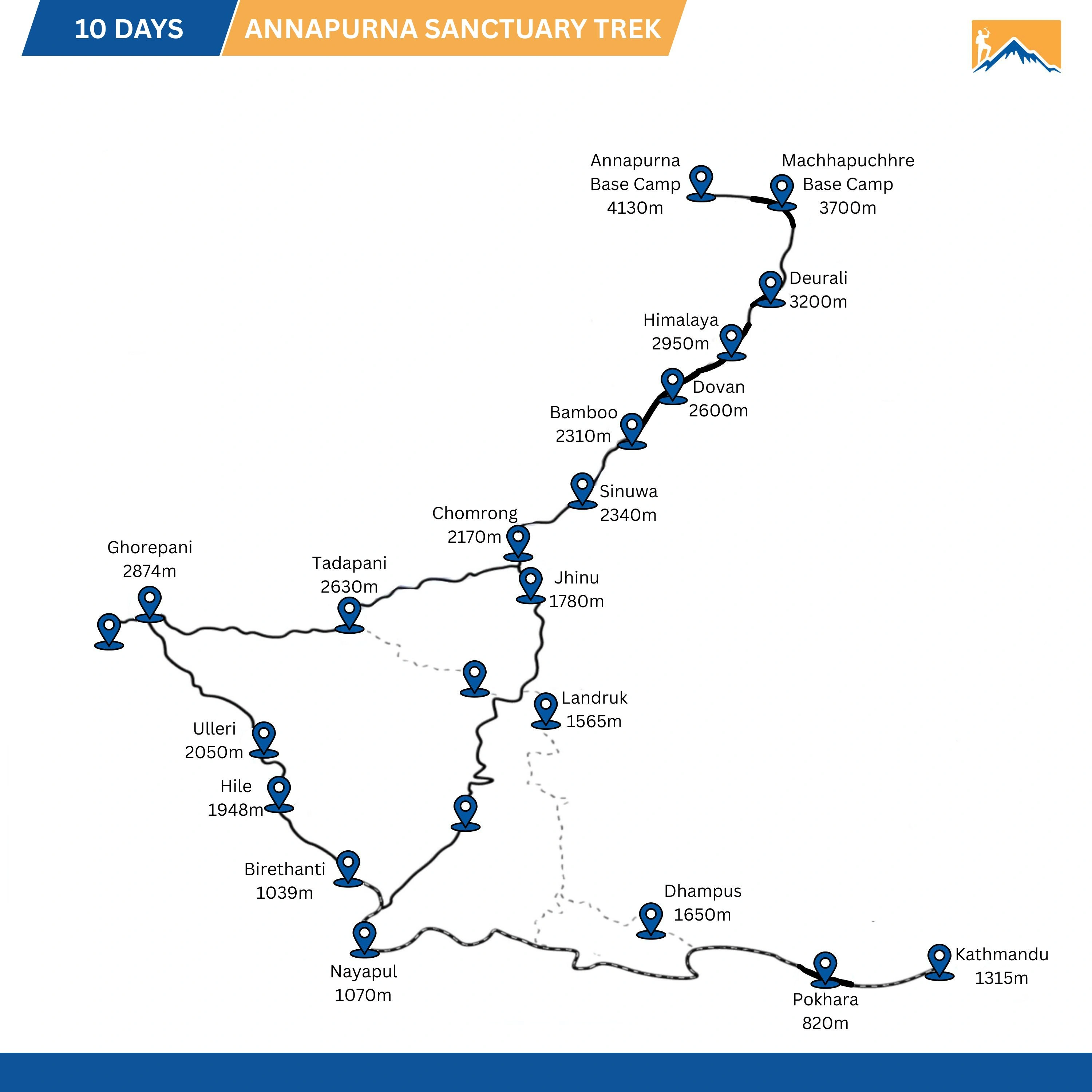
The highest altitude on this trek is 4,130m, and the trail includes gradual ascents, descents, and walking through villages, farmlands, terraces, and river valleys.
Expect to walk 4–6 hours per day.
We strongly recommend a medical check-up before travel and requesting clearance from your doctor. Please provide us with any relevant health information while booking.
Experienced Trekking Guides & Staff for Your Safety
Trekking in Nepal’s remote mountain regions requires knowledgeable, skilled guides. At Nepal Spirit Adventure:
- All guides are government-licensed and certified by TAAN and the Nepal Mountaineering Association.
- Each guide has 9–10 years of professional trekking experience.
- Our staff receives yearly training in first aid, high-altitude safety, and customer care.
Your guide will provide cultural insights, manage daily logistics, and ensure your safety throughout the journey.
We typically assign one porter for every two trekkers, and larger groups include assistant guides to maintain safety and smooth operation.
Charging Electronic Devices During the Trek
Most tea houses offer electricity or solar power for charging phones, cameras, and other electronics.
- Electricity supply: 220–240 volts, 50Hz
- Bring a universal plug adapter, available in Kathmandu
A small fee per hour may be charged by the lodge for device charging.
High Altitude Sickness Information
Altitude sickness (Acute Mountain Sickness—AMS) can occur when ascending above 3,000m. Common symptoms include shortness of breath, headache, nausea, and dizziness.
Always inform your guide immediately if you notice any symptoms.
To reduce risks:
- Ascend gradually
- Stay hydrated with 3–4 liters of water daily
- Avoid alcohol
- Rest if needed
Our guides are trained to handle altitude-related issues and will take appropriate action if symptoms arise.
Group Size
We offer both fixed departure treks and private treks:
- Minimum group size: 1 trekkers
- Maximum group size: 10+ trekkers (on request)
- Solo trekking can be arranged with a single supplement fee
If our scheduled group departure dates do not match your availability, we can easily open a new group departure for your preferred date.