19
Days

Pisang Peak Climbing

144 Reviews in TripAdvisor
30 Reviews in Google Reviews

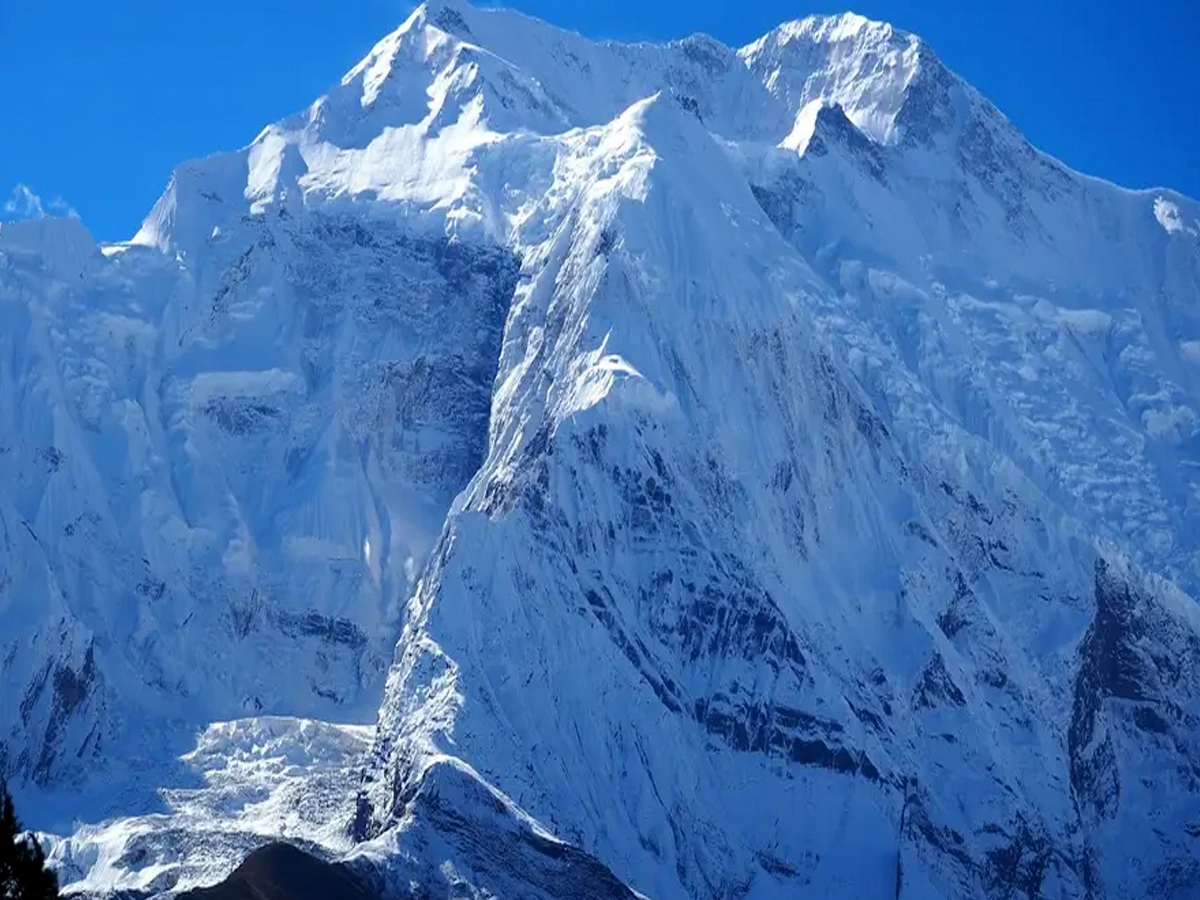
Pisang Peak stands at 6,091 meters and is one of the popular trekking peaks in Nepal, located in the Manang District of the Annapurna region. Climbing this peak complements the Annapurna Circuit trek beautifully. It offers stunning views of Annapurna II, III, IV, Gangapurna, Tilicho Peak, and Manaslu. The climb is considered achievable for trekkers who are physically fit and have some basic mountaineering experience.

Difficulty Level: Climbing Pisang Peak is moderately challenging, involving glacier travel and a short section of snow and ice at the summit. Basic skills in using crampons, an ice axe, and a rope are required; these skills are typically taught during the expedition. The route to the summit begins at the base camp above Pisang village, with a high camp set up closer to the summit ridge. The final ascent involves snow and ice climbing to reach the peak.

The duration for Pisang Peak climbing and trekking usually spans 18 to 22 days, which includes time for acclimatization and trek to the Thorong La Pass at 5,416 meters. The best seasons for climbing this peak are spring (March to May), which is the most popular due to stable weather, and autumn (September to November), known for its clear skies and cooler temperatures.

Duration
19 Days
Trip Grade
Strenuous
Country
Nepal
Maximum Altitude
6091m | 19,983ft
Group Size
Minimum 2 - 10 in group
Starts
Kathmandu
Ends
Kathmandu
Activities
Climbing & Trekking
Best Time
March-May | Sept-Nov

Pisang Peak (6,091m) is a popular climbing peak located in the Annapurna region along the Annapurna Circuit trail. The peak is also known as Long Ri and is one of Nepal's most popular climbing peaks in the Himalayas.

Are you looking for trekking and Climbing Pisang Peak in the Annapurna region?

Climbing and Trekking Highlights:

- Spectacular Himalayan panoramas
- Interesting Manangi cultural villages of the Manang region
- A combination of trekking and mountaineering
- Ideal introduction to high-altitude climbing

At Nepal Spirit Adventure, we have decades of experience organizing Pisang Peak climbing and trekking in the Annapurna circuit. We offer personalized, customizable, and affordable trekking tour packages in Nepal. Join us for an exceptional and successful climbing experience, led by our skilled Sherpa guides who have been part of the industry for over 10 years.

Pisang Peak, standing at 6,091 meters (20,075 feet), is a beautiful, dome-shaped mountain located above the scenic Manang Valley and the village of Pisang. Climbing Pisang Peak is a challenging trek, and our expert guides will help turn your dream into reality with a safe and successful ascent. We provide the best Sherpa climbing guides, who have not only successfully climbed Pisang Peak but have also participated in major expeditions throughout Nepal.

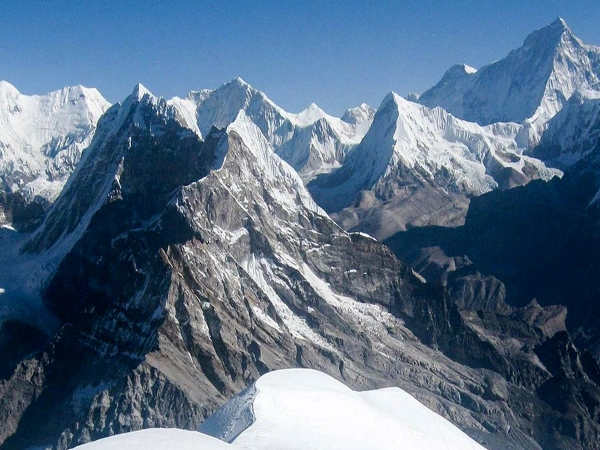
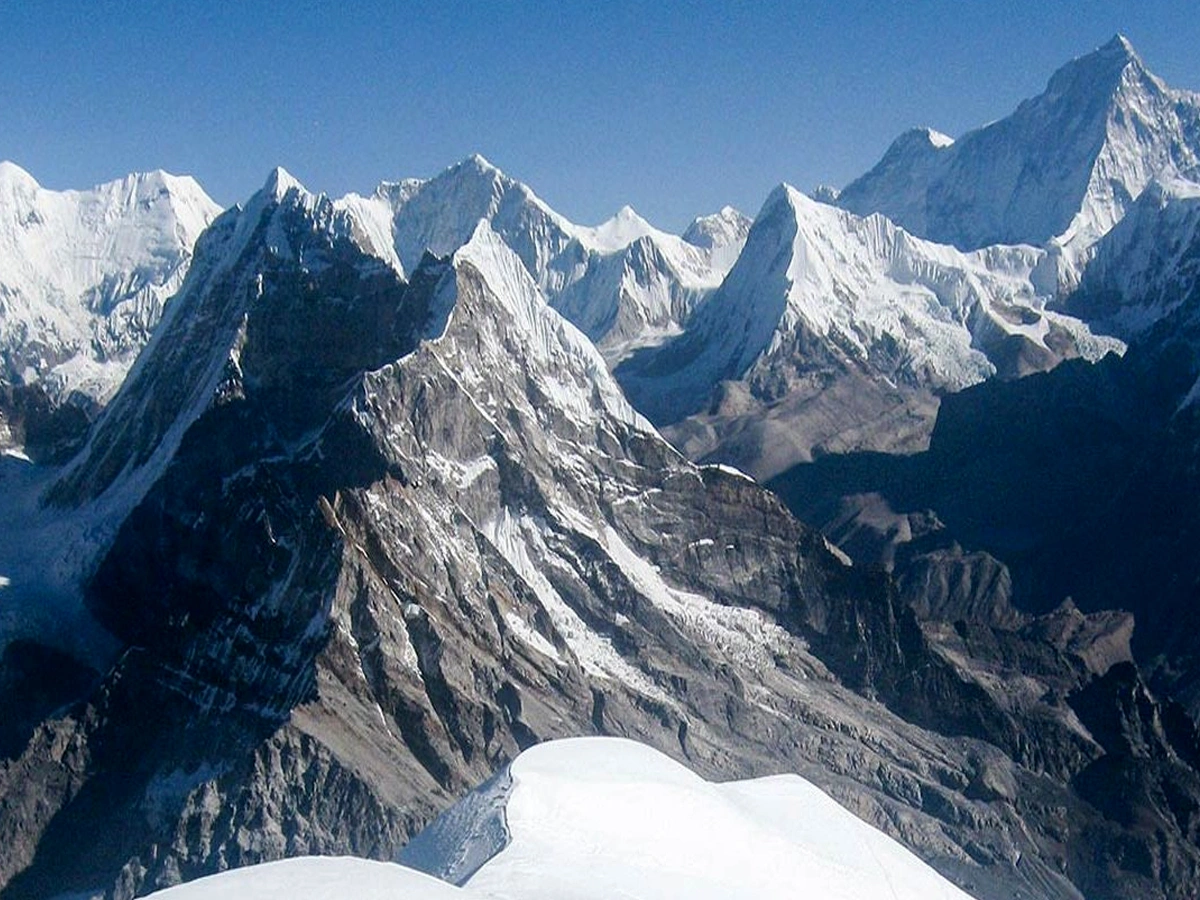
Pisang Peak Climb offers breathtaking views of the Annapurna Mountain range, including Mt. Annapurna II, III, and IV, as well as Gangapurna, Glacier Dome, Mt. Dhaulagiri, Tilicho, and Manaslu.

Climbing Pisang Peak requires thorough preparation, including practice and proper acclimatization days leading to the high camp. Our guides and leaders will provide comprehensive briefings and all necessary information about the climb, including the technical skills needed for certain sections.

Pisang Peak is rated as PD++ (Per Difficult) according to the French/Swiss Alpine Climbing System. This classification indicates that climbers will encounter challenges such as walking on rocks and glaciers, along with technical difficulties in some parts of the ascent.

It is important for climbers and trekkers to understand that ascending Pisang Peak demands both technical climbing knowledge and considerable physical and mental strength. A resilient mindset is essential for navigating these mountainous regions.

This grading system is widely recognized in alpine peak climbing, and many of the smaller trekking peaks in the Nepal Himalayas also utilize this classification for alpine or trekking peak climbs.

After an enjoyable climb of Pisang Peak, the rest of the journey will be much easier altitude-wise after the climb above 6,091 m. The walk leads to scenic Manang village and crosses the high Thorang-la pass of 5,416 m to reach the Mustang area at the holy Muktinath area and to Jomsom town.

Jomsom is a scenic flight to Pokhara city and its picturesque valley, a famous and popular tourist spot in all the Himalaya regions, concluding this marvelous and fantastic Pisang Peak Climb with a drive back to Kathmandu. You can also take a direct bus service from Jomsom to Kathmandu as well, but it will take approximately 22 22-hour bus ride from Muktinath-Jomsom.

The best time to climb Pisang Peak is during the spring (March-May) and autumn (September to November) seasons. The spring season is pleasant due to the lack of snow and precipitation, and clear skies offer spectacular views of the mountain and scenery.

Short Itinerary

Pisang Peak Climbing

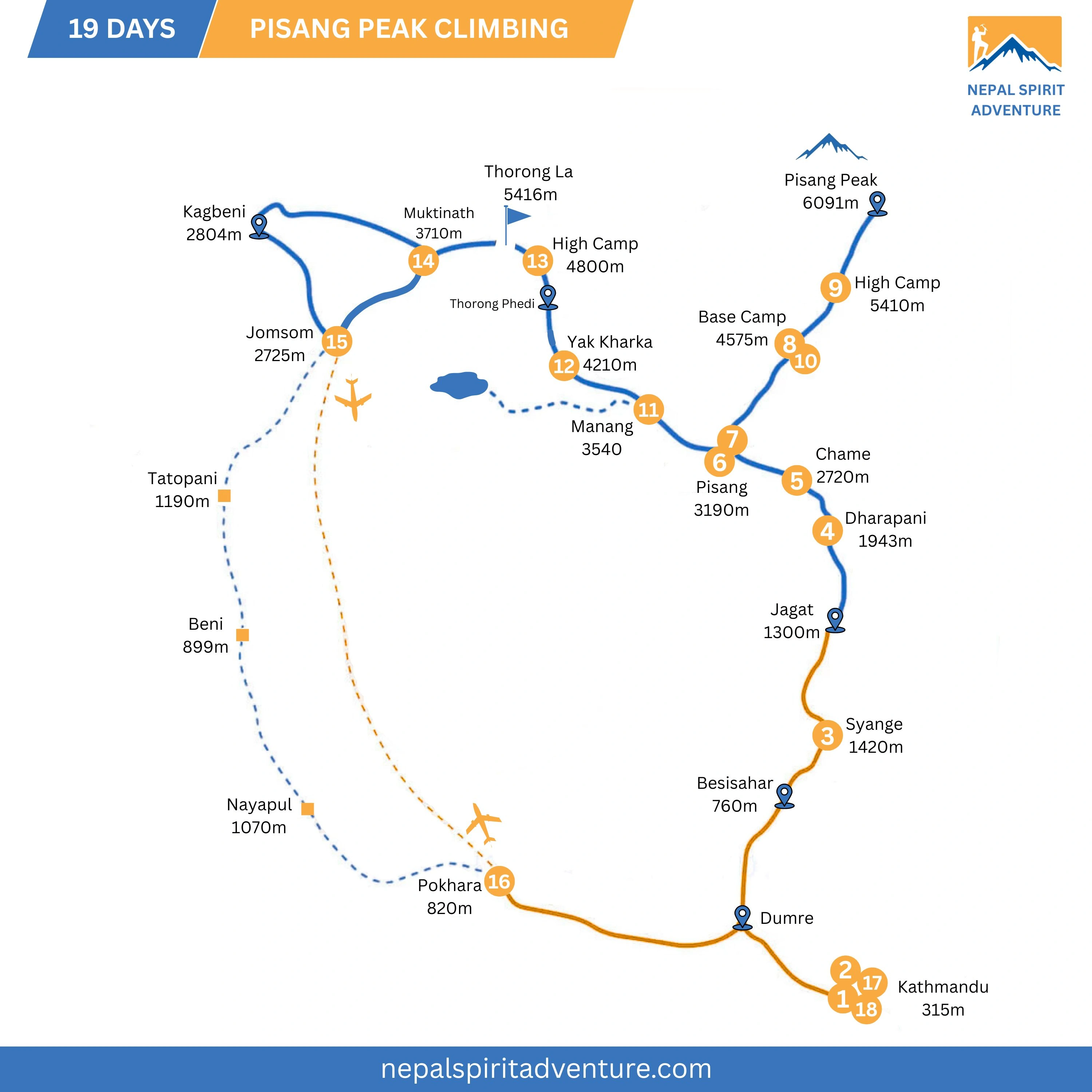
Pisang Peak Climbing Itinerary

Pisang Peak Climbing Itinerary offers valuable information for adventure seekers. Customize the itinerary is available according to your needs.

Start Point:Kathmandu
End Point:Kathmandu
Day01

Arrival Pick Up, Transfer to Hotel (Tribhuvan Airport)

Your first day of Pisang Peak Climbing: Arrive in Kathmandu and complete your customs formalities at Tribhuvan International Airport. A representative from Nepal Spirit Adventure will meet you at the gate to escort you to your hotel. There are no scheduled activities for today. After checking into your hotel, feel free to explore the Thamel area at your leisure. Your plans for the day are flexible and can depend on your arrival time in Kathmandu.

Day02

Kathmandu Trip Preparation

After breakfast, we visit Nepal Spirit Adventure’s office, or at the hotel, we’ll have a special meeting (brief), meet our climbing guide, and fellow climbers. Our guide or leader will inspect our set of equipment to ensure it is in perfect condition for the upcoming trip. We will discuss and answer questions about the Pisang Peak Climbing details, organize the trek and climbing equipment, and stay overnight in a hotel.

Day03

Drive to Jagat 8-9hrs Drive (Bus + Jeep)

Embarking on this exciting adventure, we will begin with an overland drive towards mid-west Nepal, leading us to Beshishar, the headquarters of the Lamjung district. From Beshishar, we will transfer to another vehicle and continue our journey on a dirt road, passing through the villages of Khudi, Bhulbhule, and Ngadi as we follow the Marsyangdi River upstream. The drive will take us through scenic rice terraces, lush fields, and charming villages until we reach Jagat, a small village where we will spend the night in a guesthouse.

Day04

Trek to Dharapani Approx. 6-7hrs

On the first day of trekking and climbing, the journey begins in Jagat village, a quaint settlement with numerous lodges for trekkers. From Jagat, the trail winds its way to Chamje and crosses back over the Marsyangdi River to the east side, leading into a forested area that offers stunning views of the Annapurna and Manaslu mountain ranges. As the trek continues, you will reach the charming village of Tal Besi. From Tal Besi, an additional three hours of walking will bring you to your overnight stop at Dharapani village. Dharapani is a lovely village located at the junction of the Annapurna Circuit and the Manaslu trekking trail.

Day05

Dharapani to Chame 6 hrs Trek

The trek begins in a forest of rhododendrons and pines, passing through the villages of Bagachap and Danque. The journey continues to Timang village, where you'll encounter a vibrant Buddhist culture and enjoy remarkable views of Lamjung Himal, Annapurna II, Annapurna IV, and Manaslu (8,163 m). After exploring Timang, the trek continues for a few hours to Koto and then on to Chame, where you'll stop for the night. Chame is a significant town in the Manang region and serves as the district headquarters.

Day06

Trek to Upper Pisang 6hrs

We will take a narrow, steep path through a dense pine forest that leads to a dramatic, curved rock face rising 1,500 meters above the river. As the trail opens up, we will be surrounded by the majestic Himalayan peaks all the way to Pisang. We will ascend for about thirty minutes towards a large hill to reach Upper Pisang, where we will spend the night.

Day07

Acclimatization Day

Today is dedicated solely to acclimatization. Spending additional time at a high-altitude location will ensure a successful trip. We will spend the entire day resting and exploring the village. This exploration and interaction with the locals will provide us with a better understanding of their lifestyle. Throughout the day, we will have the opportunity to admire the stunning views of Annapurna, Gangapurna, and Tilicho. We will spend the night in Upper Pisang.

Day08

Upper Pisang to Pisang Peak Base Camp 4-5hrs

We begin our trek toward the Pisang Base Camp after breakfast. The trail ascends through a sparse forest and open grasslands. This pasture, ideal for grazing yaks, also provides the best spot for setting up our camp. The ground is flat and lies along a frequently used trail. We will spend the night at the Pisang Peak Base Camp.

Day09

Pisang Peak Base Camp to High Camp 3hrs

We ascend the southwest ridge and reach the high camp. Once we set up our camp, we will participate in basic climbing training. Our guides will teach us essential peak climbing techniques and the proper use of climbing gear, such as ice axes, climbing boots, crampons, harnesses, and ascenders. The training will also cover how to use ropes for ascending and descending.

While prior training is not mandatory for climbing Pisang Peak, we strongly believe that having some training experience can enhance your confidence and climbing skills, increasing your chances of reaching the summit and fully enjoying the experience. We will spend the night at Pisang Peak High Camp.

Day10

Summit Pisang Peak (6,091m) back to Base Camp 8/9hrs

Today's itinerary offers an exciting opportunity for an adventurous journey. The much-anticipated day has finally arrived, and you will embark on a trek to summit Pisang Peak. As you make your way toward the top, it's normal to feel a sense of anticipation and excitement.

The path to the summit requires traversing a ridge and navigating a final snow slope. It is essential to exercise caution during this climb, as the terrain is steep and technical. Your guide will secure the rope and lead you safely toward the summit.

Reaching the summit can evoke a mix of anxiety and joy. After overcoming all the challenges, you will finally arrive at your destination. The unique sense of accomplishment from this experience lingers long after.

From the pinnacle, you can behold the breathtaking views of Mount Annapurna and the towering Glacier Dome. After taking in the stunning sights, it will be time to head back to Base Camp for an overnight stay.

Day11

Contingency Day

We at Nepal Spirit Adventure are always happy to make an extra day itinerary for climbing Pisang Peak, which includes a contingency day, which allows for any unforeseen circumstances that may arise during the trip. This provision accounts for possible changes to the schedule due to inclement weather conditions at the summit, injuries, altitude sickness, or other unexpected incidents.

If everything goes according to plan, this additional day can be utilized to explore nearby viewpoints towards the end of the route or at the end of the journey. Overnight accommodation will be provided at Pisang Peak Base Camp.

Day12

Pisang Peak Base Camp to Manang Valley 5-6hrs Walk

walk reaches Manang village. Manang is a large, prosperous village, houses are built up inthe traditional Tibetan style with rich culture and a traditional lifestyle.

Day13

Manang to Yak Kharka 3-4hrs trek

From Manang village, the trail crosses a stream, climbs to the village of Tenki above Manang, and then continues to climb out of the Marshyangdi Valley, turning northwest up the valley of Jarsang Khola. The trail follows this valley northward, passing a few pastures, a scrub of juniper trees, as it steadily gains elevation. The trail further passes near the small village of Ghunsa, a cluster of flat mud roofs just below the trailhead. Now the trail goes through meadows where horses and yaks graze. After crossing a small river on a wooden bridge, the trail passes an ancient Mani wall in a pleasant meadow and then reaches another small village of Yak Kharka. A small but gradual ascent is the key to avoiding altitude problems.

Day14

Yak kharka to Thorang Phedi 3-4hrs Walk

It is an uphill walk to Thorong Phedi. After walking for some time, we cross a suspension bridge and reach Ledar village. We ascend further and pass through towering cliffs before reaching Thorang Phedi, the last village before Thorong La.  On this trip, we are rewarded with one of the best views of Mt. Gundang, Mt. Syagang, Thorung Peak, and Mt. Khatungkan. Overnight in Thorang Phedi.

Day15

Crossing to Thorong La (5,416m) trek to Muktinath 7-8hrs

Our ultimate objective today is to cross the Thorong La Pass (5,416m), one of the highest passes in the world. We will be making this crossing from east to west, moving from Manang to Muktinath, which is considered the easiest and safest direction. We will wake up around three in the morning to begin our ascent up the mountain. When we finally reach the summit, we will realize that the journey was worth it. We will have the opportunity to take a few photos before heading down to Muktinath Valley at the base of the Thorong La Pass. Our trek continues to Muktinath, an important pilgrimage site for both Hindus and Buddhists. We will spend the night in Muktinath. The word Muktinath literally means ‘the place for Nirvana or Liberation.

Day16

Muktinath to Jomsom 5-6hrs Trek

Muktinath is a significant pilgrimage site for both Buddhists and Hindus. In the morning, we will tour the temple area and a nearby Buddhist monastery. Following this short tour, we will continue our trek to Jomsom, a place known for its delicious apples and strong winds. In fact, there are even Nepali songs that celebrate the powerful gusts that blow through Jomsom around noon. Upon reaching Jomsom, we can visit the Ecological Museum, which offers insights into the region's rich culture as well as the native flora and fauna of the valley. We will spend the night in Jomsom.

Alternate Journey: If you’re feeling tired, trek to Jomsom; you can take a local bus service from Muktinath.

Day17

Fly from Jomsom to Pokhara

Start the day with an early breakfast, followed by a transfer to Jomsom Airport. From there, enjoy a scenic 25-minute flight to Pokhara, taking in stunning views of Dhaulagiri, the Nilgiris, and the Annapurna mountain range, along with rolling hills and quaint villages. Upon arrival at Pokhara Airport, you will be transferred to your respective hotels by Lake Phewa. The afternoon is free for individual activities or simply to relax and take in the breathtaking views of the Annapurna Himalaya.

Day18

Flight to Kathmandu (25 minute)

Enjoy with dicilious breakfast then transfer to airpot for take Himalayas a scenic 25 minute flight to Kathmandu, and transfer to hotel, we have the rest of the day off. There will also be a farewell dinner hosted by Nepal Spirit Adventure in the evening to celebrate the successful completion of our journey.

Day19

Departure

Still Confuse?
No worries — we’re here to help. Whether you have questions or just need a bit more clarity, feel free to reach out. Our team is ready to guide you every step of the way.

Cost Details

Includes

  • Private vehicle transport for both international & domestic arrival and departure
  • Three nights 3* hotel in Kathmandu with breakfast
  • Bust transportation from Kathmandu to Dharapani
  • Annapurna conservation permit and TIMS card (Trekking Information Management System)
  • Special climbing permit for Pisang Peak
  • Experience climbing Sherpa guide, including his daily wages and insurance
  • One porter for every 2 clients, including his daily wages and insurance
  • Lodge accommodation on the trek and tent accommodation during the climbing session
  • Trek & Climbing food: Breakfast, Lunch, and Dinner | a cup of tea or coffee provided in the breakfast session 
  • Nepal Spirit Adventure's trekking & climbing mountaineering equipment for the climbing part- very high quality for climbing & kitchen, dining, toilet, mattresses, sleeping bags, and down jackets
  • Airfare from Jomsom to Pokhara to Kathmandu
  • One 3* hotel in Pokhara with breakfast
  • Travel and rescue arrangements
  • Nepal Spirit Adventure exclusive medical kit

Excludes

  1. Personal expenses such as alcoholic/nonalcoholic drinks,  laundry, bar bills, battery recharge, extra porters, bottled or boiled water, shower, heater, and phone calls, etc
  2. Nepal visa fee
  3. Travel insurance & Rescue operation
  4. Personal trekking & climbing equipment
  5. Tips for guides and porters
  6. Food and extra nights' hotel in Kathmandu and Pokhara (due to an early return from a trek, or an extended stay in Nepal)
  7. Additional trips or tours in Kathmandu
  8. International flight tickets

Essential Information

Upon Arrival in Nepal

On arrival in Nepal at Kathmandu Tribhuvan International Airport, our airport representative or staff will receive you with a warm welcome, and then transfer you to your respective hotel. In the afternoon or evening, we will review and discuss much information regarding your trip itinerary and included/excluded services as per the trip itinerary chosen, at the same time introducing your guide who will help you with the final preparation for your trek.

Accommodation in Kathmandu & Pokhara 

We provide 3-star tourist standard hotels in Kathmandu and Pokhara with accommodation based on a twin-sharing basis with breakfast. If you are trekking in groups joining on a basis, you will share a room with someone of the same gender from your group. If you prefer a single room supplement in Kathmandu and on the trek, you can request the single supplement (which will be at an extra cost besides the trip price stated). We can also help you to book at different deluxe star category hotels on request. For more details and information, please feel free to contact us.

A Typical Tea House (Lodge/Climb) Trekking Day

A typical trekking day means walking from morning to late afternoon. Each morning after packing your bags and then having a good breakfast, we will set off for day walks to our next designated overnight stop.

We suggest that you carry a small day pack to put your water bottles, sunscreen cream, hats, raincoat, camera, and warm jumper, just in case the weather changes to cold, while the rest of your belongings that you don’t need for the day go in large duffel/kit bags for porters to carry. The walk will last for 3 to 4 hours in the morning until lunch at midday. We stopped for one hour to have lunch and rest before heading to our overnight destination in the comfort of a tea house/lodge in the villages.

At the end of the day, after checking into the lodge, rest (read books, write your diary) or explore the village. After lunch, you will be walking for 3 to 4 hours, normally reaching the overnight stop around 3 to 4 PM. Our guide will provide you with the best accommodation available in Tea houses and lodges. Some days, complete day walks by lunchtime at designated overnight stops, where you will be free after lunch in the afternoon.

After tea and coffee breaks, one can spend time exploring around a village or just relax and do some washing the laundry. The dinner will be served around 6 to 7 P.M. the dining room (Restaurant) inside the tea house/lodge. For dinner, as per the menu or recommended by your guide, must be ordered one hour in advance. After dinner evening will be spent often playing cards or discussing the day’s topic and events, or writing a diary if we are habitual of it, before heading off to bed for a good sound sleep.

Accommodation Trekking & Climbing Period

We provide accommodation in a tea house (mountain lodge). A Tea House is a combination of a guest house, restaurant, and social hang-out. The rooms have twin beds and little additional furniture, like small tables or chairs. Blankets are generally provided (we recommend that you carry your own sleeping bags).

Most bathrooms are common with squatting (Asian) toilets or of Western comfort with sitting toilets. Most Tea Houses / Lodges have running water facilities. Most of the lodges have hot water for showers, but with an extra charge for using hot showers. During climbing, we provide a twin shared tent.

Trekking & Climbing Food

During the trekking session, full board meals are included (breakfast, lunch, and dinner as well as tea or coffee provided). We provide food from these local lodges/tea houses as per the choices on the menu. Breakfast and dinner are provided at the same tea house/lodge, while lunch would be on the trail. Every Tea House serves the traditional Nepali meal Dal Bhat (rice and lentils), as well as a variety of different food items, such as rice, seasonal vegetables, noodles, potatoes, and soups. Some lodge serves Western foods such as pizza, pasta, and French fries. During the climbing period, our cook provides mostly high-altitude and Nepali food.

Safe Drinking Water in Trek & Pisang Peak Climbing

Along the trek, safe drinking water is very important while we are on high altitude journey. We recommend that one should drink at least 3-4 liters of water a day (this helps from de-hydration and altitude problems, AMS). As long as possible, we recommend you buy sealed packed mineral water and can buy from every local shop and lodge.

Remember! River, spring, and tap water are free, but we should not recommend that you drink it directly, even if the water looks very clean. You can not drink it by adding water purification pills or filters, so it will be suitable for drinking.

You can also buy boiled water from every lodge. Boiled water and sealed packaged water cost 1-2$ dollars per liter, and its cost also depends on where we are from the sea level. So, you need to prepare and pack the extra cost for all the table drinks.

Health & Fitness Required

Health and physical fitness are the most important parts of travel and participating in trekking and climbing. If you do not have previous trekking experience as required, you can start with morning walking exercise or cycling for weeks or months before/after booking the trip with us. If you have previous trekking and climbing experience, it will add a plus point to the trek chosen; most of the trek is non-technical effort walks.

The highest height gain on this trip is at 6,091m above sea level. The walk involves lots of ups and downs, walking through local villages, farmlands, terraces, and riverside, as long as you have energy,y walking for 4- 6 hours a day, and if you are qualified for the trek but still require moderate health and fitness. We strongly advise travelers to consult their medical doctor before traveling,g do a regular check-up, and hand the report to us while booking a trip with us.

Our Experience Trekking Guides & Staff with Safety

Nepal's mountainous country walk takes you to a remote region; you must be accompanied by experienced and qualified guides and leaders for a safe journey and to make the trip a success. We at Nepal Spirit Adventure employ native trekking guides and porters who are trained and qualified for this type of trip and have worked with us for a long time.

Our guide provides you with much local information and offers you advice on how to use your free time and coordinate day-to-day events of the tour, although (sometimes) he might need you to understand that if things do not go according to our plan. Our trek guides are fully trained and licensed by the Nepal Government and certified by TAAN and the Nepal Mountaineering Association.

All our trekking and climbing guides are well qualified and highly experienced, with 9- 10 years in this job. We provide training for our staff yearly on medical and climbing, with their efficiency, and cheerful attitude, providing help, information, and catering to the needs of the guests of various nationalities.

Assuring that all our trips are well managed by an expert team of tourism professionals, all our guides have a good knowledge regarding the culture and customs of the routes on trekking and tours, share experience and cultural insights of the country that are missed out in travel guide books. During your time with us, you will have time to learn Nepali phrases and other cultural aspects during the journey.

As we organize varied treks in the Nepal Himalaya, on group trekking we provide a trek leader with an assistant leader on each trekking depending upon the size of the group.

This ensures safe travel with us as our guide/assistance guides get any health medical problem, we still have other main guides and leaders to run the trip smoothly as per our standard itinerary. To make the trip enjoyable, we provide one guide to support and carry your bags among two people with one Sherpa helper in certain conditions.

Caring Porter

Our porter is fully equipped with warm gear and insured on each trip by the company. We take care of our staff/porters' welfare as well as the client’s safety.
We closely work with the Porters Association International Act. We allow a maximum load to be carried by our porter of 20 to 25 KG and make sure that your trekking duffel-kit bag should not be more than 20 KG.

Travel Insurance

Travel insurance is a must and necessary to ensure you are insured when booking trips with Nepal Spirit Adventure. Insurance protections should cover Travel / Medical sufficiently, as well as emergency and immediate rescue evacuation by any means of transportation, including helicopter,s on medical grounds. As well as covering against loss or theft of your belongings and valuables, please make sure the insurance covers all the activities that you will be undertaking during your stay in Nepal, such as trekking and climbing, including other trips and adventure sports.

Nepal Spirit Adventure holds no responsibility or liability in case of loss, theft, or damage to your belongings. We also let you know that Nepalese insurance companies do not have a travel insurance policy for foreign nationals. They have this policy only for Nepalese nationals. We advise you that when you travel to Nepal, please bring your insurance documents.

Recharging batteries of Electronic Items on The Trek

We can recharge your batteries and devices with electricity or solar power sources. In Nepal, 220 240 volts 50 MHZ (50 Cycles per Second) power is supplied. Just need to have a plug adaptor in case of socket fitting, which you can buy in Kathmandu before the trip, since the plugs in Nepal might be different. You might have to pay a small amount of fee/hour for using the recharging facilities.

High Altitude Sickness

Altitude sickness, often known as acute mountain sickness (A.M.S.), in general may occur when people ascend too quickly, normally at altitudes of over 3000 m. Most people will feel some effects of altitude, such as shortness of breath and possibly light-headedness, which is fairly common. Acute mountain sickness is very different and normally involves a severe headache, sickness, and loss of awareness.

In almost every potential case, there are enough warning signs to take appropriate action. When symptoms of altitude sickness develop, please tell your trekking guide. He will advise you on how to deal with your problem. Generally, overexertion and dehydration contribute to altitude sickness. So drink at least 3-4 liters of water every day, besides tea and coffee, which act as diuretics.

Group Size

We organize any route of Nepal trek and peak climbing with a fixed departure basis or a private trip. The minimum group size would be two, and the maximum group size is ten or more on request. We can also organize a private trip for a solo person with a single supplement cost. Otherwise, join our estimated group departure dates available online market or ask us for your suitable flexible dates, and we will open group dates on the same date.

Trekking &  Pisang Peak Climbing Season

Nepal has two best seasons for trekking the Everest Three High Passes. As this trip is very adventurous and challenging, we always recommend that you book this kind of trip at the right time of the year, as soon as possible.

Trekking in Nepal is possible at any time of the year, depending on the area of the trekking area chosen. In Nepal, you can trek anywhere in any four seasons (Spring-Summer-Autumn / Fall or Winter), but the most popular trekking seasons are Spring and Autumn. Nepal Spirit Adventure offers you the following advice on the outstanding aspects of each season.

Autumn (September- October- November)
Autumn is one of the best seasons for trekking in the Himalayan region, which offers excellent weather and outstanding mountain views. The weather is clear, and we can guarantee that you can witness fantastic mountain views and panoramas.

This season is the peak time for trekking in Nepal Himalaya, and you can also witness several Hindu festivals, such as 15 days long Dashain, the biggest festival for all Nepalese, celebrating with a triumph of good over evil, and shortly after,d the 5-day-long Tihar or Diwali (Festival of Lights) follows.

Winter (December-January- February)
In winter snowfall times at higher elevations, the snowline descends considerably, and the weather is cold. So it is an ideal time for trekking at lower elevations below 3,000m in the foothills of Nepal with great views of the Himalayas. It can get cold at night and in the mornings, but during the day temperatures are mild when it is sunny.

Spring (March-April- May)
Spring is one of the best seasons for trekking in the Nepal Himalayas. Many visitors travel to Nepal in the spring as trekking is fine in all the Himalayan regions. The meadows and forest will be in full bloom with riots of colors of wildflowers, especially rhododendron, the national flower of Nepal, which comes in great varieties from bush to tall trees. The weather is warmer at lower elevations and higher elevations over 4,000m, visibility is excellent,t and the temperature is quite moderate.

Summer (June-July- August)
During summer, trek is warm and sweaty in the wet summer months, and also constitutes the monsoon season,n which can continue up to mid-September. Summer is a good time for keen botanists and forest researchers as the higher valleys and meadows blossom with flowers and lush vegetation. It is not generally recommended to trek during the summer season except in the arid rain shadow areas like Upper Mustang, Dolpo, and Kailash.

Nepal Himalaya will be in the grip of the wet monsoon season starting from mid-June to early September. Although mornings are often clear for a few hours for the views of sunrise and mountains, it can rain heavily almost every day, and a cloud hangs around mid-morning, with frequent rain and occasional thunderstorms in the afternoon and evening. The advantages of trekking in the summer months include trekking along with fewer crowds of trekkers and on the quiet trail.
Handpicked for You

Mera Peak Climbing - 19 Days
Duration: 18 Days
5.0(5 Reviews)
Price From
US$2290
Lobuche Peak Climbing
Duration: 17 Days
Price From
US$2450
Island Peak Climbing with Nepal Spirit Adventure
Duration: 16 Days
5.0(3 Reviews)
Price From
US$2190
Need Help? Call Us+977 9851072590