16
Days

Gokyo Lake Cho La Pass EBC Trek - 16 Days

151 Reviews in TripAdvisor
38 Reviews in Google Reviews

The Gokyo Lake Cho La Pass (EBC) Everest Base Camp Trek is one of the most scenic, challenging, and adventurous trekking routes in the Everest region of Nepal. This incredible journey features stunning glacial lakes, high mountain passes, breathtaking viewpoints, and a visit to Everest Base Camp (EBC), making it one of the most rewarding trekking experiences in the Himalayas.

Duration
16 Days
Trip Grade
Moderate
Country
Nepal
Maximum Altitude
5,545m | 18,193ft
Group Size
2 - 10 People in Group
Starts
Kathmandu
Ends
Kathmandu
Activities
Trekking
Best Time
Mach -May | Sep-Dec

Gokyo Lake Cho La Pass EBC Trek Highlights

  • Explore the spectacular Gokyo Lakes, a series of turquoise glacial lakes in the Everest region.
  • Cross the challenging Cho La Pass (5,420 m), one of the most adventurous sections of the trek.
  • Reach the iconic Everest Base Camp (5,364 m) and experience the legendary Khumbu landscape.
  • Hike to Gokyo Ri for breathtaking panoramic views of Mount Everest and the surrounding Himalayan peaks.
  • Enjoy spectacular views of Mount Everest, Lhotse, Makalu, Cho Oyu, and Ama Dablam.
  • Trek through traditional Sherpa villages, Buddhist monasteries, suspension bridges, and rugged mountain trails.
  • Experience the dramatic scenery of the Ngozumpa Glacier, one of the largest glaciers in the Himalayas.
  • Enjoy a quieter and more scenic alternative to the classic Everest Base Camp Trek.
  • Experience the unique culture, hospitality, and traditions of the Khumbu region.
  • Combine Gokyo Lakes, Cho La Pass, and Everest Base Camp into one unforgettable Himalayan adventure.

Gokyo Lake Cho La Pass EBC Trek Overview

The Gokyo Lake Cho La Pass EBC Trek is an unforgettable high-altitude trekking route in Nepal’s Everest region, combining the turquoise Gokyo Lakes, challenging Cho La Pass, and legendary Everest Base Camp in one spectacular journey. The trek takes you through scenic Sherpa villages, ancient monasteries, glaciers, and rugged Himalayan landscapes, with breathtaking views of Mount Everest, Cho Oyu, Lhotse, Makalu, and Ama Dablam.

A major highlight is crossing Cho La Pass at approximately 5,420 meters, followed by the journey to Everest Base Camp at 5,364 meters. Trekkers can also hike to Gokyo Ri for panoramic views of the Everest region and surrounding peaks. The route combines natural beauty, Sherpa culture, and thrilling high-altitude trekking, making the Gokyo Lake Cho La Pass (EBC) Everest Base Camp Trek an ideal choice for experienced trekkers seeking a more challenging and scenic alternative to the classic Everest Base Camp Trek.

16 Days Gokyo Lake Cho La Pass Trek Itinerary 2026 / 2027

The Gokyo Lake Cho La Pass Trek itinerary is a 16-day adventure and an excellent choice for trekkers seeking an exciting journey through Nepal’s Everest region. This scenic route combines the stunning Gokyo Lakes, challenging Cho La Pass, and spectacular Himalayan views while offering a quieter and more peaceful trekking experience than the classic Everest Base Camp route.

Trek Itinerary:

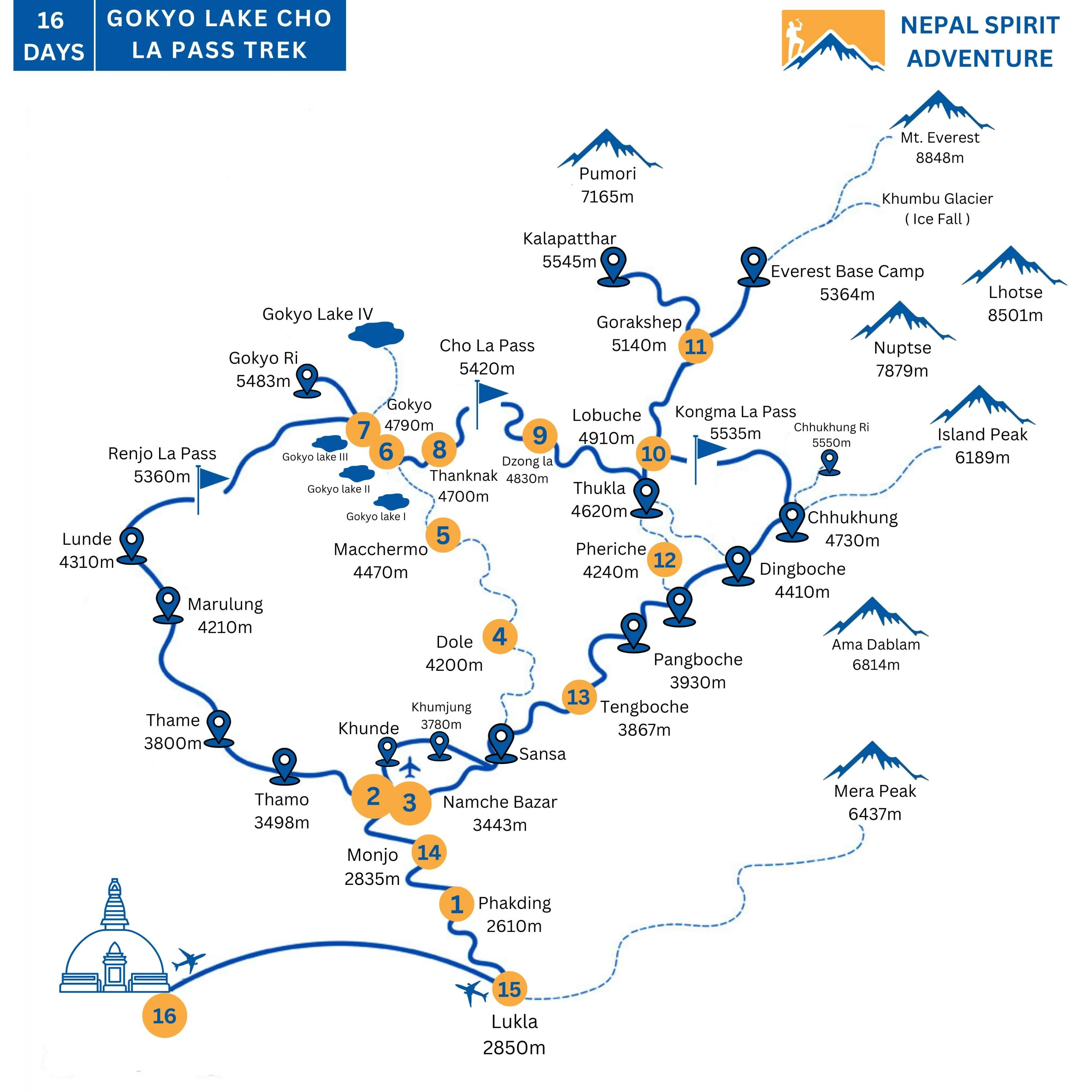
Day 1: Fly to Lukla, trek to Phakding (2610m)
Day 2: Trek from Phakding to Namche Bazaar (3440m)
Day 3: In Namche Bazaar, acclimatization day
Day 4: Trek from Namche to Dole (4200m)
Day 5: Trek from Dole to Machherma (4410m)
Day 6: Trek from Machherma to Gokyo Lake (4790m)
Day 7: Explore Gokyo Lake
Day 8: Climb up Gokyo Ri, trek to Thaknak (4830m)
Day 9: Trek from Thaknak to Dzongla via Cho La pass (5420m)
Day 10: Trek from Dzongla to Lobuche (4931m)
Day 11: Trek from Lobuche to Everest Base Camp-Back to Gorakshep (5364m)
Day 12: Sunrise at Kala Patthar (5545m), trek to Pheriche
Day 13: Trek from Pheriche to Tengboche (3867m)
Day 14: Trek from Tengboche to Monjo (2860m)
Day 15: Trek from Monjo to Lukla (2840m)
Day 16: Fly out from Lukla to Kathmandu

Travel News: The trek itinerary is flexible; we’re more than happy to customize the trip itinerary according to your trek plan in Nepal.

The trek takes you through the breathtaking landscapes of the Khumbu region, where turquoise glacial lakes, snow-covered peaks, high mountain passes, and traditional Sherpa villages create an unforgettable Himalayan experience. A major highlight is crossing Cho La Pass, one of the most challenging and rewarding sections of the trek, along with enjoying panoramic mountain views from the Gokyo Valley.

Nepal Spirit Adventure provides experienced guides and comprehensive full-board trekking services, including comfortable lodges, hygienic meals, and quality trekking equipment. With professional support throughout the journey, the 16-day Gokyo Lake Cho La Pass Trek is an ideal adventure for trekkers looking to explore the Everest region through a more scenic and challenging route.

Popular Cho La Pass Everest Base Camp Trek Route

The Gokyo Lake and Cho La Pass trek is a popular and challenging trekking route in the Everest (Khumbu) region of Nepal. The route combines the stunning Gokyo Lakes, Cho La Pass, and Everest Base Camp, offering trekkers an unforgettable journey through some of the most spectacular landscapes in the Himalayas.

The challenging Cho La Pass stands at approximately 5,420 meters (17,782 feet) and requires good physical fitness, proper acclimatization, and preparation for high-altitude trekking. Depending on the itinerary, trekkers can cross Cho La Pass from either the Gokyo or Everest Base Camp side, with the route passing through remote mountain settlements such as Thangnak, Dzongla, and Gokyo.

The trek is also part of the famous Everest Three High Passes Trek, which includes Renjo La, Cho La, and Kongma La. Combining high mountain passes, glacial lakes, dramatic Himalayan scenery, and Everest Base Camp, this route is an excellent choice for experienced trekkers seeking a more adventurous alternative to the classic Everest Base Camp Trek.

Why This Trek Is Popular

The Gokyo Lake Cho La Pass EBC Trek is one of the most rewarding routes in the Everest region, combining the spectacular Gokyo Lakes, Cho La Pass, and Everest Base Camp in one adventurous journey. Although the trek is challenging and requires good physical fitness and proper acclimatization, the incredible scenery and unique route make it a popular choice for experienced trekkers.

Ultimate Everest Experience: Experience two of the Everest region’s most spectacular highlights: Gokyo Ri and Everest Base Camp. From Gokyo Ri, you can enjoy panoramic views of Mount Everest, Lhotse, Makalu, Cho Oyu, and other Himalayan peaks, often with fewer trekkers than at some of the more popular viewpoints.

Less Crowded Alternative to the Classic EBC: Compared with the standard Everest Base Camp route, the Gokyo–Cho La route offers quieter trails and a more peaceful experience, particularly around the beautiful Gokyo Valley. It is an excellent choice for trekkers seeking solitude, spectacular landscapes, and a more adventurous route to Everest Base Camp.

Cultural Immersion: Trek through traditional Sherpa villages, visit ancient Buddhist monasteries, and experience the unique culture, traditions, and hospitality of the Khumbu region.

High-Altitude Challenge at Cho La Pass: Crossing Cho La Pass at approximately 5,420 meters (17,782 feet) is one of the most challenging and rewarding sections of the trek. Depending on the season and trail conditions, the pass may be covered with snow and ice, and microspikes or other traction equipment may be useful.

Spectacular Gokyo Lakes: The turquoise Gokyo Lakes are a major highlight of the trek and form one of the most beautiful glacial lake systems in the Everest region. From Gokyo Ri, trekkers can enjoy breathtaking panoramic views of Everest, Lhotse, Makalu, Cho Oyu, and surrounding Himalayan peaks.

Trek Equipment and Experience with Nepal Spirit Adventure

Having the right trekking equipment is essential for a safe and comfortable journey through the high-altitude Everest region. Nepal Spirit Adventure provides essential trekking gear, including a warm down sleeping bag, down jacket, and company duffel bag. If you prefer to use your own equipment, you are welcome to bring suitable trekking gear from home.

Throughout the trek, our experienced guides provide professional support and help ensure your safety and comfort on the trail. They also share valuable knowledge about the Sherpa culture, Buddhist traditions, local lifestyle, flora, and fauna of the Everest region. Their local experience adds greater depth to the journey and allows you to better understand the unique way of life in the high Himalayan communities.

Gokyo Lakes

The Gokyo Lakes are among the most spectacular natural attractions in Nepal’s Everest region. The main Gokyo settlement sits at an elevation of approximately 4,790 meters (15,715 feet) beside the beautiful turquoise glacial lakes. The Gokyo Valley contains a series of glacial lakes, with the Fifth Gokyo Lake offering a particularly scenic and peaceful experience for trekkers who have time to explore beyond the main lakes.

The Main Charm of Gokyo Lake Cho La Pass EBC Trek

One of the main highlights of the Gokyo Lake Cho La Pass EBC Trek is the climb to Gokyo Ri at approximately 5,357 meters (17,575 feet) in Nepal’s Khumbu region. Located above the beautiful Gokyo Valley and near the Ngozumpa Glacier, the largest glacier in Nepal, Gokyo Ri offers one of the most spectacular viewpoints in the Everest region.

From the summit of Gokyo Ri, trekkers can enjoy breathtaking panoramic views of four of the world’s highest mountains above 8,000 meters: Mount Everest, Lhotse, Makalu, and Cho Oyu, along with Ama Dablam and numerous other Himalayan peaks. The turquoise Gokyo Lakes and surrounding glaciers add to the incredible scenery.

The nearby Gokyo village, situated at approximately 4,790 meters, is one of the highest permanent settlements in the Everest region and provides a unique glimpse into high-altitude Sherpa life. The climb to Gokyo Ri is demanding but does not normally require specialized mountaineering equipment, making it an achievable and highly rewarding highlight for well-prepared trekkers.

Spectacular Mountain Views and Sherpa Hospitality

After leaving Namche Bazaar, the trail opens to breathtaking views of some of the world’s highest and most iconic Himalayan peaks. Along the route, you can enjoy spectacular views of Mount Everest (8,849 m), Lhotse (8,516 m), Cho Oyu (8,188 m), Makalu (8,485 m), and Nuptse (7,855 m), together with many other magnificent peaks of the Khumbu region.

The landscape is also dominated by striking mountains such as Ama Dablam (6,812 m), Thamserku (6,623 m), Kangtega (6,782 m), Kongde Range, Kusum Kanguru (6,367 m), Pumori (7,161 m), Island Peak (6,189 m), Lobuche East (6,119 m), and Pokalde (5,806 m). You may also catch views of the sacred Khumbila (5,761 m), a mountain deeply respected by the Sherpa people.

Beyond the spectacular mountain scenery, the trek offers an opportunity to experience the warm Sherpa hospitality of the Everest region. Stay in traditional mountain lodges, enjoy local meals, and learn about the unique culture, traditions, and Buddhist heritage of the Sherpa communities as you journey through the heart of the Himalayas.

Sagarmatha National Park and Gokyo Cho La Pass EBC Trek Flora and Fauna

The Gokyo Cho La Pass EBC Trek takes you through the spectacular landscapes of Sagarmatha National Park, a UNESCO World Heritage Site known for its dramatic Himalayan scenery, diverse flora and fauna, and rich Sherpa culture. As you ascend through the Everest region, the landscape gradually changes from lush forests of rhododendron, pine, fir, and juniper to alpine meadows and rugged high-altitude terrain.

The adventure begins with a scenic flight from Kathmandu to Lukla, followed by a trek through charming mountain villages such as Phakding and Namche Bazaar. As the trail climbs higher, you will experience increasingly dramatic views of snow-capped Himalayan peaks and the unique natural environment of the Khumbu region.

The route then leads toward the beautiful Gokyo Lakes, surrounded by glaciers and towering mountains, before crossing the challenging Cho La Pass at approximately 5,420 meters. Continuing through the high-altitude landscape, the trek eventually reaches Everest Base Camp at 5,364 meters, providing an unforgettable combination of Himalayan nature, wildlife, mountain scenery, and adventure.

Kala Patthar and Everest Base Camp

Reaching Everest Base Camp at 5,364 meters is one of the most exciting and rewarding moments of the trek. Standing beneath the towering Himalayan peaks and surrounded by the dramatic Khumbu landscape creates an unforgettable experience for every trekker.

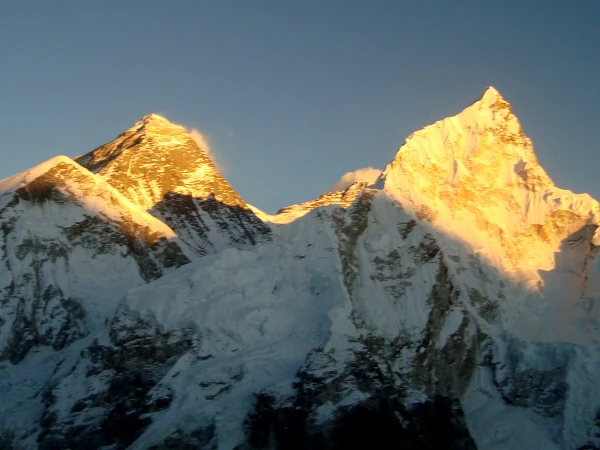
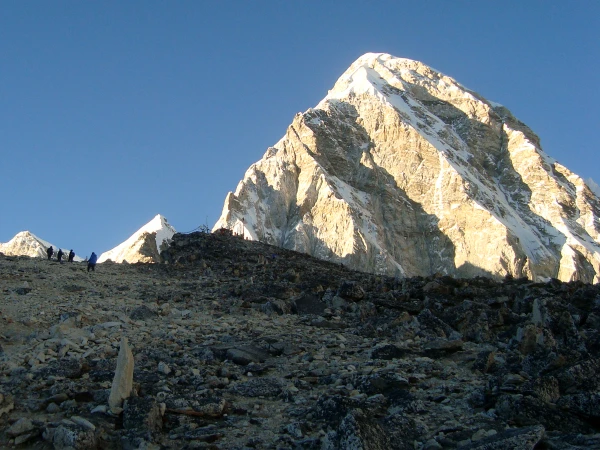
The adventure continues with an early-morning hike to Kala Patthar at approximately 5,545 meters, one of the best viewpoints in the Everest region. From the summit, you can enjoy breathtaking panoramic views of Mount Everest, Nuptse, Pumori, Lhotse, and other Himalayan peaks, with an impressive close-up view of Mount Everest.

After exploring Everest Base Camp and Kala Patthar, the trail descends through Pheriche, Pangboche, and Tengboche toward Namche Bazaar. Tengboche is another major highlight of the journey, offerin

Gokyo Lake, Cho La Pass, and Everest Base Camp: The Final Highlights

The Gokyo Ri viewpoint offers spectacular panoramic views of the Everest region, while crossing Cho La Pass is one of the most exciting and challenging highlights of the trek. Reaching Everest Base Camp at 5,364 meters is an unforgettable achievement, followed by the rewarding climb to Kala Patthar at approximately 5,545 meters. From the summit, trekkers can enjoy breathtaking views of the Khumbu Himalayan range, including an impressive panorama of Mount Everest and surrounding peaks.

After completing the trek, the trail descends through Sagarmatha National Park toward Namche Bazaar, the main trading and tourism hub of the Khumbu region. From Namche, the journey continues downhill through Jorsalle and Phakding before reaching Lukla.

The following day, enjoy a scenic flight from Lukla back to Kathmandu, bringing your unforgettable Himalayan adventure to an end. With experienced guides, friendly staff, and professional trekking services, Nepal Spirit Adventure helps make the journey through the Gokyo Lakes, Cho La Pass, and Everest Base Camp a memorable experience from beginning to end.

Tengboche offers spectacular mountain views and is home to the famous Tengboche Monastery, an important Buddhist spiritual center in the Khumbu region. The combination of Everest Base Camp, Kala Patthar, breathtaking Himalayan panoramas, and Sherpa Buddhist culture makes this section one of the most memorable parts of the Everest trekking experience.

Short Itinerary

Gokyo Lake Cho La Pass EBC Trek - 16 Days Itinerary

The Gokyo Lake Cho La Pass Trek 16 days itinerary is the best route to reach the Everest Base Camp after the challenging pass of Cho La. This itinerary is designed by an expert guide of Nepal Spirit Adventure, and it will help adventurous trekkers along the journey. The customized trip itinerary is available as per travel needs.

Start Point:Kathmandu
End Point:Kathmandu
Day01

Fly from Kathmandu/Ramechhap to Lukla and Trek to Phakding

Trek Duration: Approximately 3–4 hours
Lukla Elevation: 2,840 m (9,317 ft)
Phakding Elevation: 2,610 m (8,563 ft)
Trekking Distance: Approximately 7–8 km

Your Gokyo Lake–Cho La Pass–Everest Base Camp Trek begins with a scenic flight from Kathmandu or Ramechhap/Manthali to Lukla, followed by an enjoyable trek through the lower Everest region to Phakding.

Ramechhap/Manthali to Lukla Flight

During the peak trekking seasons of March, April, May, September, October, and November, Lukla flights are generally operated from Ramechhap (Manthali) Airport due to increased air traffic at Kathmandu's domestic airport.

Ramechhap Airport is approximately a 4–5-hour drive from Kathmandu. You will usually wake up between 1:00 AM and 2:00 AM and travel by an escorted shared tourist vehicle to Manthali Airport. From there, the flight to Lukla takes approximately 20 minutes, offering spectacular views of the Himalayan landscape.

Kathmandu to Lukla Flight

During the relatively quieter months of January, February, June, July, August, and December, Lukla flights are generally operated from Kathmandu. You will usually wake up around 5:00 AM to 6:00 AM, and our staff will escort you to the domestic airport for your approximately 35-minute flight to Lukla.

Flight operations and departure airports can change depending on airline schedules, weather, air traffic, and operational conditions. We will provide the latest information before your trek.

Arrival in Lukla and Trek to Phakding

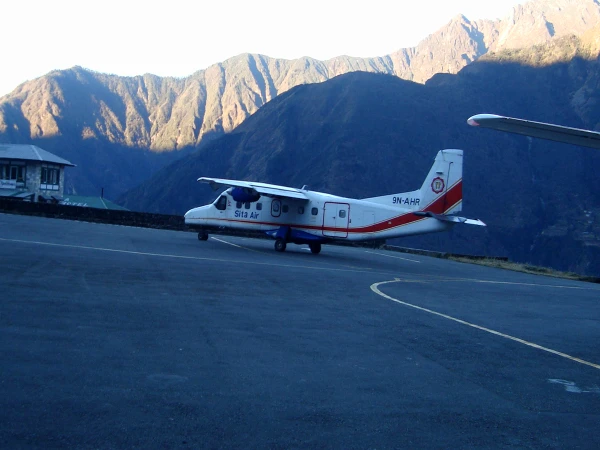
We recommend preparing your trekking equipment and luggage the day before your Lukla flight. Upon landing at Tenzing-Hillary Airport in Lukla (2,840 m), you will meet your Gokyo Lake Cho La Pass EBC trekking team, who will assist with the final preparations for your trek.

Your porters will carry your main duffel bag throughout the journey, allowing you to trek comfortably with a lighter daypack. Our trekking team will also help ensure that your luggage is properly organized before the trek begins.

After a short break for tea and snacks in Lukla, we begin our trek toward Phakding. The trail initially passes through Cheplung and gradually descends and ascends along the Dudh Koshi Valley toward Thado Koshi.

Along the way, you can enjoy views of impressive Himalayan peaks, including Kusum Kanguru, while following the scenic Dudh Koshi River. The trail continues through small Sherpa settlements and peaceful mountain landscapes before reaching Phakding, where we spend our first night in the Everest region.

This relatively short first trekking day allows your body to adjust gradually to the Himalayan environment before continuing toward Namche Bazaar and the higher elevations of the Gokyo Lake, Cho La Pass, and Everest Base Camp trekking route.

You Have A Helicopter Flight Option to Lukla From Kathmandu:

You have the option to book a direct helicopter flight from Kathmandu to Lukla for an extra charge of USD 550 per person. This price is quoted on a 5-person sharing basis. This is the best alternative to avoid the long drive to Manthali airport during peak season (March, April, May, October, and November).

Day02

Trek from Phakding to Namche Bazaar 7 Hours Hike

Trek Duration: Approximately 6–7 hours
Phakding Elevation: 2,610 m (8,563 ft)
Namche Bazaar Elevation: 3,440 m (11,286 ft)
Trekking Distance: Approximately 11–12 km
Elevation Gain: 830 meters

After breakfast in Phakding, we begin our trek toward Namche Bazaar, the main trading and trekking hub of the Everest region. Today is an exciting day on the Gokyo Lake–Cho La Pass–Everest Base Camp Trek, as the trail follows the beautiful Dudh Koshi Valley and gradually gains elevation.

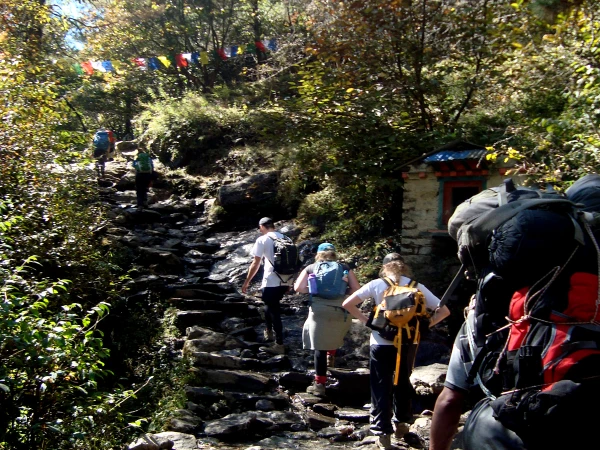
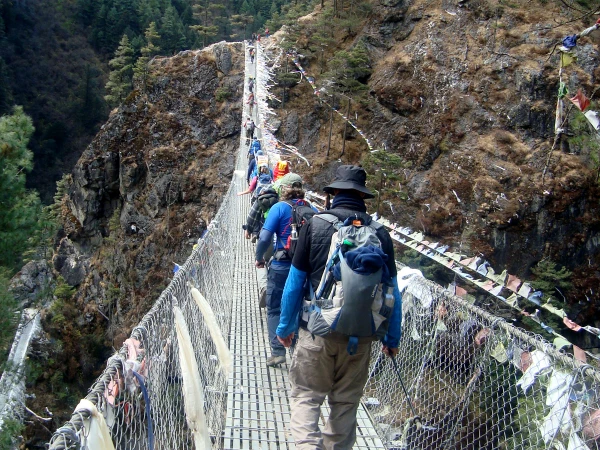
We cross several suspension bridges and pass through small Sherpa villages, pine forests, and scenic mountain landscapes. As we continue toward Monjo, we enter Sagarmatha National Park, a UNESCO World Heritage Site. After completing the necessary permit and entry formalities, the trail continues through beautiful forests alongside the Dudh Koshi River.

The route becomes steeper as we approach Namche Bazaar. We cross several impressive suspension bridges, including the famous Hillary Bridge, before beginning the final uphill section toward Namche. Along the way, we may get our first glimpses of spectacular Himalayan peaks, including Thamserku, Kusum Kanguru, and Everest, depending on weather and visibility.

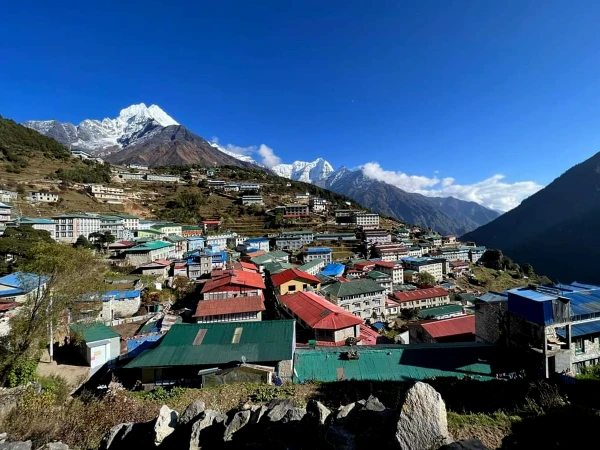
After approximately 6–7 hours of trekking, we arrive at Namche Bazaar (3,440 m). Surrounded by dramatic Himalayan mountains, Namche is a vibrant Sherpa town with colorful shops, cafés, bakeries, and trekking lodges.

We check into our teahouse and have time to rest and explore the town. Spending the night at Namche also helps prepare our bodies for the higher elevations ahead as we continue toward Gokyo Valley, Cho La Pass, and Everest Base Camp.

Day03

Acclimatization Day in Namche Bazaar – Hike to Syangboche

Hiking Duration: Approximately 3 hours
Namche Bazaar Elevation: 3,440 m (11,286 ft)
Syangboche Elevation: Approximately 3,780 m (12,402 ft)
Hiking Distance: Approximately 3-4 km

Today is dedicated to acclimatization in Namche Bazaar, helping your body gradually adjust to the increasing altitude before continuing toward the high Himalayas. Rather than taking a complete rest day, you’ll enjoy a short acclimatization hike to Syangboche and the surrounding viewpoints.

After breakfast, begin the gentle uphill walk from Namche toward Syangboche. The trail offers beautiful views of the Himalayan landscape, with Thamserku, Kongde, and Ama Dablam visible on clear days. You can also explore the area around the Syangboche airstrip and enjoy the peaceful mountain scenery.

After spending some time taking in the views, descend back to Namche Bazaar. The afternoon can be spent relaxing, exploring the colorful streets and local shops, or visiting the Sherpa Culture Museum and Everest Photo Gallery.

This acclimatization day is important for preparing your body for the higher elevations ahead. Stay hydrated, avoid strenuous activity, and take the opportunity to rest well before continuing the trek.

Day04

Trek from Namche Bazaar to Dole 6 Hours Walk

After breakfast in Namche Bazaar, we begin our trek toward Dole, following the scenic trail into the quieter and less crowded Gokyo Valley. Today marks the beginning of the beautiful Gokyo Lake–Cho La Pass–Everest Base Camp Trek route away from the main Everest Base Camp trail.

The trail initially climbs above Namche Bazaar and follows a spectacular ridge with panoramic views of the Everest, Lhotse, Ama Dablam, Thamserku, and Kongde mountain ranges. We then gradually leave the busy trails behind and enter a peaceful landscape of rhododendron, pine, and juniper forests.

As we continue toward Kyangjuma and Sanasa, the trail winds through beautiful Himalayan terrain before branching toward the Gokyo Valley. We cross several small streams and pass through traditional Sherpa settlements while gradually gaining altitude.

The trail becomes steeper as we approach Dole, with the surrounding mountains becoming increasingly dramatic. Dole is a small mountain settlement situated above the Dudh Koshi Valley and surrounded by spectacular Himalayan scenery.

After approximately 5–6 hours of trekking, we arrive at Dole and check into our teahouse. The afternoon is free to relax, enjoy the mountain views, and prepare for the next day's trek toward Machhermo and Gokyo Valley.

As we continue gaining elevation, it is important to maintain a steady pace, stay hydrated, and follow the guidance of your trekking guide.

Day05

Trek from Dole to Machhermo 4 Hours Walk

Trek Duration: Approximately 4 hours
Dole Elevation: 4,200 m (13,780 ft)
Machhermo Elevation: 4,470 m (14,665 ft)
Trekking Distance: Approximately 7 km

After breakfast in Dole, we continue our Gokyo Lake–Cho La Pass–Everest Base Camp Trek toward the beautiful mountain settlement of Machhermo. Today is a relatively short trekking day, allowing us to enjoy the spectacular scenery while gradually gaining altitude.

The trail climbs steadily through the upper Dudh Koshi Valley, passing through alpine landscapes, yak pastures, and small settlements. As we leave the tree line behind, the vegetation becomes increasingly sparse, and the surrounding Himalayan peaks appear more dramatic.

Along the way, we enjoy magnificent views of Cho Oyu, Thamserku, Kantega, and other snow-capped peaks. The peaceful surroundings and open mountain landscape make this section of the trek particularly scenic.

We continue through Luza before reaching Machhermo, a small settlement located at approximately 4,470 meters. Machhermo is one of the important overnight stops on the route to Gokyo Lakes and provides an excellent opportunity to rest before ascending to higher elevations.

After approximately 4 hours of trekking, we arrive at Machhermo and check into our teahouse. The remainder of the afternoon can be spent relaxing, enjoying the mountain scenery, and preparing for the next day's trek toward Gokyo Valley and the stunning Gokyo Lakes.

Because we are now trekking above 4,000 meters, maintaining a comfortable pace, staying well hydrated, and following your guide's acclimatization advice are especially important.

Day06

Trek from Machherma to Gokyo 4hrs

Trek Duration: Approximately 4 hours
Machhermo Elevation: 4,470 m (14,665 ft)
Gokyo Elevation: 4,790 m (15,715 ft)
Trekking Distance: Approximately 10 km

After breakfast in Machhermo, we continue our journey toward the spectacular Gokyo Valley. Today's trek is one of the highlights of the Gokyo Lake–Cho La Pass–Everest Base Camp Trek, taking us through dramatic alpine landscapes and alongside the turquoise waters of the Gokyo Lakes.

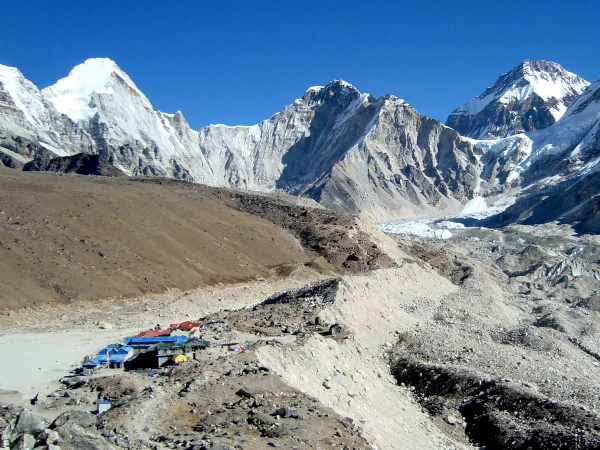
The trail follows the Dudh Koshi River as it gradually climbs through a rugged Himalayan landscape. We pass through the small settlement of Phangkha before reaching the first of the beautiful Gokyo Lakes. The surrounding scenery becomes increasingly impressive as we approach the Ngozumpa Glacier, the largest glacier in Nepal.

As we continue along the trail, we pass several glacial lakes, including Longpongo, Taboche Tsho, and Dudh Pokhari, before reaching the charming settlement of Gokyo. The turquoise waters of the lakes, towering Himalayan peaks, and enormous Ngozumpa Glacier create an unforgettable mountain landscape.

Upon arrival in Gokyo (4,790 m), we check into our teahouse and have time to relax beside the beautiful Gokyo Lake. If weather and energy levels permit, you can enjoy a short walk around the lake and take in spectacular views of Cho Oyu, Gyachung Kang, Everest, Lhotse, and other surrounding peaks.

After approximately 4 hours of trekking, we settle into our accommodation and enjoy the peaceful atmosphere of Gokyo Valley. Tomorrow, we have an exciting opportunity to hike to Gokyo Ri, one of the finest viewpoints in the Everest region.

Day07

Explore Gokyo Lakes and Gokyo Valley

Hiking Duration: Approximately 3–5 hours
Gokyo Elevation: 4,790 m (15,715 ft)
Activity: Gokyo Lakes exploration and acclimatization

Hiking Duration: Approximately 3–5 hours
Gokyo Elevation: 4,790 m (15,715 ft)
Activity: Gokyo Lakes exploration and acclimatization

Today is a memorable exploration and acclimatization day in the beautiful Gokyo Valley. After breakfast, we set out to explore the spectacular Gokyo Lakes, surrounded by towering Himalayan peaks, glaciers, and dramatic alpine landscapes.

We take a scenic walk around Gokyo Lake (Dudh Pokhari) and explore the surrounding valley. Depending on weather conditions, fitness level, and your guide's recommendation, we can also visit some of the other remarkable lakes in the Gokyo Valley, including Thonak Cho (Fourth Lake) and Ngozumba Cho (Fifth Lake).

The turquoise glacial lakes, snow-covered mountains, and enormous Ngozumpa Glacier create an unforgettable Himalayan landscape. From the higher viewpoints around the valley, you can enjoy spectacular views of Cho Oyu, Everest, Lhotse, Makalu, and other Himalayan peaks when visibility is clear.

For trekkers who are feeling strong and properly acclimatized, an optional early-morning hike to Gokyo Ri (approximately 5,357 m) can be arranged. Gokyo Ri is widely regarded as one of the finest viewpoints in the Everest region, offering an impressive panorama of the surrounding Himalayan range.

After exploring Gokyo Valley, we return to our teahouse and spend the rest of the day relaxing and preparing for the challenging Cho La Pass crossing ahead.

This acclimatization and exploration day is an important part of the Gokyo Lake–Cho La Pass–Everest Base Camp Trek, helping us prepare physically for the higher elevations and demanding sections of the route.

Day08

Hike to Gokyo Ri and Trek to Thaknak

Trek Duration: Approximately 4 hours
Gokyo Elevation: 4,790 m (15,715 ft)
Gokyo Ri Elevation: 5,357 m (17,575 ft)
Thaknak Elevation: 4,750 m (15,583 ft)

Today is one of the most spectacular days of the Gokyo Lake–Cho La Pass–Everest Base Camp Trek. We start early in the morning with a challenging hike to Gokyo Ri (5,357 m), one of the most famous viewpoints in the Everest region.

The ascent to Gokyo Ri is steep but highly rewarding. As we climb higher, the views become increasingly impressive. From the summit, we can enjoy a breathtaking panorama of some of the world's highest mountains, including Mount Everest, Cho Oyu, Lhotse, Makalu, and Gyachung Kang, along with the Ngozumpa Glacier and the turquoise Gokyo Lakes below.

After spending some time at the summit and taking in the incredible Himalayan scenery, we descend back to Gokyo for breakfast or a short rest. We then continue our trek toward Thaknak (Dragnag), a small settlement located on the eastern side of the Ngozumpa Glacier.

The trail to Thaknak follows a rugged glacial landscape and offers spectacular views of the surrounding peaks. As we approach Thaknak, the scenery becomes increasingly remote and alpine, preparing us for the challenging Cho La Pass crossing the following day.

After approximately 4 hours of trekking, we arrive at Thaknak and check into our teahouse. We spend the evening resting and preparing for an early start the next morning, when we cross Cho La Pass at approximately 5,420 m.

Because tomorrow is one of the most demanding sections of the trek, your guide will check the weather and trail conditions and provide the necessary advice regarding the Cho La Pass crossing.

Day09

Cross Cho La Pass and Trek to Dzongla 7 Hours Walk

Trek Duration: Approximately 7 hours
Thaknak Elevation: 4,750 m (15,583 ft)
Cho La Pass Elevation: Approximately 5,420 m (17,782 ft)
Dzongla Elevation: 4,830 m (15,846 ft)
Trekking Distance: Approximately 10–12 km

Today is one of the most challenging and rewarding days of the Gokyo Lake–Cho La Pass–Everest Base Camp Trek as we cross the spectacular Cho La Pass (approximately 5,420 m) and continue to the remote mountain settlement of Dzongla.

We start early in the morning from Thaknak and follow a rugged trail toward the Cho La Glacier. The route gradually becomes steeper as we approach the pass, and the landscape changes into a dramatic high-altitude environment of rocks, snow, and glacial terrain.

The climb to Cho La Pass is challenging, particularly because of the altitude and steep sections of the trail. Depending on the season and weather conditions, the pass may be covered with snow and ice, so careful footing and appropriate trekking equipment are essential. Your experienced guide will assess the trail conditions and assist you throughout the crossing.

After reaching the top of Cho La Pass, we are rewarded with spectacular panoramic views of the surrounding Khumbu Himalayas, including impressive peaks and glaciers stretching across the Everest region. We take time to enjoy the scenery and capture memorable photographs before beginning the descent.

From the pass, the trail descends through rocky and sometimes snowy terrain toward Dzongla. The descent can also be demanding, but the dramatic mountain scenery makes the journey worthwhile.

After approximately 7 hours of trekking, we arrive at Dzongla, a remote settlement surrounded by magnificent Himalayan peaks. We check into our teahouse, enjoy a well-earned meal, and rest after completing one of the most adventurous sections of the trek.

Note: Cho La Pass is a high-altitude mountain crossing, and conditions can change quickly. The exact route, equipment requirements, and crossing schedule may vary according to weather and trail conditions. Your guide will make the final decision regarding the safest way to cross the pass.

Day10

Trek from Dzongla to Lobuche 5 Hours Walk

Trek Duration: Approximately 4–5 hours
Dzongla Elevation: 4,830 m (15,846 ft)
Lobuche Elevation: 4,910 m (16,109 ft)
Trekking Distance: Approximately 8 km

After breakfast in Dzongla, we continue our journey toward Lobuche, gradually reconnecting with the main Everest Base Camp trekking route. After the challenging crossing of Cho La Pass, today offers a more manageable trekking day, allowing us to enjoy the spectacular high-altitude scenery of the Khumbu region.

The trail follows a relatively gentle path along the mountainside, with dramatic views of Cholatse, Lobuche Peak, Ama Dablam, and other surrounding Himalayan peaks. The landscape is rugged and remote, with rocky terrain, glacial valleys, and snow-covered mountains creating an unforgettable atmosphere.

As we approach Lobuche, the trail joins the classic Everest Base Camp route. We may encounter trekkers heading toward Everest Base Camp and Gorak Shep, adding a little more activity to the otherwise peaceful high-altitude landscape.

After approximately 4–5 hours of trekking, we reach Lobuche at around 4,910 meters. We check into our teahouse, enjoy a warm meal, and have time to rest and acclimatize.

Lobuche is an important overnight stop before continuing toward Gorak Shep and Everest Base Camp. We recommend staying hydrated, maintaining a slow and steady pace, and following your guide's advice as we continue trekking at high altitude.

Day11

Trek to Everest Base Camp and Return to Gorak Shep

Trek Duration: Approximately 7 hours
Lobuche Elevation: 4,910 m (16,109 ft)
Gorak Shep Elevation: 5,164 m (16,942 ft)
Everest Base Camp Elevation: Approximately 5,364 m (17,598 ft)
Trekking Distance: Approximately 12–14 km

Today is one of the most anticipated days of the Gokyo Lake–Cho La Pass–Everest Base Camp Trek as we make our way to the legendary Everest Base Camp (5,364 m).

After an early breakfast in Lobuche, we begin trekking toward Gorak Shep, following the rugged trail through the high-altitude landscape of the Khumbu region. The route passes through glacial terrain and offers impressive views of Pumori, Khumbutse, Lingtren, Nuptse, and other surrounding Himalayan peaks.

After reaching Gorak Shep, we take a short break and have some refreshments before continuing toward Everest Base Camp. The trail follows the rocky moraine beside the Khumbu Glacier, with spectacular mountain scenery surrounding us.

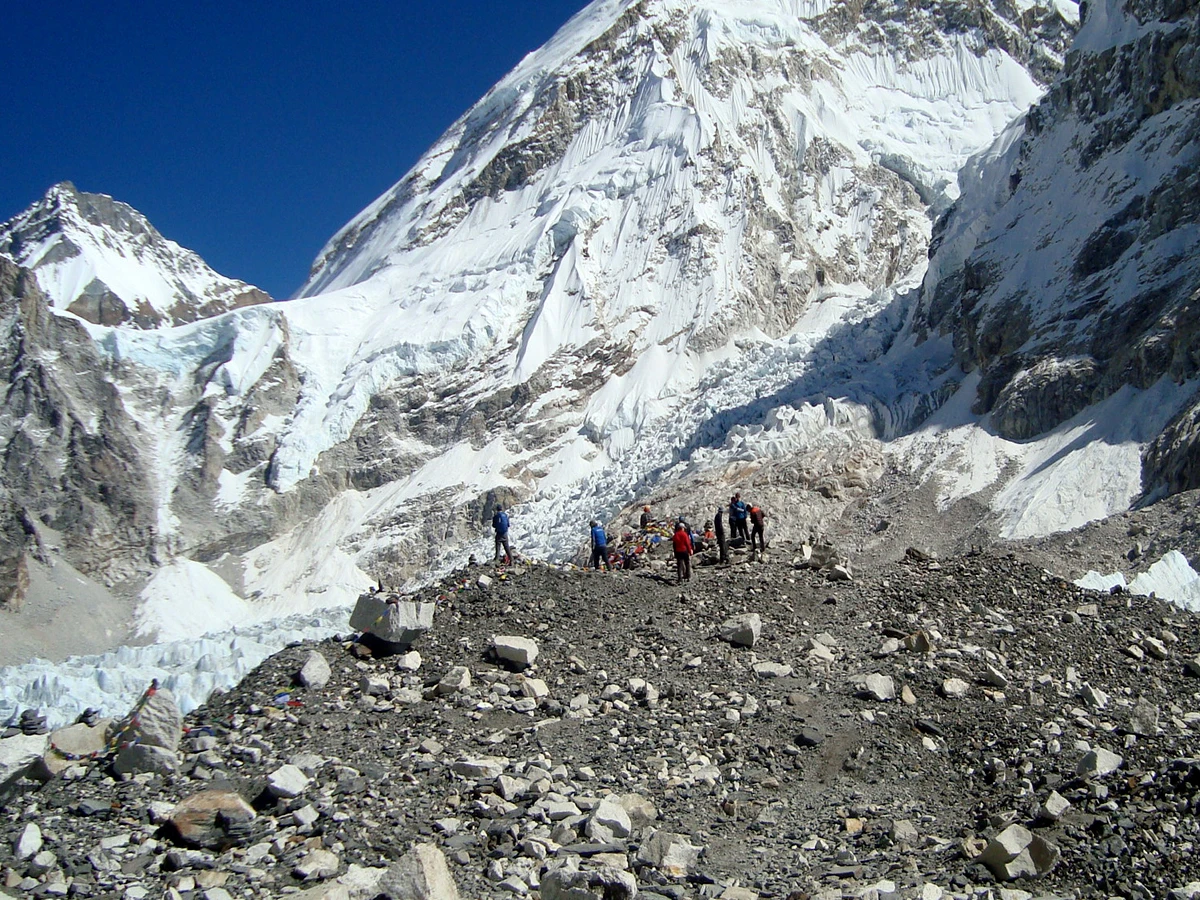
As we approach Everest Base Camp, the landscape becomes increasingly dramatic. Depending on the season, you may see colorful expedition tents at the base camp and experience the excitement of standing at the starting point for climbers attempting Mount Everest.

Reaching Everest Base Camp at approximately 5,364 meters is a proud and unforgettable moment. We take time to celebrate our achievement, enjoy the spectacular surroundings, and capture photographs before retracing our steps toward Gorak Shep.

After approximately 7 hours of trekking, we return to Gorak Shep for an overnight stay and a well-earned rest.

Note: The exact distance and trekking duration can vary depending on trail conditions, weather, individual pace, and the location of the Everest Base Camp marker during the trekking season. Your guide will determine the safest and most practical schedule for the day.

Day12

Hike to Kala Patthar (5,545m) and Trek to Pheriche

Trek Duration: Approximately 6 hours
Gorak Shep Elevation: 5,164 m (16,942 ft)
Kala Patthar Elevation: Approximately 5,545 m (18,192 ft)
Pheriche Elevation: 4,371 m (14,340 ft)
Trekking Distance: Approximately 12–13 km

Today begins with an early-morning hike to Kala Patthar, one of the most famous viewpoints in the Everest region. At approximately 5,545 meters, Kala Patthar provides spectacular panoramic views of Mount Everest, Nuptse, Pumori, Lhotse, and the surrounding Khumbu Himalayas.

We start before sunrise and ascend gradually from Gorak Shep toward the summit of Kala Patthar. Although the climb is relatively short, the high altitude makes it physically demanding. Reaching the viewpoint at sunrise is especially rewarding, as the first rays of sunlight illuminate the world's highest peaks.

After spending time enjoying the breathtaking scenery and taking photographs, we descend back to Gorak Shep for breakfast. We then continue our trek downhill toward Pheriche, following the familiar Everest Base Camp trail through the dramatic Khumbu landscape.

The descent takes us through rocky valleys and alpine terrain, with magnificent views of the surrounding mountains. As we lose elevation, the air gradually becomes more comfortable, and the landscape begins to show more vegetation.

After approximately 6 hours of trekking, we arrive at Pheriche (4,371 m), where we check into our teahouse and enjoy a well-earned rest.

Today's combination of the Kala Patthar sunrise hike and descent to Pheriche is a memorable way to complete the high-altitude section of the Gokyo Lake–Cho La Pass–Everest Base Camp Trek.

Day13

Trek from Pheriche to Tengboche 5 Hours Walk

Trek Duration: Approximately 5 hours
Pheriche Elevation: 4,371 m (14,340 ft)
Tengboche Elevation: 3,867 m (12,664 ft)
Trekking Distance: Approximately 10–11 km

After breakfast in Pheriche, we begin our trek toward Tengboche, one of the most beautiful and culturally significant villages in the Everest region. After several days at high altitude, today's descent brings us into greener landscapes and provides a welcome change in scenery.

The trail follows the Dudh Koshi Valley, offering spectacular views of Ama Dablam, Thamserku, Kangtega, and other Himalayan peaks. As we descend, the barren alpine landscape gradually gives way to rhododendron, pine, and juniper forests.

We continue through peaceful mountain settlements and cross scenic suspension bridges before reaching Tengboche, home to the famous Tengboche Monastery, the largest and most important Buddhist monastery in the Khumbu region.

If time permits, we can visit the monastery and experience its peaceful surroundings while learning more about the Sherpa culture and Buddhist traditions of the Everest region. The panoramic mountain views from Tengboche are particularly impressive, with Ama Dablam standing prominently above the valley.

After approximately 5 hours of trekking, we arrive at Tengboche and check into our teahouse. We can spend the afternoon relaxing, exploring the monastery, and enjoying the spectacular Himalayan scenery.

Today's trek is a rewarding transition from the high-altitude landscapes around Everest Base Camp toward the greener valleys and traditional Sherpa villages on our return journey to Namche Bazaar and Lukla.

Day14

Trek from Tengboche to Monjo 6hrs Walk

Trek Duration: Approximately 5–6 hours
Tengboche Elevation: 3,867 m (12,664 ft)
Monjo Elevation: 2,835 m (9,301 ft)
Trekking Distance: Approximately 14 km

After breakfast in Tengboche, we begin our descent toward Monjo, following the scenic trail through the beautiful forests of the Khumbu region. After completing the challenging high-altitude sections of the Gokyo Lake–Cho La Pass–Everest Base Camp Trek, today's journey is a pleasant return through lush landscapes and traditional Sherpa villages.

The trail initially descends through rhododendron, pine, and juniper forests toward Phunki Tenga, where we cross the Dudh Koshi River. From here, the trail climbs gradually toward Kyangjuma before continuing toward Namche Bazaar.

After a short break in Namche, we continue downhill along the familiar trail toward Monjo. Along the way, we pass through Sherpa villages and cross several suspension bridges while enjoying beautiful views of the surrounding mountains and Dudh Koshi Valley.

We eventually reach Monjo, a peaceful village located near the entrance to Sagarmatha National Park. Monjo is an ideal overnight stop before continuing to Phakding and Lukla the following day.

After approximately 5–6 hours of trekking, we check into our teahouse and enjoy a relaxing evening. The lower altitude and warmer surroundings make this a comfortable and rewarding stage of our journey back toward Lukla.

Day15

Trek from Monjo to Lukla 5 Hours Walk

Trek Duration: Approximately 4–5 hours
Monjo Elevation: 2,835 m (9,301 ft)
Lukla Elevation: 2,840 m (9,317 ft)
Trekking Distance: Approximately 13–14 km

After breakfast in Monjo, we begin the final trekking day of our Gokyo Lake–Cho La Pass–Everest Base Camp Trek as we make our way back to Lukla.

The trail follows the Dudh Koshi River through beautiful forests and traditional Sherpa villages. We pass through Phakding and continue along the familiar trail toward Lukla, crossing several suspension bridges and enjoying the peaceful mountain scenery along the way.

As we approach Lukla, we can reflect on the incredible journey we have completed—from the spectacular Gokyo Lakes and Gokyo Ri, across the challenging Cho La Pass, to Everest Base Camp and Kala Patthar.

After approximately 4–5 hours of trekking, we arrive in Lukla and check into our accommodation. The afternoon is free to relax, explore the town, and celebrate the successful completion of this remarkable Himalayan adventure with your trekking team.

In the evening, we enjoy a final dinner together and thank our guide and porter for their support throughout the trek. We spend our final night in the Everest region before taking our flight back to Kathmandu or Ramechhap the following day.

Day16

Fly from Lukla to Kathmandu/Ramechhap and Transfer to Hotel

Flight Duration: Approximately 20–35 minutes
Lukla Elevation: 2,840 m (9,317 ft)
Kathmandu Elevation: 1,324 m (4,593 ft)

Today marks the final day of your Gokyo Lake–Cho La Pass–Everest Base Camp Trek. After breakfast in Lukla, we head to Tenzing-Hillary Airport for our scenic flight back to Kathmandu or Ramechhap.

Depending on the season, airline schedule, air traffic, and operational conditions, flights may operate between Lukla and Kathmandu or Lukla and Ramechhap (Manthali).

During the peak trekking seasons, flights may operate via Ramechhap/Manthali, followed by a 4–5-hour overland transfer to Kathmandu. During other periods, flights may operate directly to Kathmandu. Our team will arrange the appropriate transportation based on the current flight schedule.

The short flight from Lukla provides one final opportunity to enjoy spectacular views of the Himalayan landscape. Upon arrival at the airport, our representative will meet you and transfer you to your hotel in Kathmandu.

Once at the hotel, you can relax after completing your Gokyo Lakes, Cho La Pass, and Everest Base Camp trek, explore Kathmandu at your leisure, or simply enjoy some well-deserved rest.

Your 16-day Gokyo Lake–Cho La Pass–EBC Trek officially concludes with your arrival at the hotel in Kathmandu.

Still Confuse?
No worries — we’re here to help. Whether you have questions or just need a bit more clarity, feel free to reach out. Our team is ready to guide you every step of the way.

Cost Details

Includes

Gokyo Lake Cho La Pass EBC Trek Service Includes and Excludes

Understanding what is included and excluded in the Gokyo Lake Cho La Pass EBC Trek package is important when planning your adventure with Nepal Spirit Adventure. We strongly recommend that all travelers carefully review the included and excluded services before beginning the trek from Kathmandu.

If you have any questions or need clarification about the trek services, inclusions, or exclusions, our trek manager will be happy to assist you during the trek briefing at your hotel in Kathmandu. Our team will explain the necessary details and help ensure you are fully prepared for your journey through the Gokyo Lakes, Cho La Pass, and Everest Base Camp.

Ground Transportation

  • Complimentary arrival pickup from Tribhuvan International of Kathmandu.
  • From your hotel to the domestic airport departure by private vehicle (1 departure only while flying out from Kathmandu- Lukla).
  • One arrival pickup from the Kathmandu domestic airport to hotel by private vehicle (one-time pickup)
  • From Kathamndu to Ramechhap-Manthali by tourist shared vehicle (if airlines operate Lukla flight from Manthali).
  • From Ramechhap-Manthali to Kathmandu by tourist shared vehicle ( while airlines operate Lukla to Manthali in the main season).

Air Transporation

  • Domestic flights between Kathmandu and Lukla, including applicable airport taxes.
  • Domestic flights between Ramechhap and Lukla (if we need to fly to Lukla from Ramechhap airport).

Trek Accommodation and Meals

  • Accommodation in comfortable teahouse/lodges during the trek
  • Daily three meals a day: breakfast, lunch, and dinner during the trekking session.

Trek Staff and Permit

  • Experienced, licensed, and English-speaking Sherpa trekking guide, including his daily wages: Accommodation, meals, transportation, salary, and insurance.
  • Trek porter: one porter for two trekkers (1: 2), including his daily wages: accommodation, meals, transportation, salary, and insurance.
  • Trekking permit: Sagarmatha National Park.
  • TIMS card, if required for the trekking route.

Trek Equipment and Taxes

  • Sleeping bag and down jacket for the trek, if required.
  • Company duffel bag for carrying your trekking gear.
  • T-shirt and hat

Note:Equipment to be returned after the trek

  • Local government trekking permit and applicable local fees.
  • Government taxes and applicable service charges
  • Company service charges
  • Basic first-aid kit carried by the trekking guide.

Excludes

  1. Nepal visa
  2. Hotel and food in Kathmandu
  3. Personal trekking equipment
  4. Daily personal drinks expenses such as alcoholic/nonalcoholic, chocolate, cookies, hot shower, and electricity item charges.
  5. Personal travel insurance (top requirement).
  6. Tipping (end of the trek).
Select Departure Dates
Aug 2026
Sep 2026
Oct 2026
Nov 2026
Dec 2026
Jan 2027
Feb 2027
Mar 2027
Apr 2027
May 2027
Jun 2027
Jul 2027
Aug 2027
Sep 2027
Oct 2027
Nov 2027
Departure Date
Starts: Aug 26, 2026Ends: Sep 10, 2026
Status
Available
Confirm
Price
US$1670
Departure Date
Starts: Aug 30, 2026Ends: Sep 14, 2026
Status
Available
Confirm
Price
US$1670

Departure Dates for the Gokyo Lake–Cho La Pass–EBC Trek

Our Gokyo Lake–Cho La Pass–Everest Base Camp (EBC) trek is available with guaranteed departures starting and ending in Kathmandu. We offer flexible departure dates throughout the year, making it easy to plan your Himalayan adventure according to your travel schedule.

We specialize in private and customized treks in the Everest region, so you can choose a departure date that works best for you, whether you are traveling solo, as a couple, with family, or with a group of friends.

If your preferred departure date is not listed or does not fit your itinerary, please contact us. Our trekking team can arrange a private departure on a date that suits your plans, subject to seasonal trekking conditions and route accessibility.

"Plan your Gokyo Lake–Cho La Pass–EBC Trek with flexible dates and enjoy a personalized Himalayan trekking experience from Kathmandu to Everest Base Camp"

Essential Information

Useful Information About Gokyo Lake Cho La Pass EBC Trek

The Gokyo Lake Cho La Pass EBC Trek is a challenging and rewarding high-altitude adventure in Nepal’s Everest region. Before starting the trek, it is important to understand the trek difficulty, best time to visit, altitude, weather, permits, accommodation, meals, trekking equipment, physical fitness, and travel insurance. Proper preparation and acclimatization are essential for a safe and enjoyable journey.

This trek combines the spectacular Gokyo Lakes, Gokyo Ri, Cho La Pass, and Everest Base Camp, making it one of the most scenic and adventurous routes in the Khumbu region. Trekkers should be prepared for long walking days, steep ascents and descents, changing mountain weather, and high-altitude conditions. The crossing of Cho La Pass at approximately 5,420 meters is one of the most challenging sections of the route.

With experienced guides, suitable trekking gear, adequate acclimatization, and good physical preparation, the Gokyo Lake Cho La Pass EBC Trek can be an unforgettable Himalayan experience. The following information will help you plan and prepare for your trek with confidence.

Trek Difficulty and Fitness Level

The Gokyo Lake Cho La Pass EBC Trek is a challenging high-altitude trek suitable for trekkers with good physical fitness, endurance, and previous hiking experience. The route involves long walking days, steep ascents and descents, rocky trails, and challenging high-altitude terrain. Crossing Cho La Pass at approximately 5,420 meters (17,782 feet) is one of the most demanding sections of the trek and can involve snow and icy conditions depending on the season.

Trekkers should be prepared to walk for approximately 5–8 hours per day, with some days requiring longer periods on the trail. As the altitude increases, the thinner air can make walking more physically demanding, even for experienced hikers. Proper acclimatization, a gradual pace, adequate hydration, and regular rest are essential for reducing the risk of altitude-related problems.

No technical mountaineering experience is normally required, but trekkers should be comfortable walking on uneven and steep mountain trails. During the Cho La Pass crossing, microspikes or other suitable traction equipment may be useful when snow and ice are present.

Regular cardiovascular training, hiking, stair climbing, strength exercises, and longer weekend walks before the trek can help improve fitness and endurance. With proper preparation, a steady pace, and experienced local guides, physically fit and well-prepared trekkers can complete the Gokyo Lake Cho La Pass EBC Trek.

Altitude and Acclimatization

The Gokyo Lake Cho La Pass EBC Trek is a high-altitude adventure, with the route reaching approximately 5,420 meters (17,782 feet) at Cho La Pass and 5,364 meters (17,598 feet) at Everest Base Camp. Because of the significant elevation gain, proper acclimatization is essential for a safe and enjoyable trekking experience.

The itinerary is designed to allow your body time to adjust gradually to the increasing altitude. Acclimatization stops in places such as Namche Bazaar and Gokyo Valley provide opportunities to rest, explore, and adapt before continuing to higher elevations. The hike to Gokyo Ri at approximately 5,357 meters and the journey toward Cho La Pass are undertaken at a steady pace with appropriate rest.

At high altitude, trekkers may experience symptoms such as headache, fatigue, dizziness, loss of appetite, or difficulty sleeping. Walking slowly, staying well hydrated, eating regularly, getting adequate rest, and following the advice of your experienced trekking guide are important. If symptoms become severe or worsen, descending to a lower elevation is the safest response.

Good physical preparation, a gradual ascent, and proper acclimatization can significantly improve your ability to enjoy the Gokyo Lakes, Cho La Pass, and Everest Base Camp without unnecessary altitude-related difficulties.

Weather and Temperature

The Gokyo Lake Cho La Pass EBC Trek passes through a wide range of altitudes, so weather and temperatures can change quickly throughout the journey. The lower sections around Lukla, Phakding, and Namche Bazaar are generally milder, while temperatures become much colder as you ascend toward Gokyo Lakes, Cho La Pass, and Everest Base Camp.

The best seasons for the Gokyo Cho La Pass EBC Trek are spring (March to May) and autumn (September to November). During these months, the weather is generally more stable, with clear skies, good mountain visibility, and comfortable conditions for trekking. Spring also brings colorful rhododendron blooms, while autumn is known for crisp mountain views and clear Himalayan scenery.

Winter (December to February) brings very cold temperatures, particularly at higher elevations. Snow and icy conditions can make the Cho La Pass crossing more challenging. Summer and monsoon (June to August) bring frequent rainfall, cloudy skies, and wet or slippery trails, while flight and trail conditions can sometimes be affected by poor weather.

Temperatures vary considerably with altitude. Days can be pleasant when the sun is shining, but mornings, evenings, and nights at higher elevations can be extremely cold. Trekkers should bring appropriate layered clothing, a warm down jacket, thermal wear, gloves, a hat, waterproof clothing, and suitable trekking boots.

Because Himalayan weather can change rapidly, it is important to remain flexible and follow the advice of your experienced trekking guide throughout the journey. Proper preparation will help you stay comfortable while enjoying the spectacular scenery of the Gokyo Lakes, Cho La Pass, and Everest Base Camp.

Best Time for Gokyo Cho La Pass EBC Trek

The best time for the Gokyo Cho La Pass EBC Trek is during spring (March to May) and autumn (September to November). These seasons generally offer stable weather, clear skies, excellent mountain visibility, and favorable trail conditions, making them ideal for exploring the Gokyo Lakes, Cho La Pass, and Everest Base Camp.

Spring Season: March to May

Spring is one of the most beautiful times for the Gokyo Cho La Pass EBC Trek. The weather is generally pleasant, the skies are often clear, and the trails become colorful with blooming rhododendrons and other alpine flowers. Mountain visibility is usually excellent, providing spectacular views of Mount Everest, Cho Oyu, Lhotse, Makalu, and Ama Dablam.

Autumn Season: September to November

Autumn is considered one of the best seasons for trekking in the Everest region. After the monsoon, the atmosphere becomes clearer, and the trails are generally dry, offering outstanding Himalayan views. October and November are particularly popular because of stable weather, crisp mountain scenery, and comfortable trekking conditions.

Winter Season: December to February

Winter trekking is possible for experienced and well-prepared trekkers, but temperatures can be extremely cold at higher elevations. Snow and ice may make Cho La Pass more difficult to cross, and heavy snowfall can sometimes affect the route. Proper winter equipment and flexible planning are essential.

Monsoon Season: June to August

The summer monsoon brings frequent rainfall, cloudy weather, and wet or slippery trails in the lower sections of the route. Mountain views can be limited, and flights to and from Lukla may sometimes be affected by poor weather. Although trekking is possible, this is generally not the preferred season for the Gokyo Lake Cho La Pass EBC Trek.

Overall, spring and autumn are the recommended seasons for this trek, offering the best combination of favorable weather, clear Himalayan views, and safer conditions for crossing Cho La Pass.

Accommodation and Meals

Accommodation during the Gokyo Lake Cho La Pass EBC Trek is provided mainly in comfortable teahouses and mountain lodges along the trekking route. These locally operated lodges offer basic but comfortable rooms, usually with twin beds and shared bathroom facilities. At higher elevations, accommodation becomes more basic, but the warm hospitality of the local Sherpa communities makes the experience enjoyable and authentic.

During the trek, you will stay in teahouses at popular stops such as Phakding, Namche Bazaar, Dole, Machhermo, Gokyo, Thangnak, Dzongla, Lobuche, and other overnight points, depending on the itinerary. Most lodges provide dining areas where trekkers can relax, enjoy meals, and meet fellow travelers.

Meals During the Trek

The trekking package generally includes breakfast, lunch, and dinner throughout the trekking days. Meals are prepared by local teahouses and provide a combination of traditional Nepali dishes and familiar international options. Popular choices include dal bhat, noodles, pasta, rice, potatoes, soups, vegetables, eggs, bread, and Tibetan-style dishes.

Breakfast usually includes options such as eggs, porridge, Tibetan bread, pancakes, toast, and tea or coffee. Lunch and dinner commonly include nutritious meals such as dal bhat, noodles, pasta, rice, vegetables, and soup, providing the energy needed for long days of high-altitude trekking.

At higher elevations, food choices can become more limited because supplies must be transported by porters or other means. We recommend eating nutritious meals, staying well hydrated, and avoiding excessive alcohol during the trek.

Nepal Spirit Adventure works with reliable local teahouses and experienced trekking staff to provide comfortable accommodation and hygienic meals throughout the Gokyo Lakes, Cho La Pass, and Everest Base Camp journey.

Lukla Flight Information

The Lukla flight is an important part of the Gokyo Lake Cho La Pass EBC Trek, as Lukla serves as the main gateway to the Everest region. The flight from Kathmandu to Lukla takes approximately 30–40 minutes and offers spectacular aerial views of the hills, valleys, and Himalayan landscapes of Nepal.

Flights to Lukla are generally operated by local airlines using small aircraft. Because Lukla is located at approximately 2,860 meters (9,383 feet) and is surrounded by mountainous terrain, flights are highly dependent on weather and visibility conditions. Delays and cancellations can occur, particularly during periods of poor weather.

During the main trekking seasons, especially spring and autumn, flights are generally more reliable, although weather-related disruptions are still possible. It is therefore important to keep some flexibility in your itinerary when traveling to or from Lukla.

In some circumstances, flights may operate from Ramechhap Airport (Manthali) instead of Kathmandu, particularly during busy trekking seasons. When required, travelers may need to travel by road from Kathmandu to Ramechhap before taking the flight to Lukla.

For a smooth journey, we recommend arriving in Nepal with sufficient time before your trek and allowing an extra day or two as a contingency for possible flight delays or cancellations. Nepal Spirit Adventure assists with flight arrangements and guides the journey to help ensure a smooth start and finish to your Gokyo Lake Cho La Pass EBC Trek.

Required Permits for Gokyo Lake Cho La Pass EBC Trek

The Gokyo Lake Cho La Pass EBC Trek requires several permits and entry documents before entering the Everest region. These permits help regulate trekking activities, support conservation efforts, and contribute to the management of the Khumbu region.

Sagarmatha National Park Entry Permit

The Sagarmatha National Park Entry Permit is required for all trekkers entering the Everest region. The trekking route passes through the protected area, which is home to spectacular Himalayan landscapes, diverse flora and fauna, and important Sherpa cultural heritage.

Khumbu Pasang Lhamu Rural Municipality Permit

Trekkers must also obtain the Khumbu Pasang Lhamu Rural Municipality entry permit. This local permit is required for trekking through the Khumbu region and is generally obtained in the Everest region after arriving in the area.

TIMS Card

A TIMS (Trekkers’ Information Management Systems) card may be required depending on the current trekking regulations and the type of trekking arrangement. Requirements and procedures can change, so trekkers should confirm the latest regulations before departure.

Permit Arrangement

For travelers trekking with Nepal Spirit Adventure, the required trekking permits and applicable entry fees are arranged by the company as part of the trekking service, according to the package inclusions. Trekkers should carry a valid passport and sufficient passport-size photographs if required for permit processing.

Because permit regulations and fees can change, it is important to check the latest requirements before starting the Gokyo Lakes, Cho La Pass, and Everest Base Camp Trek.

Travel and Rescue Insurance

Travel and rescue insurance is essential for the Gokyo Lake Cho La Pass EBC Trek because the route reaches high elevations and includes challenging sections such as Cho La Pass at approximately 5,420 meters. Before starting the trek, every trekker should have comprehensive travel insurance that specifically covers high-altitude trekking in Nepal.

Your insurance should ideally cover emergency medical treatment, helicopter evacuation, trip cancellation or interruption, flight delays, lost or stolen baggage, and other unexpected travel emergencies. Most importantly, check that your policy covers trekking at the maximum altitude reached on your itinerary and does not exclude high-altitude activities.

Because weather conditions in the Everest region can change rapidly, an emergency helicopter evacuation may sometimes be necessary in the event of serious altitude sickness, injury, or other medical emergencies. The cost of evacuation can be high, so adequate insurance coverage is strongly recommended.

Before departure, carry a copy of your travel insurance policy and emergency contact details. Inform your trekking company about your insurance coverage and make sure you understand the procedures for requesting emergency assistance.

Nepal Spirit Adventure provides experienced guides who monitor trekkers throughout the journey and assist with emergency arrangements when necessary. However, trekkers are responsible for obtaining their own appropriate travel and high-altitude rescue insurance before joining the Gokyo Lake Cho La Pass EBC Trek.

Safety and Health at High Altitude

The Gokyo Lake Cho La Pass EBC Trek is a challenging high-altitude adventure, reaching approximately 5,420 meters at Cho La Pass and 5,364 meters at Everest Base Camp. Good preparation, gradual acclimatization, and careful attention to your health are essential for a safe and enjoyable trek.

Preventing Altitude Sickness

As you ascend, the air contains less oxygen, increasing the risk of acute mountain sickness (AMS). Common symptoms include headache, dizziness, tiredness, nausea, loss of appetite, and difficulty sleeping. Walking at a steady pace, staying hydrated, eating nutritious meals, getting enough rest, and following a gradual ascent schedule can help your body adjust to the altitude.

Never ignore symptoms that become severe or continue to worsen. Severe headache, difficulty breathing at rest, confusion, inability to walk normally, extreme weakness, or loss of consciousness can indicate a serious altitude-related illness. In such situations, descending to a lower altitude and seeking immediate medical assistance is essential.

Trekking Safety

The route includes steep ascents, rocky trails, suspension bridges, glaciers, and the challenging Cho La Pass. Snow and ice may be present at higher elevations, particularly outside the main trekking seasons. Wear suitable trekking boots, use trekking poles where helpful, and follow your guide's instructions carefully.

Weather can change rapidly in the Himalayas, so carry appropriate warm layers, waterproof clothing, gloves, sun protection, and a headlamp. Keep essential personal medication and important documents easily accessible.

Stay Hydrated and Protected

Drink plenty of water throughout the trek and avoid excessive alcohol at high altitude. Protect yourself from strong Himalayan sunlight with sunscreen, sunglasses, and a hat. Eat regular, nutritious meals to maintain energy during long trekking days.

Nepal Spirit Adventure provides experienced trekking guides who monitor your condition, assist with acclimatization, and help respond to emergencies when necessary. However, every trekker should understand the risks of high-altitude trekking and have appropriate travel and rescue insurance before starting the Gokyo Lake Cho La Pass EBC Trek.

Guide and Porter Services

Professional guide and porter services are an important part of the Gokyo Lake Cho La Pass EBC Trek, especially because the route involves challenging high-altitude sections such as Cho La Pass and Everest Base Camp. Experienced local guides provide valuable support throughout the journey and help trekkers navigate the trails safely and comfortably.

Nepal Spirit Adventure provides experienced, licensed trekking guides who have extensive knowledge of the Everest region, Gokyo Valley, Sherpa culture, local traditions, mountain trails, weather conditions, and high-altitude trekking. They help manage the daily itinerary, recommend an appropriate walking pace, assist with acclimatization, and provide guidance during challenging sections of the route.

Porters carry the majority of your main trekking luggage, allowing you to walk with a lighter daypack and enjoy the journey more comfortably. Our porters are experienced in high-altitude environments and are an important part of the trekking team. We ensure that porters are provided with appropriate accommodation, meals, wages, and necessary support throughout the trek.

Having an experienced guide and reliable porter can make a significant difference when crossing Cho La Pass, navigating remote trails, and dealing with changing mountain conditions. Their local knowledge also provides opportunities to learn more about the Sherpa communities, Buddhist monasteries, wildlife, and natural environment of the Khumbu region.

With professional guide and porter support from Nepal Spirit Adventure, trekkers can focus on enjoying the spectacular Gokyo Lakes, Gokyo Ri, Cho La Pass, Everest Base Camp, and Himalayan mountain scenery while receiving reliable assistance throughout the adventure.

Trekking Equipment and Packing List

Having the right trekking equipment and packing list is essential for a safe and comfortable Gokyo Lake Cho La Pass EBC Trek. The route reaches high altitudes and includes challenging terrain around Cho La Pass, Gokyo Lakes, and Everest Base Camp, so trekkers should be properly prepared for cold temperatures, changing weather, and long walking days.

Essential Trekking Equipment

  • Trekking boots: Comfortable, waterproof, and well broken-in boots with good ankle support.
  • Trekking poles: Helpful for steep ascents, descents, and uneven trails.
  • Warm sleeping bag: Suitable for cold nights at high altitude.
  • Down jacket: Essential for cold mornings, evenings, and high-altitude sections.
  • Waterproof jacket and trousers: Useful during rain, snow, and changing mountain weather.
  • Thermal base layers: Keep your body warm at higher elevations.
  • Fleece or insulating layers: Useful for adjusting to changing temperatures.
  • Warm hat, gloves, and neck gaiter: Important for cold and windy conditions.
  • Sunglasses: Choose good-quality UV-protection sunglasses for strong Himalayan sunlight.
  • Sun hat and sunscreen: Protect your skin from intense sunlight at high altitude.
  • Headlamp: Essential for early-morning starts and emergencies.
  • Water bottles or hydration system: Carry enough water and stay well hydrated.
  • Daypack: A comfortable 20–30 liter backpack for daily essentials.
  • Duffel bag: Used for your main trekking gear when porters are carrying your luggage.

Personal and Health Items

  • Personal first-aid kit and regular medications.
  • Water purification tablets, drops, or a suitable filtration system.
  • Toiletries and quick-drying towel.
  • Lip balm and moisturizer.
  • Hand sanitizer and biodegradable wet wipes.
  • Personal snacks, energy bars, or chocolate.
  • Power bank and charging cables.
  • Camera or smartphone with spare batteries or a power bank.
  • Passport, permits, travel insurance documents, and emergency contacts.

Equipment for Cho La Pass

The Cho La Pass crossing at approximately 5,420 meters can involve snow and icy conditions depending on the season. Suitable trekking boots and warm, waterproof clothing are essential. Microspikes or other traction equipment may be useful when the trail is icy or snow-covered. Your trekking guide can advise you about current trail conditions and the equipment required before crossing the pass.

Nepal Spirit Adventure provides essential equipment such as a down sleeping bag, down jacket, and company duffel bag when included in the trekking package. Trekkers may also bring their own personal equipment if preferred.

Pack as lightly as possible while ensuring you have everything necessary for high-altitude trekking. A well-prepared Gokyo Lake Cho La Pass EBC Trek packing list will help you stay warm, comfortable, and safe throughout your Himalayan adventure.

Responsible and Sustainable Trekking

Responsible trekking is an important part of protecting the natural environment, local culture, and communities of the Everest region. The Gokyo Lake Cho La Pass EBC Trek passes through Sagarmatha National Park, fragile alpine landscapes, traditional Sherpa villages, and important Buddhist cultural sites. Trekkers can help preserve these places by following responsible and sustainable travel practices.

Protect the Environment

  • Carry your rubbish with you and dispose of waste properly.
  • Avoid single-use plastics whenever possible and use refillable water bottles.
  • Stay on established trekking trails to protect fragile vegetation.
  • Do not disturb wildlife, plants, or natural landscapes.
  • Use water and other natural resources responsibly.
  • Avoid leaving food waste or other litter around teahouses and campsites.

Respect Local Culture

The Khumbu region is home to the Sherpa people and has a rich Buddhist heritage. Respect local customs, traditions, monasteries, prayer wheels, mani walls, and religious sites. Ask permission before photographing local people, monks, or religious ceremonies, and dress respectfully when visiting monasteries.

Support Local Communities

Choosing locally owned teahouses, lodges, restaurants, guides, and porters helps tourism income remain within local communities. Purchasing local products and services also supports the livelihoods of families living in the Everest region.

Nepal Spirit Adventure works with local guides, porters, lodge owners, and communities to promote responsible trekking practices. We encourage every trekker to travel thoughtfully, respect the environment and local culture, and help preserve the unique beauty of the Gokyo Lakes, Cho La Pass, and Everest region for future generations.

By following sustainable trekking principles, we can enjoy an unforgettable Himalayan adventure while helping protect the natural and cultural heritage of the Everest region.

Equipments

For the Gokyo Lake–Cho La Pass–Everest Base Camp (EBC) Trek, proper equipment is essential because the route reaches high altitude, crosses the Cho La Pass (about 5,420 m), and can involve snow, ice, strong winds, and freezing temperatures.

Gokyo Lake–Cho La Pass–EBC Trek Equipment List

Clothing

  1. Moisture-wicking thermal base layers
  2. Fleece or warm mid-layer
  3. Down jacket suitable for high altitude
  4. Waterproof and windproof jacket
  5. Waterproof trekking pants
  6. Warm trekking trousers
  7. Thermal underwear
  8. Fleece or wool hat
  9. Sun hat/cap
  10. Buff or neck gaiter
  11. Warm gloves and waterproof outer gloves
  12. 4–5 pairs of trekking socks

Footwear

  1. Comfortable, well-broken-in trekking boots with good ankle support
  2. Lightweight camp shoes or sandals
  3. Gaiters, particularly useful when crossing Cho La in snowy conditions
  4. Microspikes/crampons when required by route and conditions

Backpack & Sleeping Gear

  1. 40–50 L trekking backpack
  2. Waterproof backpack cover
  3. Duffel bag if your trekking company provides porter service
  4. Sleeping bag rated for approximately −15°C to −20°C
  5. Sleeping-bag liner
  6. Small daypack (if using a porter)

Trekking & Safety Equipment

  1. Trekking poles with adjustable length
  2. Headlamp with spare batteries
  3. Sunglasses with strong UV protection
  4. Sunscreen (SPF 50+ recommended)
  5. Lip balm with SPF
  6. Water bottles or hydration system
  7. Water purification tablets/filter
  8. Personal first-aid kit
  9. Basic medication and personal prescriptions
  10. Blister treatment/plasters
  11. Hand sanitizer
  12. Emergency whistle

Electronics

  1. Mobile phone
  2. Power bank
  3. Universal travel adapter
  4. Camera and spare batteries
  5. Headlamp
  6. Charging cables

Personal Essentials

  1. Quick-drying towel
  2. Toiletries
  3. Toilet paper and tissues
  4. Wet wipes
  5. Hand sanitizer
  6. Small laundry bag
  7. Reusable water bottle
  8. Snacks, energy bars, or trail mix
  9. Passport and required permits/documents
  10. Cash for tea houses and personal expenses

Special Equipment for Cho La Pass

The Cho La Pass section requires particular attention. Depending on the season and current trail conditions, trekkers may need microspikes or crampons, gaiters, trekking poles, warm gloves, and additional insulation. Your trekking agency or guide should confirm the appropriate equipment before crossing the pass.

Tip: Avoid overpacking. With porter support, keep your main duffel organized and carry only the essentials in your daypack, such as water, snacks, layers, sunscreen, camera, documents, and personal medication.

Gokyo Lake Cho La Pass EBC Trek - 16 Days FAQs

The Gokyo Lake Cho La Pass EBC Trek is a challenging high-altitude trek suitable for trekkers with good physical fitness and endurance. The route includes long walking days, steep ascents and descents, and the challenging Cho La Pass at approximately 5,420 meters. Previous trekking experience is helpful but not always essential with proper preparation and acclimatization.

The trek itinerary typically takes around 16 days, depending on the route, acclimatization schedule, flight arrangements, and trekking conditions. The itinerary combines the Gokyo Lakes, Gokyo Ri, Cho La Pass, and Everest Base Camp.

The best seasons are spring (March to May) and autumn (September to November). These months generally offer stable weather, clear mountain views, and favorable trekking conditions. Winter can be very cold, while the monsoon season brings rain, clouds, and potentially slippery trails.

The highest point is generally Cho La Pass at approximately 5,420 meters (17,782 feet). The trek also reaches Kala Patthar at approximately 5,545 meters, which is higher in elevation and is one of the major viewpoints on the Everest Base Camp section of the route.

Previous high-altitude trekking experience is recommended but not mandatory. Trekkers should have good cardiovascular fitness, endurance, and the ability to walk for several hours on consecutive days. Proper acclimatization and preparation are especially important for the Cho La Pass crossing.

A professional guide is highly recommended for the Gokyo Cho La Pass EBC Trek, particularly because of the challenging high-altitude terrain and remote sections of the route. A porter can carry your main luggage, allowing you to trek more comfortably with a lighter daypack.

The trek generally requires a Sagarmatha National Park Entry Permit and a Khumbu Pasang Lhamu Rural Municipality Permit. A TIMS card may also be required depending on current trekking regulations and the type of trekking arrangement.

Accommodation is mainly provided in local teahouses and mountain lodges. Rooms are generally basic and comfortable, usually with twin beds. Bathroom facilities may be shared, especially at higher elevations.

Breakfast, lunch, and dinner are generally available at the teahouses. Common meals include dal bhat, noodles, pasta, rice, potatoes, vegetables, eggs, bread, soups, and Tibetan-style dishes. Food options may become more limited at higher elevations.

Yes. Cho La Pass is one of the most challenging sections of the trek. The trail can be steep, rocky, snowy, or icy depending on the season. Good physical fitness, proper acclimatization, suitable trekking boots, and guidance from an experienced trekking guide are important.

You do not normally need technical mountaineering equipment, but appropriate high-altitude trekking gear is essential. Depending on trail conditions, microspikes or other traction equipment may be useful for crossing snow- or ice-covered sections of Cho La Pass.

The route offers spectacular views of Mount Everest, Lhotse, Makalu, Cho Oyu, Ama Dablam, Nuptse, Pumori, Thamserku, and other Himalayan peaks. Gokyo Ri is particularly famous for its panoramic views of the surrounding mountains.

Parts of the Gokyo Valley and Cho La route are generally quieter than the main Everest Base Camp trail. This makes the trek attractive to travelers looking for a more peaceful and scenic alternative while still visiting Everest Base Camp.

Comprehensive travel and high-altitude trekking insurance is strongly recommended. Your policy should cover emergency medical treatment and helicopter evacuation at the maximum altitude reached during the trek, as well as trip cancellation or interruption where applicable.

Yes. Because the route reaches elevations above 5,000 meters, there is a risk of acute mountain sickness (AMS). A gradual itinerary, proper acclimatization, adequate hydration, sufficient rest, and following your guide's advice can help reduce the risk. Serious or worsening symptoms require immediate attention and descent to a lower altitude.

Essential items include good trekking boots, warm layers, a down jacket,sleeping bag,waterproof clothing,trekking poles,gloves, a hat,sunglasses,sunscreen, a headlamp,water bottles,personal medication, and a first-aid kit. Nepal Spirit Adventure provides a down sleeping bag, down jacket, and company duffel bag when included in the package.

This route combines several of the Everest region's greatest highlights into a single journey: the spectacular Gokyo Lakes, Gokyo Ri, Cho La Pass, Everest Base Camp, Kala Patthar, Sherpa culture, glaciers, and panoramic Himalayan views. It is an excellent choice for experienced and well-prepared trekkers seeking a more challenging and scenic Everest adventure.

What Our Guests Say?

We Chose the Best Gokyo Cho La Pass Trek Itinerary

We chose what we believe was the best Gokyo Cho La Pass Trek itinerary with Nepal Spirit Adventure. We knew that crossing Cho La Pass from the Gokyo side would be challenging, but we always prefer an adventurous and highly...

read more +
N
Nocola -Austria
July 10, 2026
The Best Choice Is the Gokyo Cho La Pass Trek

Namaste, Ram!

Choosing the Gokyo Cho La Pass Trek was one of the best decisions we made, and we are very grateful for your kind advice and for recommending this beautiful itinerary. Everything worked perfectly, and we had one of...

read more +
P
Phillip -Australia
June 04, 2026
Wonderful Gokyo Cho La Pass Trek Experience

Thank you, Ram and the entire team at Nepal Spirit Adventure, for your wonderful service from our arrival in Nepal until our departure. We truly don’t have enough words to express how grateful we are for everything you did for...

read more +
C
Christine -Australia
April 21, 2026

Handpicked for You

Need Help? Call Us+977 9851072590