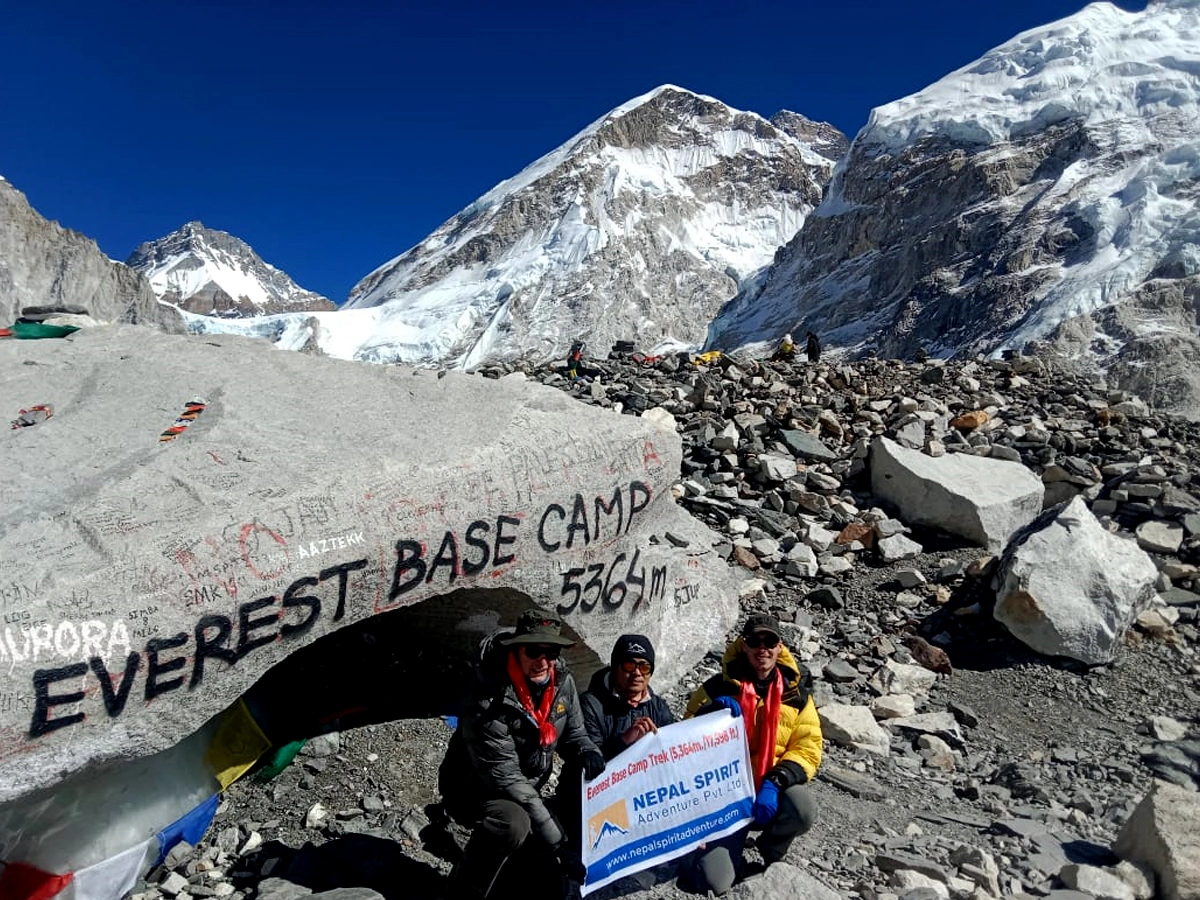
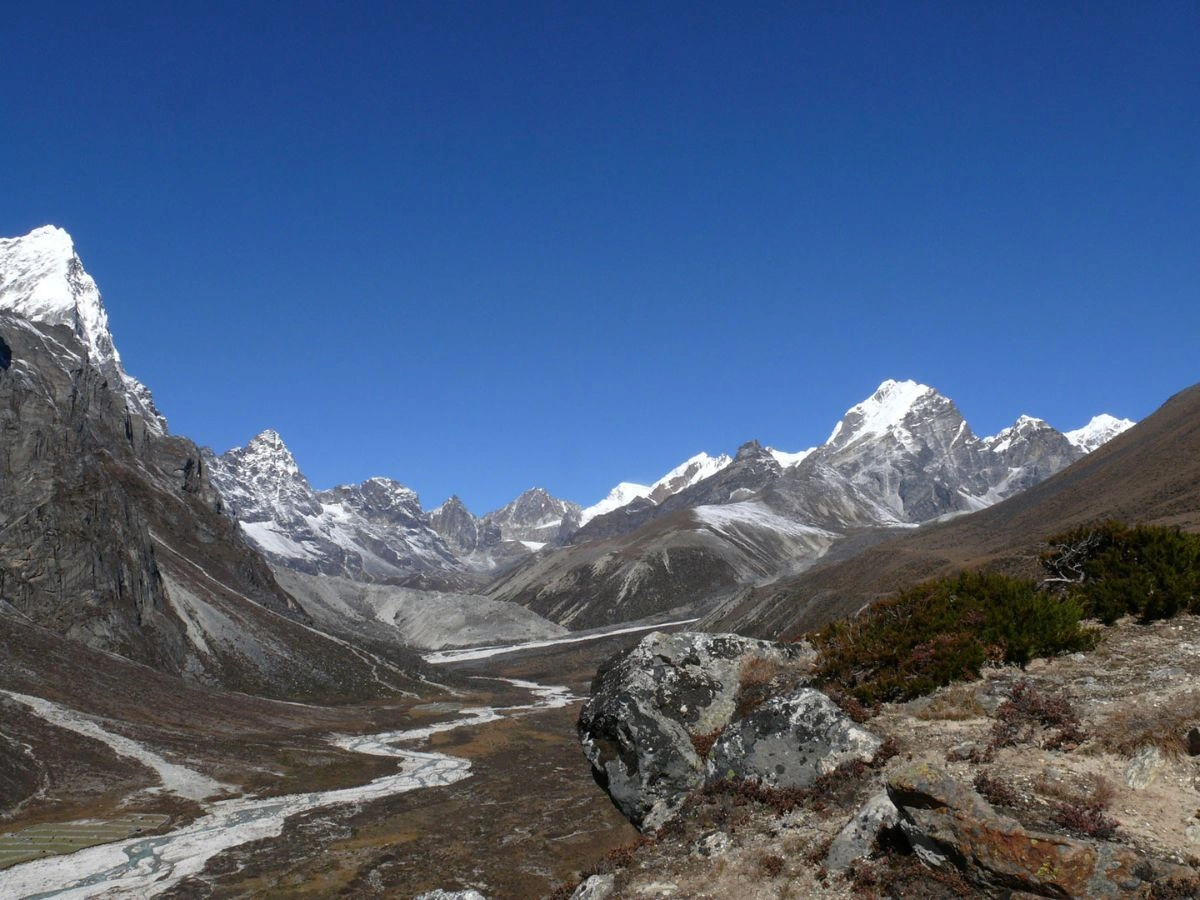
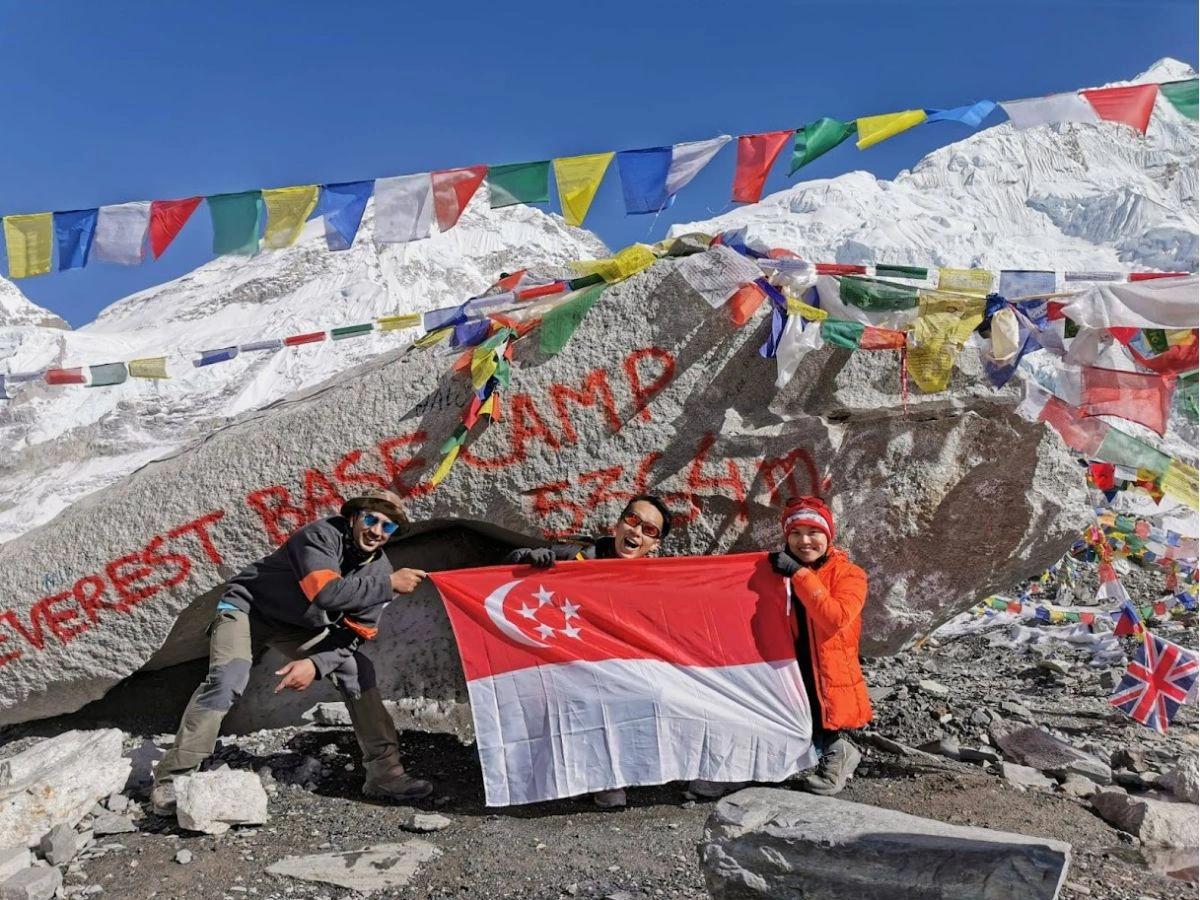
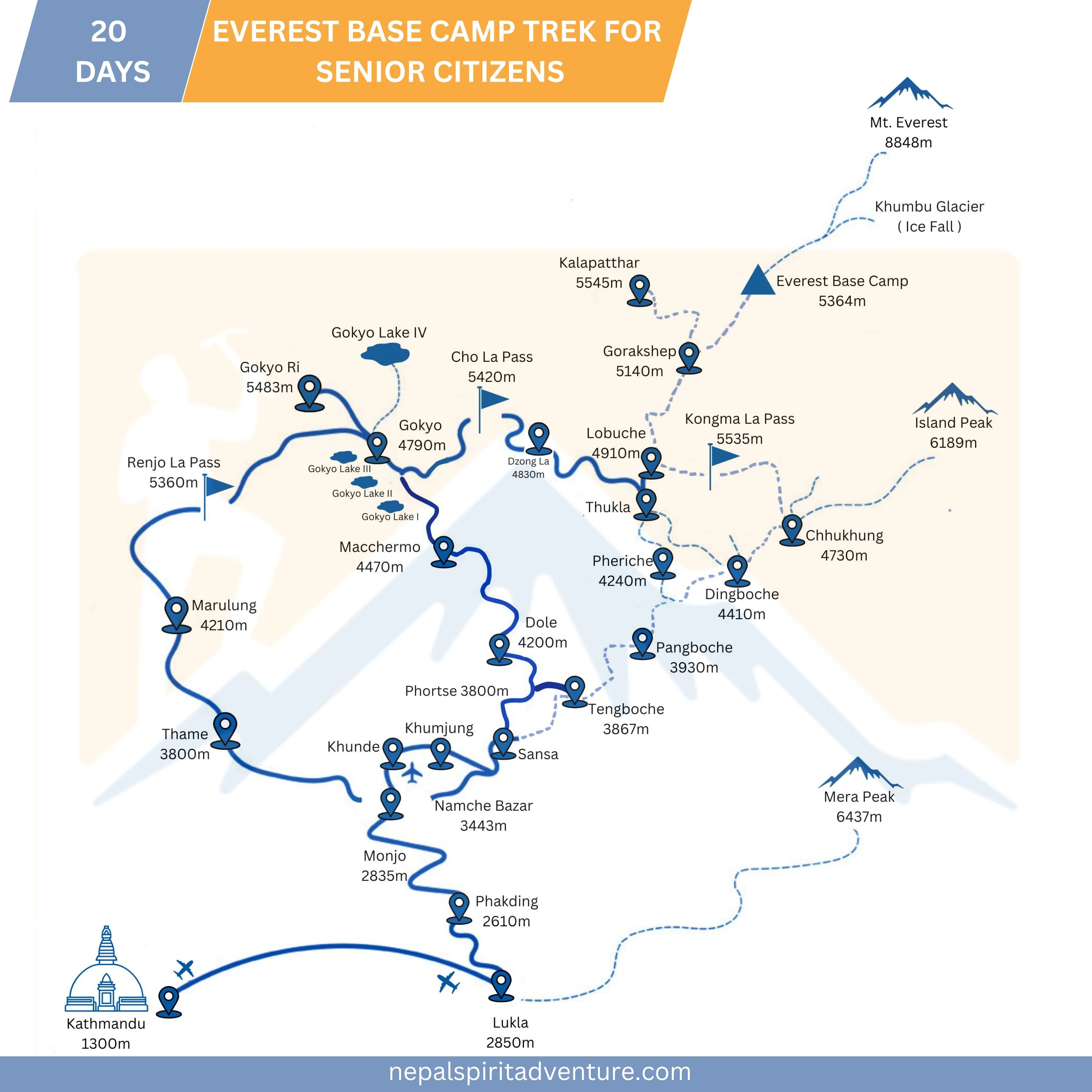
Take the journey of a lifetime at a relaxed pace with our 18-day Everest Base Camp Trek, designed for senior adventurers. Enjoy gradual acclimatization, stunning Himalayan views, and visits to Sherpa villages, monasteries, and Sagarmatha National Park. Reach the iconic Everest Base Camp and Kala Patthar while traveling safely and comfortably with experienced guides, porters, and accommodations at teahouses—a perfect blend of adventure, culture, and Himalayan beauty with Nepal Spirit Adventure.
Everest Base Camp Trek for Senior Citizens
Top Highlights of the Everest Base Camp Trek for Senior Citizens
- Scenic Himalayan Views: Take in awe-inspiring views of iconic peaks like Everest, Lhotse, and Ama Dablam—without having to push yourself too hard.
- Cultural Encounters: Step into charming Sherpa villages and visit peaceful monasteries to experience the local culture and heartfelt hospitality.
- Easy-to-Follow Trek Routes: Enjoy gentle trails with gradual climbs and well-maintained paths, perfect for seniors who want adventure at a comfortable pace.
- Rest Stops and Tea Houses: Pause at cozy tea houses and rest spots along the way, giving you plenty of time to relax and soak in the scenery.
- Wildlife and Nature: Keep your eyes open for Himalayan birds, grazing yaks, and the unique alpine plants that make the trail so special.
- Sunrise and Sunset Views: Start your day with stunning sunrises or unwind with sunsets that paint the mountains in golden light—moments you’ll never forget.
- Sense of Accomplishment: Reaching Everest Base Camp is more than a trek—it’s a milestone and a memory you’ll treasure forever.
Everest Base Camp Trek for Senior Citizens Overview
Discover the magic of the Himalayas with Nepal Spirit Adventure on a specially designed Everest Base Camp trek for senior citizens. With our friendly guides and dedicated support team by your side, you’ll enjoy a safe, comfortable, and unforgettable journey. Along the way, take in awe-inspiring views of Mount Everest, Lhotse, and Ama Dablam, and experience the welcoming culture of Sherpa villages like Namche Bazaar and Tengboche.
With thoughtfully planned rest days, gradual acclimatization, and personal support from porters, seniors can trek at a relaxed pace while staying safe from altitude sickness. Perfect for those with moderate fitness, this trek is ideal for first-time high-altitude adventurers and lifelong dreamers alike. With Nepal Spirit Adventure, you’ll not only witness breathtaking Himalayan scenery and vibrant local culture, but also feel the incredible sense of accomplishment that comes from reaching the base of the world’s highest peak.
Everest Base Camp Trek for Senior Citizens Route Overview
The Everest Base Camp trek is one of the most breathtaking adventures in the world, offering senior travelers the chance to experience the majestic Himalayas up close while immersing themselves in Sherpa culture and warm local hospitality. The journey begins in Kathmandu, where trekkers can soak in the city’s vibrant culture, prepare for the high-altitude adventure ahead, and enjoy a sense of excitement for the days to come. From there, a short, scenic flight to Lukla brings you straight into the mountains, where gentle trails along rivers and through lush valleys help ease seniors into the rhythm of trekking.
The first few days wind through charming Sherpa villages like Phakding and Namche Bazaar. These early stages are thoughtfully designed with manageable distances and gradual elevation gains, allowing everyone to adjust comfortably. Namche Bazaar, the heart of the Khumbu region, is a perfect place for rest and acclimatization. Here, seniors can take short walks to viewpoints, explore the bustling local market, and marvel at sweeping views of Everest, Lhotse, and Ama Dablam.
From Namche, the trail steadily climbs to Tengboche, home to a beautiful monastery set against a backdrop of towering peaks. The journey then continues through Dingboche and Lobuche, where the terrain grows more rugged and the air thinner. Extra rest and acclimatization days are highly recommended, giving senior trekkers time to breathe, adjust, and take in the dramatic scenery before reaching the highlight: Everest Base Camp. An optional early-morning hike to Kala Patthar rewards adventurers with unforgettable sunrise views over the world’s tallest mountains.
The trek back to Lukla is a gentler journey, with shorter hiking days that allow for reflection and appreciation of the stunning landscapes, fluttering prayer flags, and friendly village encounters. A final flight back to Kathmandu provides a well-earned chance to rest, celebrate the achievement, and savor memories of the mountains that will last a lifetime.
Overall, the Everest Base Camp trek for seniors strikes a balance between adventure and comfort. With careful pacing, thoughtful rest days, and stunning scenery at every turn, this journey offers a once-in-a-lifetime experience that blends natural beauty, cultural richness, and the sheer thrill of standing at the foot of the world’s highest peak.
Why book the Everest Base Camp Trek for Senior Citizens with Nepal Spirit Adventure?
For many, trekking to Everest Base Camp is a lifelong dream—and for senior travelers, it’s an adventure that deserves extra care, guidance, and support. Nepal Spirit Adventure is the perfect companion on this journey, with over 23 years of experience guiding trekkers safely through the Himalayas, combining expertise with genuine warmth and personal attention.
With Nepal Spirit Adventure, seniors follow well-thought-out itineraries that focus on acclimatization, moderate daily distances, and rest days, giving your body time to adjust comfortably to the high-altitude environment. Their friendly, knowledgeable guides are always there to assist, offering support with altitude challenges, sharing fascinating insights about Sherpa culture, and helping you connect with the breathtaking Himalayan landscape.
The company handles all the logistics—from flights to and from Lukla, to cozy teahouse stays, nutritious meals, and emergency support—so you can simply relax and enjoy every step of the trek. Every detail is designed with your comfort and safety in mind, ensuring the journey is as smooth as it is unforgettable. Choosing Nepal Spirit Adventure means more than just booking a trek—it means joining a caring team that truly understands the needs of senior travelers. With their guidance, you can enjoy a safe, stress-free, and deeply rewarding Himalayan adventure, creating memories that will last a lifetime.
Important Note About Flights to Kathmand from Lukla:
During the peak trekking seasons (March to May and September to November), flights to Lukla will operate from Manthali Airport instead of Tribhuvan Airport. This change is due to heavy air traffic at Tribhuvan, and it helps ensure a smoother and safer travel experience for everyone.
Short Itinerary
Arrival in Kathmandu and Trip Preparation.
Guided Kathmandu Sightseeing Tour and Trek Preparation Day
Fly to Lukla, Trek to Phakding 4hrs
Approx. 7hrs Trek to Namche Bazaar
Acclimatization, Hike to Everest View Hotel
Trek to Tengboche Approx. 6hrs
Trek from Tengboche to Pangboche. 5hrs
Trek to Dingboche. 5hrs
Acclimatization, Hike to Nangkartshang Hill
Trek from Dingboche to Lobuche 6hrs
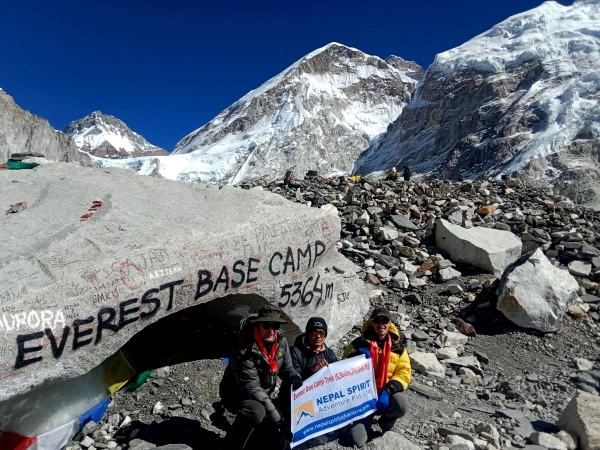
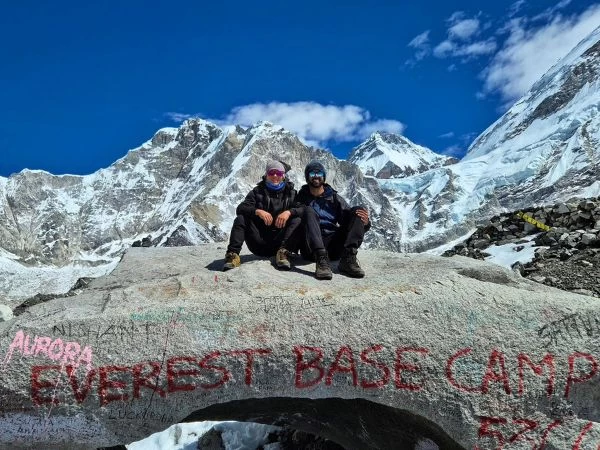
Trek to Everest Base Camp (5364m) O/N Gorakshep
Hike to Kala Patthar, Trek to Pheriche
Trek from Pheriche to Tengboche 5hrs
Trek from Tengboche to Monjo 6hrs
Trek from Monjo to Lukla 5hrs
Flight to Kathmandu
Reserve Day in Kathmandu
Departure

Everest Base Camp Trek for Senior Citizens Itinerary
Arrival in Kathmandu and Trip Preparation.
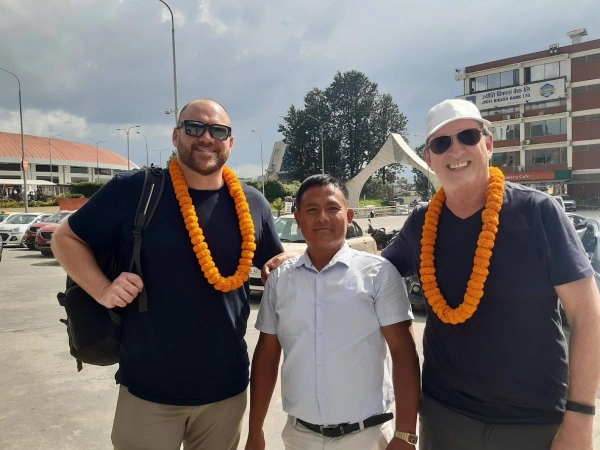
Welcome to Nepal! Upon your arrival at Tribhuvan International Airport in Kathmandu, you will be warmly greeted by a representative from Nepal Spirit Adventure. You will then enjoy a short drive to your hotel, conveniently located in the heart of Kathmandu and included in the Everest Base Camp Trek for Senior Citizens package.
After checking into your comfortable room, you will have time to rest and recover from your journey. Later, you will meet other members of your trekking group, where our experienced Sherpa trekking guide will provide a comprehensive briefing on the Everest Base Camp trek. This briefing will cover details of the services included and excluded in the package, as well as a thorough review of trekking equipment and logistical arrangements.
Depending on your arrival time, you may also have leisure time to explore the lively and colorful streets of Thamel, Kathmandu’s popular tourist hub. You will spend the night at a comfortable three-star hotel in Kathmandu.


Guided Kathmandu Sightseeing Tour and Trek Preparation Day
Today promises to be a wonderful and culturally enriching day! After breakfast at your hotel, your experienced city tour guide will lead you on a sightseeing tour of the Kathmandu Valley, exploring some of the most iconic landmarks: Boudhanath Stupa, Pashupatinath Temple, Kathmandu Durbar Square, and Swayambhunath (Monkey Temple). These remarkable sites are recognized as UNESCO World Heritage Sites and are an integral part of Kathmandu’s cultural and religious identity.
Your knowledgeable guide will share fascinating historical facts, legends, and local folklore associated with each site:
Boudhanath Stupa is one of the largest and oldest Buddhist stupas in Asia and serves as a key center for Tibetan Buddhism.
Pashupatinath Temple, Nepal’s most sacred Hindu shrine dedicated to Lord Shiva, is a deeply spiritual site. Interestingly, a scene from the Marvel movie Doctor Strange was filmed on the bridge just below the temple. Witnessing the traditional Hindu cremation rituals at Arya Ghat can be a powerful and eye-opening experience.
Kathmandu Durbar Square, once the royal seat of the Malla and Shah kings, is a masterpiece of medieval architecture. Within the square lies the Kumari Ghar, home to the Living Goddess Kumari.
Swayambhunath Stupa, perched on a hilltop, is revered by both Buddhists and Hindus. According to legend, the Kathmandu Valley took shape after the Bodhisattva Manjushri drained a primordial lake and built this shrine.
After completing your city tour, you'll return to the hotel for a short rest. Later in the evening, we will have a briefing session in the hotel lobby. You’ll meet your trekking guide, who will provide a detailed overview of your upcoming Everest Base Camp Trek for Senior Citizens and answer any questions you may have overnight in Kathmandu.


Fly to Lukla, Trek to Phakding 4hrs
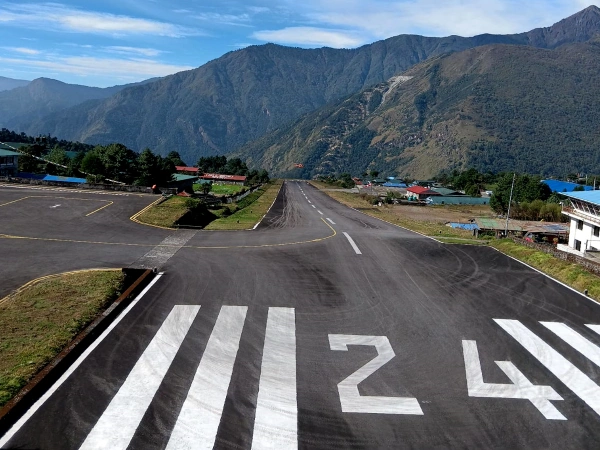
Today marks your third day of the EBC (Everest Base Camp Trek for Senior Citizens) tour. Your approximately 35-minute flight to Lukla will take you to an altitude of 2,840 meters. The Lukla airport is renowned worldwide for its adventurous landing approach and serves as the gateway to the Everest Base Camp Trek.
During the peak season for the Everest Base Camp trek (from April to May to October to November), all airlines operate flights to Lukla from Ramechhap. In this case, you'll need to take a 130 km overland service, which requires a 4-5 hour bus journey.
If your flight departs from Kathmandu to Lukla, you'll need to drive to the domestic airport in Kathmandu early in the morning. After checking in at your airline’s counter and going through security, you'll board a small aircraft for a scenic short flight.
During the flight, enjoy grand panoramas of the Himalayan peaks, including close views of Mount Everest and Makalu, as the plane approaches the runway and lands at Tenzing-Hillary Airport in Lukla. Once you arrive, you’ll have some time for a refreshing stop before beginning your trek, guided by our local guide and accompanied by porters.
Your journey will start with a pleasant descent past Lukla, leading you to the Dudh Kosi River valley, where you'll encounter traditional Sherpa farm villages. Your route will also take you past prayer walls and spinning prayer wheels until you reach your first overnight stop in Phakding village. “The standard service includes a flight, breakfast, lunch, dinner, and lodge accommodations.”
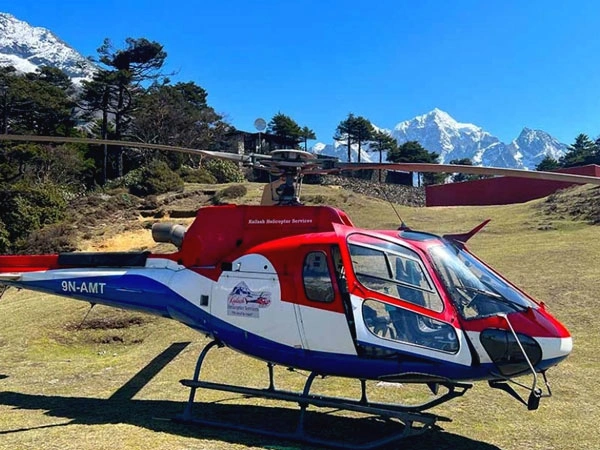
Helicopter Option
You have the option to book a direct helicopter flight from Kathmandu to Lukla for an extra charge of USD 550 per person. This price is quoted on a 5-person sharing basis. This is the best alternative to avoid the long drive to Manthali airport during peak season (March, April, May, October, and November).


Approx. 7hrs Trek to Namche Bazaar
This is the fourth day of the Everest Base Camp Trek. The walk is quite long due to the increasing elevation as we begin our journey beyond Phakding. We enter a river gorge and cross a bridge to reach the lovely village of Monjo, which offers stunning views of the Thermasarkhu peaks.
From Monjo, we take a short descent into Sagarmatha National Park, where all trekkers must obtain National Park permits, which should be obtained in Kathmandu. "Sagarmatha" is the Nepalese name for Everest, while the local Sherpa people, who speak Tibetan-origin languages, refer to it as "Chomolungma," both of which mean "Great Mother."
Next, we cross another bridge to reach Jorsalle, the last village before the climb to Namche Bazaar. Jorsalle offers possible lunch stops before we continue our trek along the riverbanks, surrounded by beautiful woodlands of pine and rhododendron. After crossing one final high suspension bridge, we embark on a gradual climb along a winding trail that provides views of Kongde-Kusum Kanguru, Everest, and Lhotse as we make our way to the famous Namche Bazaar.
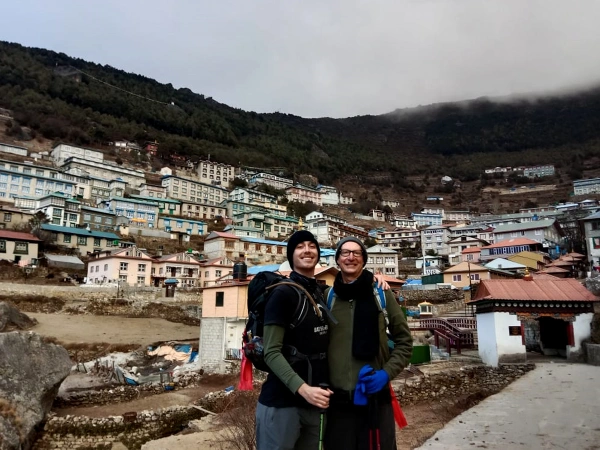
Namche Bazaar is located at an altitude of 3,440 meters and boasts an amphitheater-like landscape, with several well-constructed houses that serve as hotels, lodges, and resorts. We will stop here for the night, enjoying grand views of Kongde and the Thermasarkhu peaks. There will be time for short walks around the vibrant streets, which are lined with well-stocked shops, restaurants, and fresh bakeries.
Acclimatization, Hike to Everest View Hotel
Today is an important acclimatization day before heading toward Tengboche and Everest Base Camp. We are staying in Namche Bazaar for a rest day to help our bodies adjust to the altitude of over 3,000 meters.
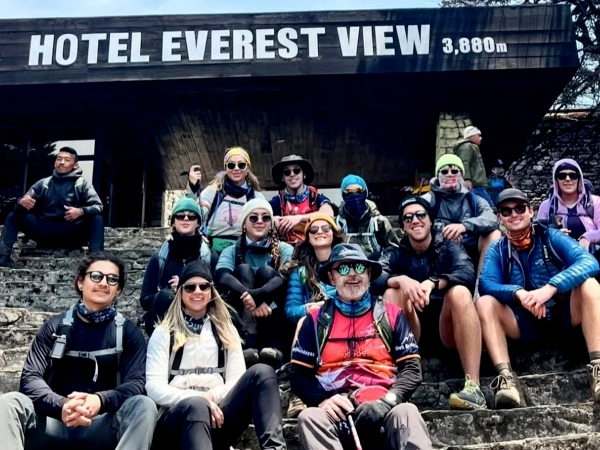
Today, you can take a short walk to Syanboche (3,880 m) and the Everest View Hotel—the first luxury hotel in the Khumbu region—located above Namche Bazaar. This spot offers stunning views of Mount Everest, Ama Dablam, and other nearby peaks, set against a backdrop of lush green woodlands filled with tall rhododendrons and silver fir trees.
Alternatively, you may choose to walk to the Park Museum area, which sits high above Namche and provides breathtaking views of Everest, Lhotse, and the impressive Ama Dablam. While there, you can also visit a fascinating museum that offers extensive insights into Sherpa culture and the history of the Khumbu region.
Trek to Tengboche Approx. 6hrs
Sixth Day of the Everest Base Camp Trek
Starting from Namche, the trek begins with a short, steep climb that soon leads to a gradual and scenic trail. This winding path offers breathtaking views of Mount Everest alongside the majestic Ama Dablam, as you walk in the cool shade of the woodland. As the trek continues, you will descend to a bridge over the Imja Khola, also known as the Imja River, reaching a small settlement called Phunge Tenga, nestled within the forest. This is a possible lunch stop before continuing the journey.
From here, the trail climbs steadily through a shaded forest of rhododendrons, pines, and fir trees. Eventually, you will arrive at a small plateau in Tengboche, where you are rewarded with an incredible mountain panorama, including views of Mount Everest.
In Tengboche, take time to visit its colorful and impressive monastery. You may witness the priest-lama and monks engaged in prayer amidst the grand surroundings of towering trees and mountains. Tengboche is not only a place of remarkable natural beauty but also hosts an annual festival called Mani Rimdu, held in mid-October or November. During this festival, monks wearing masks representing various deities perform sacred rituals to ward off evil spirits, often continuing into the night at the monastery.
Trek from Tengboche to Pangboche. 5hrs
The day starts with breakfast in Tengboche, accompanied by stunning panoramic views of Ama Dablam, Thamserku, and Everest. After enjoying the scenery, the trek begins along a shaded trail winding through pine and rhododendron forests, providing a calm and refreshing start. About halfway, trekkers cross a suspension bridge over the Imja Khola, an ideal spot to pause, take photos, and soak in the surroundings. From there, the trail gradually climbs toward Pangboche, passing charming Sherpa villages, colorful mani walls, and stone steps, with plenty of opportunities to rest and acclimatize. Trekkers typically arrive in Pangboche by early afternoon, where they can settle into cozy teahouses and explore the village and its historic monastery. The remainder of the day can be spent resting or enjoying a gentle acclimatization walk, while trekking poles and frequent breaks make the journey safe, comfortable, and enjoyable for senior travelers.
Trek to Dingboche. 5hrs
Today’s trek is short and easy, making it ideal for slowly getting used to the altitude. We’ll leave Pangboche in the morning and follow a trail that winds through open alpine meadows and charming stone villages. Along the way, you’ll have uninterrupted views of Ama Dablam, Lhotse, and Nuptse. The path is clear and easy to follow, with just a few stone steps that are manageable with trekking poles.
As we walk, we’ll pass small chorten monuments and colorful mani walls, giving a peek into Sherpa culture and local spiritual traditions. The final stretch into Dingboche is a gentle uphill climb—perfect for letting your body adjust to the thinner air. By early afternoon, we’ll reach Dingboche, where cozy teahouses await. You can relax, enjoy the breathtaking mountain scenery, and take a short stroll around the village to help with acclimatization before tomorrow’s adventure.
Acclimatization, Hike to Nangkartshang Hill
A full rest day at Dingboche for better acclimatization to make sure that every member in the group is well and fit for the onward journey to Everest base camp. Dingboche takes a short hike to Nangkartshang hill for a great panorama of Imjatse valley with Island, Taboche peaks includes views of the world’s fifth-highest Mt. Makalu towards the east.
Trek from Dingboche to Lobuche 6hrs
In the morning, leave Dingboche and begin a steep climb up to a ridge adorned with prayer flags and Buddhist monuments, including beautiful stupas. From here, you are treated to breathtaking views of the surrounding peaks. The trail then eases into a gradual uphill walk leading to Thukla, a small settlement with just a few tea houses that serve as convenient lunch stops. Thukla sits at the end of the massive Khumbu Glacier, whose meltwaters rush down as a powerful river.
After lunch, a steep one-hour climb brings you to the top of Thukla Ridge. Here, you’ll encounter memorials honoring climbers who lost their lives in the high Khumbu region and on Everest. Following a short break, the path becomes gentler, with a slow climb leading to Lobuche. This small village lies tucked into a corner of the valley beneath the impressive Lobuche peaks. Spend the night in a cozy lodge, enjoying stunning views of Nuptse, Everest, and Lhotse.
Trek to Everest Base Camp (5364m) O/N Gorakshep
After a pleasant stop at Lobuche, the trek continues toward one of the journey’s main highlights: Everest Base Camp. The morning walk begins along a gentle path, followed by a short climb to reach higher ground. From here, the trail leads to the fascinating Glass Pyramid, a meteorological station operated jointly by the Italian and Nepalese governments. This station monitors weather patterns as well as the movement of ice and glaciers, offering intriguing insights into the region’s dynamic environment.
Continuing the trek, the path winds through moraines and ice fields above the massive Khumbu Glacier, before a short descent into the wide-open expanse of Gorakshep, a small settlement with only a few lodges. Gorakshep was once the original Everest Base Camp before it moved further east.
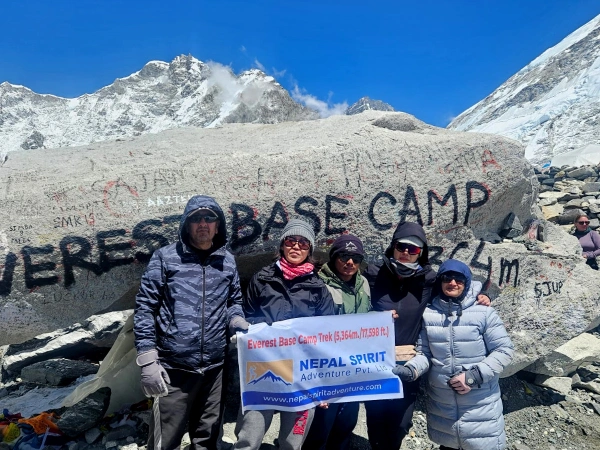
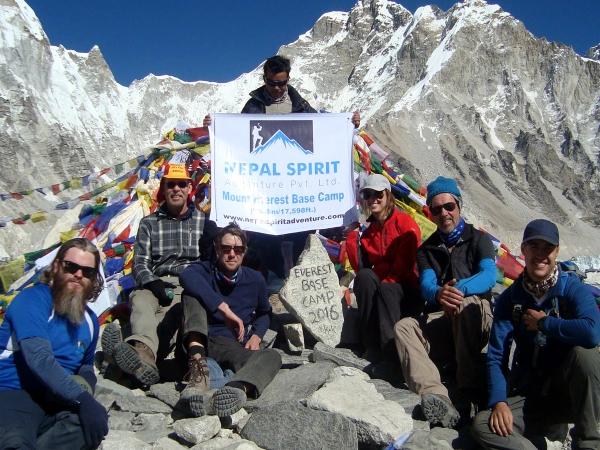
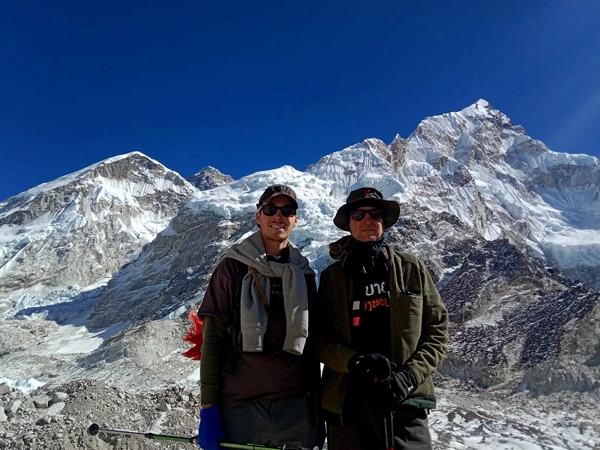
After a brief rest, the final leg begins, traversing rocky moraines and ice to reach Everest Base Camp itself. Here, the awe-inspiring Khumbu Icefall and towering glaciers dominate the backdrop. Everest peeks between the Lho La and Nuptse peaks, offering a glimpse of the world’s highest summit amid the surrounding giants. After soaking in the spectacular scenery and the thrill of standing at this iconic spot, the trek returns to Gorakshep for the final overnight, marking the highest point of the journey.
Hike to Kala Patthar, Trek to Pheriche
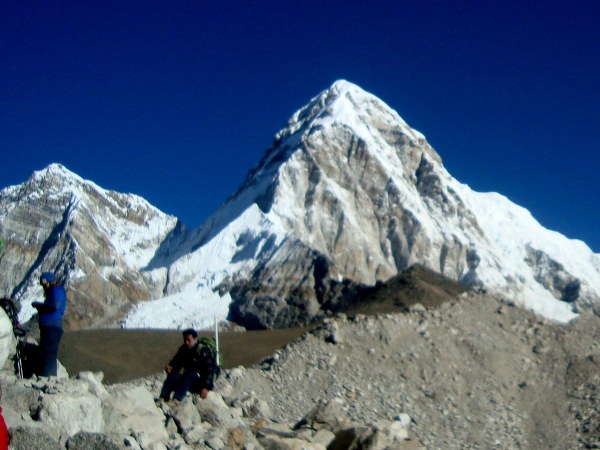
Gorakshep sits quietly beneath the impressive Kala Patthar and the towering peak of Pumori. In the morning, we begin a steep, exciting climb along a rocky trail, gradually making our way up to the top of Kala Patthar—the highest point of this adventure at 5,545 meters. Once there, you’re greeted with an unforgettable panorama of the Himalayan giants, including a close-up view of Pumori and the awe-inspiring Everest.
After lingering to take in the breathtaking scenery, we make our way back down to Gorakshep and continue along the same trail toward Lobuche. Along the way, we pass Thukla, where the trails from Dingboche and Pheriche meet, before descending into the wide, breezy valley of Pheriche. A gentle, scenic hour-long walk brings us to Pheriche, a quaint settlement with cozy lodges and spectacular views of Ama Dablam, Taboche, Cholatse, and the surrounding peaks. This is where we settle in for the night, resting and soaking in the mountain atmosphere.
Note: If we skip the climb to Kala Patthar, the trek will be about 7.1 miles (11.5 km) and take roughly 5 hours.
Trek from Pheriche to Tengboche 5hrs
A morning walk from Pheriche leads you along the valley, with sweeping views of rugged peaks on either side, until you reach the valley’s end. From there, the trail dips gently down to a sparkling river, the sound of rushing water guiding your steps. Soon, the path begins to climb, winding up to a ridge crowned by a serene Stupa, standing as a quiet guardian over the landscape.
From the ridge, the trail descends in a long, scenic stretch past the charming villages of Somare and Pangboche, where stone houses and prayer flags add a splash of color to the mountainside. After passing Pangboche, the path rises once more, taking you uphill through crisp mountain air until you arrive at Tengboche, home to its famous monastery and spectacular Himalayan views.
Trek from Tengboche to Monjo 6hrs
Trek downhill to the Imjatse River before embarking on a steep ascent to reach the villages of Lobesa and Shanasa. From there, enjoy a gentle walk to the picturesque village of Kyanjima. The journey then continues toward Namche, offering breathtaking views of Everest, Lhotse, Nuptse, Ama Dablam, and a stunning array of other Himalayan peaks. Along the trail, you will pass through scenic areas where wildlife is often spotted, including Musk Deer, herds of Himalayan Thar, and the vibrant Danphe (Impeyan Pheasant), the national bird of Nepal, on the return trek to Monjo.
Trek from Monjo to Lukla 5hrs
Today is the final walking day of our adventure. The morning begins with a pleasant stroll along one of the most scenic paths, following the Dudh Kosi River toward Phakding village. From there, the trail continues to Ghat and the small settlements of Tade-Kosi. The journey includes a final climb to reach the main gate of Lukla. After this last ascent, the remainder of the walk is easy, passing through Lukla town and its lively marketplace. Our day concludes with an overnight stay at a comfortable lodge in Lukla, where we can celebrate with fellow trekkers and staff.
Flight to Kathmandu
Your successful trek to Everest Base Camp comes to a close today. You’ll rise early to bid a fond farewell to the breathtaking Khumbu scenery before boarding your morning flight back to Kathmandu. As the Himalayas pass beneath your window, you’ll be able to recognize many of the iconic peaks you’ve seen on your journey.
After the serene solitude of the mountains, the hustle and bustle of Kathmandu may come as a surprise. Upon arrival, you’ll be transferred to your hotel, where you can spend the rest of the day at leisure—whether relaxing or exploring the vibrant local markets. In the evening, enjoy a delicious dinner at one of Thamel’s many excellent restaurants.
Lukla–Kathmandu Flight Information:
- From March to May and September to November, airlines operate flights from Lukla to Ramechhap (approximately 15 minutes), followed by an overland journey to Kathmandu that takes about 4–5 hours, depending on road conditions.
- There is also an option for a direct flight from Lukla to Kathmandu via shared helicopter. Contact Nepal Spirit Adventure for the most up-to-date pricing for the helicopter flight.
Reserve Day in Kathmandu
A buffer day is set aside for emergencies or potential flight delays due to bad weather. If all goes according to plan, you’ll have the freedom to spend this day as you wish. Whether you choose to take a city tour, explore the markets, hunt for souvenirs, unwind at a spa, or simply relax at your hotel, the day is yours to enjoy.
Departure
Bid farewell to Kathmandu as you head to the airport. You’ll be transferred to the international airport in plenty of time to catch your flight. If you wish to extend your stay, simply let us know, and we’ll be happy to assist you in planning the next leg of your journey into the Himalayas.
Cost Details
Includes
Accommodation in Kathmandu and the Everest Base Camp Trek:
- Two nights in a 3-star hotel (twin-sharing room) in Kathmandu, including breakfast.
- Five nights in guest houses with attached bathrooms (twin-sharing room) in Phakding, Namche, and Lukla.
- Six nights in normal mountain lodges with common bathrooms. In total: 11 nights in the mountains.
Transportation:
- Private vehicle provided for arrival and departure transfers. Both for international and domestic.
- Tourist vehicle transportation between Kathmandu and Ramechhap/Manthali during the main trek season: September-October/March-May.
- Domestic flight fare from Kathmandu to Lukla to Kathmandu or between Ramechhap and Lukla.
Everest Base Camp Trek's Meals:
- Daily, 3 times a day, hygienic meals: Breakfast, Lunch, and Dinner along the EBC trek.
- A delicious breakfast is included while you stay at Kathmandu's hotel.
- A cup of tea/coffee (back) in breakfast and dinner time.
EBC Trekking Permit:
- Everest base camp trek route permit (Sagarmatha National Park).
- Khumbu entry local permit for Pasang Lhamu Rural Municipality development.
Nepal Spirit Adventure Experience Crews:
- Experienced Sherpa trek guide, including his daily wages, food, accommodation, transportation, and trek insurance.
- Strong Sherpa porter (one porter for two trekkers), including salary, food, accommodation, and trek insurance.
- One assistant trek guide for every ten people in the group, including his daily wages and insurance.
Inclusive Trek Equipment:
- Sleeping bag, down jacket, and duffle bag (to be returned after the trek).
- T-shirt, Camp, and EBC trekking map.
Customer Services:
- Trek and tour briefing before trip departure.
- Daily talk to the trek guide about the customer's walking and health condition.
- Arrangement for emergencies (if required).
- General medical kit for the trekking period.
- Farewell dinner after the trek.
- Welfare departure.
Excludes
Registration Personal Securities:
- Nepal visa fees.
- Trekking and travel insurance are compulsory for the Everest Trek.
- Physical fitness training and health are required before joining the EBC trip.
- International airfare.
Personal Extra Cost for Everest Base Camp Trek:
- Lunch and dinner in Kathmandu
- Extra Night: Extra night accommodation in Kathmandu because of early, late departure, and early return from the mountain (due to any reason) than the scheduled itinerary
- Excess Baggage Charge: If you have more than 15 kg of luggage required to pay an extra cost, approximately $1-$2
- Your daily personal expenses, such as all alcoholic drink items: beers, whisky, rum/vodka, all alcoholic drinks available on route
- Your daily personal expenses non-alcoholic: All types of cold and hot drinks, mineral water, boiled water, juice, extra tea/coffee, and a chocolate bar
- Internet, battery recharge, and an extra porter
- Upgrade the accommodation along the trek
- Tipping for trek guide and porter (end of trek: Lukla)
- Personal trekking equipment
Dates & Availability
Private TripEverest Base Camp Trek — Thoughtfully Designed for Senior Trekkers
Namaste and warm greetings from all of us at Nepal Spirit Adventure!
As you prepare for your journey to the iconic Everest Base Camp, we want to sincerely congratulate you. Choosing this trek is a meaningful decision — one that reflects curiosity, courage, and a lifelong dream of walking among the world’s highest mountains.
This program has been carefully designed with senior trekkers in mind. We focus on safety, comfort, and a gentle pace, allowing proper time for acclimatization so your body can adjust naturally. The goal is simple: to help you enjoy the experience fully, without pressure or rush.
You’ll never be on this journey alone. Our experienced guides and support team will walk beside you every step of the way, paying close attention to your health, comfort, and pace. Each day includes shorter walking hours, frequent rest breaks, and well-planned acclimatization days. Along the trail, we select the best available lodges to ensure a warm, clean, and comfortable stay in the mountains.
This trek isn’t about how fast you reach the destination — it’s about savoring the journey. Taking time to breathe in the crisp mountain air, admire the Himalayan landscapes, and create memories that will stay with you long after the trek ends.
Essential Information
Is Trek Equipment Included in the Trip Package?
Yes, it is inclusive: We provide sleeping bags, down jackets, and duffel bags. The trek equipment must be returned to the company after the Everest Base Camp trek.
What Is The Packing List for the Everest Base Camp Trek for Senior Citizens?
Certainly! Packing for the Everest Base Camp trek requires thoughtful planning to ensure you’re well-prepared for the challenging terrain and varying weather conditions. Here’s a comprehensive list of essentials:
Clothing
- Layering is key: Choose moisture-wicking fabrics to keep you warm and dry.
- Base Layer: Lightweight, quick-drying long-sleeve tops and bottoms (thermal or synthetic).
- Mid Layer: Fleece or down jacket for insulation.
- Outer Layer: Waterproof and windproof jacket (Gore-Tex or similar), Waterproof pants.
Headwear
- Warm hat (to cover ears) and sun hat.
- Sunglasses with UV protection.
Gloves
- Lightweight liner gloves.
- Waterproof outer gloves.
Footwear
- Sturdy hiking boots (broken in).
- Woolen socks (several pairs).
- Gaiters (to keep snow and debris out of boots).
Miscellaneous
- Comfortable trekking pants (convertible to shorts).
- Thermal underwear is optional but useful for cold nights.
- T-shirts and lightweight hiking shirts.
- Undergarments.
- Swimsuit (for hot springs if you’re interested).
- Sandals or camp shoes (for evenings).
- Buff or neck gaiter (versatile for sun protection or warmth).
Gear and Equipment
- Backpack: A comfortable daypack (around 30-40 liters) for daily essentials.
- Sleeping Bag: Rated for sub-zero temperatures (down or synthetic).
- Trekking Poles: Helpful for stability and reducing strain on knees.
- Headlamp or Flashlight: Essential for early-morning or late-night walks.
- Water Bottle or Hydration System: Stay hydrated!
Snacks and Energy Bars
- Trail mix
- Energy gels
- Chocolate & Biscuits
Personal First Aid Kit
- Include bandages
- Blisters are treated
- Pain relievers and any necessary medications
Toiletries
- Toothbrush
- Toothpaste
- Wet wipes
- Hand sanitizer
- Toilet paper
Sunscreen and Lip Balm
- High-altitude sun exposure can be intense
Camera or Smartphone
- Capture those stunning views!
Chargers and Power Banks
- Charging facilities are available at tea houses.
Trekking Map and Guidebook
- Useful for navigation.
Duffel Bag or Dry Bag
- Store extra gear
- Carried by porters
Permits and Documents
- Sagarmatha National Park Permit
- TIMS (Trekkers’ Information Management System) Card.
Passport and Visa
- Ensure they’re valid for your entire stay in Nepal.
Travel Trekking Insurance
- Covers emergency evacuation and medical expenses.
Miscellaneous
- Cash: ATMs are scarce along the trail.
Trekking Snacks
- Chocolate, nuts, or dried fruits.
Good Book or Kindle
- For relaxing evenings.
Positive Attitude and Adventurous Spirit
The most important items! Remember to pack light and prioritize essentials. You’ll have the opportunity to do laundry at tea houses along the way. Enjoy the trek, take in the stunning vistas, and embrace the adventure!
Equipments
Is Trek Equipment Included in the Trip Package?
Yes, it is inclusive: We provide sleeping bags, down jackets, and duffel bags. The trek equipment must be returned to the company after the Everest Base Camp trek.
What Is The Packing List for the Everest Base Camp Trek for Senior Citizens?
Certainly! Packing for the Everest Base Camp trek requires thoughtful planning to ensure you’re well-prepared for the challenging terrain and varying weather conditions. Here’s a comprehensive list of essentials;
Clothing
- Layering is key! Choose moisture-wicking fabrics to keep you warm and dry.
- Base Layer: Lightweight, quick-drying long-sleeve tops and bottoms (thermal or synthetic).
- Mid Layer: Fleece or down jacket for insulation.
- Outer Layer: Waterproof and windproof jacket (Gore-Tex or similar), Waterproof pants.
Headwear
- Warm hat (to cover ears) and sun hat.
- Sunglasses with UV protection.
Gloves
- Lightweight liner gloves.
- Waterproof outer gloves.
Footwear
- Sturdy hiking boots (broken in).
- Woolen socks (several pairs).
- Gaiters (to keep snow and debris out of boots).
Miscellaneous
- Comfortable trekking pants (convertible to shorts).
- Thermal underwear is optional but useful for cold nights.
- T-shirts and lightweight hiking shirts.
- Undergarments.
- Swimsuit (for hot springs if you’re interested).
- Sandals or camp shoes (for evenings).
- Buff or neck gaiter (versatile for sun protection or warmth).
Gear and Equipment
- Backpack: A comfortable daypack (around 30-40 liters) for daily essentials.
- Sleeping Bag: Rated for sub-zero temperatures (down or synthetic).
- Trekking Poles: Helpful for stability and reducing strain on knees.
- Headlamp or Flashlight: Essential for early-morning or late-night walks.
- Water Bottle or Hydration System: Stay hydrated!
Snacks and Energy Bars
- Trail mix
- Energy gels
- Chocolate & Biscuits
Personal First Aid Kit
- Include bandages
- Blisters are treated
- Pain relievers and any necessary medications
Toiletries
- Toothbrush
- Toothpaste
- Wet wipes
- Hand sanitizer
- Toilet paper
Sunscreen and Lip Balm
- High-altitude sun exposure can be intense
Camera or Smartphone
- Capture those stunning views!
Chargers and Power Banks
- Charging facilities are available at tea houses.
Trekking Map and Guidebook
- Useful for navigation.
Duffel Bag or Dry Bag
- Store extra gear
- Carried by porters
Permits and Documents
-
Sagarmatha National Park Permit
-
TIMS (Trekkers’ Information Management System) Card.
Passport and Visa
- Ensure they’re valid for your entire stay in Nepal.
Travel Trekking Insurance
- Covers emergency evacuation and medical expenses.
Miscellaneous
- Cash: ATMs are scarce along the trail.
Trekking Snacks
- Chocolate, nuts, or dried fruits.
Good Book or Kindle
- For relaxing evenings.
Positive Attitude and Adventurous Spirit
The most important items! Remember to pack light and prioritize essentials. You’ll have the opportunity to do laundry at tea houses along the way. Enjoy the trek, take in the stunning vistas, and embrace the adventure!
Everest Base Camp Trek for Senior Citizens FAQs
Yes, the Everest Base Camp (EBC) Trek is suitable for senior citizens who are in good general health and maintain an active lifestyle. Many trekkers in their 60s and even 70s successfully complete the trek with proper preparation, a slower pace, and expert guidance from Nepal Spirit Adventure.
There is no strict age limit for the Everest Base Camp Trek. Fitness, health condition, and trekking experience matter far more than age. We have successfully guided trekkers aged 60–75+ years.
Prior trekking experience is helpful but not mandatory. What’s more important is:
- Regular walking or light hiking habits
- Good cardiovascular health
- Willingness to train before the trek
We provide pre-trek fitness guidance to help seniors prepare safely.
The trek is considered moderate to challenging, mainly due to:
- High altitude (up to 5,364 m / 17,598 ft)
- Long walking days (4–7 hours)
- Thin air at higher elevations
For seniors, we design a slower, well-acclimatized itinerary with extra rest days to reduce altitude-related risks.
Altitude safety is our top priority. We manage it by:
- Gradual ascent and extra acclimatization days
- Daily health monitoring (oxygen levels, pulse, symptoms)
- Highly experienced guides trained in altitude first aid
- Immediate descent if symptoms worsen
We strongly recommend consulting a doctor before the trek.
Accommodation during the trek is in comfortable, clean teahouses with:
- Private or shared rooms
- Warm blankets (sleeping bags included)
- Dining areas with heating (at lower altitudes)
In Kathmandu, we arrange senior-friendly hotels with modern amenities.
Absolutely. We highly recommend hiring a porter for senior trekkers. Porters carry the main luggage, allowing you to:
- Walk comfortably with a light daypack
- Reduce strain on knees and back
- Enjoy the trek at a relaxed pace
Teahouses offer a variety of nutritious and senior-friendly meals, including:
- Dal bhat (rice, lentils, vegetables)
- Soups, porridge, noodles
- Eggs, potatoes, pasta, and simple Western dishes
We encourage high-carb, easily digestible meals to maintain energy at altitude.
For senior citizens, we recommend a 14–16 day itinerary, including:
- Extra acclimatization days
- Shorter walking hours
- Flexibility based on individual pace
This greatly improves comfort and safety.
Yes. All senior citizens must have comprehensive travel insurance that covers:
- High-altitude trekking (up to 6,000 m)
- Emergency helicopter evacuation
- Medical expenses
We suggest starting preparation 2–3 months before the trek, including:
- Daily walking (5–10 km)
- Light hiking with elevation
- Stair climbing
- Basic strength and breathing exercises
Nepal Spirit Adventure has:
- 24/7 emergency support
- Trained guides in wilderness first aid
- Immediate access to helicopter evacuation if required
Your safety and well-being are always our highest priority.