Everest Base Camp with Cho La Pass Trek Highlights
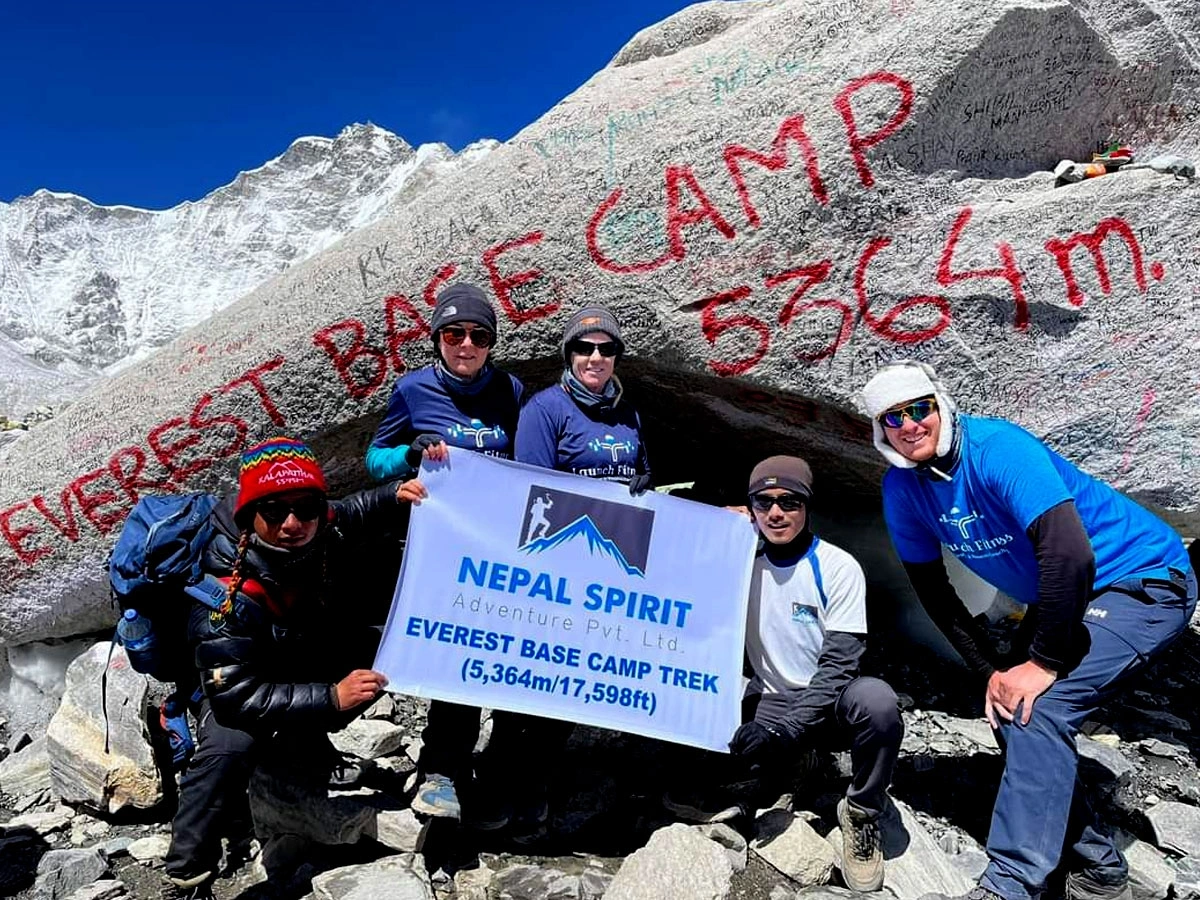
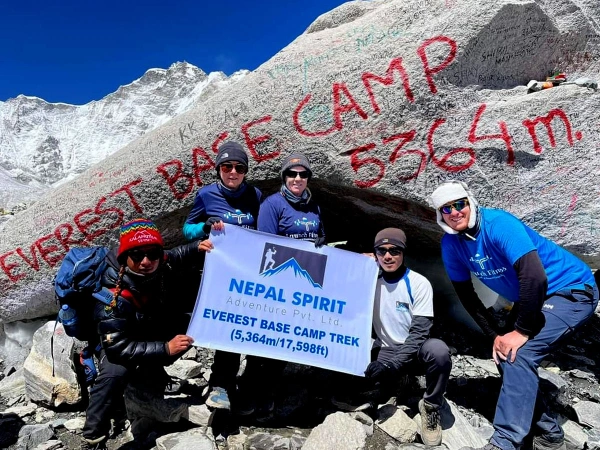
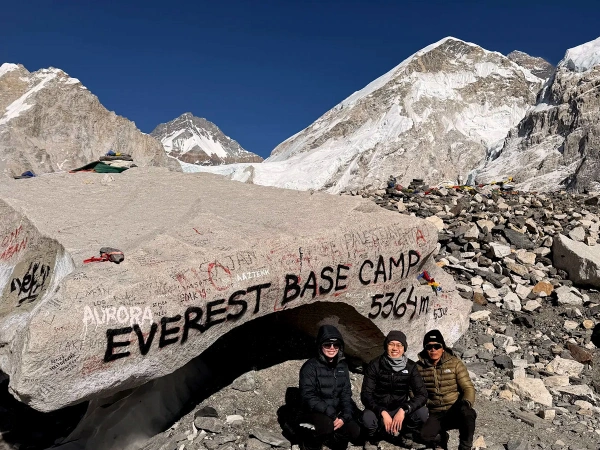
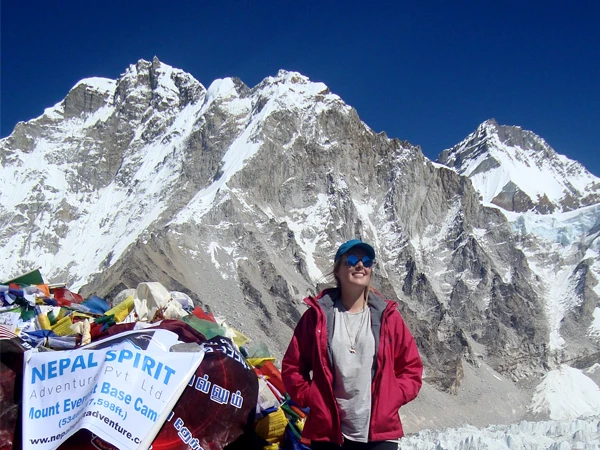
- Everest Base Camp: Reach the legendary base camp of Mount Everest at an altitude of 5,364 meters, surrounded by some of the world’s highest Himalayan peaks.
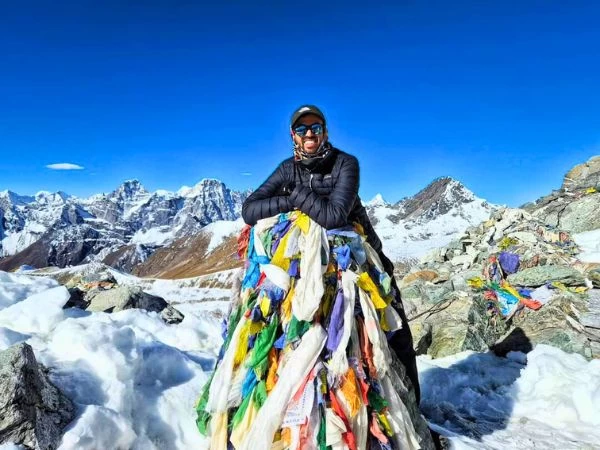
- Cho La Pass Crossing: Experience one of the most exciting sections of the trek by crossing the spectacular Cho La Pass (5,420 m), connecting the Gokyo Valley with the Everest region.
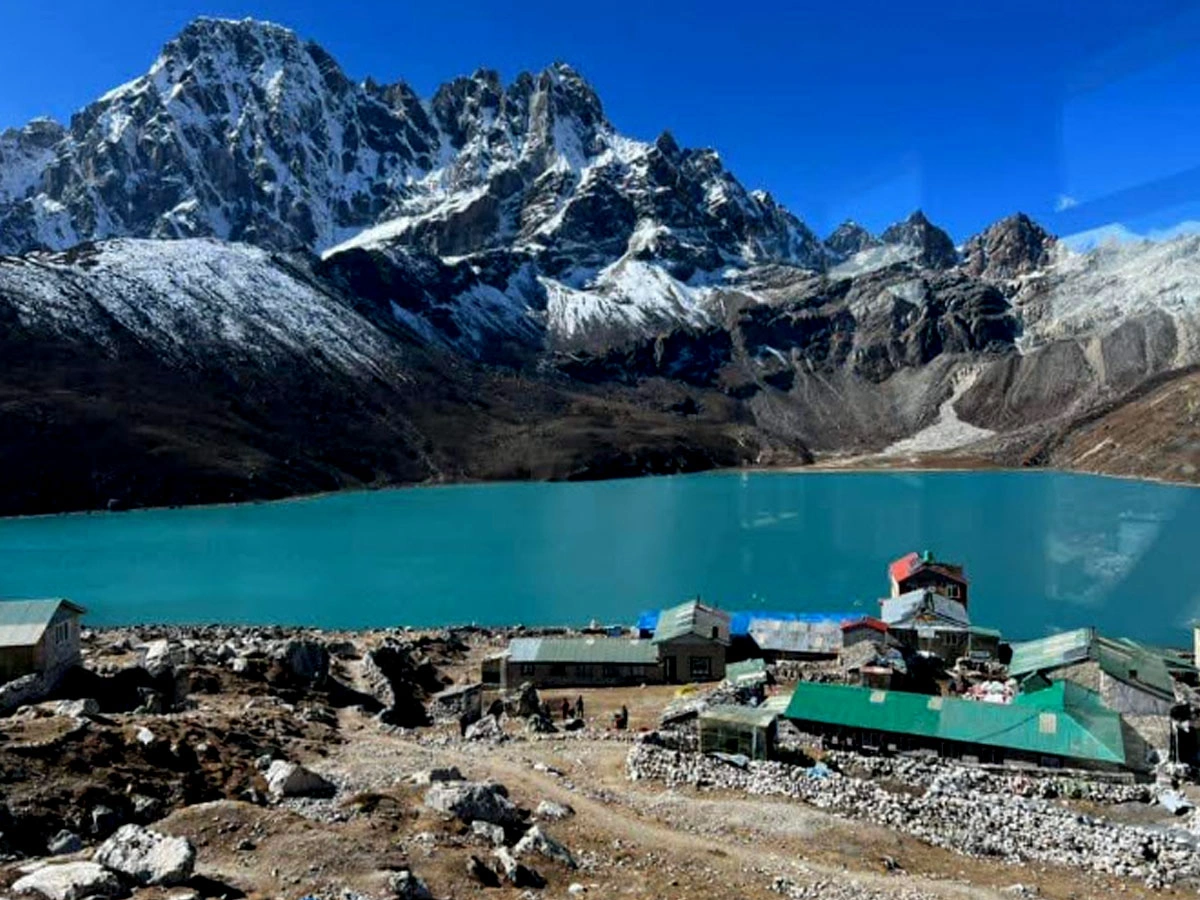
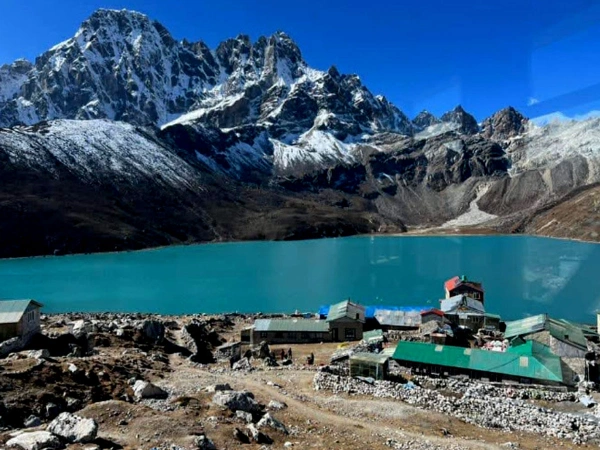
- Gokyo Lakes: Discover the beautiful turquoise Gokyo Lakes, surrounded by dramatic Himalayan landscapes, glaciers, and snow-capped peaks.
- Gokyo Ri Sunrise View: Climb Gokyo Ri (5,357 m) for breathtaking panoramic views of Mount Everest, Cho Oyu, Lhotse, Makalu, and other Himalayan giants.
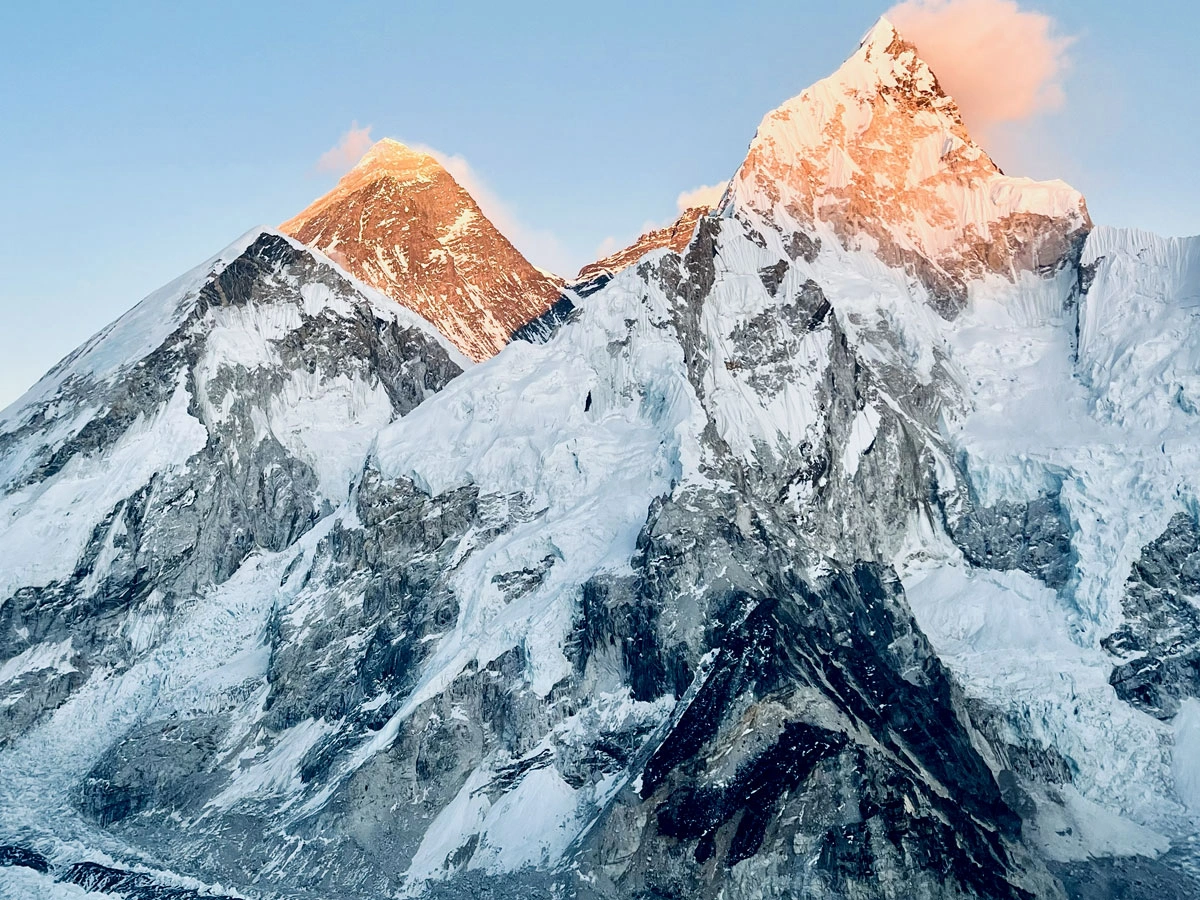
- Kala Patthar: Hike to Kala Patthar (5,545 m) for one of the best close-up views of Mount Everest and spectacular sunrise and sunset scenery.
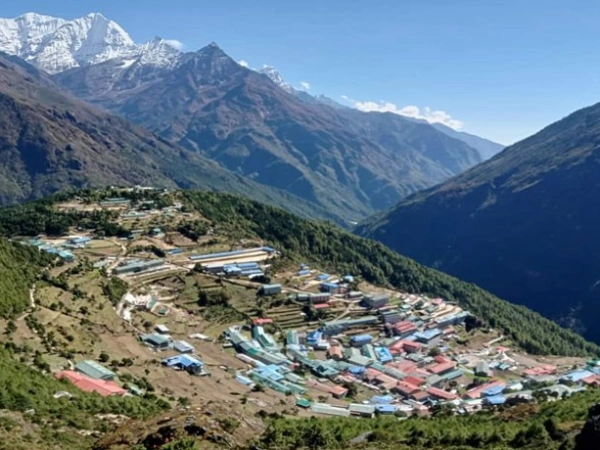
- Namche Bazaar: Explore the vibrant Sherpa town of Namche Bazaar, the main trading and acclimatization hub of the Khumbu region.
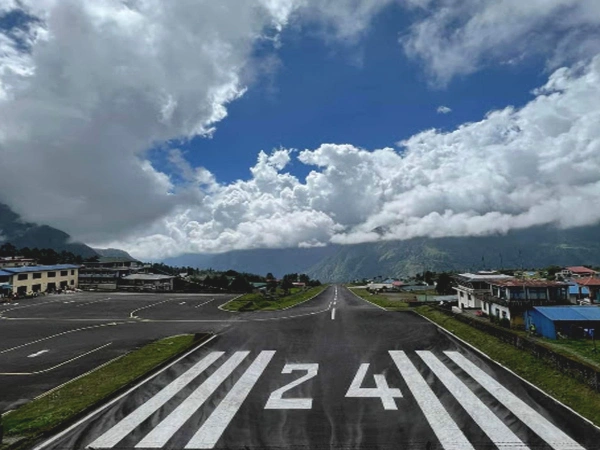
- Scenic Lukla Flight: Enjoy a thrilling mountain flight between Kathmandu and Lukla, with stunning aerial views of the Himalayan landscape.
- Sherpa Culture and Villages: Experience the unique traditions, hospitality, lifestyle, and Buddhist culture of the Sherpa people while passing through traditional mountain settlements.
- Ancient Buddhist Monasteries: Visit historic monasteries, chortens, mani walls, and prayer wheels that reflect the deep Buddhist heritage of the Everest region.
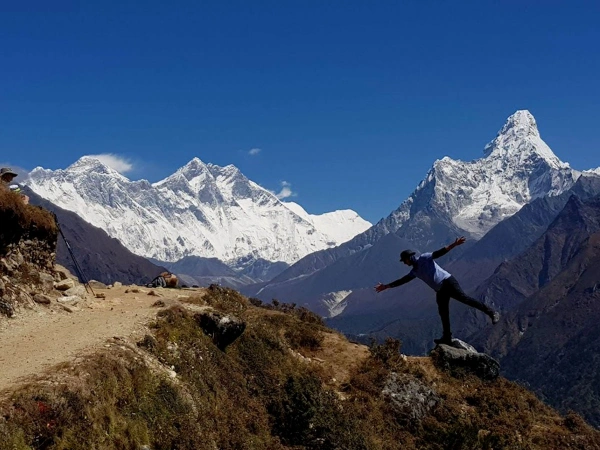
- Panoramic Himalayan Views: Enjoy spectacular scenery of Mount Everest, Lhotse, Nuptse, Ama Dablam, Makalu, Cho Oyu, Thamserku, and other Himalayan peaks throughout the journey.
- High-Altitude Adventure: Challenge yourself with changing landscapes, steep mountain trails, glaciers, and high Himalayan passes while trekking through the remote Khumbu region.
- Complete Everest Region Experience: Combine the best of the Gokyo Valley, Cho La Pass, Everest Base Camp, and Kala Patthar in one unforgettable Himalayan adventure.
Everest Base Camp with Cho La Pass Trek – Overview
The Everest Base Camp with Cho La Pass Trek is one of the most rewarding and adventurous trekking journeys in Nepal’s Everest region. This challenging route combines the legendary Everest Base Camp with the spectacular Gokyo Valley, Gokyo Lakes, Gokyo Ri, and Cho La Pass, offering an unforgettable experience amid some of the world’s highest mountains.
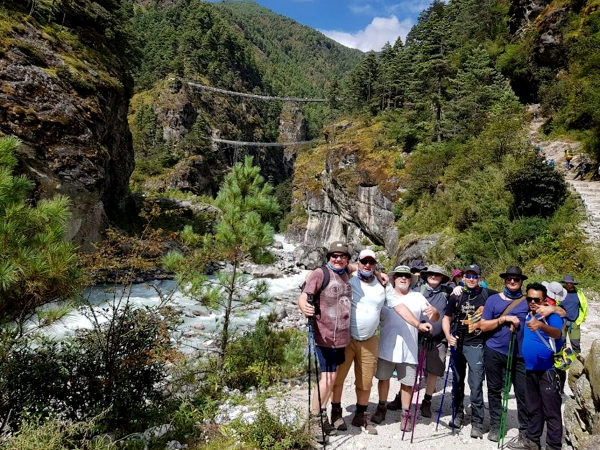
The trek begins with a scenic flight from Kathmandu to Lukla and follows the famous trail through the picturesque Sherpa villages of the Khumbu region. After acclimatizing in Namche Bazaar, the route diverts toward the beautiful Gokyo Valley, where trekkers can explore the turquoise Gokyo Lakes and hike to Gokyo Ri (5,357 m) for spectacular panoramic views of Mount Everest, Cho Oyu, Lhotse, Makalu, and surrounding Himalayan peaks.
One of the major highlights of the journey is crossing the challenging Cho La Pass (5,420 m), a high-altitude mountain pass connecting the Gokyo and Everest valleys. The crossing involves steep and rugged terrain and may include glacier and snow-covered sections depending on the season. From Cho La Pass, the trail descends toward Dzongla and continues to Lobuche and Gorak Shep.
The trek then reaches Everest Base Camp (5,364 m), where trekkers can experience the legendary base camp of the world's highest mountain. An early-morning ascent of Kala Patthar (5,545 m) provides an exceptional viewpoint for sunrise over Mount Everest and the surrounding Himalayan peaks.
Combining natural beauty, physical challenge, and authentic Himalayan culture, the Everest Base Camp with Cho La Pass Trek is ideal for experienced and physically prepared trekkers seeking an adventurous alternative to the standard Everest Base Camp route. The journey offers dramatic glaciers, high mountain passes, serene alpine lakes, Buddhist monasteries, traditional Sherpa villages, and unforgettable views of the Khumbu Himalayas.
Everest Base Camp Cho La Pass Trek Equipment Checklist
Proper preparation and the right Everest Base Camp Cho La Pass Trek equipment are essential for a safe, comfortable, and successful Himalayan adventure. Before your flight to Lukla, make sure you have all the necessary trekking gear and clothing for the varying weather and high-altitude conditions of the Everest region.
The Everest Base Camp and Cho La Pass Trek involves long days of walking through rugged mountain terrain, cold temperatures, and potentially snow-covered sections, particularly while crossing Cho La Pass (5,420 m). Good-quality trekking equipment will help you stay warm, comfortable, and well-prepared throughout the journey.
We strongly recommend bringing reliable and suitable trekking gear for the Everest Base Camp with Cho La Pass Trek. Essential equipment includes warm and layered clothing, a waterproof jacket and trousers, trekking boots, thermal wear, gloves, a warm hat, sunglasses, a headlamp, a comfortable backpack, a sleeping bag, and other personal trekking accessories.
A sleeping bag and down jacket are included in our trekking package. However, if you prefer a specific size, style, or level of warmth, you are welcome to bring your own. High-quality personal gear can make a significant difference, especially during cold nights and while crossing high-altitude areas.
Most Everest Base Camp Trek equipment and trekking gear can also be purchased or rented in Kathmandu after your arrival. However, we recommend preparing your essential personal items in advance so you have enough time to check and organize everything before flying to Lukla.
Being properly equipped is particularly important for the Cho La Pass crossing, where conditions can change quickly, and snow and ice may be present depending on the season. With the right equipment, proper preparation, and a well-planned itinerary, you can enjoy a more confident and rewarding Everest Base Camp Cho La Pass Trek.
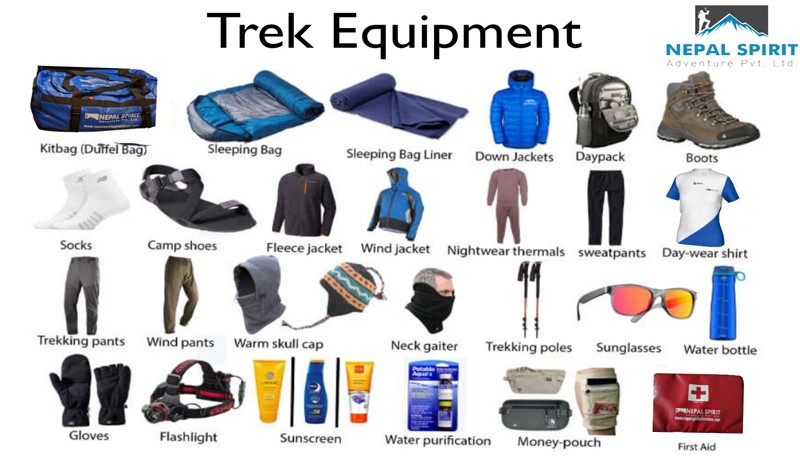
Recommended Everest Base Camp Cho La Pass Trek Gear
- Waterproof trekking boots with good ankle support
- Warm trekking socks and thermal socks
- Base layers and fleece jackets
- Waterproof and windproof outer jacket
- Down jacket and warm sleeping bag
- Trekking trousers and waterproof trousers
- Warm gloves and hat
- UV-protection sunglasses
- Comfortable trekking backpack and daypack
- Headlamp with spare batteries
- Trekking poles
- Water bottles or hydration system
- Sunscreen and lip balm
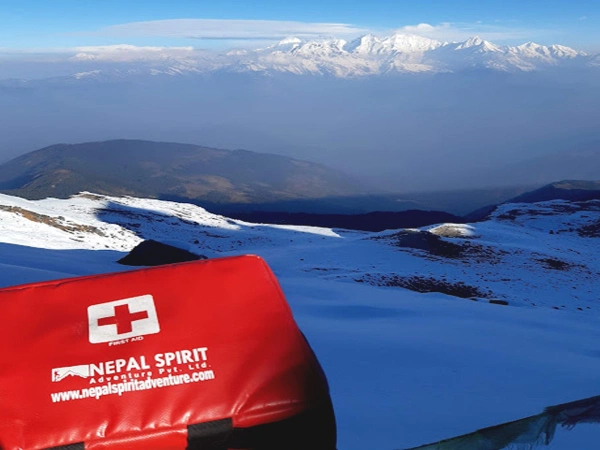
- Personal first-aid and essential medications
- Lightweight towel and personal toiletries
- Power bank and charging accessories
- Duffel bag for porter service
- Personal documents, permits, and travel essentials
Tip: Always choose lightweight, durable, and weather-appropriate equipment. Proper trekking gear is especially important for the higher sections of the route, including Gokyo Ri, Cho La Pass, Everest Base Camp, and Kala Patthar.
Everest Base Camp with Cho La Pass Cost 2026 / 2027
The Everest Base Camp Trek with Cho La Pass cost depends on several factors, including the trek duration, group size, accommodation, guide and porter services, permits, transportation, meals, and the level of service included in the package @ $1790, the best package for 18 days itinerary is organized by Nepal Spirit Adventure, an authentic Nepal-based trekking company in Nepal. Since the Cho La Pass (5,420 m) makes this route more challenging than the standard Everest Base Camp Trek, proper preparation, experienced trekking guides, and quality services are important considerations when choosing a package.
The 18-Day Everest Base Camp with Cho La Pass Trek Itinerary includes the spectacular Gokyo Valley, Gokyo Lakes, Cho La Pass, Everest Base Camp, and Kala Patthar. The overall trekking cost can vary depending on whether you choose a budget group trek, a private trek, or a more comfortable premium trekking package.
What Is Included in the Everest Base Camp Cho La Pass Trek Cost?
A standard trekking package may include:
- Airport transfers in Kathmandu
- Domestic flights between Kathmandu and Lukla
- Experienced English-speaking trekking guide
- Porter service
- Accommodation in Kathmandu and mountain teahouses during the trek
- Breakfast, lunch, and dinner during the trekking days
- Everest region trekking permits and required fees
- Sagarmatha National Park entry permit
- Khumbu Pasang Lhamu Rural Municipality permit
- Guide and porter accommodation, meals, salary, and insurance
- Necessary government taxes and service charges
- Basic trekking equipment provided by the trekking company, where specified
- Down jacket and sleeping bag, depending on the package
What Is Not Included?
The following expenses are generally not included in the Everest Base Camp with Cho La Pass Trek cost:
- International airfare
- Nepal visa fees
- Travel and rescue insurance
- Personal trekking equipment and clothing
- Meals and accommodation in Kathmandu unless specified
- Personal expenses and shopping
- Hot showers, Wi-Fi, and electronic device charging in the mountains
- Bottled or filtered drinking water
- Snacks, beverages, and alcoholic drinks
- Tips for guides and porters
- Emergency evacuation costs
- Expenses caused by flight delays, bad weather, or unforeseen circumstances
How Much Does the Everest Base Camp with Cho La Pass Trek Cost?
The exact price depends on the itinerary, group size, season, accommodation standard, and services selected. Group joining treks are generally more affordable, while private and customized treks offer greater flexibility and personalized services at a higher cost.
For an accurate and up-to-date Everest Base Camp Trek with Cho La Pass price, it is best to request a detailed quotation from a registered trekking company. Make sure the package clearly explains what is included and excluded before booking.
The Everest Base Camp with Cho La Pass Trek offers excellent value for trekkers who want to experience the best of the Everest region in one adventure. With Gokyo Lakes, Gokyo Ri, Cho La Pass, Everest Base Camp, and Kala Patthar included in the itinerary, this challenging trek provides an unforgettable Himalayan experience.
Everest Base Camp with Cho La Pass Trek – Itinerary
The Everest Base Camp with Cho La Pass Trek is an adventurous journey through the spectacular Khumbu region of Nepal. This itinerary combines the Namche Bazaar, Tengboche - a spiritual Buddhist monastery, Dingboche, a Sherpa village, the last accommodation for human being before reach the mount Everest Base Camp (5,364 m) and climb Kala Patthar (5,545 m) for Himalayas sunrise panorama, challenging crossing of Cho La Pass (5,420) visit beautiful Gokyo Valley and Gokyo Lakes with another climb for stunning sunrise vise from Gokyo Ri (5357 m) and continuing trek back to Lukla for Kathmandu flight.
Our 18-day route is designed with appropriate acclimatization days to help trekkers gradually adjust to the high altitude while enjoying the breathtaking landscapes, Sherpa villages, monasteries, glaciers, and panoramic Himalayan views.
Chekup Itinerary: Each Day Trek Approximately 6-7 Hours Between 10 - 15 km
Day 1: Arrival in Kathmandu – 1,324 m
Day 2: In Kathmandu Trek Preparation
Day 3: Fly to Lukla and Trek to Phakding – 2,610 m
Day 4: Phakding to Namche Bazaar – 3,440 m
Day 5: Acclimatization Day in Namche Bazaar – Hike to Syangboche 3,870 m
Day 6: Namche Bazaar to Tengboche - 3,867 m
Day 7: Trek from Tengboche to Dingboche - 4,410 m
Day 8: Acclimatization Day in Dingboche - Hike to Nangkartshang Hill
Day 9: Dingboche to Lobuche - 4,910 m
Day 10: Lobuche to Everest Base Camp via Gorak Shep – 5,364 m
Day 11: Gorak Shep to Kala Patthar 5,545 m and descend to Dzongla – 4,830 m
Day 12: Dzongla to Thangnak – 4,700 m via Crossing Cho La 5,420 m
Day 13: Thangnak to Gokyo - 4,790 m
Day 14: Acclimatization Day in Gokyo - Hike to Gokyo Ri
Day 15: Gokyo to Dole - 4,040 m
Day 16: Dole to Monjo - 2,835 m
Day 17: Monjo to Lukla - 2840 m
Day 18: Flight from Lukla to Kathamndu / Ramechhap
Day 19: In Kathmandu
Day 20: Departure
Important Note: Flight Delays and Extra Buffer Day
The Everest Base Camp with Cho La Pass Trek is a challenging high-altitude adventure, and weather conditions in the Everest region can change quickly. Flights between Kathmandu and Lukla are particularly dependent on weather and visibility, so flight delays or cancellations can occasionally occur before the trek or during your return journey from Lukla.
For this reason, we strongly recommend keeping at least one extra buffer day in Kathmandu after completing your trek. This additional day provides flexibility in case your flight from Lukla to Kathmandu is delayed or canceled due to unfavorable weather conditions.
Having a contingency day is especially important if you have an international flight or onward travel immediately after the trek. We recommend avoiding tight connections and allowing sufficient time between your Lukla flight and your international departure.
While flight disruptions are beyond anyone's control, planning an extra day can help ensure a more relaxed and stress-free Everest Base Camp and Cho La Pass Trek experience.
Important: Flight schedules may change due to weather, operational conditions, or other unforeseen circumstances. Any additional costs resulting from flight delays or cancellations, such as accommodation, meals, transportation, or alternative arrangements, may need to be covered by the traveler unless otherwise stated in the trekking package.
Is a Trek Guide Necessary for the Everest Base Camp Cho La Pass Trek?
Yes, hiring a professional trekking guide is highly recommended for the Everest Base Camp Cho La Pass Trek. Although experienced trekkers may be comfortable navigating parts of the Everest region independently, the Cho La Pass route is more challenging and requires careful planning, navigation, and preparation for changing mountain conditions.
A knowledgeable local Sherpa guide can make your Everest Base Camp with Cho La Pass Trek safer, more comfortable, and more enjoyable. The guide is familiar with the local trails, weather conditions, accommodation options, altitude-related challenges, and the safest approach to crossing Cho La Pass.
Why Hire a Guide for the Everest Base Camp Cho La Pass Trek?
1. Safety and Navigation
The route includes remote trails, steep sections, glaciers, and high-altitude terrain. A professional guide helps you follow the correct trail and make appropriate decisions when weather or trail conditions change.
2. Cho La Pass Experience
Crossing Cho La Pass at 5,420 meters is one of the most demanding parts of the trek. Depending on the season, snow and ice can make the crossing more difficult. An experienced guide can assess conditions, manage the pace, and help trekkers navigate challenging sections.
3. Altitude Awareness
The trek reaches elevations above 5,000 meters, where altitude-related problems can occur. Guides are trained to recognize common symptoms of altitude sickness and can help monitor your condition and recommend appropriate action if problems develop.
4. Local Knowledge and Culture
A local guide provides insight into Sherpa culture, Buddhist traditions, monasteries, villages, mountains, and the history of the Khumbu region, making the trek more meaningful than simply following the trail.
5. Accommodation and Logistics
During busy trekking seasons, finding suitable accommodation can sometimes be difficult. Guides can assist with teahouse arrangements, meals, permits, transportation, and other practical aspects of the journey.
6. Emergency Support
In case of illness, injury, severe weather, or other unexpected situations, having an experienced guide provides valuable assistance with communication and coordinating appropriate support.
Everest Base Camp Cho La Pass Trek Map
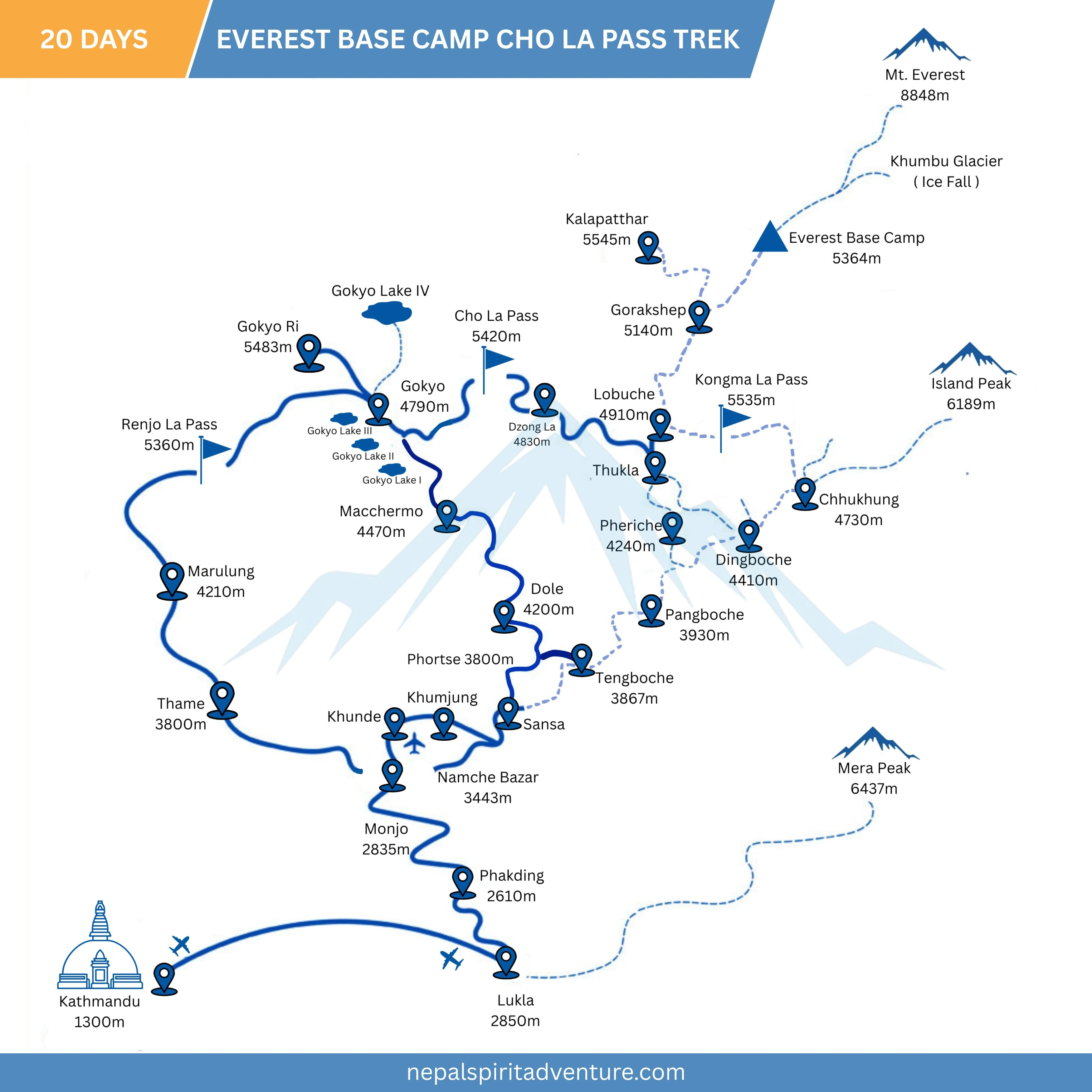
The Everest Base Camp Cho La Pass Trek map shows the complete trekking route through the spectacular Khumbu region of Nepal, combining the beautiful Gokyo Valley, Gokyo Lakes, Cho La Pass, and Everest Base Camp. The route offers an adventurous alternative to the classic Everest Base Camp Trek, with stunning Himalayan scenery and challenging high-altitude terrain.
The trek begins with a scenic flight from Kathmandu to Lukla and follows the Dudh Koshi Valley toward Phakding and Namche Bazaar. After an acclimatization day in Namche, the trail turns toward the Gokyo Valley, passing through Dole and Machhermo before reaching Gokyo Lakes.
From Gokyo, the route continues toward Thangnak and crosses the challenging Cho La Pass at 5,420 meters. After descending to Dzongla, the trail joins the classic Everest Base Camp route through Lobuche and Gorak Shep. Trekkers then reach Everest Base Camp at 5,364 meters before hiking to Kala Patthar (5,545 m) for spectacular panoramic views of Mount Everest.
The return journey follows the Khumbu Valley through Pheriche and Namche Bazaar before reaching Lukla for the flight back to Kathmandu.
Everest Base Camp Cho La Pass Trek Route
Kathmandu → Lukla → Phakding → Namche Bazaar → Tengboche → Dingboche → Lobuche → Gorak Shep → Everest Base Camp → Kala Patthar → Dzongal → Cho La Pass → Thangnak → Gokyo Lake → Gokyo Ri → Dole → Namche Bazaar → Lukla → Kathmandu
Major Places on the Trek Map
- Lukla – 2,860 m: Gateway to the Everest region
- Namche Bazaar – 3,440 m: Major Sherpa town and acclimatization center
- Dole – 4,040 m: Scenic village on the Gokyo Valley route
- Machhermo – 4,470 m: High-altitude settlement before Gokyo
- Gokyo – 4,790 m: Beautiful lakeside village in the Gokyo Valley
- Gokyo Ri – 5,357 m: Outstanding Himalayan viewpoint
- Thangnak – 4,700 m: Important overnight stop before Cho La Pass
- Cho La Pass – 5,420 m: Challenging high-altitude pass connecting Gokyo and Everest valleys
- Dzongla – 4,830 m: Remote settlement below Cho La Pass
- Lobuche – 4,910 m: Important stop on the Everest Base Camp route
- Gorak Shep – 5,164 m: Last settlement before Everest Base Camp
- Everest Base Camp – 5,364 m: Legendary base camp of Mount Everest
- Kala Patthar – 5,545 m: One of the best viewpoints for Mount Everest
Everest Base Camp Cho La Pass Trek Map Highlights
The map highlights the dramatic geographical transition from the lower Khumbu valleys to the high Himalayan landscapes of Gokyo, Cho La Pass, and Everest Base Camp. It helps trekkers understand the route, elevation changes, major overnight stops, acclimatization points, and challenging sections of the journey.
The Everest Base Camp with Cho La Pass Trek map is an essential planning tool for understanding the trekking distance, altitude profile, and overall route before beginning this challenging Himalayan adventure.
When Is the Best Time for the Everest Base Camp Cho La Pass Trek?
The best time for the Everest Base Camp Cho La Pass Trek is generally during spring (March to May) and autumn (September to November). These seasons offer the most favorable combination of stable weather, clear mountain views, comfortable trekking conditions, and safer conditions for crossing Cho La Pass (5,420 m).
Because this trek includes the high-altitude Cho La Pass, weather and trail conditions are particularly important. Snow, ice, strong winds, and poor visibility can make the pass crossing significantly more challenging outside the main trekking seasons.
Spring: March to May
Spring is one of the best seasons for the Everest Base Camp with Cho La Pass Trek. The weather is generally stable, daytime temperatures are more comfortable, and visibility is often excellent for enjoying views of Mount Everest and the surrounding Himalayan peaks.
The lower valleys become especially beautiful during spring, with blooming rhododendrons and other alpine vegetation adding color to the landscape. March can still bring snow around higher elevations, while April and May usually provide excellent trekking conditions.
Highlights of spring:
- Generally stable mountain weather
- Excellent Himalayan visibility
- Rhododendron flowers in the lower valleys
- Good conditions for Gokyo Valley and Cho La Pass
- Increasingly comfortable daytime temperatures
Autumn: September to November
Autumn is another excellent season for the Everest Base Camp Cho La Pass Trek. After the monsoon, the atmosphere is often clear, providing spectacular views of the Himalayan mountains. October is particularly popular because of its generally favorable weather and excellent visibility.
September can still experience occasional rain at lower elevations, while November brings colder temperatures, especially at night and around Cho La Pass.
Highlights of autumn:
- Clear mountain views after the monsoon
- Generally stable and dry weather
- Excellent visibility of Everest and surrounding peaks
- Good conditions for crossing Cho La Pass
- Pleasant daytime trekking temperatures
Winter: December to February
Winter trekking is possible for experienced and well-prepared trekkers, but the Cho La Pass route becomes significantly more challenging. Heavy snowfall, freezing temperatures, icy trails, and strong winds can affect the high-altitude sections.
Cho La Pass may become difficult or temporarily impassable depending on snow and weather conditions. If considering a winter trek, an experienced local guide and appropriate cold-weather equipment are essential.
Monsoon: June to August
The summer monsoon brings frequent rain, clouds, and wet trails to the lower Everest region. However, the higher areas around Gokyo and the Everest region can experience different weather patterns.
Rain and cloud cover can affect visibility and flight operations to and from Lukla. For these reasons, the monsoon season is generally not the preferred time for the Everest Base Camp with Cho La Pass Trek.
Which Month Is Best for Cho La Pass?
For the best overall trekking experience, April, May, October, and early November are among the most favorable periods for the Cho La Pass Trek. However, conditions at the pass can change quickly, even during the best seasons.
Your trekking team should always assess current weather and trail conditions before attempting the pass. Safety should take priority over maintaining a fixed itinerary.
Best Time at a Glance
| Season |
Months |
Trekking Conditions |
Recommendation |
| Spring |
March–May |
Clear skies, mild temperatures, good visibility |
Excellent |
| Summer/Monsoon |
June-August |
Rain, clouds, possible flight disruptions |
Less recommended |
| Autumn |
September-November |
Dry weather, clear views, stable conditions |
Excellent |
| Winter |
December-February |
Very cold, snow and ice at high elevations |
For experienced trekkers |
Our Recommendation
For most trekkers, spring and autumn are the best seasons for the Everest Base Camp Cho La Pass Trek. If your priority is favorable weather, clear Himalayan views, and better conditions for crossing Cho La Pass, consider traveling in April–May or October–early November.
Regardless of the season, conditions in the high Himalayas can change rapidly. Allow some flexibility in your itinerary, carry appropriate trekking equipment, and be prepared for possible delays, particularly with flights between Kathmandu and Lukla.
Why Book the Everest Base Camp Trek Cho La Pass with Nepal Spirit Adventure?
Choosing the right trekking company is an important part of planning a safe and memorable Everest Base Camp Cho La Pass Trek. At Nepal Spirit Adventure, we combine experienced local guides, carefully designed itineraries, personalized service, and strong knowledge of the Everest region to provide a rewarding Himalayan trekking experience.
Experienced Local Trekking Guides
Our professional and experienced local guides have extensive knowledge of the Everest Base Camp, Gokyo Valley, and Cho La Pass routes. They understand the challenges of high-altitude trekking and can provide practical support throughout the journey.
Carefully Designed Itinerary
The Everest Base Camp with Cho La Pass Trek itinerary is designed with appropriate acclimatization days to help your body adjust gradually to increasing altitude. The route combines Gokyo Lakes, Gokyo Ri, Cho La Pass, Everest Base Camp, and Kala Patthar for a complete Everest-region adventure.
Safety Comes First
Your safety is our highest priority. Our guides monitor weather and trail conditions and help you maintain a suitable pace throughout the trek. We also recommend adequate acclimatization and proper preparation before attempting the challenging 5,420-meter Cho La Pass.
Personalized Trekking Experience
Whether you are traveling solo, as a couple, with friends, or as a private group, we can organize the trek according to your preferred pace, schedule, and requirements. We focus on personalized service rather than treating every traveler with a one-size-fits-all approach.
Quality Accommodation and Services
We select reliable teahouses and lodges along the trekking route whenever possible, providing a comfortable place to rest after each day's trek. Our team also assists with meals, transportation, permits, luggage, and other essential trekking logistics.
Local Knowledge and Sherpa Culture
Trekking with a local company allows you to experience the Everest region beyond its famous mountains. Our guides can introduce you to Sherpa culture, Buddhist traditions, monasteries, prayer wheels, mani walls, and traditional Himalayan villages along the route.
Support from Kathmandu to the Himalayas
Our team assists in your journey, from arrival in Kathmandu and trekking preparation to your return from Lukla. We can also help coordinate trekking permits, domestic flights, equipment arrangements, and other logistical requirements.
Transparent Trekking Package
We aim to provide clear information about what is included and excluded in your Everest Base Camp Cho La Pass Trek package. Before departure, our team explains the itinerary, services, equipment, accommodation, meals, permits, and other important details.
Responsible and Sustainable Trekking
We encourage responsible trekking practices that respect the natural environment and local communities of the Khumbu region. Our team promotes responsible waste management, respect for local culture, and environmentally conscious travel throughout the trek.
Start Your Everest Base Camp Cho La Pass Adventure
The Everest Base Camp Trek via Cho La Pass is more than a trek—it is an adventure through some of the most spectacular landscapes in the Himalayas. With Nepal Spirit Adventure, you can explore Gokyo Lakes, cross Cho La Pass, reach Everest Base Camp, and enjoy the incredible views from Kala Patthar with an experienced local team supporting you along the way.
Book your Everest Base Camp Cho La Pass Trek with Nepal Spirit Adventure and experience the Himalayas with confidence, local expertise, and personalized service.
Recommendations for Other Trekking Trails in Everest and Khumbu Valley
The Everest and Khumbu Valley offer a wide range of trekking routes, from classic Everest Base Camp journeys to remote high-altitude adventures. If you are looking for an alternative to the Everest Base Camp with Cho La Pass Trek, these trekking routes provide excellent opportunities to explore the Himalayas, Sherpa culture, spectacular mountain scenery, and peaceful mountain villages.
Everest Base Camp Trek
The classic Everest Base Camp Trek is one of Nepal's most popular Himalayan adventures. The route passes through Namche Bazaar, Tengboche, Dingboche, Lobuche, and Gorak Shep before reaching Everest Base Camp. The trek also includes the famous Kala Patthar viewpoint, offering spectacular views of Mount Everest and the surrounding peaks.
Gokyo Valley and Gokyo Lakes Trek
The Gokyo Valley Trek is an excellent choice for trekkers who prefer beautiful alpine lakes and spectacular mountain scenery. The trail leads to the turquoise Gokyo Lakes and the summit of Gokyo Ri, one of the best viewpoints for Everest, Cho Oyu, Lhotse, and Makalu.
Everest Three Passes Trek
For experienced and adventurous trekkers, the Everest Three Passes Trek offers one of the most challenging and rewarding journeys in the Khumbu region. The route crosses Renjo La, Cho La, and Kongma La, while also visiting Gokyo Lakes and Everest Base Camp.
Everest Base Camp Luxury Trek
The Everest Base Camp Luxury Trek provides a more comfortable way to experience the Khumbu region. The itinerary combines the classic Everest Base Camp route with upgraded accommodation and additional comfort where available, making it suitable for travelers who prefer a more relaxed trekking experience.
Everest Panorama Trek
The Everest Panorama Trek is a shorter alternative for travelers with limited time. The route usually reaches Tengboche and offers impressive views of Everest, Ama Dablam, Thamserku, and other Himalayan peaks without requiring a long journey to Everest Base Camp.
Everest View Trek
The Everest View Trek is ideal for trekkers who want to experience the Everest region without traveling to extreme altitudes. The route explores Namche Bazaar and nearby viewpoints, offering magnificent views of Mount Everest and the surrounding Himalayas.
Jiri to Everest Base Camp Trek
The Jiri to Everest Base Camp Trek follows the historic approach to Everest before the Lukla air route became the primary gateway. This longer journey passes through traditional villages and less-developed areas, providing a deeper cultural experience and gradual acclimatization.
Mera Peak and Amphu Lapcha Pass Trek
For experienced mountaineers and high-altitude trekkers, the Mera Peak and Amphu Lapcha Pass Trek combines a Himalayan peak-climbing experience with a challenging high pass. It offers spectacular views and a more remote adventure away from the busiest Everest trails.
Choose Your Everest Region Adventure
Whether you want to reach Everest Base Camp, explore the tranquil Gokyo Lakes, cross high Himalayan passes, or enjoy a shorter panoramic trek, the Everest and Khumbu Valley have an adventure for every type of trekker.
If you are unsure which route is best for you, consider your trekking experience, available time, preferred difficulty, altitude tolerance, and desired level of comfort when choosing your itinerary.