Kathmandu City Day Tour Overview
The Kathmandu City Day Tour is a fascinating 4–5-hour guided sightseeing experience that introduces you to the cultural, historical, and spiritual heart of Nepal. Operated by Nepal Spirit Adventure, this tour is conducted in a comfortable private vehicle with an experienced local guide who brings Kathmandu's rich heritage to life.
Although Kathmandu is Nepal's bustling capital and commercial center, it has preserved its centuries-old traditions, remarkable architecture, and vibrant religious culture. Home to seven UNESCO World Heritage Sites, the Kathmandu Valley offers one of the world's richest collections of Hindu and Buddhist monuments.
During this memorable day tour, you'll explore four of Kathmandu's most iconic UNESCO World Heritage Sites: Pashupatinath Temple, Boudhanath Stupa, Kathmandu Durbar Square, and Swayambhunath (Monkey Temple). Together, these landmarks showcase Nepal's royal history, sacred traditions, and unique blend of Hinduism and Buddhism.
One Day Kathmandu City Tour
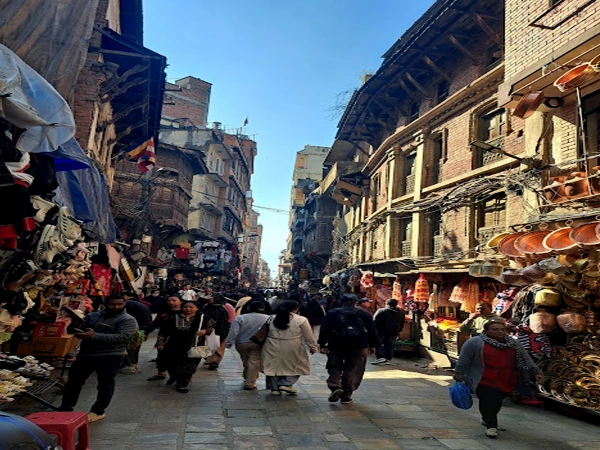
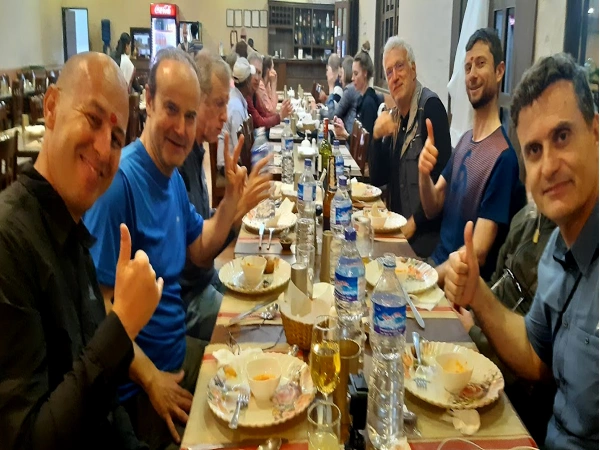
Your sightseeing adventure begins after breakfast when your professional guide meets you at your hotel. Throughout the day, you'll discover magnificent temples, ancient palaces, lively courtyards, and sacred Buddhist monuments while learning about Nepal's fascinating history, art, architecture, and local culture.
Pashupatinath Temple
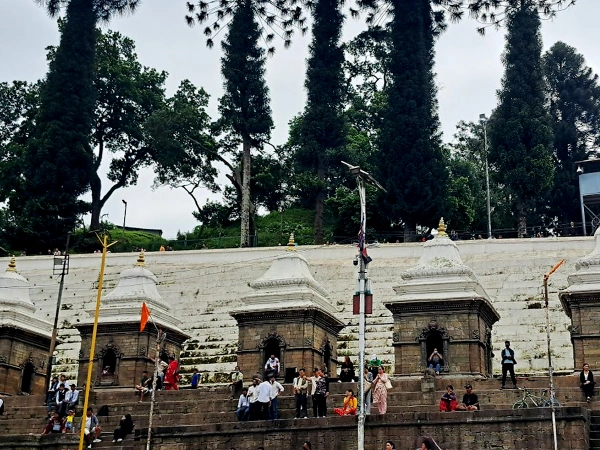
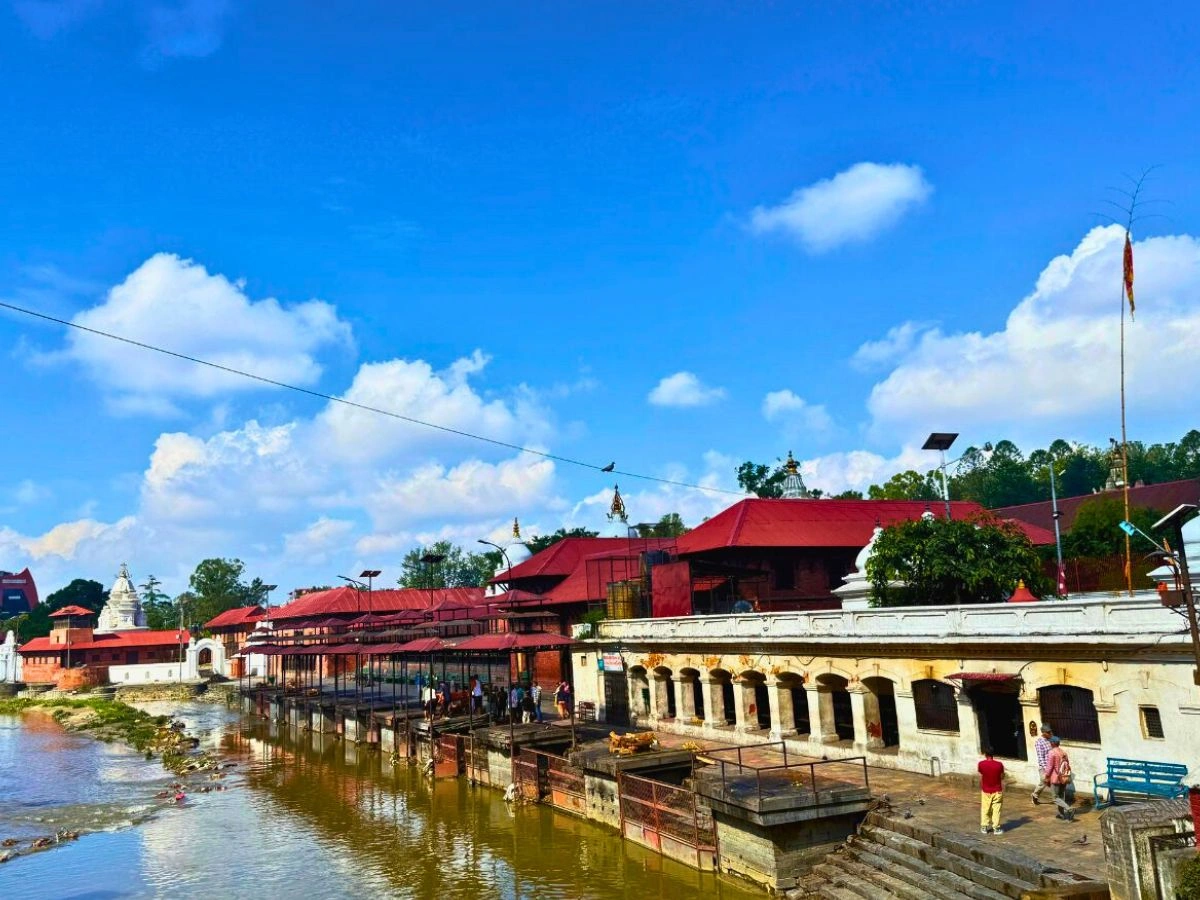
Your first stop is Pashupatinath Temple, Nepal's most sacred Hindu pilgrimage site and one of the holiest temples dedicated to Lord Shiva. Situated on the banks of the sacred Bagmati River, the temple is renowned for its beautiful pagoda-style architecture, gilded roofs, intricately carved silver doors, and centuries-old traditions.
Visitors can observe Hindu rituals, cremation ceremonies along the ghats, and the daily religious life that makes Pashupatinath one of the most spiritually significant places in South Asia. While only Hindus are permitted inside the main temple, international visitors can enjoy excellent views of the temple complex from across the Bagmati River.
Boudhanath Stupa
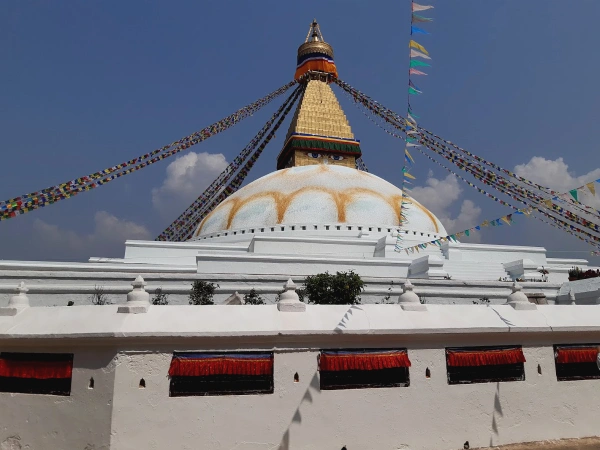
A short drive brings you to Boudhanath Stupa, one of the largest and most important Buddhist stupas in the world. Often referred to as "Little Tibet," this peaceful neighborhood is home to numerous Tibetan monasteries, prayer flags, and traditional shops.
Originally built during the Licchavi period, the massive white dome symbolizes the universe, while the iconic Buddha eyes painted on all four sides represent wisdom and compassion watching over all beings. Visitors can walk clockwise around the stupa with pilgrims, spin prayer wheels, visit monasteries, and experience the tranquil atmosphere of Tibetan Buddhist culture.
Kathmandu Durbar Square
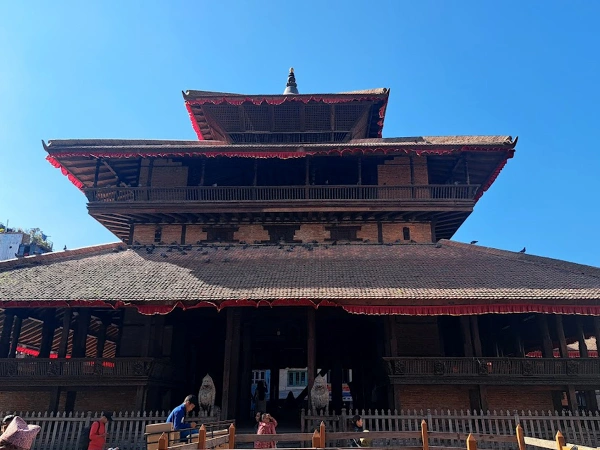
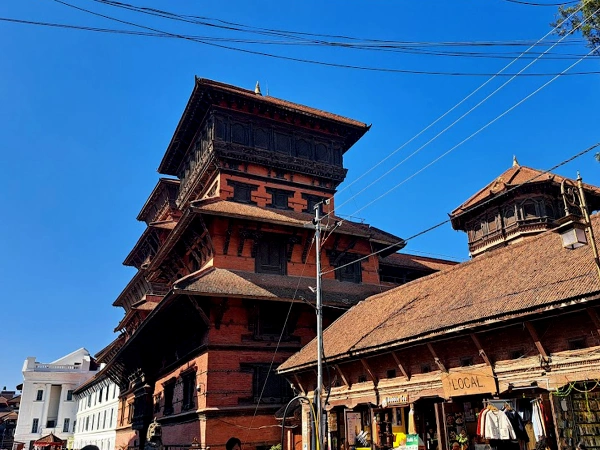
After lunch, continue to the historic Kathmandu Durbar Square, the former royal palace complex of the Malla and Shah kings. This UNESCO World Heritage Site showcases exquisite Newari craftsmanship through beautifully carved wooden windows, ancient temples, royal courtyards, and impressive stone sculptures.
Highlights include the Hanuman Dhoka Palace, the Kumari Ghar (home of Nepal's Living Goddess), the fearsome Kal Bhairab statue, Taleju Temple, Kasthamandap, and numerous historic shrines that reflect Kathmandu's glorious royal past. Every corner of the square reveals remarkable artistry and centuries of Nepalese history.
Swayambhunath (Monkey Temple)
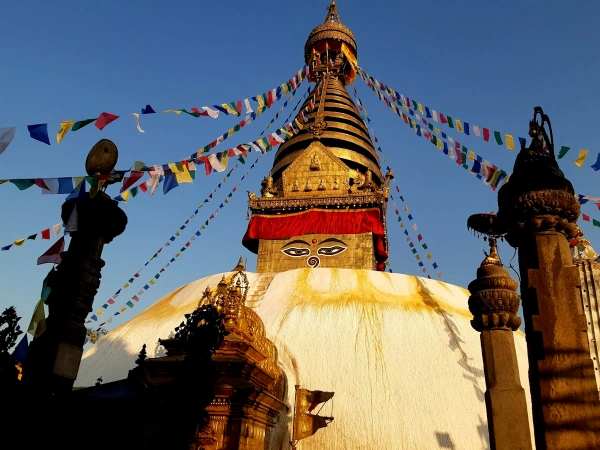
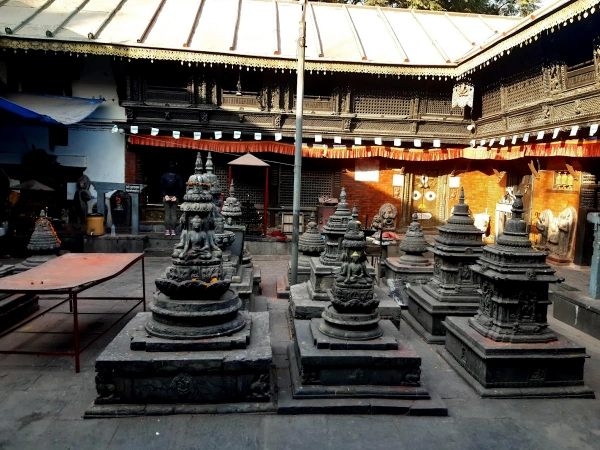
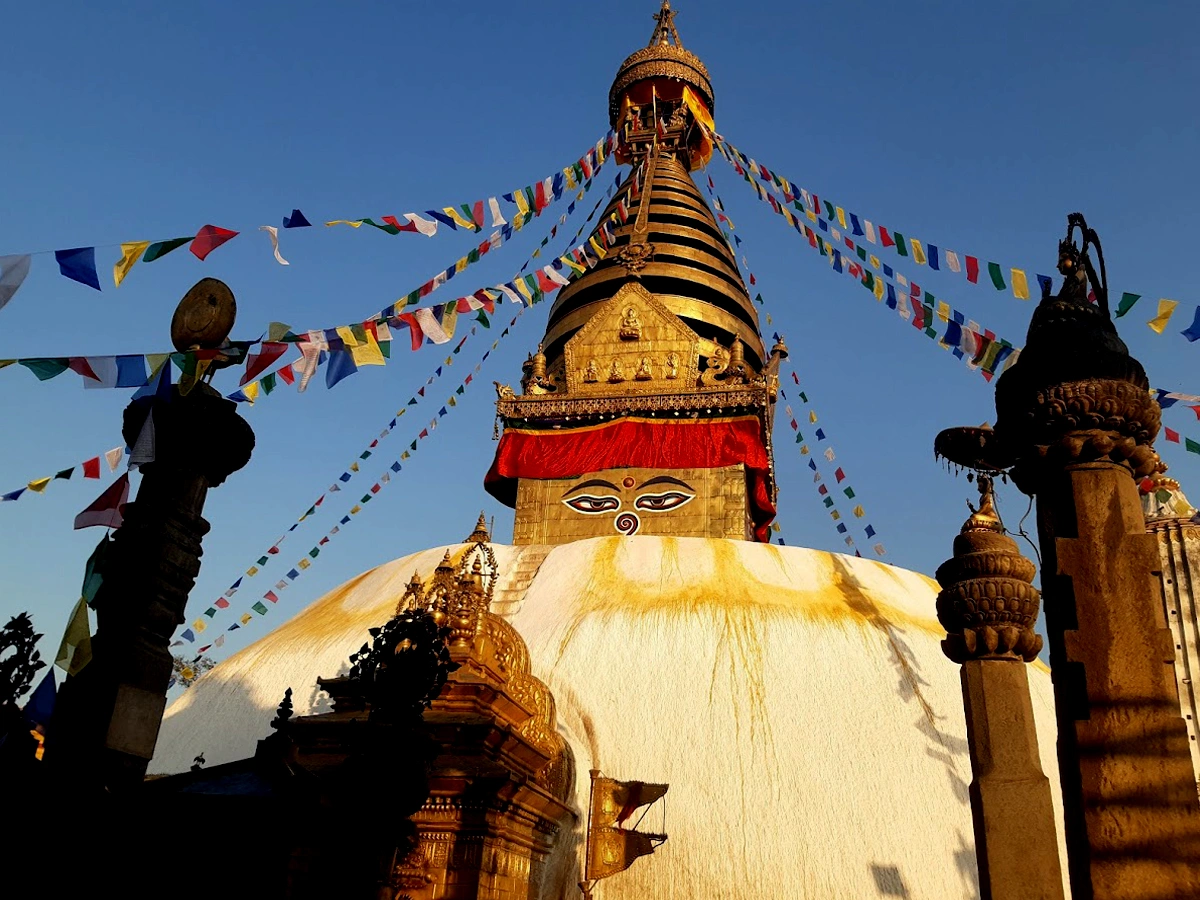
The final destination is the ancient Swayambhunath Stupa, popularly known as the Monkey Temple. Believed to be over 2,000 years old, this sacred hilltop shrine is one of Nepal's oldest and most revered Buddhist pilgrimage sites.
After climbing the stone steps to the summit, visitors are rewarded with spectacular panoramic views of the Kathmandu Valley. The magnificent white stupa, crowned by Buddha's all-seeing eyes, is surrounded by prayer wheels, monasteries, shrines, and colorful prayer flags. The site beautifully represents the harmonious coexistence of Buddhism and Hinduism, making it one of Nepal's most iconic landmarks.
End of the Tour
After exploring Kathmandu's most celebrated cultural landmarks, your guide will transfer you back to your hotel. This immersive day tour offers the perfect introduction to Nepal's history, architecture, religion, and living traditions, making it an ideal choice for travelers with limited time who wish to experience the very best of Kathmandu in a single day
Monument Entrance Fees for Kathmandu Sightseeing Tour
The following entrance fees apply to the major UNESCO World Heritage Sites included in the Kathmandu sightseeing tour. These fees are charged per person and are payable directly at the respective monument entrances.
- Monument Entrance Fee (Approx.)
- Pashupatinath Temple USD 7
- Boudhanath Stupa USD 3.50
- Kathmandu Durbar Square USD 7
- Swayambhunath (Monkey Temple)USD 1.50
- Patan Durbar Square USD 7
- Bhaktapur Durbar Square USD 11.50
Please Note:
Entrance fees are not included in the tour price unless otherwise specified. All fees are charged per person. The above prices are approximate and based on the prevailing exchange rate between the US Dollar (USD) and Nepalese Rupee (NPR). Monument entrance fees are determined by the respective heritage authorities and may change without prior notice. We recommend carrying either Nepalese Rupees (NPR) or US Dollars (USD) for entrance tickets.
Monument Entrance Fee (Approx.)
- Pashupatinath TempleUSD 7
- Boudhanath StupaUSD 3.50
- Kathmandu Durbar SquareUSD 7
- Swayambhunath (Monkey Temple)USD 1.50
- Patan Durbar SquareUSD 7
- Bhaktapur Durbar SquareUSD 11.50