10
Days

Mardi Himal Trek - 10 Day

146 Reviews in TripAdvisor
32 Reviews in Google Reviews

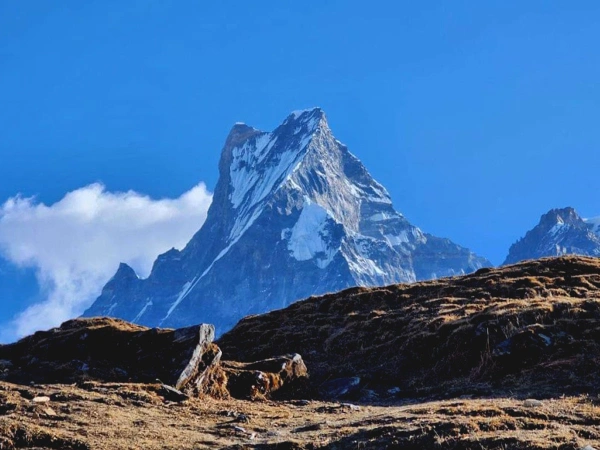
The Mardi Himal Trek is a beautiful and relatively short trekking route in the Annapurna Region of Nepal. It offers stunning, close-up views of the iconic peaks, including Machhapuchhre (Fishtail Mountain), Annapurna South, and Hiunchuli. The trek is known for its peaceful trails, lush forests, and breathtaking mountain scenery.

Duration
10 Days
Trip Grade
Moderate
Country
Nepal
Maximum Altitude
4,500m | 14,763
Group Size
1- 10 People in Group
Starts
Kathmandu
Ends
Kathmandu
Activities
Trekking
Best Time
March-May | Sept - Dece

The Mardi Himal Trek is a popular trekking destination in the Annapurna Region of Nepal. It is a lesser-known, off-the-beaten-path route, making it an excellent choice for trekkers who want to escape the crowds. This trek offers stunning mountain views, a peaceful atmosphere, and a diverse range of experiences, making it ideal for adventurers.

The 10-day Mardi Himal Trek winds along the hidden ridges of the Annapurna Himalayan range and features the impressive Machhapuchhre, also known as "Fish Tail Peak." This trek is an incredible adventure on less-traveled trails. Few trekkers visit the enchanting area around Mardi Himal, which was named "Other Sanctuary" by early pioneer Col. Jimmy Roberts, who first explored the region in the early 1970s.

Quick Highlight of Mardi Himal Trek

  1. Less crowded compared to other Annapurna treks
  2. Hike on the off-beaten trail seldom ventured by other trekkers around the Mardi area
  3. Trekking the hidden ridges of Annapurna at Mardi Himal, beneath Machhapuchare Himal
  4. Fantastic views of the world’s highest Annapurna-Dhaulagiri to Manaslu mountains
  5. Walk through rhododendron forests and alpine landscapes in complete wilderness
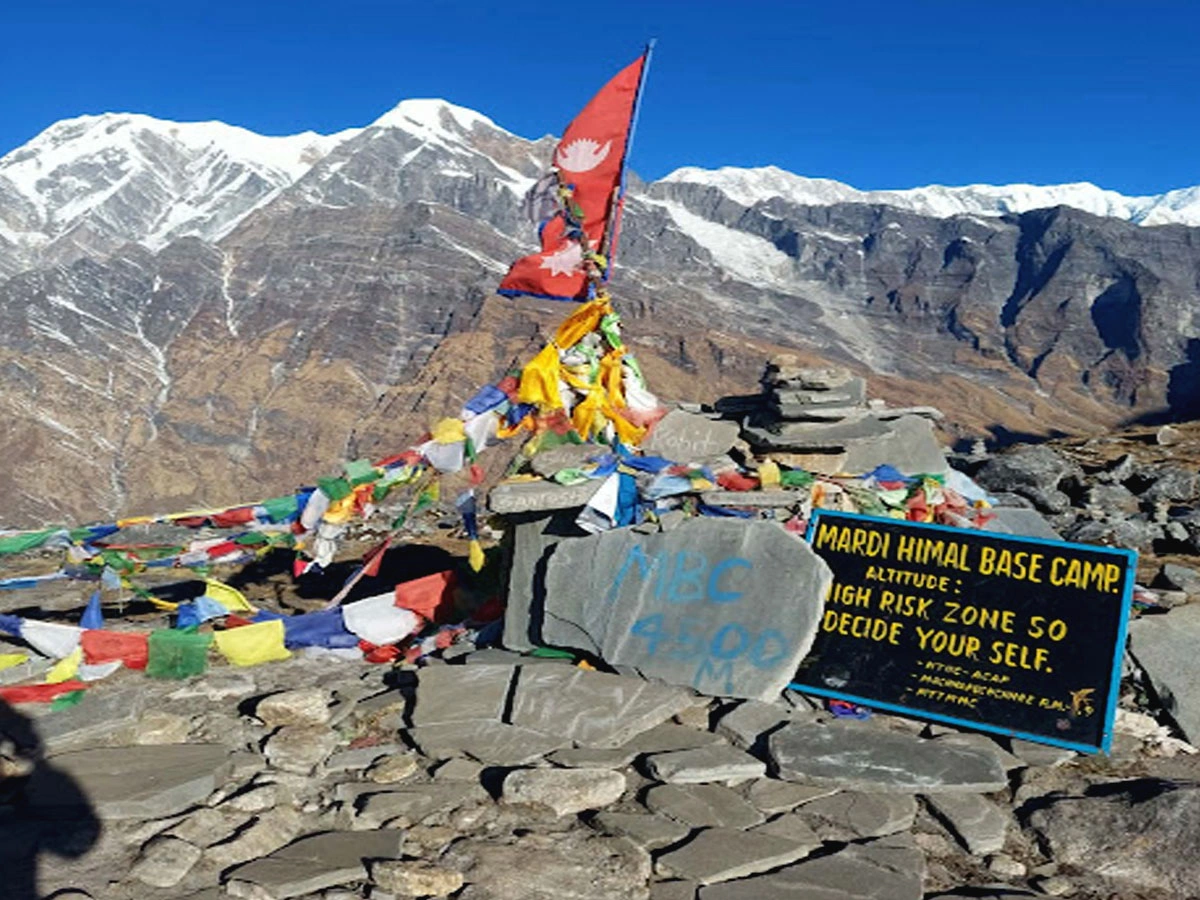
  6. Reaches Mardi Himal Base Camp (4,500 m approx.)
  7. Visiting the lovely traditional Gurung villages of interesting culture
  8. Scenic drive from Kathmandu to Pokhara
  9. Ideal for short trek routes in Annapurna (5–11 days)

What You Will See on the Mardi Himal Trek

Stunning Mountain Views:

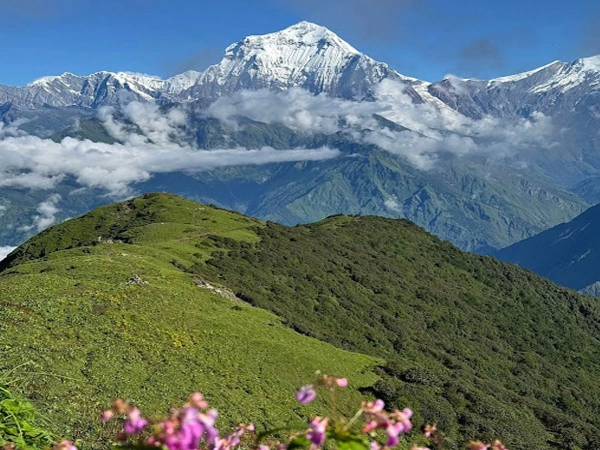
Close-up views of Annapurna South, Machapuchare (Fishtail), Hiunchuli, and Mardi Himal. The entire trek is full of scenic views of these majestic peaks.

Natural Beauty:

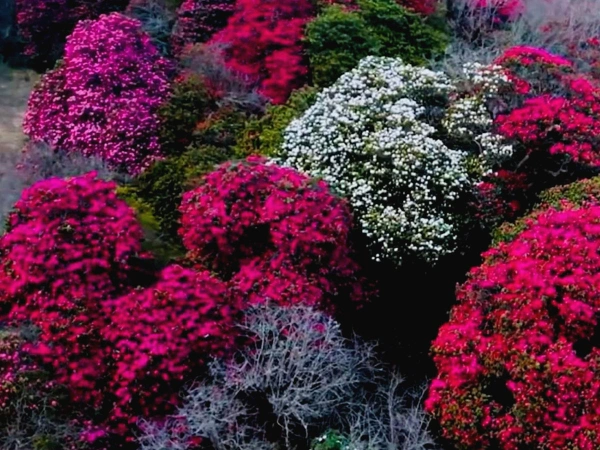
You’ll pass through diverse landscapes, from subtropical forests with rhododendron blooms to alpine meadows.

Traditional Villages:

 Experience local life in the villages of the Gurung and Magar people.

Wildlife and Flora:

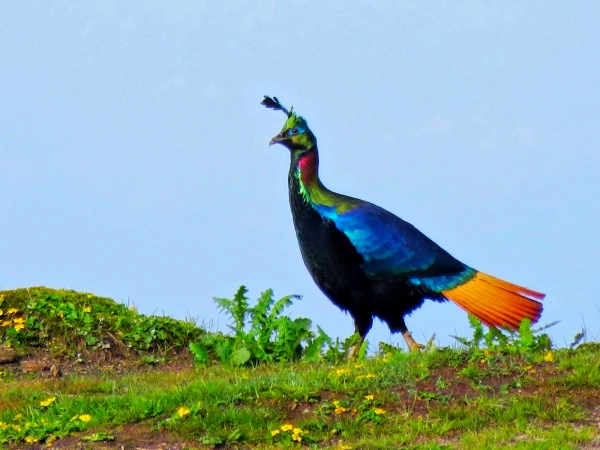
The trek is in the Annapurna Conservation Area, so you'll encounter rich biodiversity, including plants, flowers, and animals.

Why Trekkers Love This Adventure?

The Mardi Himal trek offers a short walking trip in the Nepal Himalaya with stunning mountain views and fewer crodws compare other trekking regions in Nepal, such as Everest Base Camp and Annapurna Base Camp trek

Experience and Culture: The trek takes you through Magar, Gurung, and Tamang villages, such as Dhampus and Siding, where hikers can stay in teahouses and experience traditional Nepalese hospitality. Meals typically consist of Dal Bhat (lentils and rice) and other local dishes. In contrast to the busier Annapurna Base Camp and Poon Hill routes, the Mardi Himal trek offers quieter trails and a more intimate cultural connection.

When Is The Best Season for the Mardi Himal Trek?

We at Nepal Spirit Adventure highly recommend that our valued guests be able to do a trek to Mardi Himal in all four seasons of the year. 

Spring (March to May): This is one of the best times to trek, with mild weather, clear skies, and blooming rhododendrons.

Autumn (September to November): Another ideal time with clear views, good weather, and stable conditions for trekking.

Winter (December to February): The trek is still possible, but the weather can be cold, especially at higher altitudes. Snowfall can block trails.

Summer (June to August): Not ideal, as this is the monsoon season with heavy rain, slippery trails, and leeches for travelers.

How We Can Start Mardi Himal Trek?

Anyone can begin this trip after reaching Pokhara, a beautiful city, from Kathmandu via the overland drive. It takes about a 6-7 hour bus journey to see the River and the countryside landscape. You can also take a 25-minute flight from Kathmandu to see mountain scenery and then head towards the high hills of Annapurna Himalaya, trekking for a few days on the main route with views of snowcapped peaks.

What Is the Cost of the Mardi Himal Trek?

The cost of the Mardi Himal Trek is an important consideration for every traveler. Typically, prices start from USD 666 and can go up to over USD 999per person for a 10-day guided trip. The exact cost depends on various factors, including the level of service (budget versus luxury), accommodation choices in Kathmandu and Pokhara, transportation options, the season of travel, and the size of your group.

Our 10-day Mardi Himal trek package costs USD 666 per person and includes an experienced trek guide, a friendly local porter, a deluxe tourist bus for transportation between Kathmandu and Pokhara, a trekking permit for the Mardi Himal route, accommodation, food, good hotels for Kathmandu and Pokhara, and trip insurance for the trekking staff.

Please note that the cost may vary for group trips, and the itinerary for group treks is typically less flexible compared to private treks.

Mardi Himal Flora & Fauna on Route

On the Trek route of Mardi Himal after the Deurali ridge top with fantastic scenery our route heads on the hidden path into deep lovely forest areas of tall rhododendrons, oaks, and pine trees to reach isolated area at Jungle camp with facilities of few simple lodges as long the trek you can also explore real Nepali ethnic families with their cultural heritage which will be extra ornament from the Mardi Himal Trekking

Your Safety and Altitude

Although the trek is relatively short, it involves a significant elevation gain, going from Kande (1,770 m) to Base Camp (4,500 m). This requires gradual acclimatization to reduce the risk of altitude sickness. Staying overnight at High Camp can help prevent altitude-related issues. It is essential to stay adequately hydrated, incorporate rest days, and dress in layers to prepare for the rapidly changing weather conditions.

What to See & Offers

The trek is a natural paradise that offers a view that never ends as the walk continues heading to higher ridges where tree lines drop for a few bushes at Mardi Himal Base Camp and high camps at an altitude of above 4,400 meters, our highest spot of this adventure. The scenery expands as the trail rises, offering stupendous views of Himalayan giants from Dhaulagiri (8167m) to the Annapurna group: I (8091m), II (7937m), III (7555m), IV (7525m), South (7219m), and Hiunchuli (6441m). Over 60 peaks in this region are higher than 6000m. Few other locations can offer so close an encounter.

Exploring the high ridges of the Mardi Himal Area, the Mardi Peak broken sections of the towering Machhapuchare Himal lower ridgeline offer a grand vista of surrounding mountains and amazing landscape scenery. After a great, marvelous time around the hidden areas of Mardi Himal Trek, conclude this scenic walk to Pokhara with a short drive, and then back to Kathmandu after completing one of the most exciting and fabulous adventures with Nepal Spirit Adventure and its guide and staff.

Mardi Himal Tips: Importance

Mardi Himal Base Camp, which opened to trekkers in 2012, has rapidly become a popular destination for those seeking an accessible high-altitude adventure. Its unique blend of solitude, cultural immersion, and stunning views of the Himalayas has earned it the reputation of a “hidden gem” within the Annapurna Conservation Area. This trek is a favorite among those looking for a shorter and less crowded alternative to Nepal’s classic trekking routes.

Short Itinerary

Mardi Himal Trek

Mardi Himal Trek - 10 Day Itinerary

The Mardi Himal Trek itinerary is designed by an experienced trek guide who has been on this trek several times. If our trek itinerary is not suitable for you according to your holiday, a customized trip itinerary is available as per your requirement just do let us know for more further details.

Start Point:Kathmandu
End Point:Kathmandu
Day01

Arrival in Kathmandu 1,315 m transfer to hotel

On your arrival at Kathmandu (Tribhuvan) International Airport. According to your flight to Kathmandu itinerary, you will be picked up by Nepal Spirit Adventure airport representative, S/he will be displaying an “Nepal Spirit Adventure” signboard outside the airport terminal. Then, we transferred to the hotel downtown in the hub of Kathmandu city. After checking in and receiving refreshments, we will provide a briefing about the Mardi Himal trek service details. Look up the trekking gear and meet the trek guide who is leading this adventure, overnight in Kathmandu.

Day02

Drive to Pokhara by Tourist Bus approx. 6-7hrs

Morning, taking a tourist coach or a private vehicle (depending upon group size) drive leads through the foothills of the high Himalayan Mountains and rolling green hills, passing through many farm villages and towns to reach a famous and popular tourist spot in Pokhara. Located on the lap of Annapurna's massive mountain range, where it reflects on the serene Phewa Lake. On reaching Pokhara, transfer to your hotel with time in the afternoon for walks around the lakeside, full of excellent restaurants and nice hotels.

Day03

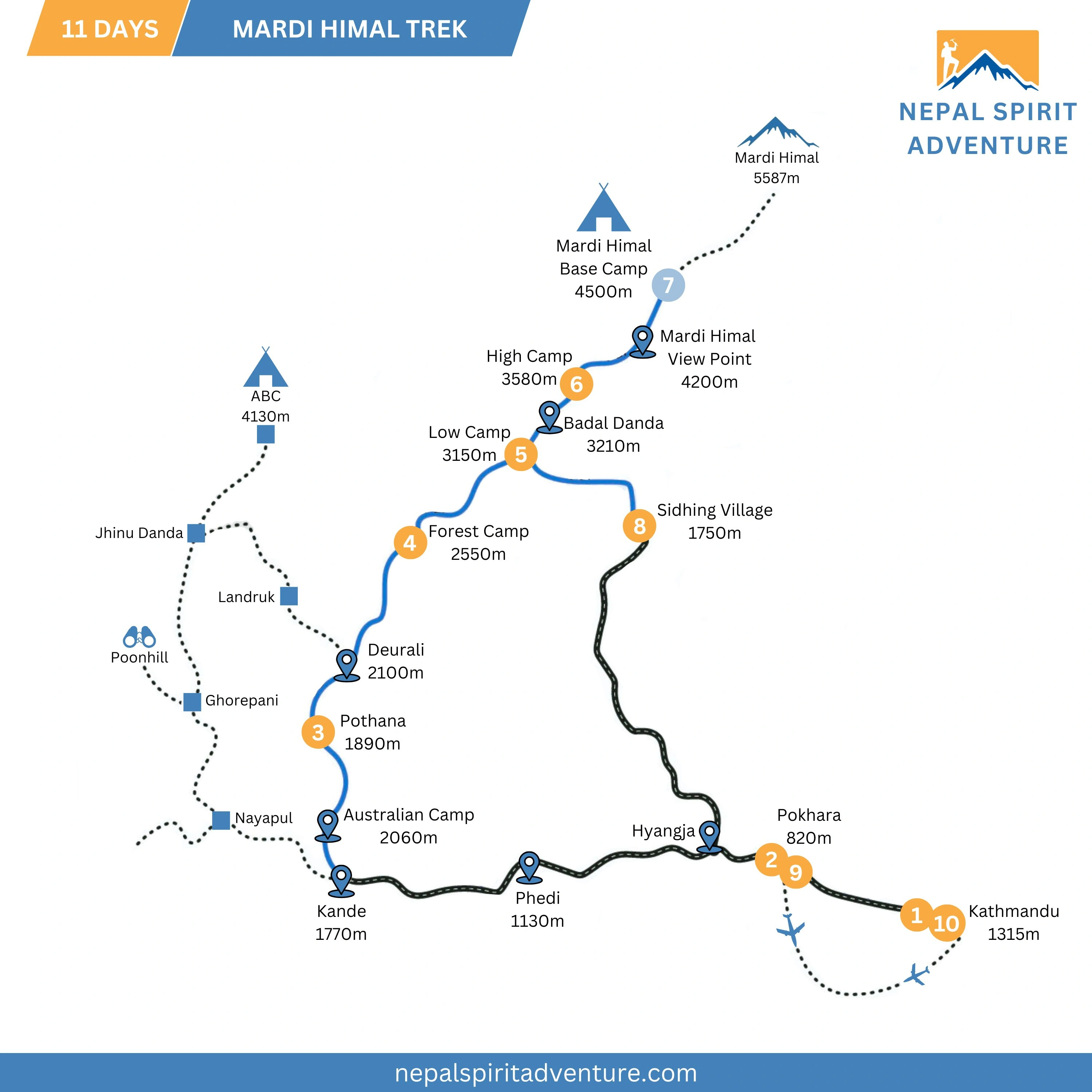
Drive to Phedi, approx. 5-6hrs Trek

Starting this wonderful and exciting Mardi Himal & Machhapuchare Trekking with a short drive on the outskirt of Pokhara to reach at Dhampus Phedi (bottom/base), after getting organized a steep climb on stone steps leading to farm areas of terrace field, offering great views of snow peaks and valley below entering a patch of cool forest with last climb to reach at the ridge top of Pothana village for overnight stop. The Dhampus village offers an amazing view of Annapurna Himalaya with Dhaulagiri and Manaslu range, including majestic Mt. Machhapuchare “Fish Tail” and a small peak of Mardi Himal towards the North West.

Day04

Trek to Forest Camp from Pothana, approx. 6-7hrs

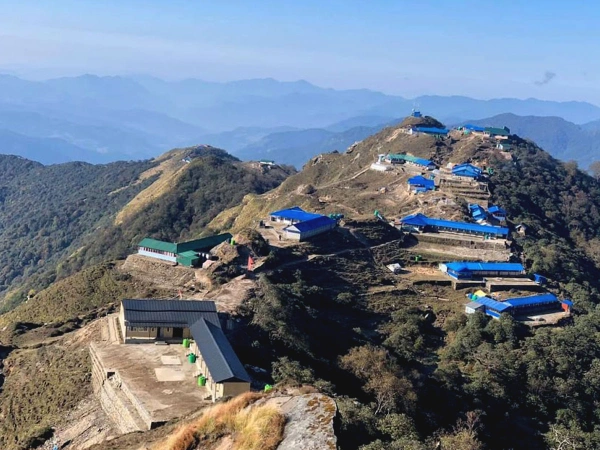
The Pothana village, which is part of the Gurung community, offers some of the best views of the Annapurna Himalayas. After breakfast, the trek begins on the main trail and leads into a forested area towards Deurali, where trekkers can enjoy stunning views of the surrounding landscapes and snow-capped peaks. After taking in the beautiful scenery, we will depart from the main trail and head north along the ridgeline into a tranquil forest, where the temperatures are cooler. Along the way, we will be treated to a panorama featuring Annapurna I and Annapurna South to the west, Huinchuli to the east, as well as Annapurna IV, AnnapurnaII, and Lamjung Himal. We will then arrive at our overnight stop, which is situated in the heart of the forest and contains a few cozy lodges for trekkers.

Day05

Trek to High Camp 6 - 7hrs walk (approx.)

Today is an exciting walk to High Camp, which is one of the scenic walks through natural wilderness. After an early breakfast, we head out onto the trekking trails. We walk under the shades of the Rhododendron forest until we reach Badal Danda, and then the trail continues on the grassy ridges.

The trail gradually ascends throughout the hike to the High Camp. We walk above the line of hills, and the temperature reduces along the path. After walking for almost 6 to 7 hours, we finally reached Mardi High Camp.

Day06

Trek to Upper View Point/Base Camp (4500m), Return to Low Camp 6-7hrs

Today, we wake up early in the morning and walk for a few hours to reach the Upper viewpoint or Mardi Himal Base Camp (4,500 m). The view of the Annapurna Sanctuary can be clearly seen.

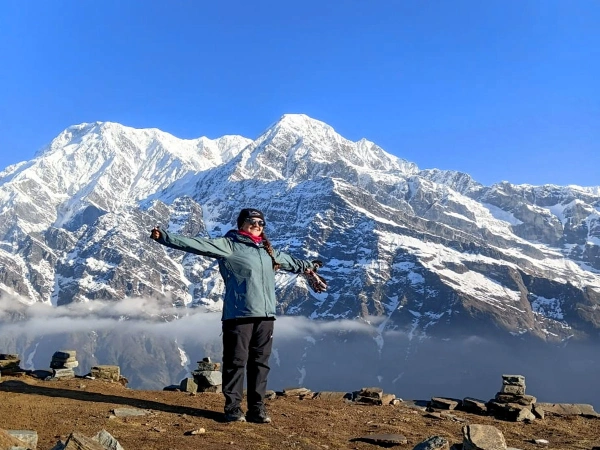
The panoramic views of the south face of Mt. Annapurna, Himchuli, and Machhapuchhre (Mt Fishtail) are truly rewarding. It’s time to experience the accomplishment of our journey to the Mardi Himal base Camp.

After spending a few hours here, we returned to the High Camp for breakfast. After having lunch and resting for some time at High Camp, we walk down for 2 hours and reach Low Camp (3,150 m).

Day07

Trek to Landruk Village approx. 6-7hrs Walking

We start our day with a descent down the trail to Landruk village (1,565 m) via Forest Camp, with the drastic elevation change. After walking for approximately six to seven hours, we will reach Landruk. This traditionally rich Gurung village offers friendly and courteous hospitality.

Day08

Trek to Syauli Bazaar 4hrs & Drive to Pokhara 3hrs

Today is the last day of trekking. We start our day with a leisurely walk down to Kyumi. The walking trail continues towards Syauli Bazaar, where we will take our drive back to Pokhara in a tourist vehicle. Upon reaching Pokhara, we celebrate the successful trek to Mardi Himal.

Day09

Drive to Kathmandu by Tourist Bus 6-7hrs Journey

The bus starts at 7:00 AM for Kathmandu. The journey will be about 7 hours. Upon arrival at Kathmandu, our representative will meet and transfer you back to the hotel. In the evening, we host a farewell dinner in a fine restaurant. (Your guide(s) and an office staff member will accompany you).

Option

You can take a flight to Kathmandu from Pokhara. Approximately, it takes 25-30 minutes, and we will provide you airline ticket at a reasonable cost. This airfare is not included in the Mardi Himal trek package. For the best price, contact us

Day10

Departure

Our 10-day Madi Himal Trek ends today. Our Airport Representative will drop you off at the Kathmandu International Airport for your flight departure from Nepal. Goodbye and have a safe journey.

Still Confuse?
No worries — we’re here to help. Whether you have questions or just need a bit more clarity, feel free to reach out. Our team is ready to guide you every step of the way.

Cost Details

Includes

  • Transfer by private vehicle on arrival and departure
  • Two nights hotel in Kathmandu with breakfast
  • Mardi Himal Trekking route permit
  • Tourist bus service from Kathmandu to Pokhara to Kathmandu
  • Two-night hotel in Pokhara with breakfast
  • Private vehicle: Pokhara to Phedi and back to Pokhara after the end of the trek
  •  Experienced government registered trekking guide and 2 trekkers: 1 porter price including daily wages, medical insurance-transportation allowance- meals, and accommodation
  • Twin-share (room) tea house lodge along the trek
  • Daily 3 times hygienic meals: Breakfast, Lunch and Dinner
  • Quality trek equipment: Sleeping bag, Down jacket, and company duffel bag (return after the trek)
  • Travel and rescue arrangements
  • All the government and local tax paperwork
  • Nepal Spirit Adventure exclusive medical kit

Excludes

  1. Daily your extra trek expenses: Alcoholic or nonalcoholic drinks (Beer, Wksky, Wine, JouicJuiceeral drinking water, cocacCoca-Cola Spirit, Fanta, Tea and Coffee) laundry, battery recharge, extra porters, hot shower
  2. Nepalese visa fee (you can apply online or obtain it after arrival in Nepal)
  3. Travel insurance & Rescue operation
  4. Personal trekking equipment
  5. Tips for guides and porters
  6. Food in Kathmandu and Pokhara
  7. International flight tickets
Select Departure Dates
Mar 2026
Apr 2026
May 2026
Jun 2026
Jul 2026
Aug 2026
Sep 2026
Oct 2026
Nov 2026
Dec 2026
Departure Date
Starts: Mar 14, 2026Ends: Mar 23, 2026
Status
Guaranteed
Confirm
Price
US$666
Departure Date
Starts: Mar 18, 2026Ends: Mar 27, 2026
Status
Guaranteed
Confirm
Price
US$666
Departure Date
Starts: Mar 23, 2026Ends: Apr 01, 2026
Status
Guaranteed
Confirm
Price
US$666
Departure Date
Starts: Mar 27, 2026Ends: Apr 05, 2026
Status
Guaranteed
Confirm
Price
US$666

The departure date for the online-published Mardi Himal trek is guaranteed. However, the online booking system for this tour is currently not working, regardless of your travel plans in Nepal. Please let us know if you would like to schedule another trip, and we will be happy to open a new departure date. Private treks can be organized at any time of the year.

Essential Information

Is Airport Pickup Transportation Inclusive? (Upon arrival in Nepal)

Yes, this service is included in your trek package! Upon your arrival at Kathmandu Tribhuvan International Airport in Nepal, a representative from Nepal Spirit Adventure will greet you according to your flight arrival time, holding a board with your name. You will then be transferred to your hotel in Kathmandu.

In the afternoon or evening, we will hold a meeting to discuss your trip itinerary, including the services that are included and excluded based on your chosen package. This will also be an opportunity for you to meet your guide, who will assist you with the final preparations for your trek. Feel free to ask any questions you may have about the trip during this time.

Are hotels included in Kathmandu & Pokhara?

Both cities, Kathmandu and Pokhara, are included in the trip package. We provide clean, comfortable tourist standard category hotels on a sharing (Room) basis with breakfast. If you are trekking in groups joining a basis, you will share a room with someone of the same gender from your group prefer a single room supplement in Kathmandu and on-route trekking, you can request the single supplement (which will be at an extra cost besides the trip price stated). We can also help you to book at different deluxe star category hotels on request. For more details and information, please feel free to contact us.

A Typical Teahouse (Lodges) Trekking Days:

A typical trekking day means walking from morning to late afternoon. Each morning after packing your bags and then having a good breakfast, we will set off for day walks to our next designated overnight stop. We suggest that you carry a small day pack to put your water bottles, sunscreen cream, hats, raincoat, camera, and warm jumper, just in case the weather changes to cold, while the rest of your belongings that you don’t need for the day go in large duffel/kit bags for porters to carry. The walk will last for 3 to 4 hours in the morning until lunch at midday. We stop for one hour to have lunch and rest before heading to our overnight destination in the comfort of a tea house/lodge in the villages.

At the end of the day, after checking into the lodge, rest (read books, write your diary) or explore the village. After lunch, you will be walking for 2 to 3 hours, normally reaching the overnight stop around 3 to 4 PM. Our guide will provide you with the best accommodation available in Tea houses and lodges. Some days, complete day walks by lunchtime at designated overnight stops, where you will be free after lunch in the afternoon.

After tea and coffee breaks, one can spend time exploring the village or just relax and do some washing the laundry. The dinner will be served around 6 to 7 P.M. in the dining room (Restaurant) inside the tea house/lodge. For dinner, as per the menu or recommended by your guide, must be ordered one hour in advance. After dinner evening will be spent often playing cards or discussing the day’s topic and events, or writing a diary if we are habitual of it before heading off to bed for a good sound sleep.

What Kinds of Accommodation Do You Provided in Mardi Trek?

We provide accommodation in tea houses, which are essentially mountain lodges or homestays. A tea house serves as a combination of a guest house, restaurant, and social hangout. The rooms typically have twin beds and minimal additional furniture, such as small tables or chairs. While blankets are usually provided, we recommend bringing your own sleeping bags for added comfort.

Most bathrooms are shared and feature either squatting (Asian) toilets or Western-style sitting toilets. Most tea houses and lodges are equipped with running water. You can take showers, but please note that this usually incurs an extra charge of approximately $3 to $4 per person for hot water.

What Foods Are Included in the Mardi Himal Trek?

During the Mardi Himal trek, we provide hygienic, full-board meals, which consist of breakfast, lunch, and dinner. The food is sourced from local lodges and tea houses according to the menu selections available.

Breakfast and dinner are served at the same tea house or lodge, while lunch is enjoyed on the trail. Each tea house typically offers the traditional Nepali meal, Dal Bhat, which consists of rice and lentils. Additionally, you can expect a variety of other food options, such as rice, seasonal vegetables, noodles, potatoes, and soups. Many lodges also serve Western dishes like pizza, pasta, and French fries.

Most tea house restaurants offer soft drinks, snacks, and beer. For breakfast, there's usually a selection of cereals, bread, and egg dishes.

What Is the Condition of Safe Drinking Water on Trek?

During the trek, having access to safe drinking water is essential, especially on a high-altitude journey. We recommend drinking at least 3-4 liters of water each day to prevent dehydration and altitude sickness (AMS). Whenever possible, purchase sealed packs of mineral water from local shops and lodges.

Please note: while river, spring, and tap water may appear clean, we do not advise drinking them directly. Using water purification pills or filters is also not sufficient to make this water safe for consumption. Alternatively, you can buy boiled water from lodges. The cost of boiled water and sealed packaged water typically ranges from $1 to $2 per liter, depending on your altitude. Be sure to budget for these additional expenses for all your beverages.

What Level of Health and Fitness is required for the Mardi Himal trek?

Health and physical fitness are essential for travel, particularly when participating in trekking and hiking in the Mardi Himal Trek. If you don't have prior trekking experience, we recommend starting a routine of morning walks or cycling for several weeks or months before your trip. Previous trekking and climbing experience will certainly enhance your experience on the chosen trek.

The Mardi Himal Trek routes involve moderate walks. The highest elevation on this trip reaches 4,500 meters at Mardi Himal Base Camp, above sea level. The trek includes a lot of ups and downs, passing through local villages, farmlands, terraces, and riversides. Participants should expect to walk for 6 to 7 hours a day. While anyone with moderate health and fitness can qualify for the trek, it’s essential to be prepared.

Is Yours Trekking Crews are Experience?

Yes, our trek guide and porter are experienced and are certified for work. Nepal is a mountainous country. A walking tour takes you to a remote region, you must be accompanied by an experienced and qualified guide and leaders for a safe journey, and to make the trip a success. We at Nepal Spirit Adventure employ native trekking guides and porters who are trained and qualified for this type of trip and have worked with us for a long time.

Our experienced guide provides you with much local information and offers you advice on how to use your free time and coordinate day-to-day events of the tour, although (sometimes) he might need you to understand that if things do not go according to our plan. Our trek guides are fully trained and licensed by the Nepal Government, and certified by TAAN and the Nepal Mountaineering Association.

All our trekking and climbing guides are well qualified and highly experienced, with 9- 10 years in this job. We provide training for our staff yearly on medical and climbing, with their efficiency, cheerful attitude, providing help, information, and catering to the needs of guests of various nationalities.

Assuring that all our trips are well managed by the expert team of tourism professionals, all our guides have a good knowledge regarding the culture and customs of the routes on trekking and tours, share experience and cultural insights of the country that are missed out in travel guide books. During your time with us, you will have time to learn Nepali phrases and other cultural aspects during the journey. As we organize varied treks in the Nepal Himalaya, on group trekking we provide a trek leader with an assistant leader on each trekking depending upon the size of the group.

This ensures safe travel with us as our guide/assistance guides get any health medical problem, we still have other main guides and leaders to run the trip smoothly as per our standard itinerary. To make the trip enjoyable, we provide one guide to support and carry your bags among two people with one Sherpa helper in certain conditions.

What is the limit for porter carrying?

Our porters are fully equipped with warm gear and are insured for every trip by the company. We prioritize both the welfare of our staff and the safety of our clients.

We work closely with the Porters Association International Act. Each porter is allowed to carry a maximum load of 20 to 30 kg, and we ensure that your trekking duffel bag does not exceed this weight limit.

Is Travel and Trekking Insurance Necessary for Mardi trek Nepal?

Trekking and Travel insurance is a must, and necessary that you are insured when booking trips with Nepal Spirit Adventure. Insurance protections should cover Travel / Medical sufficiently, as well as emergency and immediate rescue evacuation by any means of transportation, including helicopters on medical grounds. As well as covering against loss or theft of your belongings and valuables, please make sure the insurance covers all the activities that you will be undertaking during your stay in Nepal, such as Trekking and Climbing including other trips and adventure sports.

Can We Recharge Batteries on the Trek (Electronic Items)?

Yes, we can recharge your batteries and devices using electricity or solar power sources. In Nepal, the power supply is 220-240 volts at 50 Hz (cycles per second). Make sure to bring a plug adaptor to fit the sockets, as the plugs in Nepal may differ from what you are used to. You can purchase a plug adaptor in Kathmandu before your trip. Please note that there may be a small fee per hour for using the recharging facilities.

Risk Liabilities During the Mardi Himal Trek?

We are dedicated to providing high-quality services and ensuring an enjoyable and unforgettable holiday so you can experience a “once-in-a-lifetime journey” with us. We approach our responsibilities with honesty and seriousness to make your trip smooth and pleasant. The entire program is conducted in strict compliance with the rules and regulations set by the Government of Nepal.

Nepal Spirit Adventure Pvt. Ltd will not be held responsible for any changes to the itinerary due to unavoidable circumstances, which may include government restrictions, landslides, road blockages, floods, other natural disasters, political unrest, flight cancellations, delays, illnesses, or accidents. In case of any extra costs incurred due to these situations, clients will be required to cover those expenses on the spot.

What Happens with High Altitude Sickness?

Altitude sickness, commonly referred to as acute mountain sickness (A.M.S.), typically occurs when people ascend too quickly, generally at altitudes above 3,000 meters. Most individuals experience some effects of high altitude, such as shortness of breath and mild light-headedness, which are relatively common. However, acute mountain sickness is more serious and usually involves symptoms such as severe headaches, nausea, and decreased awareness.

In almost every case, there are warning signs that indicate a need for action. If you start experiencing symptoms of altitude sickness, it's important to inform your trekking guide. They will provide guidance on how to address your condition.

Overexertion and dehydration are significant contributors to altitude sickness, so it's essential to stay hydrated. Aim to drink at least 3-4 liters of water each day, in addition to avoiding excessive tea and coffee, as these beverages can act as diuretics.

What Is Your Group Size for the Mardi Himal Trekking?

We organize the Mardi Himal Trekking route of Nepal trek with fixed departure basis or private trip, the minimum group size would be 1, the maximum group size is 10 or more on request. We can also organize a private trip for a solo person with a single supplement cost. Otherwise, join our estimated group departure dates available online market or ask us for your suitable flexible dates, and we will open group dates on the same date.

When is the Best Time to Visit the Mardi Himal Trek?

Nepal offers two optimal seasons for trekking in Mardi Himal. Since this trek is not particularly challenging, it's important to book your trip for the right time of year, if possible. Trekking in Nepal can be done at any time, depending on the chosen area. You can explore the trails in all four seasons: Spring, Summer, Autumn (Fall), and Winter, but the most popular trekking seasons are Spring and Autumn.

Here is some advice on the highlights of each season:

Autumn (September - November):

Autumn is one of the best times for trekking in the Himalayan region, offering excellent weather and breathtaking mountain views. The skies are generally clear, allowing for spectacular panoramas. This season is the peak time for trekking in the Nepal Himalaya. You will also have the opportunity to experience several Hindu festivals during this time, including the 15-day Dashain, the largest festival for Nepalese people, which celebrates the victory of good over evil, followed closely by the 5-day Tihar (also known as Dipawali or the Festival of Lights).

Winter (December-January- February):

In winter snowfall times at higher elevations, the snowline descends considerably, and the weather is cold. So it is an ideal time for trekking at lower elevations below 3,000m in the foothills of Nepal with great views of the Himalayas. It can get cold at night and in the mornings, but during the day temperatures are mild when it is sunny.

Spring (March-April- May):

Spring is one of the best seasons for trekking in the Nepal Himalayas. Many visitors travel to Nepal in the spring as trekking is fine in all the Himalayan regions. The meadows and forest will be in full bloom with riots of colors of wildflowers, especially rhododendrons, the national flowers of Nepal, which come in great varieties from bush to tall trees. The weather is warmer at lower elevations, and the higher elevations over 4,000m have visibility, and the temperature is quite moderate.

Summer (June-July- August):

During the summer, trek is warm and sweaty in the wet summer months, and also constitutes the monsoon season, which can continue up to mid-September. Summer is a good time for keen botanists and forest researchers as the higher valleys and meadows blossom with flowers and lush vegetation. It is not generally recommended to trek during the summer season except in the arid rain shadow areas like Upper Mustang, Dolpo, and Kailash.

Nepal Himalaya will be in the grip of the wet monsoon season starting from mid-June to early September. Although mornings are often clear for a few hours for the views of sunrise and mountains, it can rain heavily almost every day, and cloud hangs around mid-morning, with frequent rain and occasional thunderstorms in the afternoon and evening. The advantages of trekking in the summer months include trekking along with a few crowds of trekkers and on the quiet trail.

ESSENTIAL GEAR AND PACKING LIST:

  • Clothing: Layered clothing for various weather conditions. Bring waterproof jackets, warm clothes, gloves, and a hat, especially if trekking in spring or autumn.
  • Footwear: Trekking boots with ankle support and a pair of sandals or light shoes for camp.
  • Water: A water bottle and purification tablets or a water filter to stay hydrated.
  • Other Items: A headlamp, sunscreen, toiletries, camera, power bank, first-aid kit, and trekking poles

ADDITIONAL TIPS:

  • Altitude Sickness: While Mardi Himal is not as high as some of the major Annapurna treks, altitude sickness can still be a concern. Acclimatize properly, take it slow, and stay hydrated.
  • Physical Fitness: While it’s a moderate trek, it’s important to be in good physical condition. Prepare with some cardio workouts and hikes before you go.
  • Local Culture: Respect local customs and traditions. In some villages, it’s considered impolite to photograph people without permission.
Equipments

Equipment Packing List for the Mardi Himal Trek

We have recommended a packing list for your Mardi Himal Trek to help you prepare. Please use this as a starting point for your gear. Remember that during the winter months, you will need to dress in layers to stay warm. We will provide you with an 80-liter duffel bag for the trek, which you will receive during your pre-trip meeting in Kathmandu. Additionally, you have the option to rent a sleeping bag and a down jacket from us for an extra fee of USD 30 for both items once you arrive in Kathmandu.

Upper Body

  1. Sun hat or cap (We'll provide a warm hat)
  2. Knitted hat/Beanie
  3. Scarf or neck gaiter
  4. Headlamp
  5. Sunglasses

Chest 

  1. Technical fabric base layer (light for warmer months, heavy for colder months)
  2. Technical fabric short (2) and long sleeve (2) shirts
  3. Waterproof, windproof shell
  4. Fleece jacket or pullover

Lower Body

  1. Technical fabric base layer (light for warmer months, heavy for colder months)
  2. Hiking pants (2)
  3. Comfortable pants for inside the teahouses
  4. Waterproof/windproof outer shell pants
  5. Hiking shorts

Hands

  1. Wool or technical fabric liner gloves
  2. Hard-shell outer gloves (insulated for colder months)

Feet

  1. Wool or technical fabric warm socks
  2. Hiking socks
  3. Liner socks (optional, such as silk)
  4. Trekking/hiking boots (waterproof recommended)
  5. Ice Cleats /Micro Spikes (For trekking from November to March, it's recommended to include Ice Cleats/ Micro Spikes to prevent slipping on icy or wet surfaces.)
  6. Gaiters (lightweight for dust or heavy for snow in colder months)
  7. Casual shoes

Undergarments

  1. Technical fabric/quick drying is best for underwear (opportunities to launder during the trip)
  2. Sports bras (women)
  3. Pajamas or sleeping clothes

Note: The quantity of each article of clothing can be adjusted to suit the preferences of each participant.

First Aid Kits and Medications

  1. Sunscreen
  2. Lip balm
  3. Ointment

Note: Our trek guides carry general medications and first aid kits during the trip. However, personal kits and medications are highly recommended.

Other Essentials

  1. Passport
  2. Extra copies of passport-sized photos
  3. Reusable water bottle
  4. Toiletry kits
  5. Water purification tablets or a UV water purifier (if you plan to treat water)
  6. Hydration bladder
  7. Towel
  8. Pillowcase
  9. Toilet paper (2 rolls)
  10. High protein snacks (such as protein bars or nuts)
  11. Waterproof/dry bags for carrying important documents and money
  12. Earplugs
  13. Trekking poles/ walking stick

Optional

Once in Nepal, if you have the time, you can purchase supplies and gear for hiking. Thamel, Kathmandu’s tourist hub, is home to many shops where you can get a variety of reasonably priced trekking equipment.

  1. Power bank or extra batteries
  2. Cameras and mobile phone
  3. Cards/book
  4. Pee bottle/ pee funnel for women
  5. Whistle
  6. Thermos for hot water

Mardi Himal Trek - 10 Day FAQs

The cost of the Mardi Himal trek varies based on your itinerary. Our 10-day Mardi Himal trek starts at USD 666 per person, based on a minimum group size of two people. If you’re joining a group tour, the price may be lower, so feel free to message us for more details.

Our package includes private tourist vehicle transportation for international arrivals and departures. Additionally, travel from Kathmandu to Pokhara and back to Kathmandu is provided by a deluxe tourist bus. Private vehicle and air transport options are also available to suit your requirements.

Yes, accommodations in Kathmandu and Pokhara are included in our Mardi Himal trek itinerary. We ensure that the hotels are clean, comfortable, and conveniently located.

During the Mardi Himal trek, you will stay in standard and local teahouses. Each room is equipped with basic furnishings, including single, double, triple, or twin beds. Rooms come with mattresses, bed covers, and basic amenities. Shared bathrooms and toilets are available. Please remember to bring your own toilet paper, shampoo, soap, and towel. There is an additional fee for Wi-Fi access.

The experienced team at Nepal Spirit Adventure has successfully guided numerous women on solo treks. When you join us for the Mardi Base Camp trek, you will feel completely safe and secure. We guarantee that your experience will be one you remember for a lifetime.

If you feel unwell or experience high-altitude sickness, your trek leader or guide will assist you in descending to a lower altitude. In the case of a serious illness or injury, we can arrange for emergency helicopter evacuation. Our guides are trained to respond quickly to any situation in the mountains. Make sure to have travel insurance that covers high-altitude trekking and emergency evacuation services.

The cost for a Nepal tourist visa is USD 30 for a 15-day visa and USD 50 for a 30-day visa. If you plan to travel to Tibet or Bhutan, be sure to apply for a double-entry visa at the same rates.

The ideal time to undertake the Mardi Himal Trek is during the spring (March to May) and autumn (September to November) seasons. These months offer favorable trekking conditions, clear skies, and pleasant weather. However, the trek can be done year-round, except during the monsoon season (June to August), when the trail may be muddy and susceptible to landslides.

Yes, you will need a trek permit known as the Annapurna Conservation Area Permit. These permits can be obtained in Kathmandu or Pokhara.

The cost of the permit is INR 3000 (three thousand Nepalese rupees), which is approximately 22 dollars per trekker.

The highest point on the Mardi Himal Trek is the Mardi Himal Base Camp, which stands at an elevation of 4,500 meters (14,764 feet).

Here are some essentials to pack for the Mardi Himal Trek: trekking shoes, a high-quality backpack, a sleeping bag, a hat, a water bottle, warm clothing, a first aid kit, and sunscreen, based on your skin type.

Handpicked for You

Annapurna Circuit Trek-15 Days
Duration: 15 Days
5.0(26 Reviews)
Price From
US$1250
Best Selling
Annapurna Panorama Trek
Duration: 8 Days
5.0(12 Reviews)
Price From
US$760
10 Day Annapurna Base Camp Trek
Duration: 10 Days
5.0(3 Reviews)
Price From
US$890
Need Help? Call Us+977 9851072590