Mardi Himal Trek from Pokhara – Useful Information
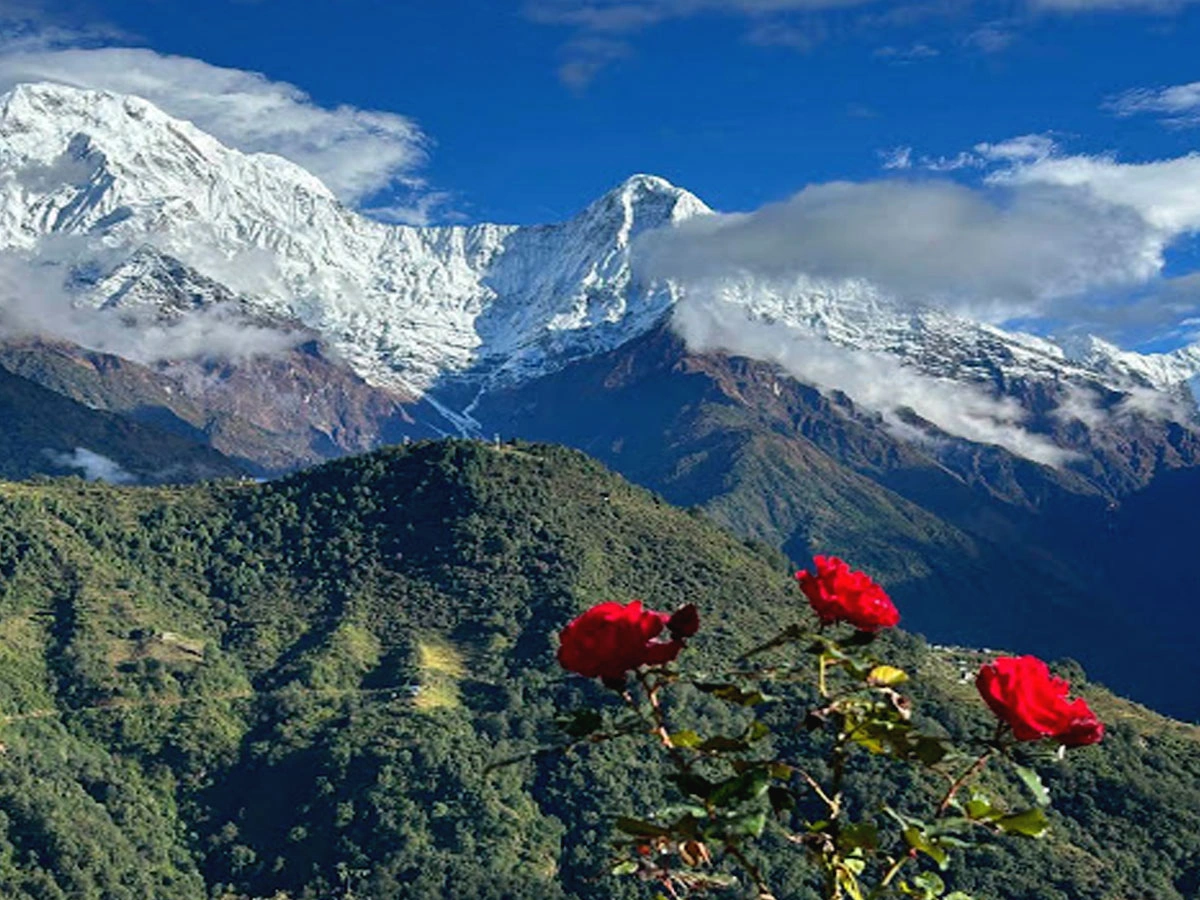
The Mardi Himal Trek from Pokhara is a wonderful short trekking adventure in Nepal's Annapurna region. Before starting your journey, it is helpful to understand the trekking route, duration, difficulty, permits, accommodation, weather, and essential preparations.
Mardi Himal Trek Duration
The trek usually takes 5–7 days from Pokhara, depending on your walking pace, itinerary, and chosen route. You can customize the trek according to your available time and fitness level.
Mardi Himal Trek Difficulty
Mardi Himal is considered a moderate trek. It involves uphill and downhill walking, steep sections, and gradual altitude gain. Previous trekking experience is helpful but not compulsory. Good physical fitness and preparation are recommended.
Maximum Altitude
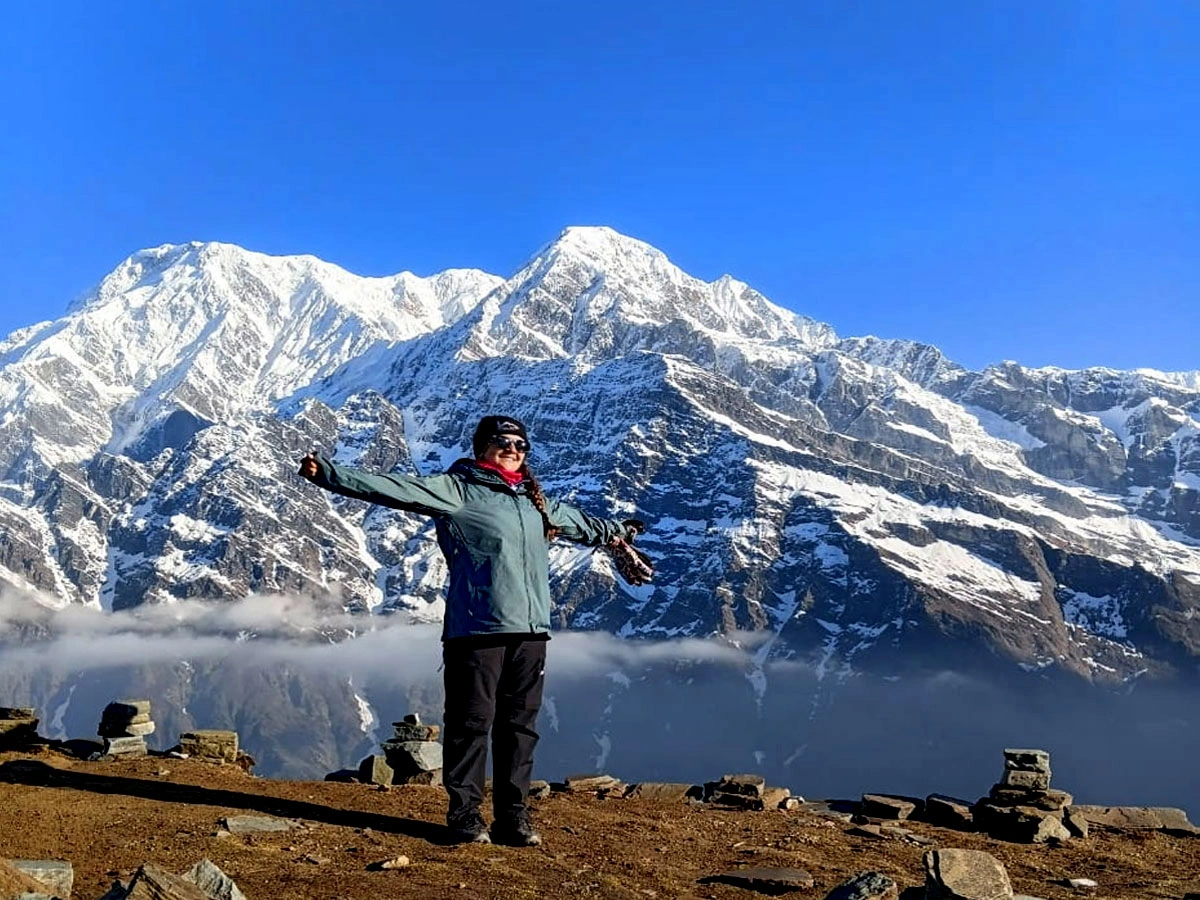
The Mardi Himal Viewpoint is approximately 4,500 meters above sea level. Mardi Himal Base Camp is higher, at approximately 4,500–4,600 meters, depending on the route and location visited.
Trekking Permits
Trekkers generally need the Annapurna Conservation Area Permit (ACAP). Permit requirements and applicable regulations should be checked before departure.
Accommodation and Meals
During the trek, you will stay in local teahouses and mountain lodges. Basic accommodation is available along the route. Meals generally include traditional Nepali dal bhat, noodles, soups, rice, pasta, eggs, and other simple dishes.
Transportation from Pokhara
The journey starts with a drive from Pokhara to Kande or another designated trailhead, depending on your itinerary. At the end of the trek, you return to Pokhara by road from the selected exit point.
Weather and Temperature
Mountain weather can change quickly. Spring and autumn generally offer comfortable trekking conditions, while winter can bring cold temperatures and snow at higher elevations. Monsoon season may bring rain, slippery trails, and cloudy mountain views.
Physical Fitness and Preparation
Regular walking, hiking, stair climbing, and cardiovascular exercise before the trek can help improve your fitness. Walk at a comfortable pace and allow enough time for acclimatization.
Best Time for Mardi Himal Trek
The best seasons for the Mardi Himal Trek are spring (March to May) and autumn (September to November). During these seasons, the weather is generally favorable, the skies are clearer, and mountain views are spectacular.
Recommended Packing List
Essential trekking equipment includes:
- Comfortable trekking boots
- Warm jackets and thermal clothing
- Waterproof jacket and trousers
- Backpack and rain cover
- Sleeping bag
- Water bottle and water purification tablets
- Sunglasses, sunscreen, and sun hat
- Trekking poles
- Personal toiletries and basic first-aid supplies
- Headlamp and extra batteries
Travel Insurance
Choose travel insurance that covers high-altitude trekking up to your planned maximum elevation, including emergency helicopter evacuation and medical expenses.
Mardi Trekking Guide
Taking an experienced local trekking guide can make your Mardi Himal journey more comfortable and informative. A guide can assist with navigation, accommodation arrangements, local culture, and trekking safety.
Important tip: Always check current permit requirements, trail conditions, weather forecasts, and local trekking regulations before departure. Altitude sickness can affect anyone, regardless of fitness level. Allow time to ascend gradually and descend if symptoms worsen.