Nestled in the heart of the Annapurna region of Nepal lies a place that has captured the imagination of adventurers for centuries. Thorong La Pass, standing tall at a breathtaking altitude of 5,416 meters (17,769 feet), is a geographical marvel that beckons trekkers from around the globe. This high mountain pass is not just a destination; it's an experience that challenges the human spirit and rewards it with awe-inspiring natural beauty.
The allure of Thorong La Pass goes beyond its elevation. It's about conquering the highest point on the renowned Annapurna Circuit, a trekking route that encircles the Annapurna Massif and offers a glimpse into the heart of the Himalayas. But Thorong La is more than just a trekking challenge; it's a gateway to a world of adventure, culture, and self-discovery.
In this article, we will embark on a virtual journey to explore Thorong La Pass comprehensively as we prepare to traverse the highest point of the Annapurna Circuit Trek.
Thorong La: Location and Elevation
Thorong La Pass, often simply referred to as Thorong La, is located in the Annapurna Conservation Area of Nepal, one of the world's most spectacular and diverse trekking destinations. Situated in the central part of the country, Thorong La stands as the crowning jewel of the Annapurna Circuit, a trekking route that circumnavigates the Annapurna Massif.
The pass itself boasts an awe-inspiring elevation of 5,416 meters (17,769 feet) above sea level. To put this into perspective, Thorong La Pass is higher than the highest peaks in North America and most of Europe. This makes it a prime attraction for trekkers seeking a challenging high-altitude adventure.
The sheer altitude of Thorong La Pass presents a unique set of challenges and rewards. The thin air at this elevation can leave even the fittest trekkers breathless, making every step a test of endurance and determination. However, the panoramic views from the pass, surrounded by towering peaks and vast valleys, offer an unmatched sense of achievement and awe.
Significance of Thorong La in the Annapurna Circuit Trek
Thorong La Pass isn't just a random high-altitude point on a map; it is the pinnacle of the Annapurna Circuit trek, both literally and figuratively. The Annapurna Circuit is a roughly 230-kilometer (143-mile) trekking route that encircles the Annapurna Massif, offering a diverse range of landscapes, climates, and cultural experiences.
What makes Thorong La Pass truly remarkable is its role as the ultimate destination and challenge of the Annapurna Circuit. Trekkers spend days navigating through lush forests, charming villages, and alpine meadows, all leading up to this pivotal moment. Reaching the summit of Thorong La is often considered the highlight of the entire trek, a test of physical and mental resilience, and a source of immense pride.
Beyond its geographical significance, Thorong La Pass also acts as a bridge between cultures. It connects the Manang district to the Mustang district, two culturally distinct regions of Nepal. This pass has been a vital trade route for centuries, facilitating the exchange of goods, ideas, and traditions. Even today, trekkers can witness this cultural tapestry, making the journey not only a physical challenge but also an opportunity for cultural immersion.
Thorong La Pass Route and Trek Overview
The Annapurna Circuit, a trekking route renowned for its diversity, is the pathway that leads you to Thorong La Pass. Stretching over approximately 230 kilometers (143 miles), this circuit promises an ever-changing landscape that will leave you in awe. Your journey to Thorong La Pass begins in the vibrant heart of Nepal, Kathmandu. This bustling capital city serves as the starting point for your adventure into the Himalayas.
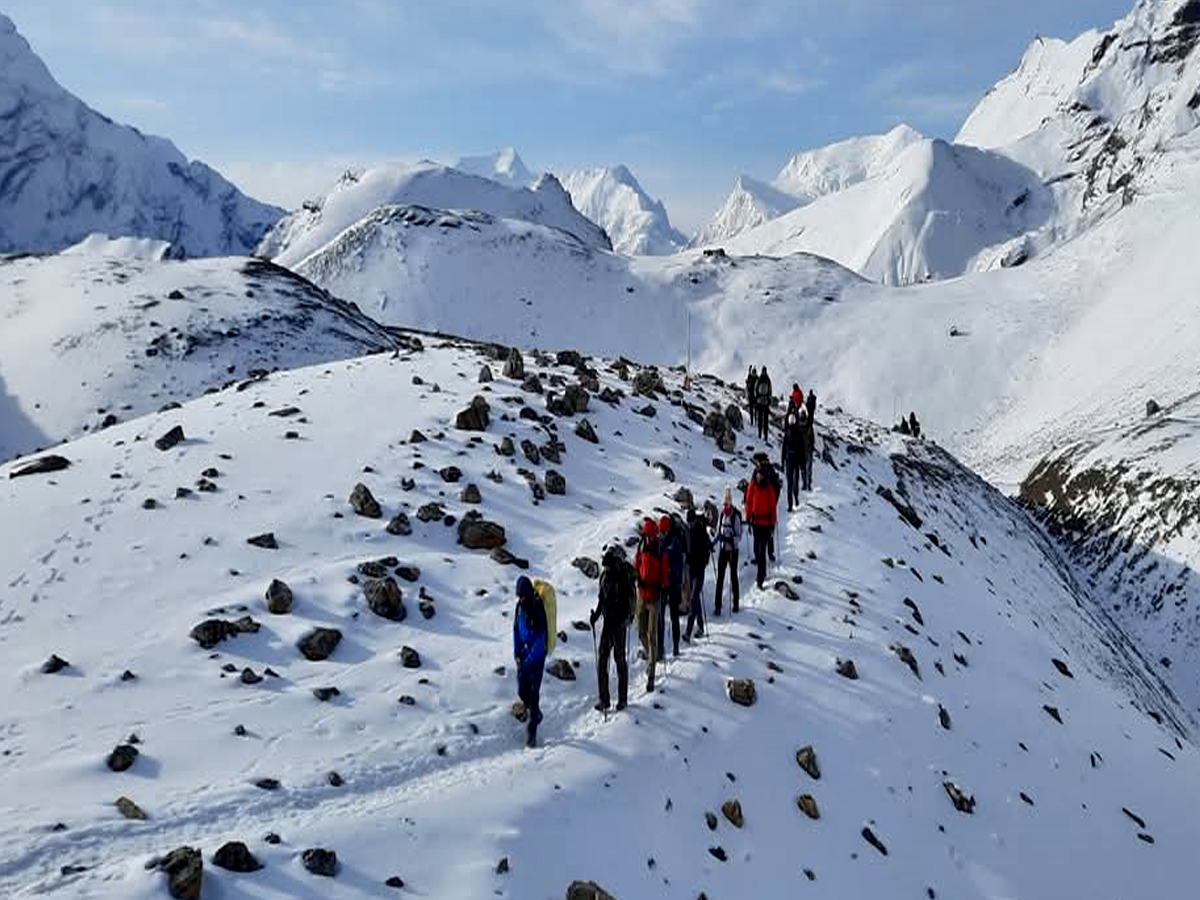
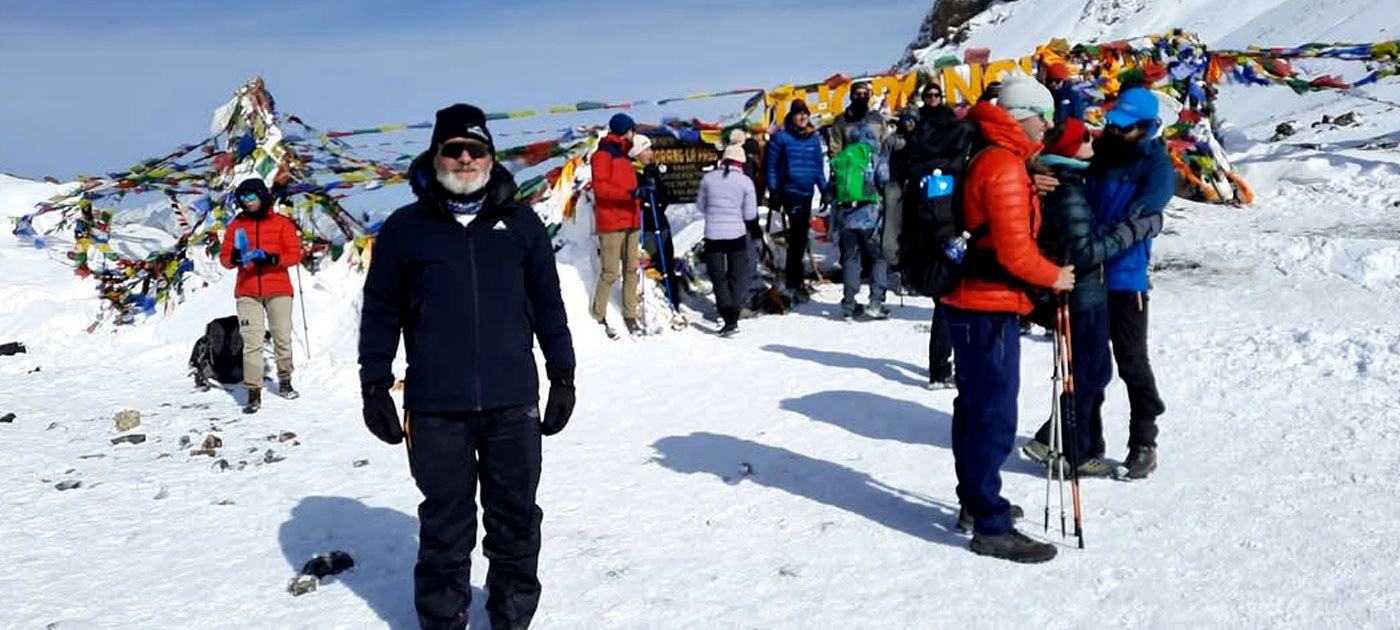
Trekkers crossing Thorong La Pass at 5,416 meters on the Annapurna Circuit in Nepal.
The journey kicks off in the subtropical lowlands, where lush forests, terraced fields, and welcoming villages await. As you ascend, the scenery transforms into alpine meadows and rhododendron forests, painting the landscape with vibrant hues during the spring season.
However, the real challenge lies ahead as you approach Thorong La Pass, where the terrain becomes more rugged, and the effects of altitude become palpable. This is where your physical and mental preparation will be put to the test. The anticipation of reaching the pass, with its sweeping vistas of surrounding peaks, will fuel your determination.
Along the way, you'll engage with the diverse cultures of the region, encountering Gurung, Thakali, and Manangi communities. You'll savor local cuisine, witness traditional dances, and stay in teahouses that offer a glimpse into the daily life of the Himalayan people.
Your journey from Kathmandu through the Annapurna Circuit will lead you ever closer to the ultimate goal: Thorong La Pass.
Thorong La Pass: Challenges and Risks
The Thorong La Pass trek is not without its challenges and risks. The high altitude poses a significant challenge, as altitude sickness can affect even the most seasoned trekkers. It's crucial to be aware of the symptoms and take necessary precautions to prevent this potentially dangerous condition.
Weather in the Himalayas is unpredictable, and conditions can change rapidly. Snowstorms and blizzards are not uncommon, even during the trekking season. The rugged terrain and narrow paths can be treacherous in adverse weather, making it essential to be prepared and have a flexible itinerary to allow for delays.
The remoteness of the region also means that medical facilities are limited, and evacuation in case of emergencies can be challenging. It's vital to have a comprehensive first-aid kit and travel insurance that covers high-altitude trekking.
Despite the challenges and risks, the thrill of reaching the summit of Thorong La Pass is an experience that will stay with you forever. Standing at an elevation of 5,416 meters (17,769 feet), you'll be surrounded by a panorama of some of the world's highest peaks. The vastness of the Himalayas unfolds before you, with the Annapurna Massif, Dhaulagiri, and other towering giants dominating the skyline.
The sense of accomplishment, the stunning vistas, and the sheer magnitude of the moment make reaching the summit an unforgettable experience. It's a testament to your determination, endurance, and spirit of adventure. As you stand there, you'll realize that you've not only conquered a physical challenge but also become a part of the Himalayan landscape, a witness to its grandeur.
Best Time to Attempt the Thorong La Pass

"A journey to cross the highest trekking pass in Nepal, Thorong La Pass, Annapurna region"
Timing is crucial when attempting Thorong La Pass. The best time to undertake this epic journey is during the two primary trekking seasons in Nepal: the pre-monsoon (spring) season and the post-monsoon (autumn) season.
Spring (March to May): This is often considered the prime time for trekking in the region. During spring, the weather is relatively stable, the days are longer, and the temperatures are moderate. The rhododendron forests burst into bloom, adding vibrant colors to your trek. The clear skies provide excellent visibility for admiring the mountain vistas.
Autumn (September to November): Autumn is another fantastic window of opportunity for trekkers. The monsoon rains have washed the skies clean, and the air is crisp and clear. The weather is stable, with little chance of rain or snow. The breathtaking scenery of this season, with golden terraced fields and deep blue skies, is a photographer's dream.
Weather Fluctuations at High Altitudes
Altitude-Dependent Climate: As you ascend the heights towards Thorong La Pass, the climate becomes increasingly harsh and unpredictable. Even during the recommended trekking seasons, the weather at high altitudes can be fickle.
Temperature Extremes: At such elevations, temperatures can vary dramatically. During the daytime, when the sun is out, it can feel deceptively warm. However, as soon as the sun sets, temperatures plummet, often well below freezing. Layered clothing is essential to adapt to these temperature fluctuations.
Snow and Storms: Snowfall and storms can occur at any time of the year in the Himalayas. Be prepared for sudden weather changes, especially as you approach Thorong La Pass. Snow and ice on the trail can make trekking more challenging and increase the risk of slips and falls.
Preparing for Unpredictable Conditions
Proper Gear: To combat the unpredictable weather, having the right gear is crucial. High-quality, insulated clothing, including a warm down jacket, gloves, and a hat, is essential. Ensure your trekking boots have good traction for slippery trails. Carrying a waterproof jacket and pants is advisable, as is a sturdy backpack cover to protect your gear from rain and snow.
Flexible Itinerary: Be prepared for the possibility of delays due to weather conditions. It's wise to build some buffer days into your itinerary to account for unexpected interruptions in your trek. Flexibility is key to ensuring your safety and enjoyment on the trail.
Local Knowledge: Listen to the advice of local guides and teahouse owners who are well-versed in the region's weather patterns. They can provide valuable insights and updates on the current conditions, helping you make informed decisions about when to attempt the pass.
Views and Scenery
The Thorong La Pass trek is a gateway to some of the most breathtaking panoramic vistas in the world. As you ascend through the Himalayas, you'll be treated to a mesmerizing display of nature's grandeur. Towering peaks, including Annapurna I and Dhaulagiri I, dominate the landscape, their majesty heightened by the play of light and shadow during sunrise and sunset. The view from Thorong La Pass itself, standing at 5,416 meters (17,769 feet), offers a 360-degree spectacle of surrounding peaks and valleys, an experience that transcends words and leaves an indelible mark on the soul.
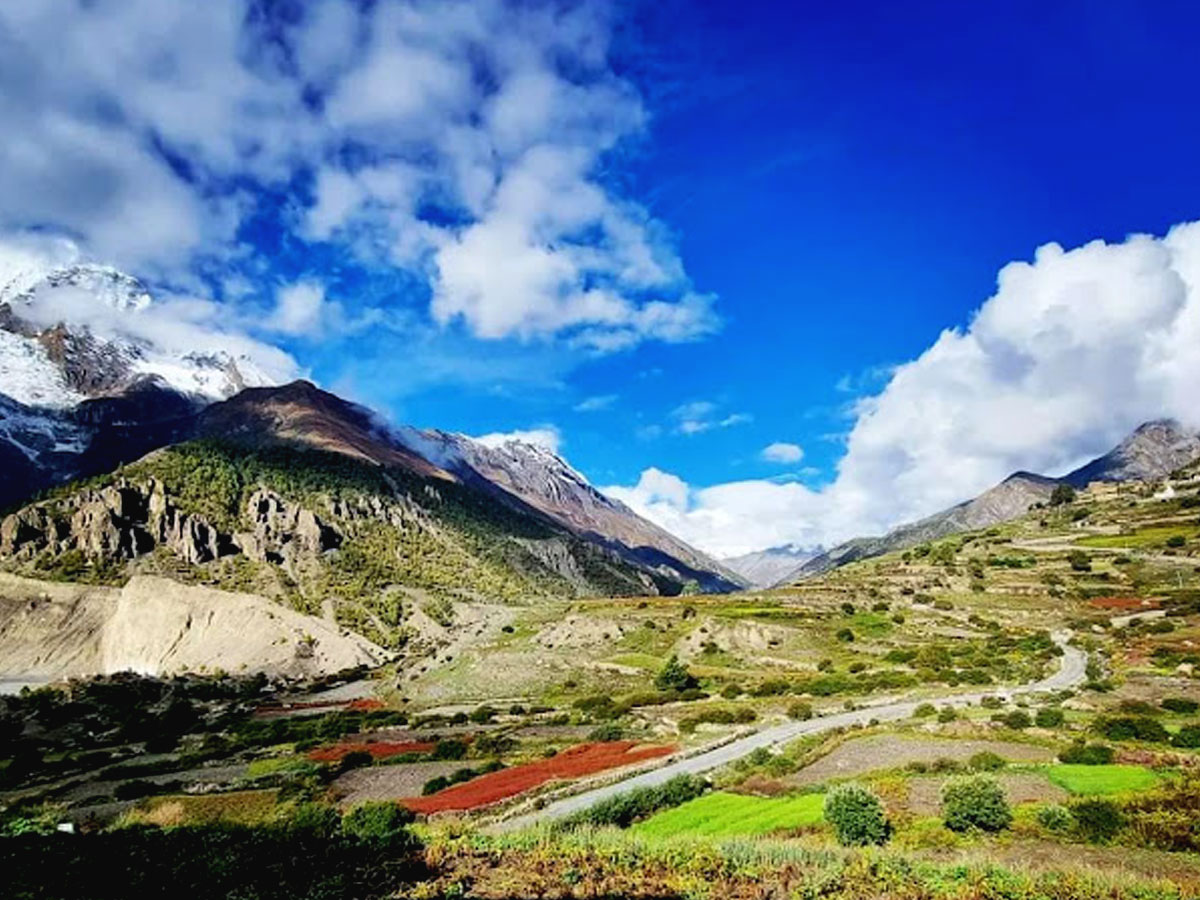
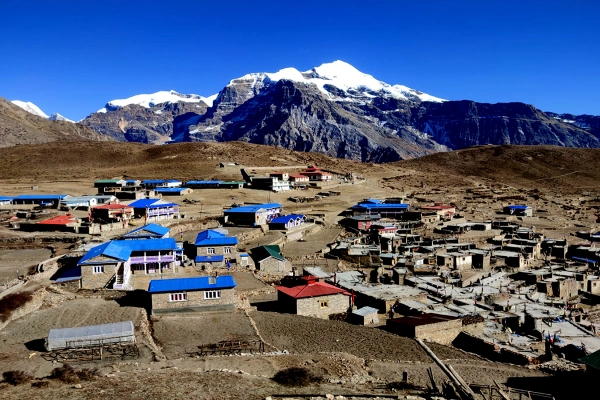
Trekking on the Annapurna Circuit through the beautiful Manang Valley
The trek through the Annapurna region is a journey through diverse ecosystems, each adorned with its unique flora and fauna. Starting in the subtropical lowlands, you'll find yourself amidst lush forests of rhododendron, oak, and pine trees. During the spring season, the rhododendron blooms burst forth in a riot of colors, creating a magical atmosphere. Birdwatchers will be enthralled by the opportunity to spot various avian species, including the Danphe, Nepal's national bird. Yaks, adapted to high-altitude living, are common companions along the trail, their shaggy appearance adding to the trek's charm.
The Thorong La Pass trek is replete with natural wonders that will leave you in awe. Traverse the Kali Gandaki Gorge, one of the world's deepest river canyons, where you'll be surrounded by towering cliffs and dramatic landscapes, with the wind creating an eerie, mystical ambiance. After your trekking challenges, indulge in the rejuvenating experience of natural hot springs, such as those in Tatopani, offering respite amidst the stunning scenery.
Local Guide and Trekking Permits for Thorong La Pass
Crossing Thorong La Pass (5,416m) on the Annapurna Circuit Trek requires careful planning, proper acclimatization, and an understanding of Nepal’s trekking regulations. Hiring a local trekking guide can make your journey safer, more comfortable, and culturally rewarding, while obtaining the required permits helps ensure a smooth trekking experience.
Local Trekking Guide
An experienced trekking guide is very important for the Thorong La Pass Annapurna Circuit and is highly recommended, especially when crossing high-altitude terrain around Thorong La Pass. An experienced guide can help you plan acclimatization days, choose suitable accommodation, navigate mountain trails, understand local culture, and respond to changing weather conditions.
A local guide can also assist with arranging transportation, communicating with teahouse owners, and recognizing symptoms of altitude sickness. For added support, you may choose to hire a porter to carry your main luggage while you trek with a light daypack.
Required Trekking Permits
For the standard Annapurna Circuit Trek, trekkers generally need the following documents:
Annapurna Conservation Area Permit (ACAP): This permit is required to enter the Annapurna Conservation Area, including the main Annapurna Circuit route.
- Foreign nationals: NPR 3,000 per person
- SAARC nationals: NPR 1,000 per person
Where Can You Obtain the Permits?
You can arrange the ACAP permit online or through an authorized permit counter. Your trekking agency can help arrange the TIMS card, guide, and necessary paperwork before you start the trek. Carry your permits throughout the journey and show them at checkpoints when requested.
Important: Permit fees and regulations may change. Confirm the latest requirements before departure, particularly if your itinerary includes restricted areas such as Nar Phu or Upper Mustang.
Food and Accommodation on the Thorong La Pass Trek
Food and accommodation along the Annapurna Circuit Trek are widely available in local teahouses and mountain lodges. From the green valleys around lower Manang to the high-altitude settlements near Thorong Phedi and Thorong High Camp, trekkers can enjoy simple meals, warm hospitality, and comfortable places to rest before crossing Thorong La Pass at 5,416 meters.
Food on the Annapurna Circuit Trek
Most teahouses offer a variety of Nepali and international dishes to keep trekkers energized throughout the journey. Dal bhat, a traditional Nepali meal consisting of rice, lentil soup, vegetables, and sometimes curry, is a popular choice because it provides energy for long trekking days.
Other common food options include noodles, fried rice, pasta, soups, potatoes, eggs, pancakes, porridge, bread, and momos. Tea, coffee, hot lemon, and other warm drinks are also available at many lodges.
As you ascend toward Thorong Phedi and High Camp, food choices may become more limited, and prices generally increase because supplies must be transported to remote mountain locations. Eating regular, carbohydrate-rich meals and drinking enough fluids can help support your energy levels during the trek.
Accommodation During the Trek
Accommodation along the Annapurna Circuit is mainly provided by local teahouses and mountain lodges. Most rooms are simple and generally include twin beds, mattresses, pillows, and blankets. Shared bathrooms are common, particularly at higher elevations, while some lower-altitude lodges offer private bathrooms.
In Manang, trekkers can find a wider range of lodges and facilities, making it an ideal place to spend acclimatization days before continuing toward Thorong La Pass. At Thorong Phedi and High Camp, accommodation is more basic, and rooms may be limited during busy trekking seasons.
It is advisable to book ahead through your guide or trekking agency during peak seasons, especially in autumn and spring. Carry a warm sleeping bag, as nights can be very cold at higher elevations.
Food and Accommodation Costs
Costs vary depending on the season, altitude, menu, and lodge facilities. Food and accommodation generally become more expensive as you climb higher.
- Food: Budget for approximately NPR 3,000–5,000 per person per day.
- Accommodation: Budget around NPR 500–2,000 per room per night, although prices and availability vary considerably.
- Hot showers, Wi-Fi, and charging: These may cost extra, particularly at higher elevations.
These are approximate planning estimates, not fixed rates. Confirm current prices with your lodge or trekking guide before starting the trek.
Tips for Food and Accommodation
- Choose freshly prepared, well-cooked meals.
- Eat enough carbohydrates to maintain energy at high altitude.
- Drink safe water and use appropriate water-treatment methods.
- Carry snacks such as energy bars, nuts, and dried fruit for the pass-crossing day.
- Bring a warm sleeping bag suitable for sub-zero temperatures.
- Keep some cash in Nepalese rupees, as card payments and ATMs are limited along remote sections of the route.
With welcoming teahouses, traditional Nepali food, and stunning mountain surroundings, food and accommodation are an important part of the Thorong La Pass trekking experience.
Available Transportation for the Thorong La Pass Trek
Transportation is an important part of planning the Annapurna Circuit Trek via Thorong La Pass (5,416m). Depending on your budget, schedule, and preferred starting point, you can travel by local bus, tourist bus, shared jeep, or private vehicle. The journey typically begins in Kathmandu or Pokhara and continues toward Besisahar, Chame, or another accessible trailhead, depending on road conditions and your trekking itinerary.
A. Kathmandu to Besisahar
Besisahar is a common starting point for the Annapurna Circuit Trek. You can travel from Kathmandu by local bus or private vehicle. The journey usually takes around 6–8 hours, depending on traffic and road conditions.
- Local bus: An economical option for budget-conscious trekkers.
- Private jeep or car: Offers greater flexibility and convenience.
- Tourist transportation: Availability depends on the operator and season.
B. Besisahar to Chame
From Besisahar, local jeeps and other road vehicles may be available to reach Chame, the district headquarters of Manang. This route follows mountain roads through scenic villages and river valleys. Travel times vary considerably because of road conditions, construction, and weather.
Many trekkers choose to begin walking from an earlier point to enjoy more of the traditional trail, while others use available road transportation to save time.
C. Kathmandu or Pokhara to Chame by Jeep
A private or shared jeep can be a convenient option for reaching Chame, depending on road accessibility and the service available on your travel date. A private jeep is particularly useful for groups, families, or trekkers who want more flexibility.
During the monsoon season, landslides and muddy roads can cause delays. Always confirm the latest road conditions before departure.
D. Transportation from Muktinath to Jomsom
After crossing Thorong La Pass, trekkers descend toward Muktinath. From there, local jeeps and other road vehicles may be available to travel to Jomsom, depending on the season and road conditions.
Jomsom is an important transportation hub in the Mustang region, with onward road connections and scheduled flights when operating conditions permit.
E. Jomsom to Pokhara
There are two main options for continuing to Pokhara:
- By road: Local buses, shared jeeps, and private vehicles operate when road conditions allow. The journey can be long and bumpy.
- By flight: Flights between Jomsom and Pokhara may be available, subject to weather, visibility, and airline schedules. Delays and cancellations are possible.
F. Pokhara to Kathmandu
After completing the trek, you can return to Kathmandu by tourist bus, local bus, private vehicle, or domestic flight. Tourist buses are a popular option for travelers seeking a balance between cost and comfort, while flights are generally faster when operating as scheduled.
Estimated Transportation Costs
Transportation prices depend on the season, vehicle type, group size, road conditions, and operator.
- Local bus: Usually the most economical option.
- Shared jeep: A practical option for mountain-road sections.
- Private jeep: More expensive but offers flexibility.
- Domestic flight: Faster, but weather-dependent.
Confirm current fares and departure schedules locally before traveling, as prices and availability can change.
Recommended Transportation for the Annapurna Circuit Trek
For a convenient itinerary, travel from Kathmandu to Besisahar, continue toward Chame by available road transport, and trek through the Annapurna region toward Thorong La Pass. After descending to Muktinath, continue toward Jomsom and Pokhara by road or flight, depending on availability.
Travel tip: Allow extra time for road delays and flight disruptions, especially during the monsoon and winter seasons. Your local trekking agency or guide can help arrange transportation and check current conditions before each journey.
FAQs (Frequently Asked Questions)
Is it possible to trek to Thorong La Pass without a guide or porter?
Yes, it is possible to trek independently. However, it's recommended, especially for first-time trekkers, to hire a local guide and/or porter. They provide valuable expertise, assist with navigation, and help carry your gear, allowing you to focus on enjoying the trek.
What permits are required for the Thorong La Pass trek?
Trekkers need two permits: the Annapurna Conservation Area Permit (ACAP) and the Trekkers' Information Management System (TIMS) card. These permits can be obtained in Kathmandu or Pokhara.
How fit do I need to be for the Thorong La Pass trek?
While you don't need to be a professional athlete, a good level of fitness is essential. Regular cardiovascular exercise and strength training can help prepare you for the trek. Gradual acclimatization is also crucial to prevent altitude sickness.
What should I pack for the trek?
Your packing list should include warm clothing, waterproof gear, sturdy trekking boots, a sleeping bag, and essential personal items. It's advisable to carry a comprehensive first-aid kit, as well as altitude sickness medication (under medical advice).
Are there emergency services available on the trail?
While medical facilities are limited, there are emergency evacuation services available by helicopter if needed. Travel insurance that covers high-altitude trekking and helicopter rescue is strongly recommended.
How long does it take to complete the Thorong La Pass trek?
The trek typically takes about 15-18 days, depending on your itinerary and acclimatization breaks. It's essential not to rush the journey to avoid altitude-related issues.
What should I do in case of an emergency?
In case of emergencies, use your satellite phone or messenger device to call for help. Inform your trekking agency or guide, and have a list of emergency contact numbers, including local authorities, your embassy, and your insurance provider.
If you’re planning or interested in embarking on this amazing Thorong La Pass of the Annapurna Circuit Trek, you can directly connect with us for booking and detailed information.