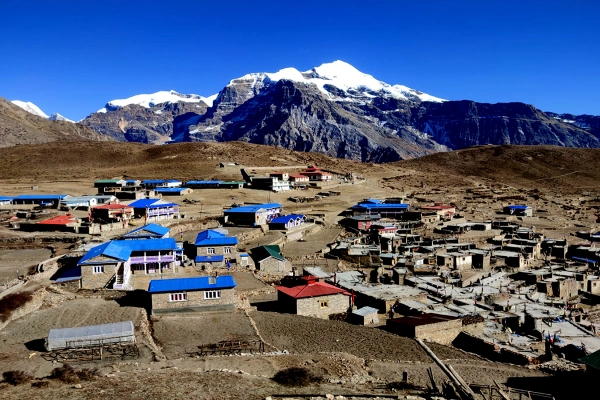
Easy Treks in Nepal for Beginners: Highlights
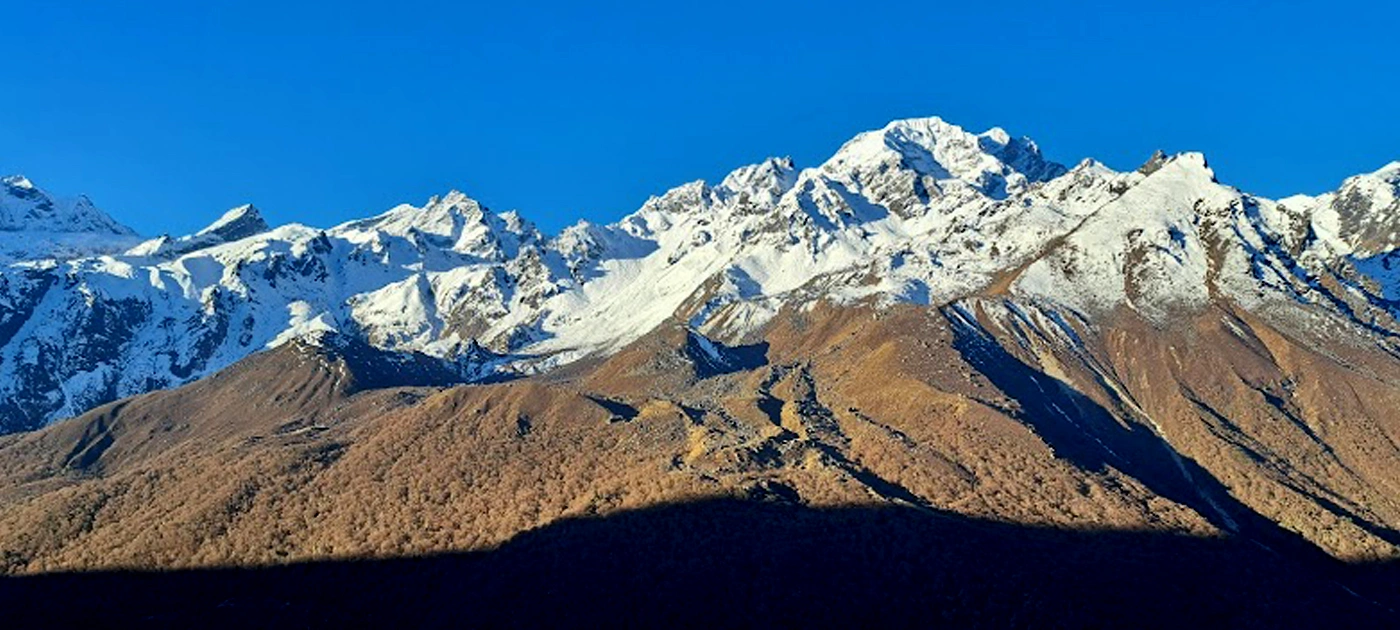
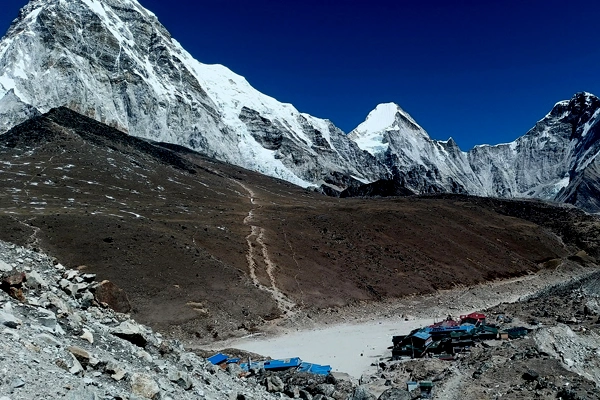
- Stunning Himalayan Views – Enjoy spectacular views of the Annapurna, Everest, Dhaulagiri, Langtang, Machhapuchhre, and other Himalayan peaks.
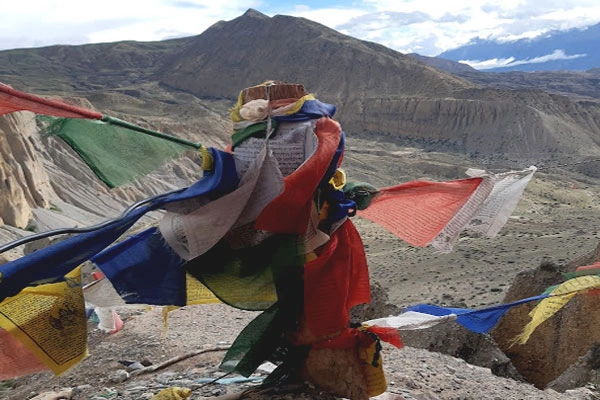
- Rich Culture & Heritage – Discover Nepalese and Himalayan traditions, monasteries, temples, and local communities.
- Short Trekking Itineraries – Many easy treks can be completed within a few days, making them ideal for travelers with limited time.
- Less Technical Preparation – Most beginner-friendly treks do not require technical climbing skills or previous high-altitude trekking experience.
- Beginner-Friendly Routes – Choose relatively easy trails suitable for first-time trekkers and travelers with moderate fitness.
- Beautiful Landscapes – Trek through forests, green hills, terraced farmland, rivers, and peaceful mountain scenery.
- Traditional Mountain Villages – Experience local lifestyles, traditional homes, and warm Himalayan hospitality.
- Sunrise & Mountain Experiences – Some routes offer memorable sunrise views over the Himalayan ranges.
- Suitable for Different Travelers – Depending on the route and fitness level, easy treks can be best for all category travelles.
- Authentic Nepal Experience – Combine Himalayan scenery, nature, culture, and adventure in one rewarding journey.
Easy Treks in Nepal for Beginners: Overview
Nepal is home to some of the world’s most remarkable trekking destinations, and not all of them require spirited high-altitude hiking. Easy treks in Nepal are ideal for beginners, families, first-time trekkers, first-time trek planners, and travelers looking to experience the Himalayas at a comfortable pace.
These beginner-friendly treks offer beautiful mountain views, traditional villages, lush forests, local culture, and breathtaking landscapes without the extreme difficulty of longer and higher-altitude routes. Popular options include Ghorepani Poon Hill Trek, Mardi Himal Trek, Langtan Valley Trek, Everest View Trek, Helambu Trek Nepal, Shivapuri Nagarkot, and Khopra Danda Trek near Pokhara city.
The best time for most easy treks is during spring (March–May) and autumn (September–November), when the weather is generally clear and the mountain views are at their best. Depending on the route, trekkers can choose short itineraries of a few days or extend their journey for a more immersive Himalayan experience.
Whether you are planning your first trek or simply want a relaxed Himalayan adventure, easy treks in Nepal offer an excellent way to explore the mountains without requiring advanced trekking experience.
Difficulty of Easy Treks in Nepal for Beginners
Nepal is a Himalayan country; it is beautiful, and trekking in Nepal for beginners requires the following tax although these treks are considered easy, they still require a reasonable level of fitness and preparation. The main difficulties beginners may experience include:
Experience Includes:
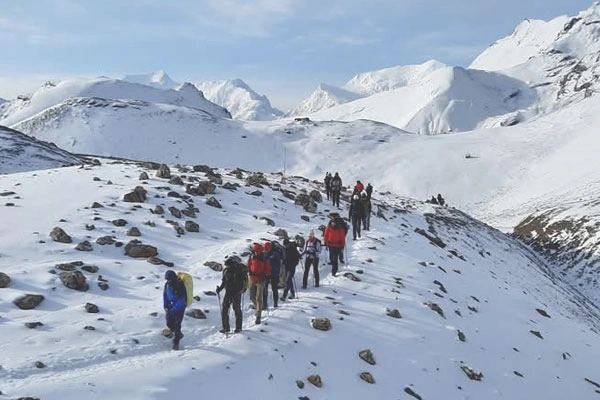
- Daily Walking: Expect several hours of walking each day, often on uneven and sometimes steep trails.
- Uphill & Downhill Sections: Even easy treks can involve frequent ascents and descents, which may be tiring for first-time trekkers.
- Altitude: Some beginner-friendly routes reach moderate elevations, so gradual acclimatization is important.
- Changing Weather: Mountain weather can change quickly, with rain, cold temperatures, fog, or strong winds depending on the season.
- Uneven Trails: Stone steps, rocky paths, muddy sections, and narrow mountain trails can make walking challenging.
- Carrying a Backpack: A heavy backpack can increase fatigue, so packing light or using a porter can make the trek easier.
- Basic Accommodation: Tea houses and lodges may offer simple rooms and facilities, particularly in remote areas.
Best Season for Easy Treks in Nepal
The best seasons for easy treks in Nepal are generally spring and autumn, when the weather is pleasant and mountain visibility is often excellent.
Spring (March–May): One of the best times for trekking. The weather is generally mild, trails are colorful with blooming rhododendrons, and mountain views are often clear.
Autumn (September–November): Considered the best overall trekking season. The skies are usually clear, temperatures are comfortable, and Himalayan views are spectacular.
Winter (December–February): Lower-elevation easy treks can still be enjoyable, but higher routes may be very cold and can receive snow.
Monsoon (June–August): Frequent rain, muddy trails, clouds, and reduced mountain visibility can make trekking less comfortable. Lower and rain-shadow destinations may still be possible.
Best overall: March–May and September–November.
Duration of Easy Treks in Nepal
The duration of easy treks in Nepal varies depending on the route, starting point, walking pace, and itinerary. Most beginner-friendly treks can be completed within 2 to 7 days.
- 2–3 Days: Ideal for travelers with limited time and first-time hikers.
- 4–5 Days: A good balance of walking, mountain views, villages, and cultural experiences.
- 6–7 Days: Suitable for a more relaxed experience with shorter daily walking hours.
- Longer Options: Some easy-to-moderate routes can be extended to 8–10 days or more for a slower pace or additional sightseeing.
Typical duration: 3–7 days for most easy and beginner-friendly treks in Nepal.
Permits and Guide for Easy Treks in Nepal
Even easy treks in Nepal may require trekking permits and conservation-area or national-park entry permits, depending on the route. Requirements can vary by trekking region and may change, so it is important to check the current rules before departure.
- TIMS Card: Many trekking routes require a Trekkers’ Information Management System (TIMS) card.
- Conservation Area Permit: Treks in areas such as Annapurna may require an entry permit for the relevant conservation area.
- National Park Permit: Routes entering a national park may require a separate park entry permit.
- Local Permits: Some rural municipalities or trekking areas may have additional local permits or fees.
- Guide: A licensed trekking guide is recommended for beginners and may be mandatory on certain designated trekking routes.
- Porter: A porter is optional but can make the trek more comfortable by carrying your main luggage.
- Permit Checkpoints: Keep your permits with you, as they may be checked at official checkpoints along the trail.
Tip: Permit and guide requirements depend on the specific trekking route. Check the latest requirements before starting your trek, or arrange them through a registered trekking agency.
Weather on Easy Treks in Nepal
Weather conditions vary depending on the trekking region, altitude, and season. Most easy treks are comfortable during spring and autumn, while winter and monsoon conditions can be more challenging.
- Spring (March–May): Mild temperatures, clear mountain views, and blooming rhododendrons. Excellent for trekking.
- Summer/Monsoon (June–August): Warm and rainy, with muddy and slippery trails and cloudy mountain views. Some lower-altitude routes may still be suitable.
- Autumn (September–November): Generally stable, dry weather with clear skies and excellent Himalayan visibility. The best season for most treks.
- Winter (December–February): Cold mornings and nights, with possible snow at higher elevations. Lower-altitude easy treks remain more accessible.
Tip: Mountain weather can change quickly, so carry layers, a waterproof jacket, and suitable trekking footwear regardless of the season.
Top 7 Easy Treks for Beginners in Nepal - A Gateway to the Himalaya
Welcome to Nepal Spirit Adventure! In this guide, we’re excited to share the Top 7 Easy Treks for Beginners in Nepal—each offering an unforgettable introduction to the Himalayas without requiring advanced trekking experience.
Nestled in the heart of the Himalayas, Nepal is a haven for nature lovers and adventurers alike. From emerald valleys and cascading waterfalls to rhododendron-covered hills, this enchanting land invites you to explore its natural beauty at your own pace. For those new to trekking, Nepal provides the perfect setting—offering beginner-friendly trails that showcase its splendor while requiring minimal technical skill.
Whether you're gazing at Mount Everest, exploring Pokhara's lakeside charm, or walking through timeless Himalayan villages, trekking in Nepal offers an accessible and authentic journey into the world of mountains and culture.
Why Trekking in Nepal Is Perfect for Beginners
Nepal may be famous for its towering peaks like Mount Everest, Langtang, and Annapurna, but it also offers dozens of treks tailored to beginners. These routes are:
- Lower in altitude- reducing the risk of altitude sickness
- Well-maintained and marked
- Filled with welcoming teahouses offering food and lodging
- Rich in culture and biodiversity
Top 7 Easy Treks for Beginners in Nepal
1. Royal Trek - A Gentle Walk Through Himalayan Splendor
Region: Annapurna
Duration: 7–9 Days
Max Altitude: 1,730 m
Best Season: January–May and September–December
The Royal Trek, named after Prince Charles, who hiked this route in the 1980s, offers a peaceful introduction to trekking in Nepal. Starting from Pokhara, this trek takes you through terraced farmlands, tranquil forests, and charming villages inhabited by Gurung and Magar communities.
Despite being relatively short and low-elevation, the Royal Trek offers spectacular views of Annapurna and Machapuchare (Fishtail) peaks. With daily walks of 4–5 hours, it's ideal for beginners looking to explore Nepal’s natural and cultural beauty at a relaxed pace.
2. Langtang Valley Trek – A Gateway to Himalayan Wilderness
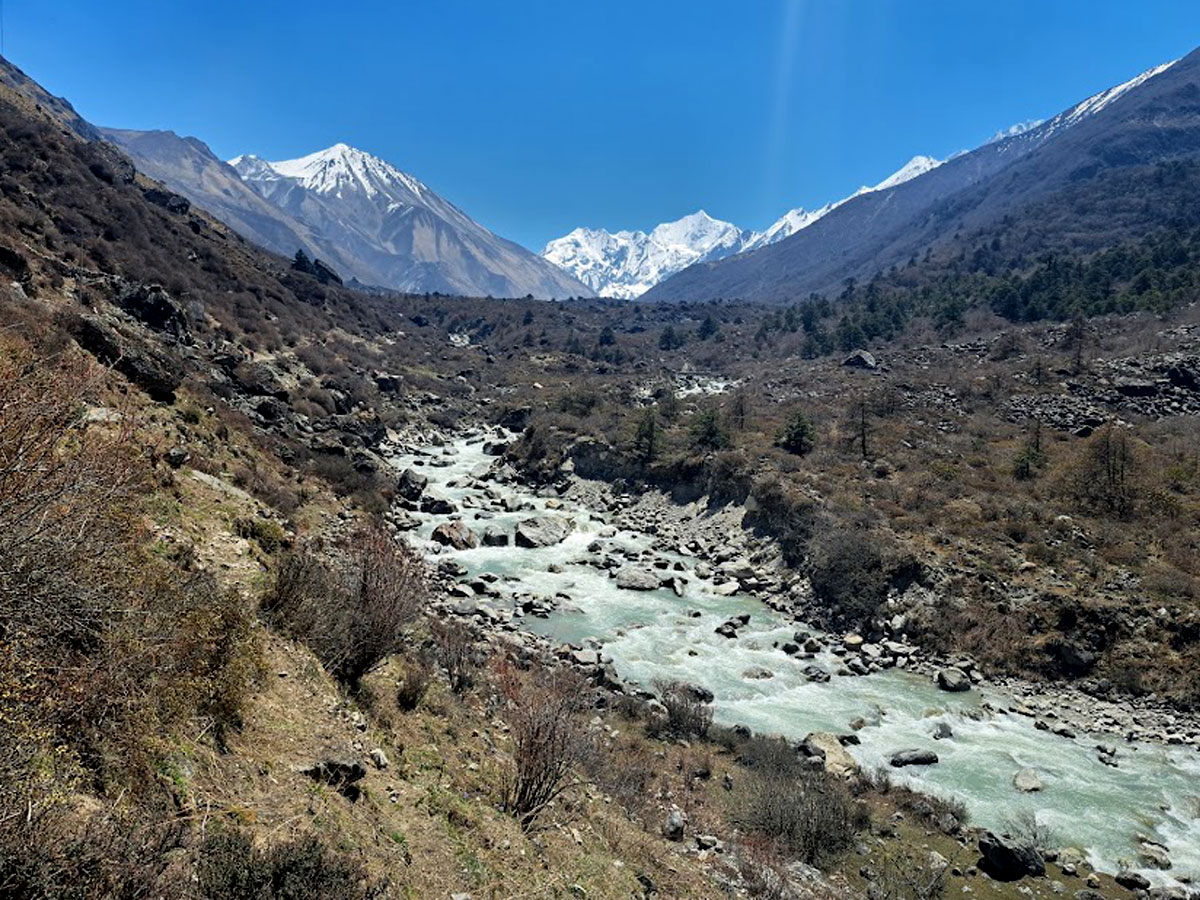
Trip Fact
Region: Langtang
Duration: 8–10 Days
Max Altitude: 4,900 m
Best Season: March–May and September–November
Trip Difficulties: Easy - Moderate
The Langtang Valley Trek offers an easy-to-moderate trek just a few hours' drive from Kathmandu. Known for its pristine landscapes and cultural richness, the trail meanders through Langtang National Park, home to wildlife like red pandas and Himalayan monals.
You’ll pass through Tamang villages, explore ancient monasteries, and reach Kyanjin Gompa, surrounded by towering snow-capped peaks. Despite reaching elevations above 4,000 meters, the steady ascent and good trail conditions make it a suitable trek for beginners seeking a deeper Himalayan experience.
For your happy holiday trip to Nepal, Nepal Spirit Adventure has been organizing the Langtang Valley Trek for decades, and you can experience our quality service and more responsible tourism at a reasonable price. Deal with our expertise!!
Mardi Himal Trek: A Spectacular Himalayan Adventure in Nepal
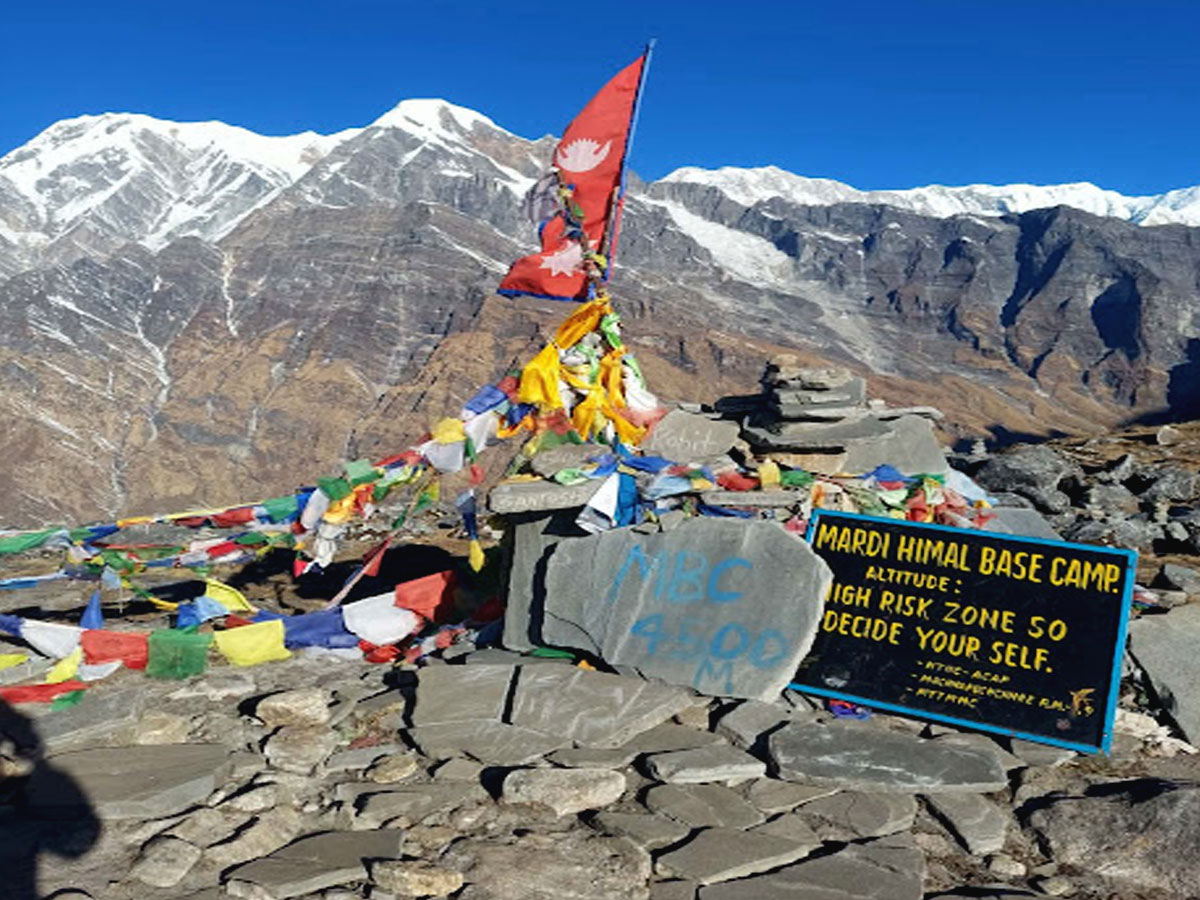
Mardi Himal Short Trek Nepal
Region: Annapurna (popular)
Duration: 5–9 Days
Max Altitude: 4,500 m
Best Season: March–May and September - December
Trip Difficulty: Easy - Moderate, Best: Beginner + Families trek
Tucked away behind the popular Annapurna trails, the Mardi Himal Trek is a hidden gem perfect for beginners. Starting from Pokhara, the trail winds through rhododendron forests, alpine meadows, and local villages before reaching Mardi Himal Base Camp.
Although the altitude reaches 4,500 meters, the trail is less demanding than other high-altitude routes, offering majestic views of Machapuchare without the crowds. This trek provides a tranquil escape into the Himalayas and is a favorite among first-time trekkers.
The Mardi Himal Trek offers spectacular views of the Himalayan mountains, beautiful landscapes, and authentic cultural experiences with local Magar and Gurung communities. These communities are well known for their rich traditions, warm hospitality, and long history of serving in the legendary Gorkha Army. With an easy-to-moderate trekking route, Mardi Himal is an excellent choice for travelers looking to experience the beauty and culture of the Nepal Himalayas.
Although several trekking companies organize the Mardi Himal Trek, choosing an experienced, reliable, and specialized local trekking operator can make your journey more comfortable, safe, and memorable. Start planning your adventure with Nepal Spirit Adventure, a trusted local-based trekking company dedicated to providing professional services, personalized support, and an unforgettable Himalayan trekking experience.
Although several trekking companies organize the Mardi Himal Trek, choosing an experienced, reliable, and specialized local trekking operator can make your journey more comfortable, safe, and memorable. Start planning your adventure with Nepal Spirit Adventure, a trusted local-based trekking company dedicated to providing professional services, personalized support, and an unforgettable Himalayan trekking experience.
Ghorepani Poon Hill Trek – Sunrise Views and Rhododendron Trails
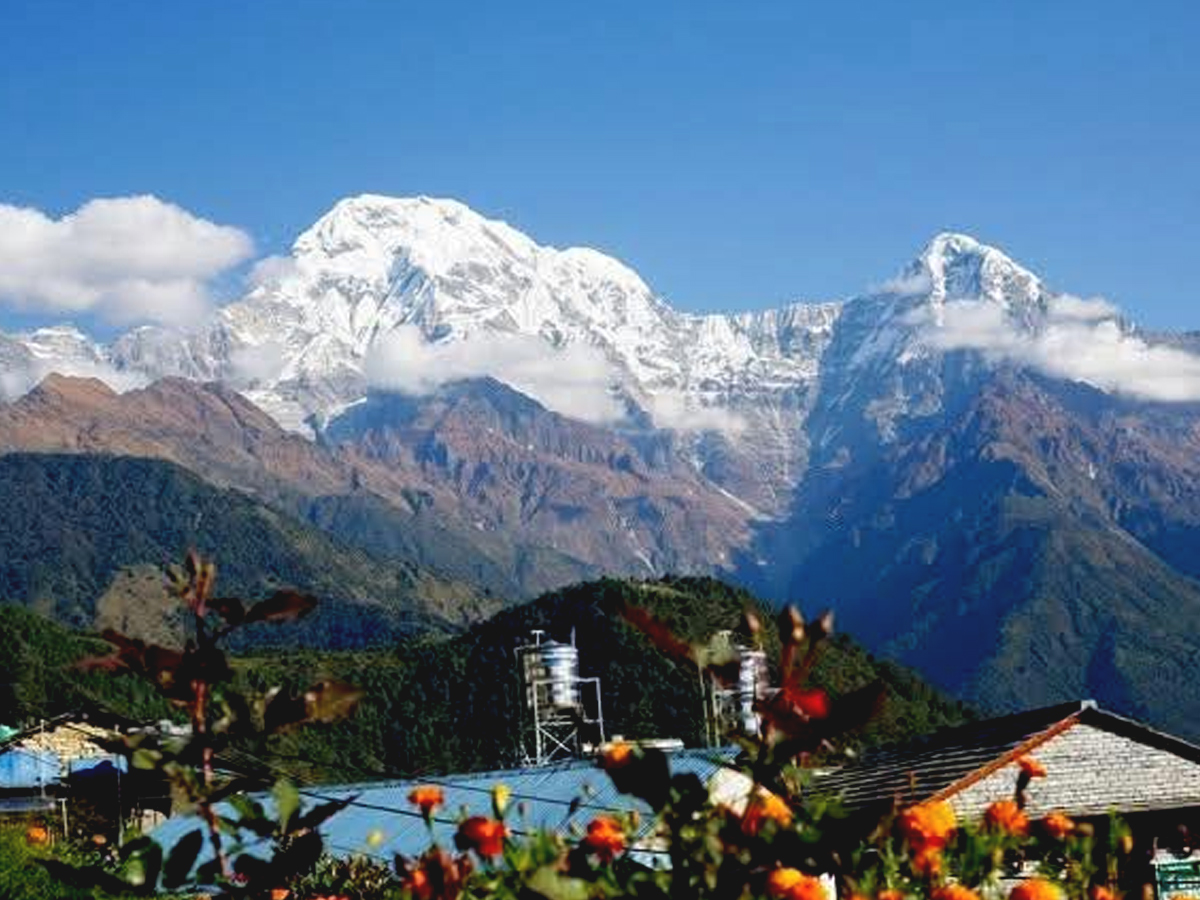
Region: Annapurna
Duration: 5–7 Days
Max Altitude: 3,210 m
Best Season: March–May and September–November
Trip Difficulty: Easy - Moderate
If you’re looking for a short and scenic trek, the Ghorepani Poon Hill Trek is an ideal choice. Known for its spectacular sunrise views, Poon Hill offers one of the best panoramas of the Annapurna and Dhaulagiri ranges.
The trail is easy to follow and passes through lush forests, ethnic villages, and flower-filled landscapes, especially during spring when rhododendrons are in full bloom. The trek is beginner-friendly and one of the most popular short treks in Nepal for good reason.
5. Everest View Trek – A Taste of the Everest Region
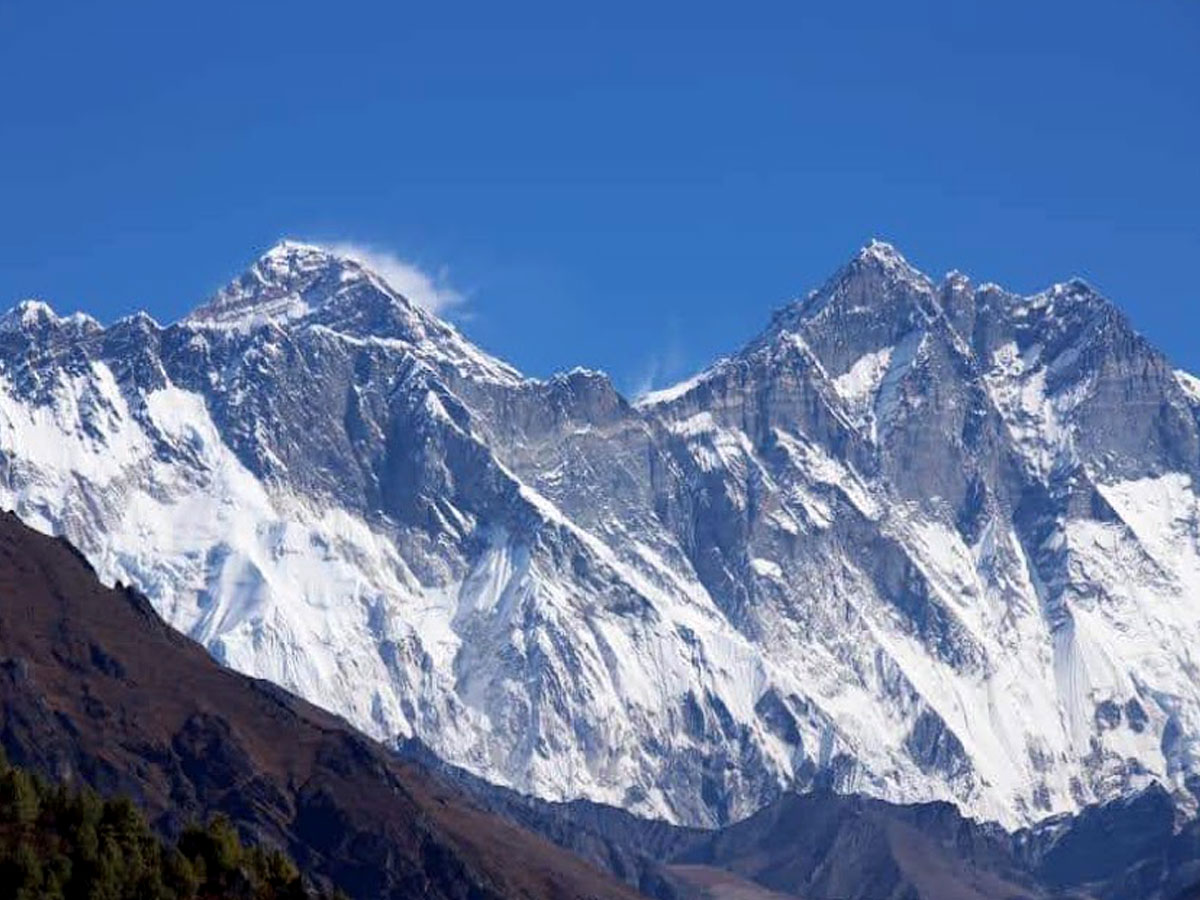
Easy Trek in Nepal - Everest View Trekking
Region: Everest
Duration: 5–7 Days
Max Altitude: 3,440 m
Best Season: March–May and September–December
For those dreaming of seeing Mount Everest without tackling a full expedition, the Everest View Trek offers a perfect solution. Starting with a scenic flight to Lukla, the trek follows gentle trails through Sherpa villages and Buddhist monasteries, and offers unforgettable views of Everest from Hotel Everest View.
This short trek allows you to experience the magic of the Khumbu region while keeping the walking time and difficulty low. It’s perfect for beginners eager to step into the legendary Everest area without the demands of high-altitude trekking. If you're planning to do this adventure with a local Sherpa for supporting thier life and education, deal with Nepal base trekking operator.
6. Khopra Danda Trek – Off the Beaten Path Adventure
Region: Annapurna
Duration: 5–8 Days
Max Altitude: 3,660 m
Best Season: March–May and September–November
The Khopra Danda Trek is a quiet and rewarding alternative to more popular routes. It’s perfect for beginners looking for a peaceful experience with epic views of Dhaulagiri, Annapurna South, and Nilgiri.
This trek includes visits to Gurung villages and an optional side hike to Kaire Lake, offering adventure at your own pace. Its moderate elevation and fewer crowds make it a true hidden gem in the Annapurna region.
7. Helambu Trek – Tranquil Trails Near Kathmandu
Region: Langtang
Duration: 6–8 Days
Max Altitude: 3,490 m
Best Season: March–May and September–November
The Helambu Trek is an excellent short trek starting just outside Kathmandu. It's an ideal option for beginners due to its lower altitude and well-maintained trails.
The trek offers a rich cultural experience, passing through Tamang and Sherpa villages and showcasing traditional lifestyles, ancient monasteries, and lush landscapes. In spring, rhododendron blooms add vivid color to the trail. It’s a perfect balance of natural beauty and cultural discovery, without the challenge of high-altitude hiking.
Conclusion
These top 7 easy treks for beginners in Nepal offer something for everyone—breathtaking mountain views, vibrant cultures, and serene landscapes, all accessible to those new to trekking. Whether you’re seeking a short escape or a deeper Himalayan experience, these beginner-friendly treks will leave you inspired and longing to return.
Frequently Asked Questions (FAQs)
Q1. What makes these treks suitable for beginners?
These treks have moderate elevations, well-defined trails, and comfortable daily walking hours, making them ideal for those without prior trekking experience.
Q2. When is the best time to go?
The best seasons are spring (March–May) and autumn (September–November), when the weather is clear, dry, and perfect for mountain views.
Q3. Do I need prior trekking experience?
No. These treks are designed for beginners. A basic level of fitness is helpful, but no previous trekking experience is required.
Q4. What kind of accommodation is available?
You'll stay in teahouses or local lodges, which offer simple but comfortable rooms, local meals, and a chance to interact with fellow trekkers.
Q5. Should I hire a guide or porter?
While not mandatory, hiring a guide enhances safety and cultural understanding, and porters can ease the burden by carrying your backpack.
Q6. Are trekking permits required?
Yes, most treks require permits such as TIMS (Trekking Information Management System) and conservation area entry permits. These are usually handled by your trekking agency.
Q7. Is altitude sickness a concern on these treks?
Not usually. Since these routes stay below 5,000 meters, the risk of acute mountain sickness (AMS) is low. Still, it’s important to trek gradually and stay hydrated.
Q8. What should I pack?
Pack layered clothing, good trekking shoes, sunscreen, a hat, water purification, basic meds, and a light backpack.
Q9. Can I customize the trek duration?
Yes! Most treks can be